Canvas & Ratio
Choose your destination platform format
Layout Template
Choose a content structure for your slides
Preset Themes
Typography & Sizing
Brand Kit Customization
AGENCYConfigure brand assets for headers & footers
Outro Slide CTA
Customize your closing call-to-action slide
Background Pattern
Build Your Carousel
Drag and drop any post card below onto a slide, or use the quick buttons to insert content/images instantly!

The oldest shopping mall in the US versus the biggest shopping mall in the US. What happened to American architecture?

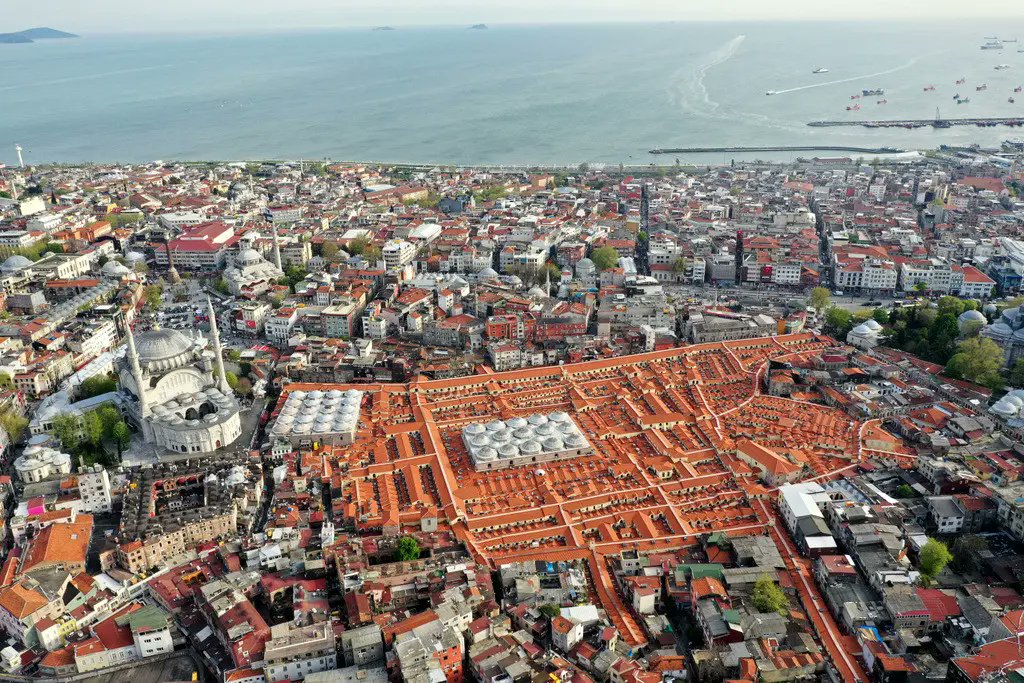
Shopping (or trading) is one of humanity's oldest activities. Think of Istanbul's Grand Bazaar, where it has been going on for centuries. Our modern shopping malls are simply the logical conclusion, supersized and optimised, of this ancient practice.

The direct ancestor of the modern mall is the arcade of the 19th century; a covered street of separate, enclosed shops. London's Burlington Arcade was the first, and it set a trend which culminated in ever grander arcades like the Galleria Vittorio Emanuele II in Milan.


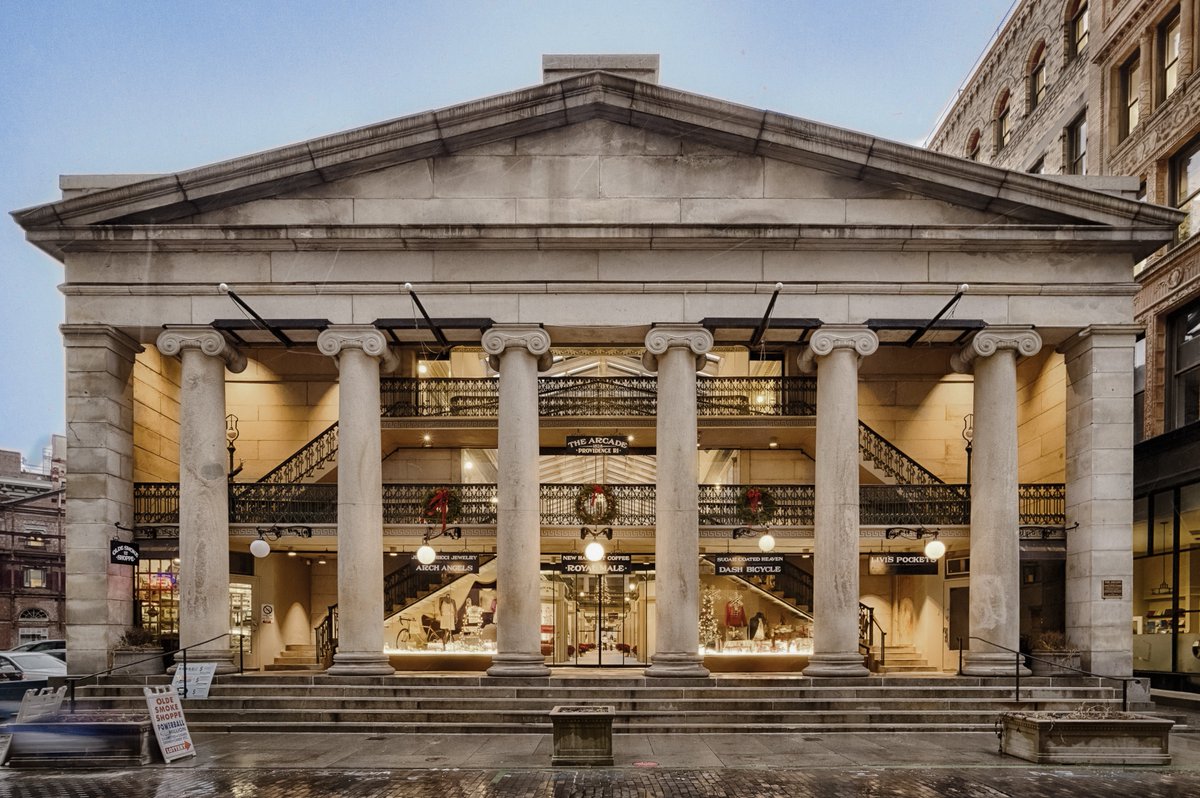
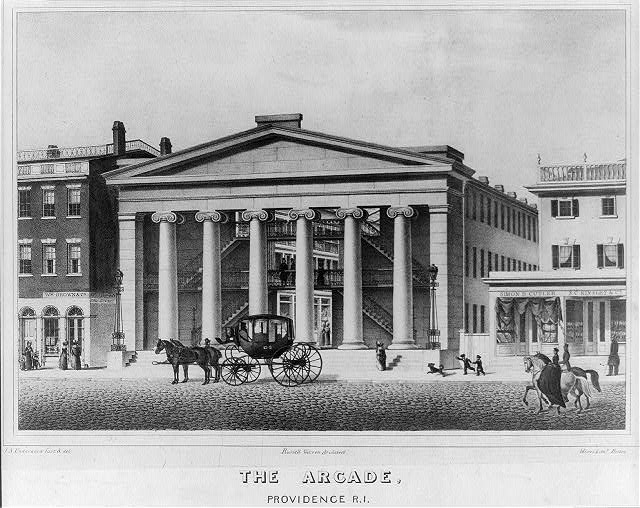
Westminster Arcade was built in 1828 in Providence, Rhode Island, in the then-fashionable Greek Revival style. Rather than being Neoclassical in a general sense, it specifically imitated the temple architecture of Ancient Greece. Six Ionic columns mark the entrance.
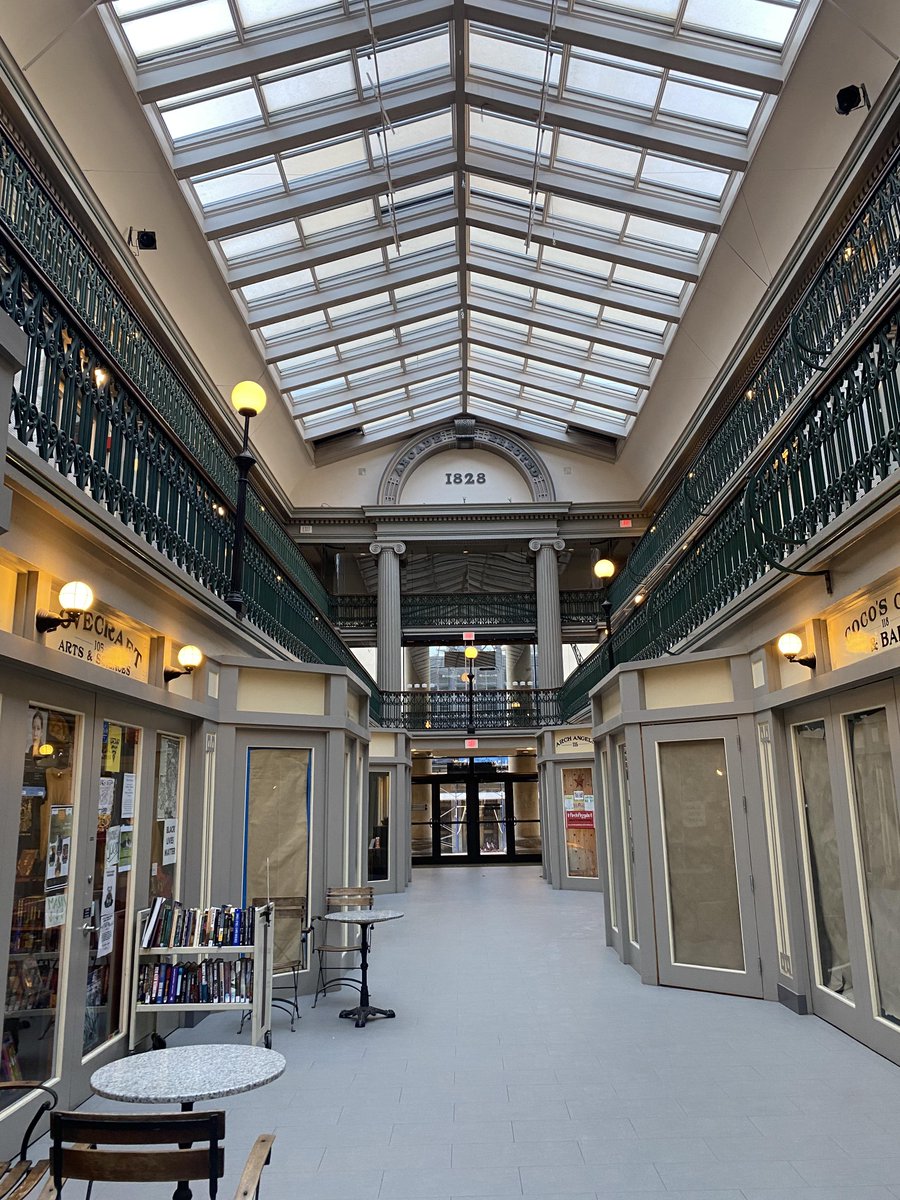
Inside it is simple but elegant, with three floors — the upper two are balconied walkways — and a large skylight, lined by glazed shopfronts. There are some charming details — the ironwork of the balconies, the lamps, the arches at either end — but this is hardly extravagant.

Upon opening it had 78 shops and restaurants, and also served as an important thoroughfare between the streets on either side. Just like modern malls, it was a place for socialising as much as for shopping — a fashionable place to see and be seen, so to speak.

Westminster Arcade continued to serve as a shopping arcade for well over a century, though by the 1960s it was under threat. Since then it has been closed, changed hands, and renovated on several occasions, most recently reopening in 2013 as a mixed commercial-residential space.
Of course, Westminster Arcade represents an extinct breed of shopping mall. In the 1950s a new form arose: the monumental, air-conditioned, fully indoor shopping centre, often out of town and surrounded by huge car parks.

Although, of course, not all such malls are on the outskirts of urban centres. Many such modern malls — including the first ever, simply called Shopping, which opened in Luleå, Sweden, in 1955 — are right in the middle of the city. Appearance is even more important here.
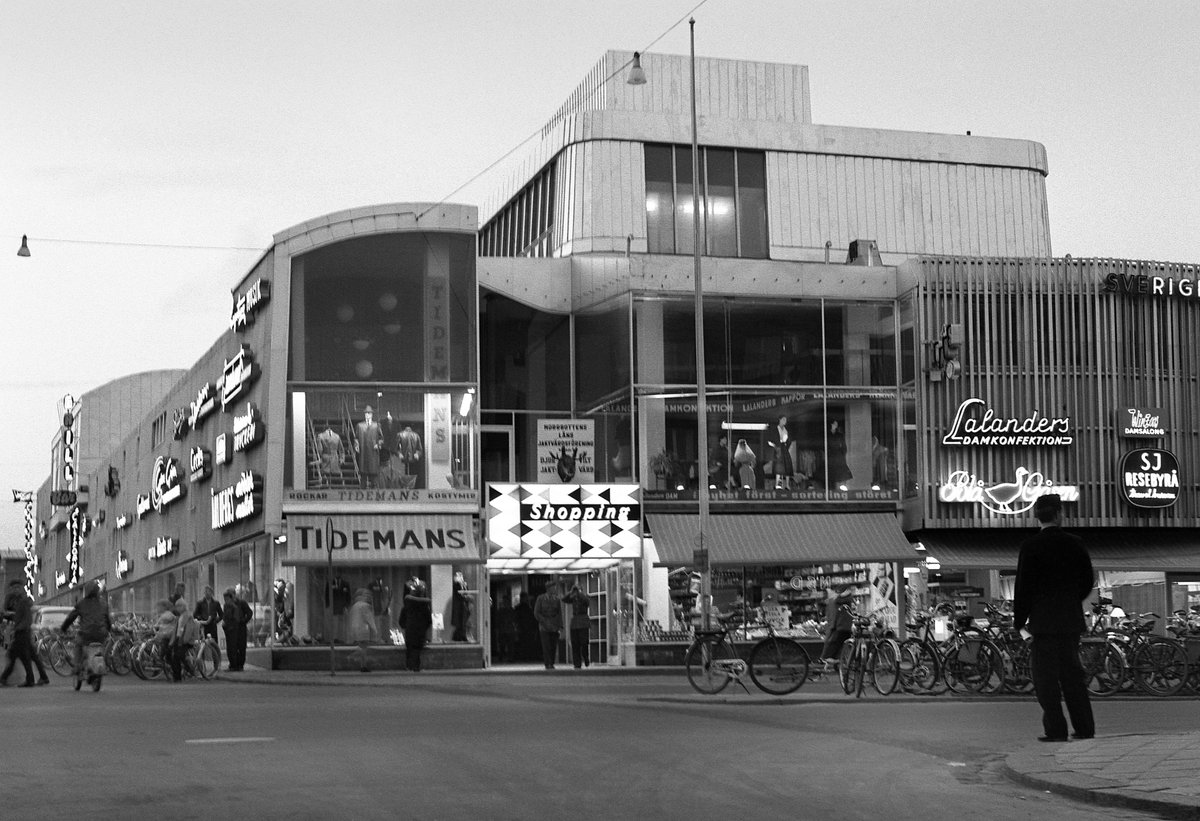
But Westminster Arcade and the modern mall are not mutually exclusive options. The aesthetic approach to Westminster Arcade could be easily replicated on a modern mall, turning what would otherwise be rather boring (if not outright unpleasant) into something more charming.

What Westminster Arcade reminds us is that architecture need not be about grand edifices inspired by the past, nor about overwhelming ornamentation, nor an obstinate refusal to change. Rather, it shows that minimum aesthetic consideration can be transformative.

Studies have made clear what most people instinctively know — that architecture and urban design affect how we feel and how we think. We shape our buildings and they shape us. These two streets, say, will have different impacts on your mood, emotions, and psychology.

Are humans merely creatures with commercial and economic value to be extracted, or do we also have emotional, intellectual, and aesthetic faculties? Architecture and urban design which prioritise the former at the expense of the latter are hostile to human nature.
There are countless models from the past which we *know* are effective, because tourists flock to them and people want to live there. Classical porticos, Gothic facades, Safavid sqaures, Ottoman domes... This isn't past versus present; it's how the past can help the present.
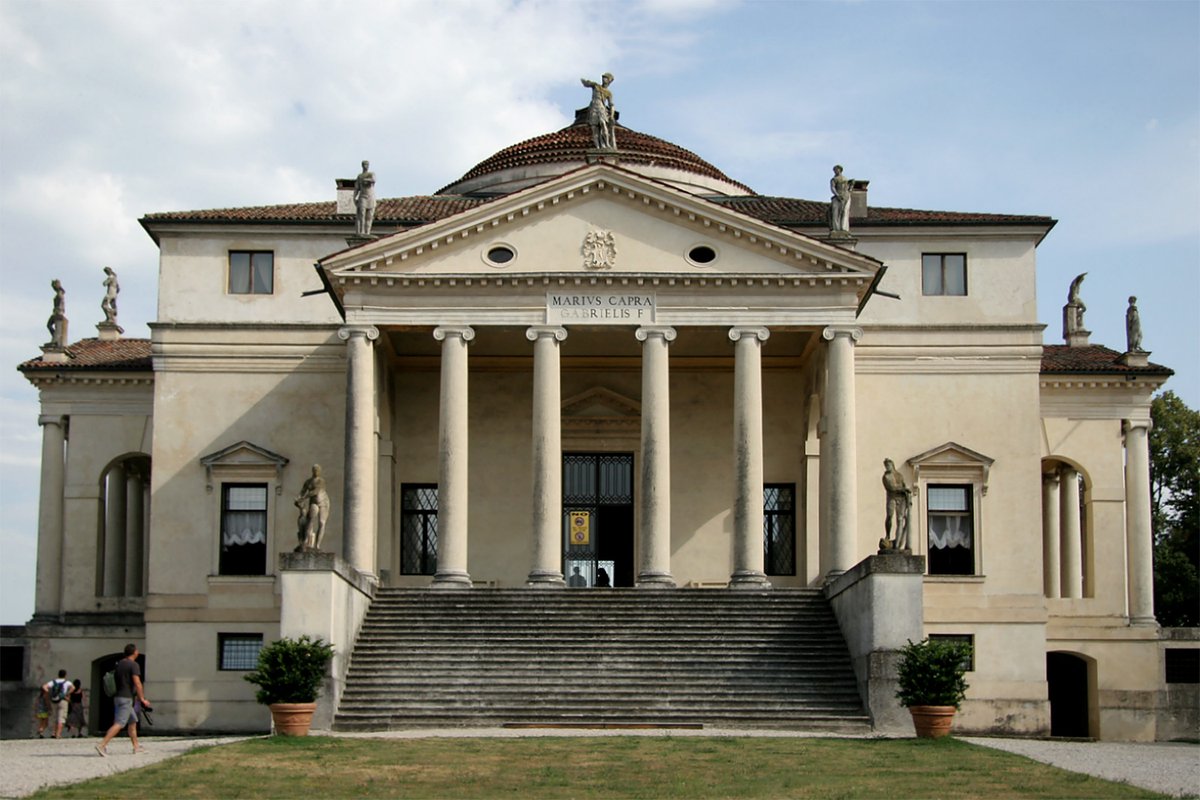


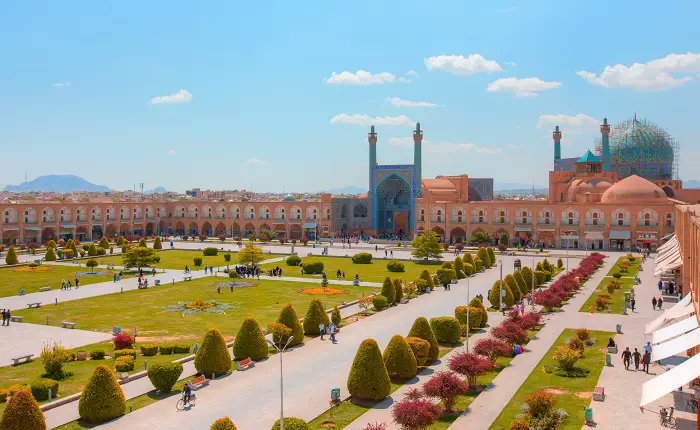
And when so many people feel that cities and streets are becoming uglier, and studies have shown that our increasingly hostile urban spaces are actively unhealthy for us, something like Westminster Arcade offers both a solution and a reminder that there are alternatives.
Some might call it artificial to clad a modern mall in, say, a neoclassical facade like that of Westminster Arcade. Would it? Well, the Ancient Romans had no qualms with building the Coliseum from brick and only using marble for its frontage. Same principle.

Would it be more expensive, using the Westminster Arcade example, to quarry and cut six Ionic columns than to install a monumental glass frontage? Would it be worth the extra (or rediverted) expenditure? Either way, the hidden cost of bad architecture is very high indeed.
Westminster Arcade has survived for nearly two hundred years because people wanted to preserve it — and that has much to do with how it looks. If people think a building is ugly they will happily see it demolished, thus incurring the immense cost of rebuilding.

So this is also a question of short term versus long term architecture. Do we build for the next five years, the next fifty, or the next five hundred? Sometimes prioritising cost and efficiency is necessary; with population boom comes a pressure to build rapidly.

But, occasionally, it may be worth being a little more thoughtful, applying minimum aesthetic consideration, and giving the public of today and tomorrow something to be proud of. And that's the ultimate lesson of Westminster Arcade, America's oldest shopping mall.