Thread Truncated (Cap Enforced)
Only the first 20 tweets are unrolled into slides to ensure reliable PDF exporting and high server performance.
Canvas & Ratio
Choose your destination platform format
Layout Template
Choose a content structure for your slides
Preset Themes
Typography & Sizing
Brand Kit Customization
AGENCYConfigure brand assets for headers & footers
Outro Slide CTA
Customize your closing call-to-action slide
Background Pattern
Build Your Carousel
Drag and drop any post card below onto a slide, or use the quick buttons to insert content/images instantly!

This is the Nasir ol-Molk Mosque, also known as the Pink Mosque, in Iran. What makes it so beautiful? Creative limits. Here is how you construct a building out of pure light, pattern, and colour...
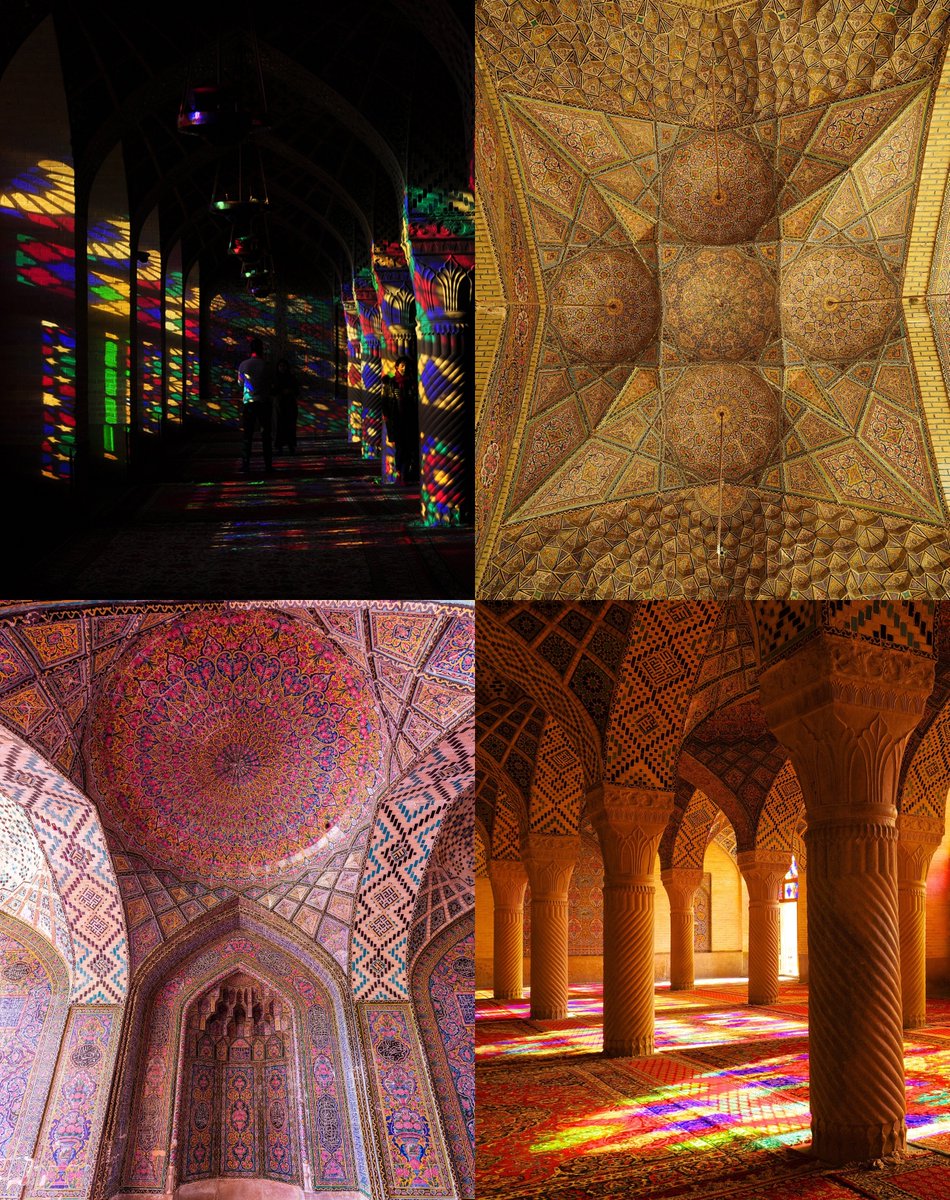
Iran has one of the oldest and richest heritages of any country in the world, and Shiraz is one of its greatest cities. Though inhabited since 2000 BC, it was refounded in 693 AD by the Umayyads and soon flourished as a city of poetry, music, flowers, and architecture.
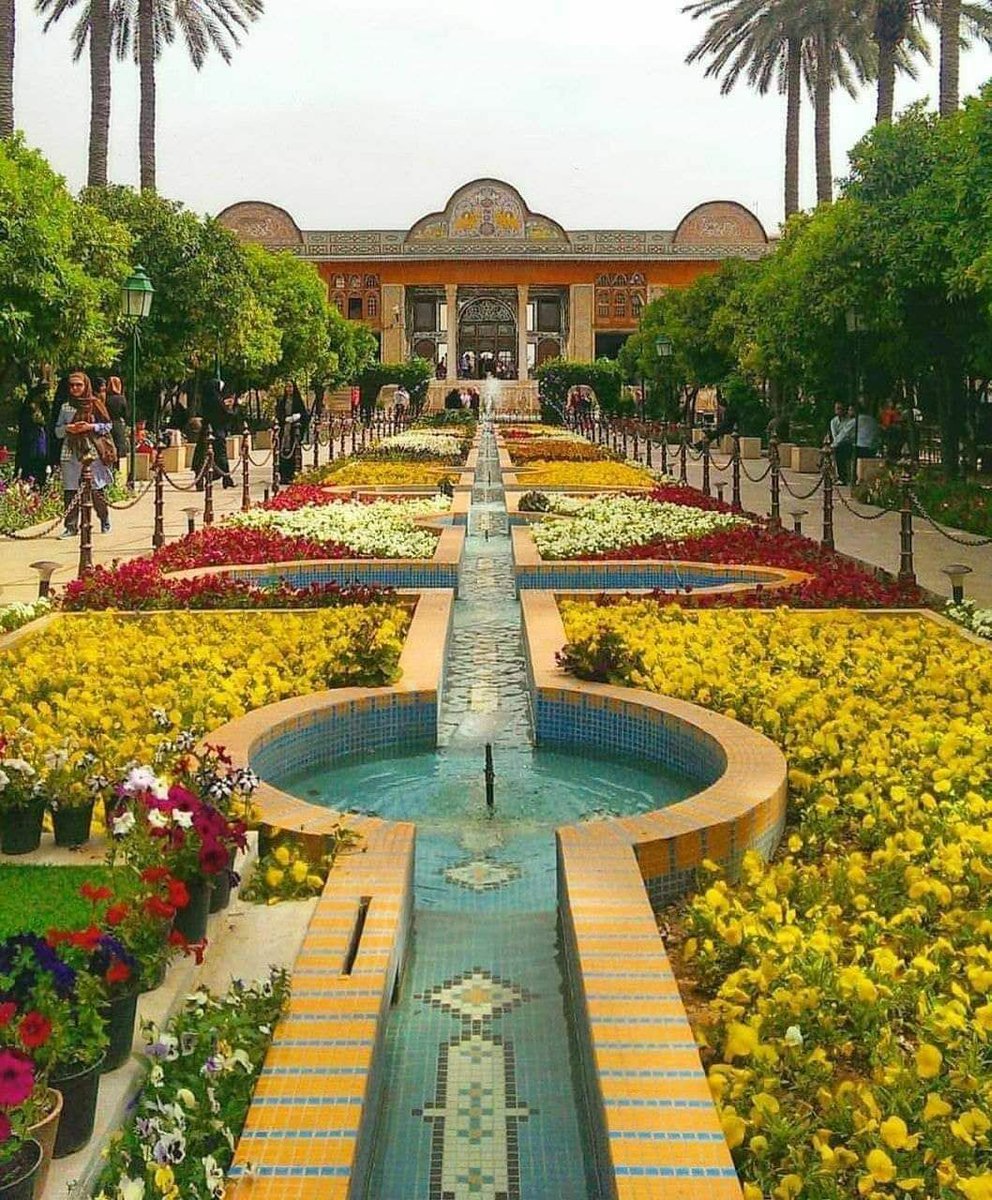
The mosque was commissioned by Mirza Hasan Ali Nasir ol-Molk (hence its name) as a tribute to and tomb for his late father in 1876. He was from the old and influential Qavam family, close to Iran's ruling Qajar dynasty, which had come to power in 1789.
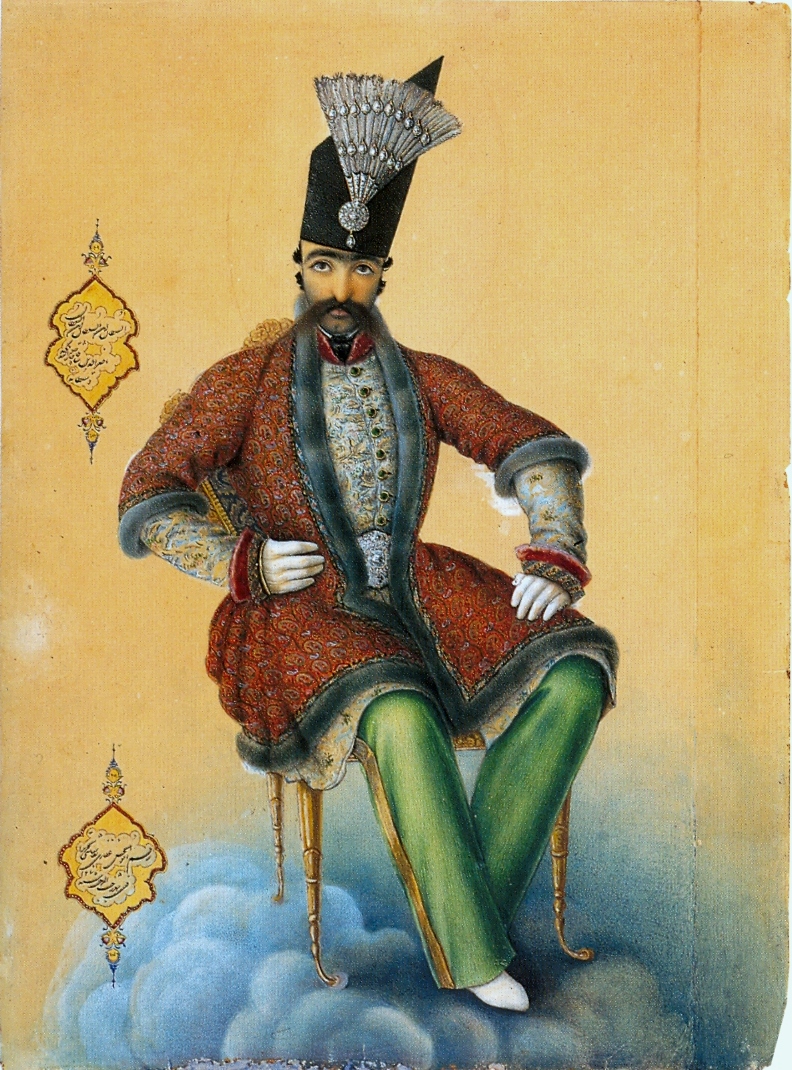
It was designed by Muhammad Hasan-e-Memar and Muhammad Reza Kashi Paz-e-Shirazi and took twelve years to complete. Its moniker — the Pink Mosque — comes from the prevalence of pink tiles in its decoration, although the "Kaleidoscope Mosque" might be a more fitting name.

The architects drew on the rich heritage of Islamic religious architecture and the result is something like an eclectic homage to the many beautiful mosques that predate it — while also being almost wholly unique.
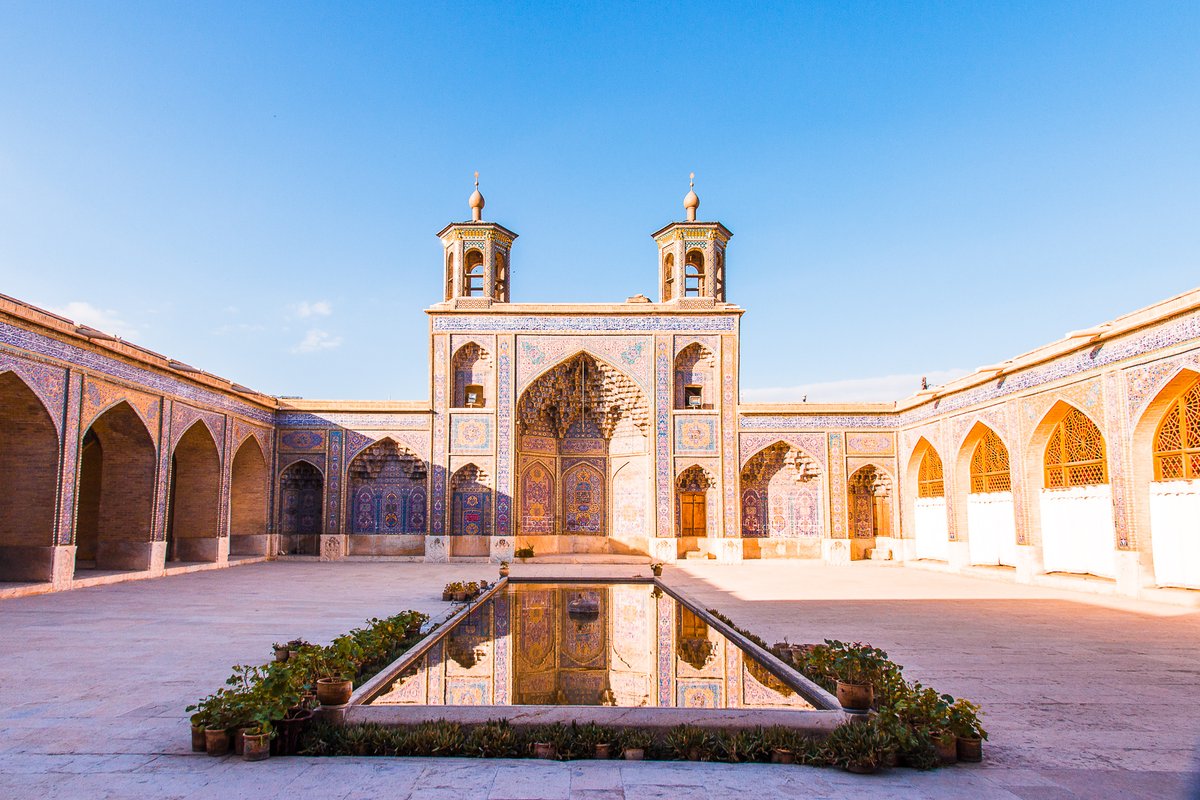
It has many features typical of Islamic ecclesiastical architecture — including the central courtyard, with arcades running down either side. There are also several magnificent iwans, which are vaulted, three-sided halls that act as gateways.

And inside, of course, there are mihrabs — niches which indicate the qibla, which is the direction of the Kaaba in Mecca and therefore the direction of prayer. In other words, the literal and spiritual focus of a mosque.

You'll notice that both the iwans and mihrabs, along with all the vaults of the Nasir ol-Molk, are filled with highly elaborate, geometric decoration. This is called muqarnas: ornate, intricate, colourful, honeycomb-like miniature vaulting.

It is a defining element of Islamic architecture, almost like a complex, mathematical pattern made three-dimensional, one which gives the impression that the building is dissolving before our eyes. The Nasir ol-Molk is filled with the infinite beauty of muqarnas.

And it has two hypostyle prayer halls; a hypostyle hall is one in which the ceiling is supported on several rows of columns, almost like a forest of stone. You can also see the richly decorated rugs laid out on the floor.

And, of course, both the interior and exterior of the mosque are covered almost entirely with tiles. Such ceramic decoration is another common feature of Islamic architecture: geometric, fluid, calligraphic, abstract, chromatic... every surface and wall becomes a canvas.
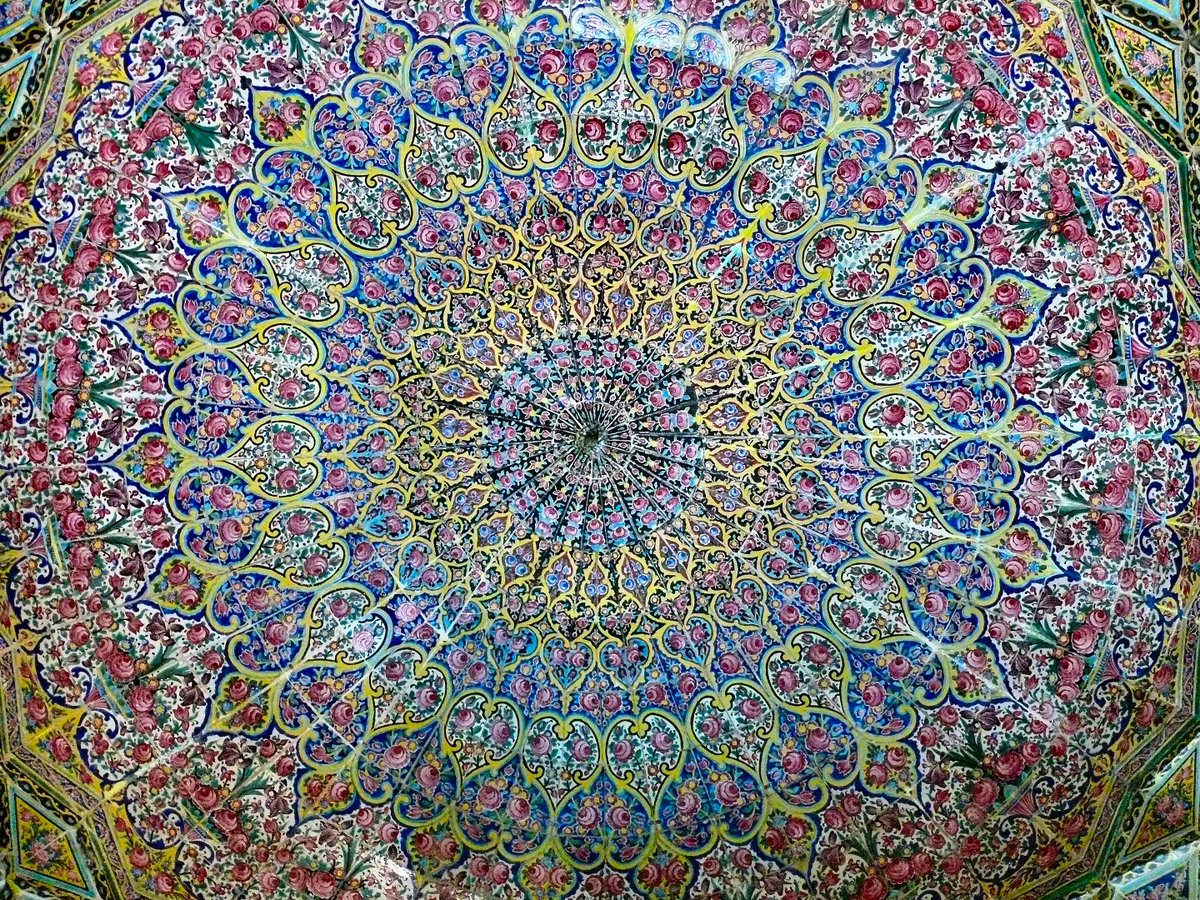
What makes the Nasir ol-Molk so special is that it draws on this rich architectural and artistic heritage and unites them toward a single purpose. Everything here is carefully orchestrated to exhilarate our senses: light and darkness, colour and pattern, texture and shape.

The stars of the show in this regard are probably the stained glass windows which line the Winter Prayer Hall. As the sun travels across the sky it fills the room with technicolour light — and what could be more abstract, more powerful, than that by which we see, light itself?

This is astonishing enough — the decoration comes to life and room itself becomes one of pure light and colour — but what's most remarkable is that it changes throughout the day and throughout the year, as the sun moves and takes up different positions in the sky.


The result is not only technicolour light but an ever-changing light which interacts with the intricate shapes and abundant colours of the interior. They work in harmony to create something which transforms with every passing moment.


And so this building has an immeasurable richness; a kaleidoscope in the truest sense of the word, one which combines texture and shape and illumination and darkness into a single, intricate, cohesive work of art and architecture.
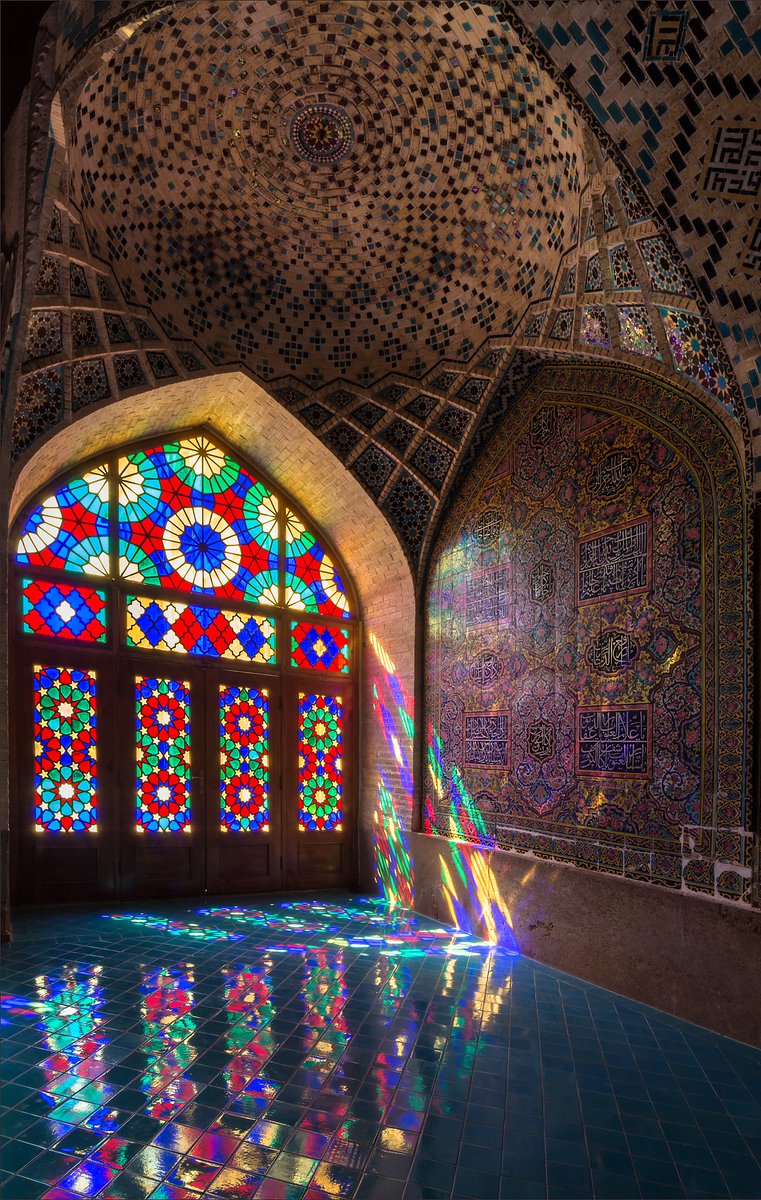
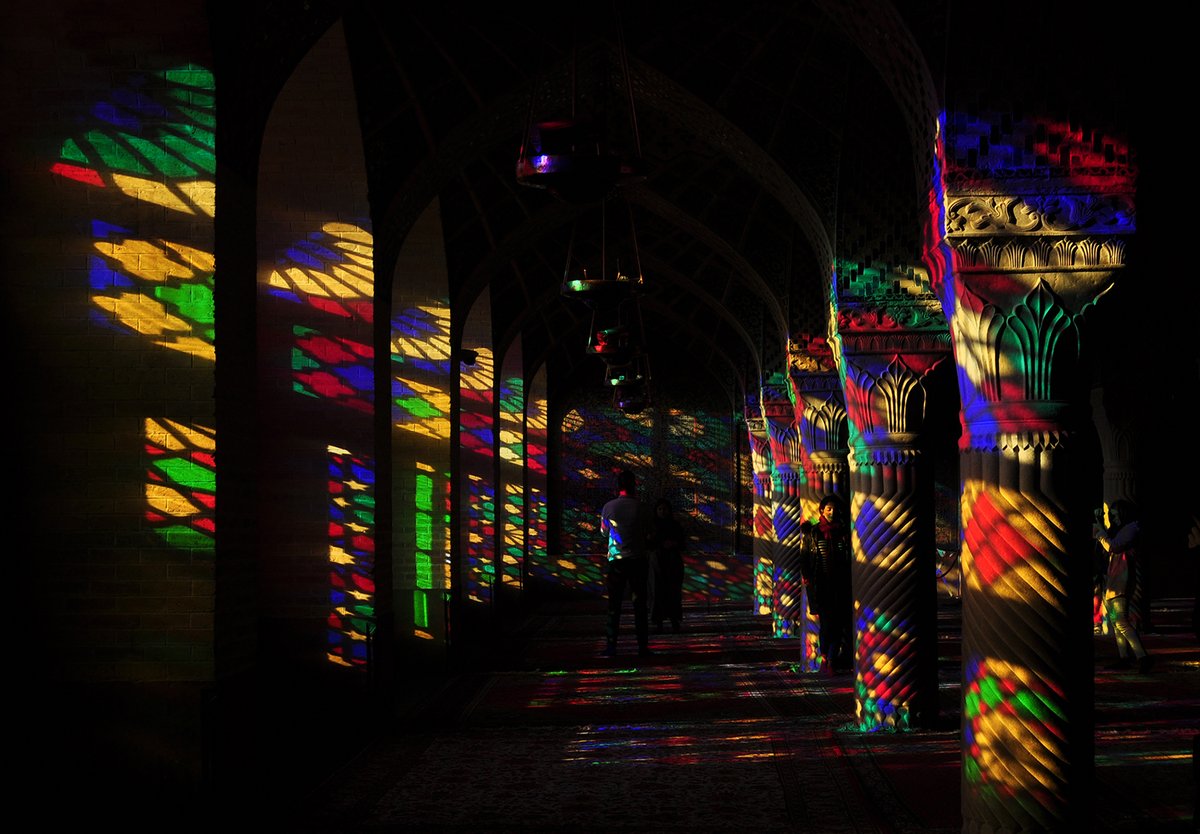
But... why? Well, representational art — art which depicts people or creatures or scenes from the real world — is generally forbidden in Islamic religious art. Which requires artists to use abstraction alone (colour, shape, pattern) to channel and explain religious meaning.

The abstraction of the Nasir ol-Molk, then, is not merely decorative, nor only an isolated effort to create something pretty. It is an attempt to elevate the mind and spirit and senses, and to create a space which channels divinity and makes it comprehensible to worshippers.

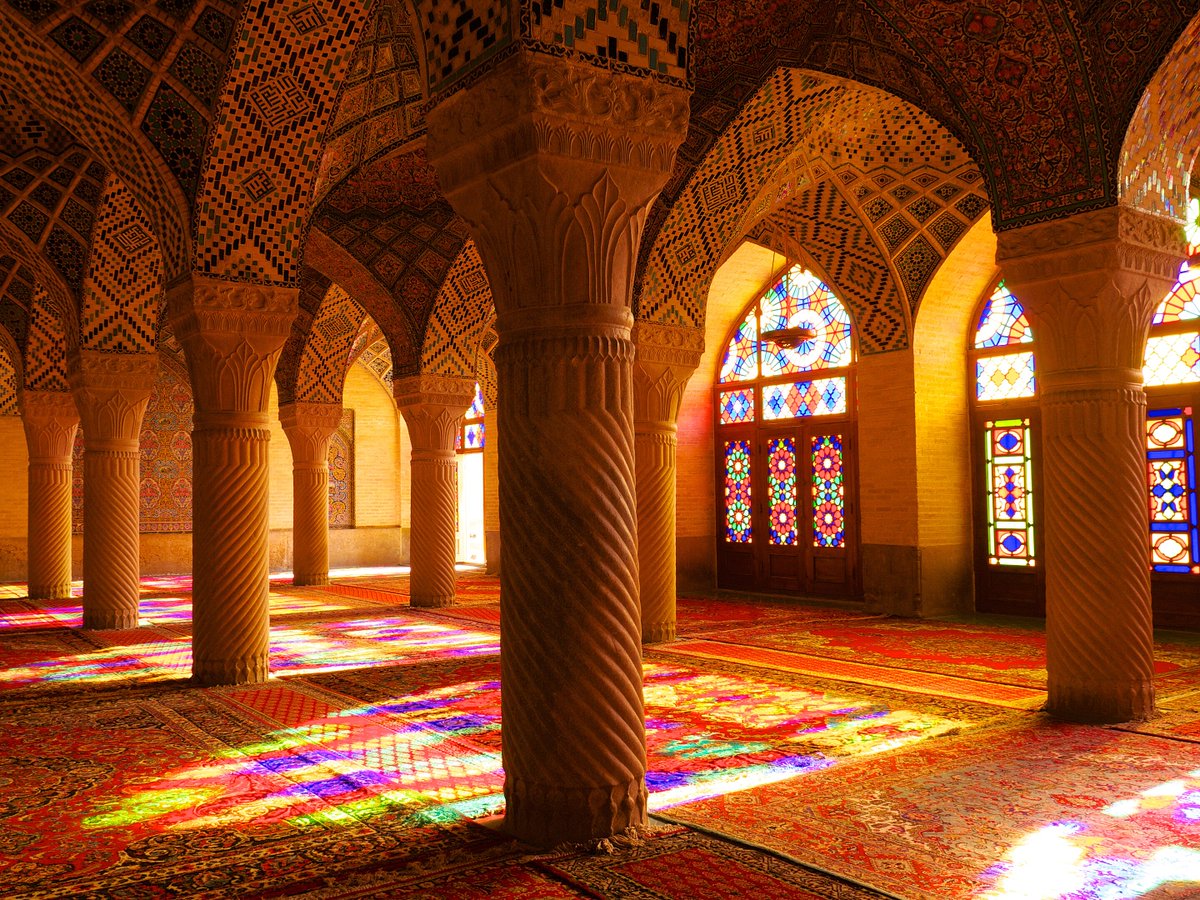
This tension between representational art and religion is both ancient and universal. The word "iconoclast" comes from 8th century Constantinople, in the Byzantine Empire, when it was declared that representational religious art should be destroyed because it was idolatrous.

In a Catholic church the paintings and images are not — as the Council of Trent made abundantly clear in 1563, under pressure from the Reformation — supposed to be worshipped themselves. Rather, they are intended to help worshippers internally imagine these holy figures.
