
I'm going to show you step-by-step how to consistently get the best outputs with Claude Code, Codex, OpenCode or whatever harness you're using...
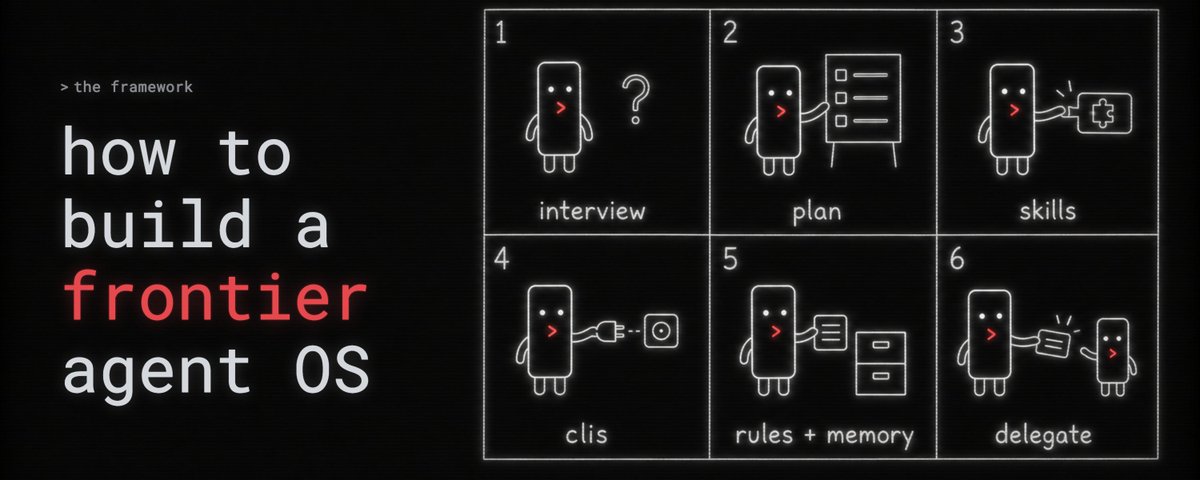
because a harness is just the app you type your agent instructions into, the cockpit you sit in
the instinct is to chase a better model to drop inside it (USING FABLE 5 LOL)
the real edge you can get is somewhere else, in the fact that you stopped at one model at all
and the timing makes that mistake more expensive than it used to be... because the single best model has become a moving target you can't count on:
- Fable 5 is coming back for like a week and then it will be to expensive to afford
- Mythos 5 is locked to a short list of government-vetted companies
- GPT-5.6 Sol went out to about 20 approved firms and nobody else
so betting your whole operation on whichever model is "best" this month keeps losing the moment it gets gated
so the move is a merge of frontier LLMs, a handful of models carrying the work together instead of one model carrying all of it
that's what separates average outputs from the best ones, and it's the first thing i set up on every project now
if you want to learn how to get the most out of these tools and make real money with them, that's what the real time AI ops community is built for: weeklyaiops.com

## the slow, miserable back-and-forth
watch how a normal project goes, the bottleneck is sitting right in the middle of it:
> you open one harness and hand it the task
> then you take its plan, paste it into a second model, and ask "is this right"
> the second one finds the holes, so you carry those notes back to the first
> you spend the afternoon as a messenger, running context between two models that can't talk to each other
let's be honest, that back-and-forth is a pain in the ass...
Generated by Thread Navigator
Press ⌘ + S to quick-export