
a discourse on afterlife in jjk and how it's a voluntary choice (as well as an exploration on religious symbolism) 🧵

preface
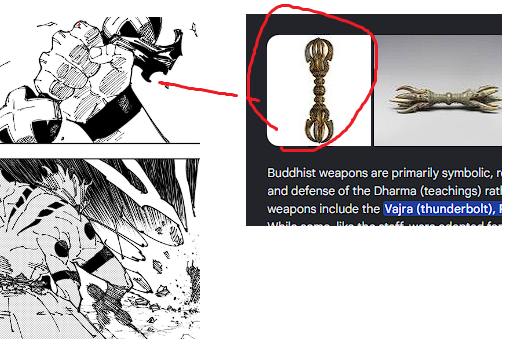
before getting into the discussion, its worth noting the countless buddhist allegories and symbolisms gege has riddled this series with. gege is japanese, so he likely grew up with buddhist perspectives and uses symbolism for cultural vocabulary rather than decor
before getting into the discussion, its worth noting the countless buddhist allegories and symbolisms gege has riddled this series with. gege is japanese, so he likely grew up with buddhist perspectives and uses symbolism for cultural vocabulary rather than decor



preface
that being said, many themes of jjk align with buddhist perspectives and stories, most notably tales of enlightenment, struggle, and suffering, as well as humanism overall. jjk as a whole reflects a buddhist concept known as "samsara."
more here: tinyurl.com/jjkbhsm
that being said, many themes of jjk align with buddhist perspectives and stories, most notably tales of enlightenment, struggle, and suffering, as well as humanism overall. jjk as a whole reflects a buddhist concept known as "samsara."
more here: tinyurl.com/jjkbhsm
1.
in buddhism, there is no traditional "instant heaven or hell" judgment, rather, its a continuation of consciousness (w/ memories), and movement through cycles (samsara) which is marked with transition, its less moral sorting and more spiritual movement, reflecting this panel:
in buddhism, there is no traditional "instant heaven or hell" judgment, rather, its a continuation of consciousness (w/ memories), and movement through cycles (samsara) which is marked with transition, its less moral sorting and more spiritual movement, reflecting this panel:
2.
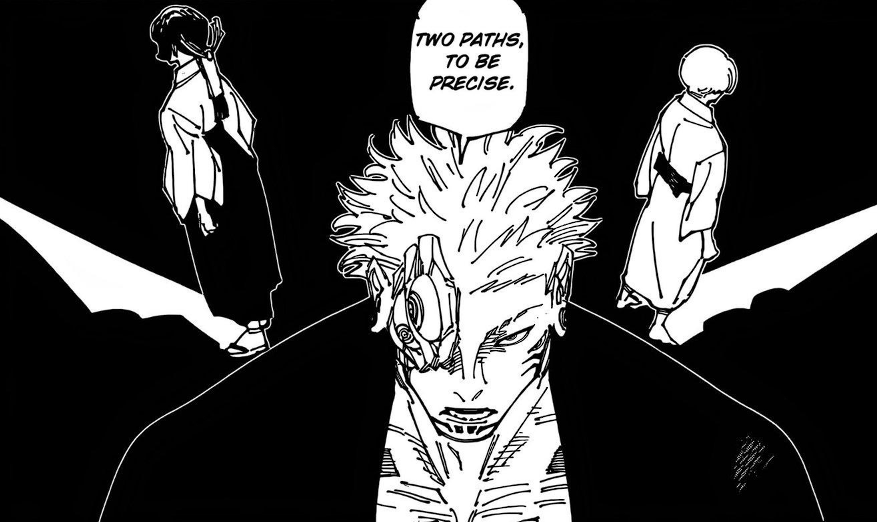
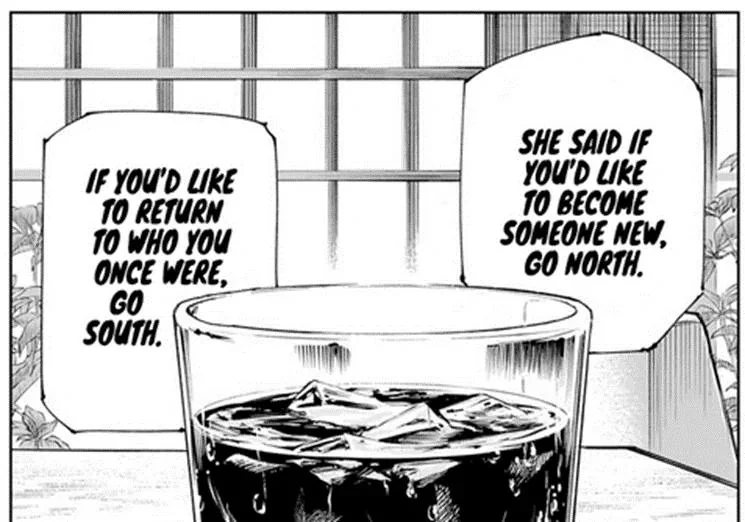
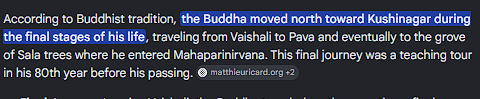
this crossroads decision said by sukuna is actually said previously as well by gojo
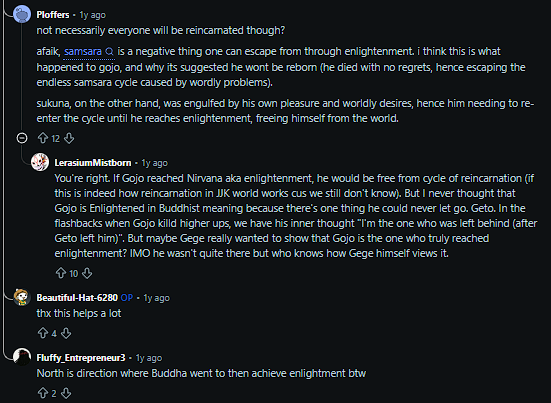
he claims "if you'd like to become someone new go north," which reflects buddhist thought and tradition.
reincarnaton is for those who have not escaped samsara, however gojo has done so.
this crossroads decision said by sukuna is actually said previously as well by gojo
he claims "if you'd like to become someone new go north," which reflects buddhist thought and tradition.
reincarnaton is for those who have not escaped samsara, however gojo has done so.
3.
the airport itself (where gojo has manifested post-death) matters as well, airports represent in between arrival and departure, its a symbolism for "staying or reincarnate" which is something i will dive into next
by the way, gojos honored one speech is also buddhist
the airport itself (where gojo has manifested post-death) matters as well, airports represent in between arrival and departure, its a symbolism for "staying or reincarnate" which is something i will dive into next
by the way, gojos honored one speech is also buddhist

4.
the "staying or reincarnate" thing is actually my main argument for this discussion, i wanted to bring up the fact that many characters in the series are shown to be able to "reincarnate" and in some cases, come back as curses (vengeful cursed spirits) with memories
the "staying or reincarnate" thing is actually my main argument for this discussion, i wanted to bring up the fact that many characters in the series are shown to be able to "reincarnate" and in some cases, come back as curses (vengeful cursed spirits) with memories


5.
when considering the possibility of "staying or reincarnate", we must consider characters like mahito (who is essentially stuck in samsara), we learn the idea that repetition of human suffering and inability to transcend is what causes people to reincarnate as a whole
when considering the possibility of "staying or reincarnate", we must consider characters like mahito (who is essentially stuck in samsara), we learn the idea that repetition of human suffering and inability to transcend is what causes people to reincarnate as a whole


6.
another thing that really supports the "stay or reincarnate" thing is the sole fact the afterlife is not moral judgment-based (which is why so many people were confused when toji got sent to "heaven")
sukuna is also shown to choose a "good life" in the afterlife as well
another thing that really supports the "stay or reincarnate" thing is the sole fact the afterlife is not moral judgment-based (which is why so many people were confused when toji got sent to "heaven")
sukuna is also shown to choose a "good life" in the afterlife as well

7.
getting tired so im gonna do a conclusion, basically i believe the "afterlife" in jjk is just a system that has you choose to stay or reincarnate
reasoning is due to: across death scenes, characters behave as if they are choosing identity, and not just being "sent somewhere"
getting tired so im gonna do a conclusion, basically i believe the "afterlife" in jjk is just a system that has you choose to stay or reincarnate
reasoning is due to: across death scenes, characters behave as if they are choosing identity, and not just being "sent somewhere"
extra:
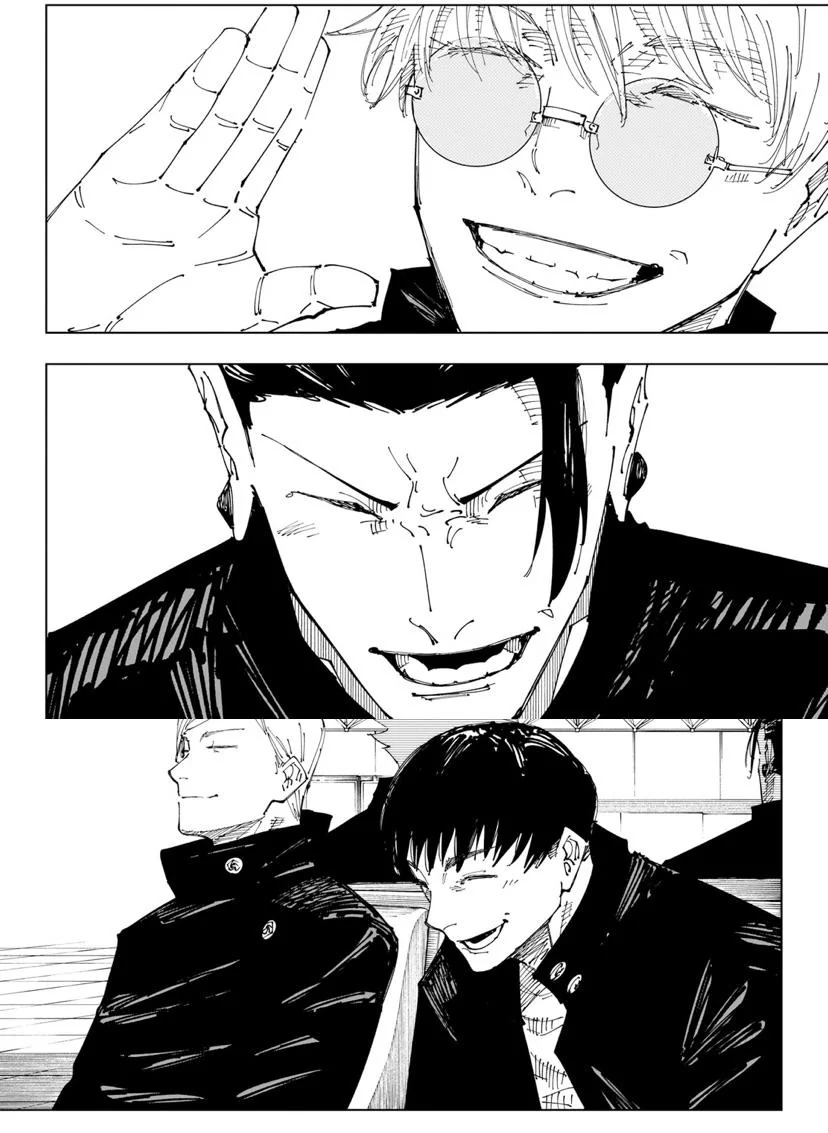
i really like the dagon/riko theory here, which claims that dagon might be riko due to a lot of overlapping symbolism, however i believe its highly likely, because if we are following the logic of "stay or reincarnate," riko would most likely come back due to loneliness
i really like the dagon/riko theory here, which claims that dagon might be riko due to a lot of overlapping symbolism, however i believe its highly likely, because if we are following the logic of "stay or reincarnate," riko would most likely come back due to loneliness

extra:
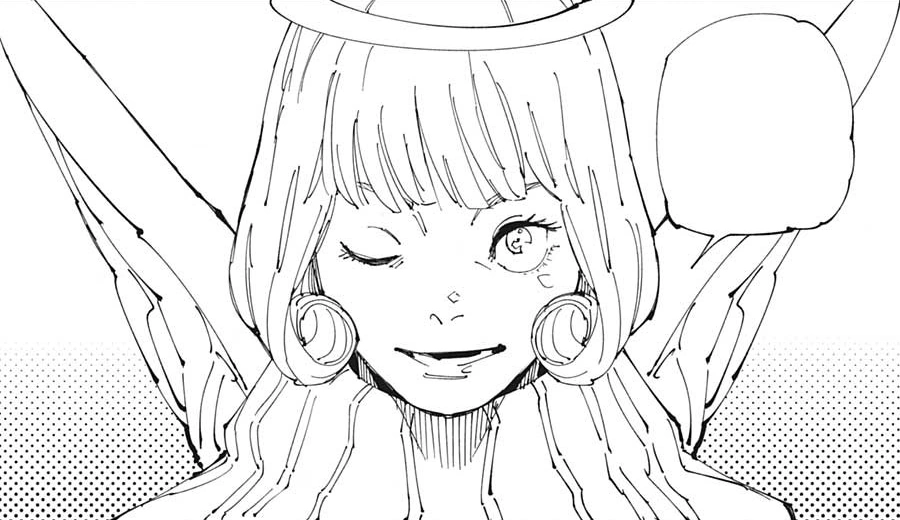
i dont think halos = good in jjk either, as angel is depicted to be very malicious and, according to the wiki, "aims to wipe out all other incarnated players."
(this is why i think toji has an halo)
i think the halo symbolizes otherness rather than goodness.
i dont think halos = good in jjk either, as angel is depicted to be very malicious and, according to the wiki, "aims to wipe out all other incarnated players."
(this is why i think toji has an halo)
i think the halo symbolizes otherness rather than goodness.

Generated by Thread Navigator
Press ⌘ + S to quick-export