After 8 days of war between Iran 🇮🇷 and the USA/Israel 🇺🇸🇮🇱, here is a new MAP UPDATE
In total, the US and Israel conducted around 4 500 strikes across Iran, while Iran retaliated with 3 500 vectors, including ~905 missiles.
🧵THREAD🧵1/24 ⬇️

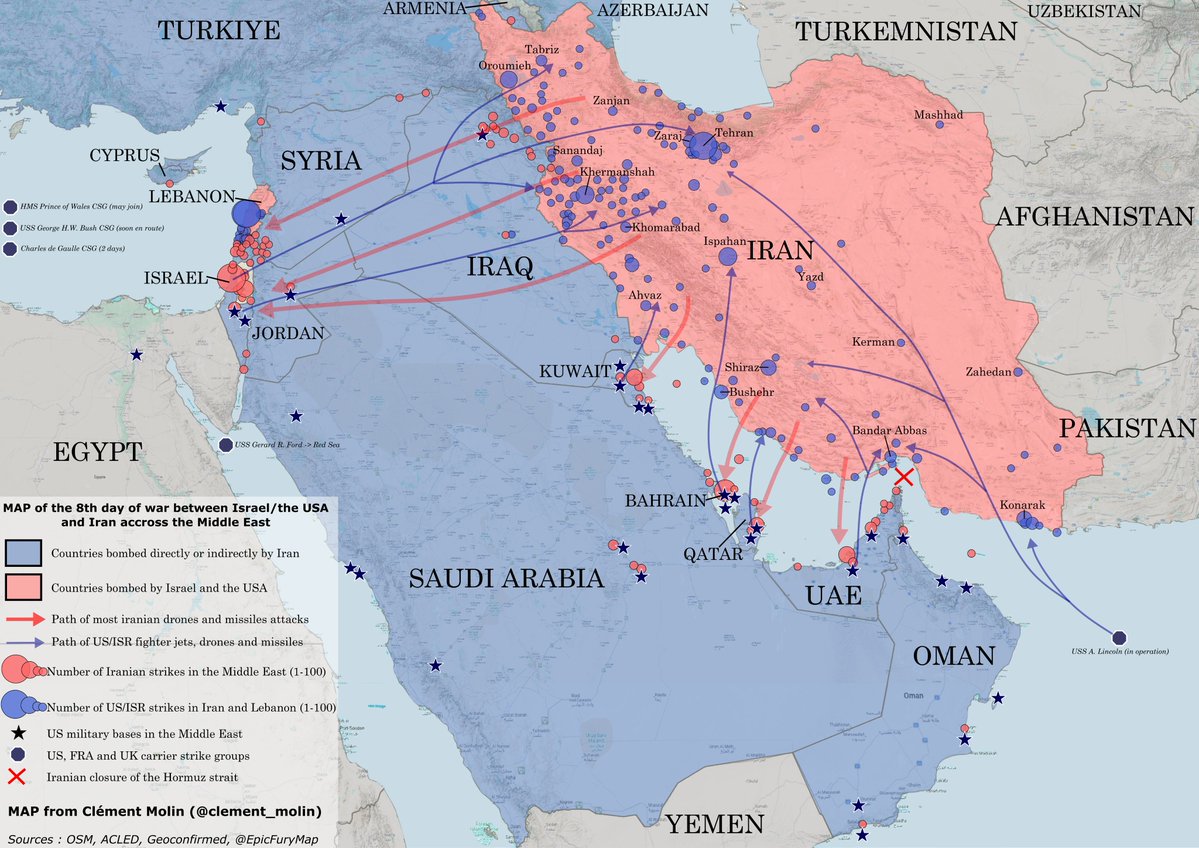
Despite facing significant challenges due to Israeli-American air supremacy over Iranian territory, Iranian retaliatory strikes continue across the Middle East, while the United States continues to accumulate damage to its bases.

After initial strikes that had few results (except in Bahrain and Kuwait), Iran used more precise missiles to strike four AN/TPY-2 (THAAD) radars, blinding the region's air defenses and limiting response time.
The massive consumption of Patriot missiles also raises concerns about a potential shortage.
The massive consumption of Patriot missiles also raises concerns about a potential shortage.
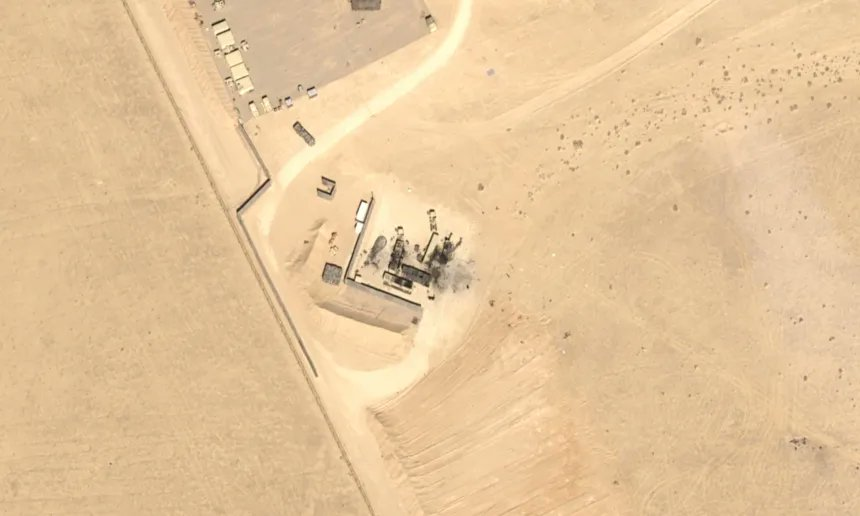
At the same time, the American-Israeli air and naval offensive continues at a relentless pace.
Most Iranian air bases have been obliterated, the Iranian navy has virtually disappeared, sunk in its ports or on the high seas, and the leadership has been profoundly impacted.
Most Iranian air bases have been obliterated, the Iranian navy has virtually disappeared, sunk in its ports or on the high seas, and the leadership has been profoundly impacted.

After a week of relentless bombing, it is very clear that the Israeli-American coalition has gained a nearly complete air control over Iran.
However, this does not necessarily mean that they are winning the war.
However, this does not necessarily mean that they are winning the war.
I've mapped here, using data from @ACLEDINFO and @EpicFuryMap, the hundreds of bombings that hit Iran. The strikes were generally very precise (except in Minab), and the results are impressive.
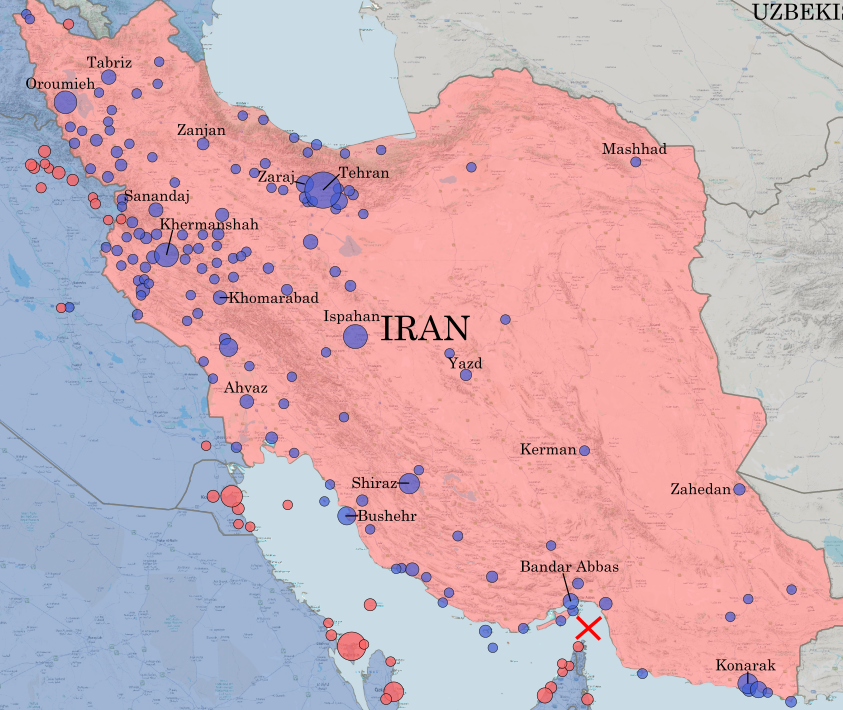
The Iranian armed forces can no longer rely on their naval and air forces, and their missile launchers and missiles are systematically targeted, complicating their retaliatory efforts.
But the territory is vast and mountainous, so the retaliatory strikes will continue.
From : @MarioLeb79
But the territory is vast and mountainous, so the retaliatory strikes will continue.
From : @MarioLeb79

The most important objective for the Iranian leadership is to create a situation conducive to ending the Israeli-American bombing campaign.
Closing the Strait of Hormuz is part of this objective, as are strikes on oil and gas installations in the Gulf.
Closing the Strait of Hormuz is part of this objective, as are strikes on oil and gas installations in the Gulf.

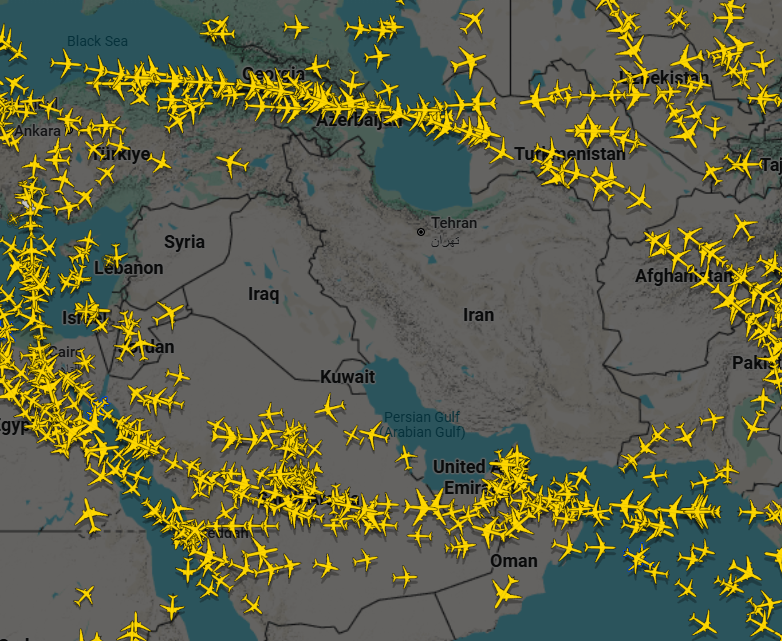
Iran will continue to target civilian airports (the attack in Azerbaijan was calculated to close the only direct air route between Europe and Asia).
American military bases and civilian ships in the Persian Gulf will continue to be targeted.
American military bases and civilian ships in the Persian Gulf will continue to be targeted.
Having survived a week of the operation aimed at overthrowing it, the Islamic Republic finds itself in a situation of no return.
By bombing the entire region and attacking water, oil, and economic infrastructure, Iran hopes to end the war economically.
By bombing the entire region and attacking water, oil, and economic infrastructure, Iran hopes to end the war economically.

For their part, the Americans and Israelis will continue the war as long as Iran retaliates, even hoping for the regime's eventual downfall.
They could be joined by countries in the region seeking revenge, such as Azerbaijan, Qatar, the United Arab Emirates, and Saudi Arabia.
They could be joined by countries in the region seeking revenge, such as Azerbaijan, Qatar, the United Arab Emirates, and Saudi Arabia.

VIDEO
What are the Americans aiming for in Iran?
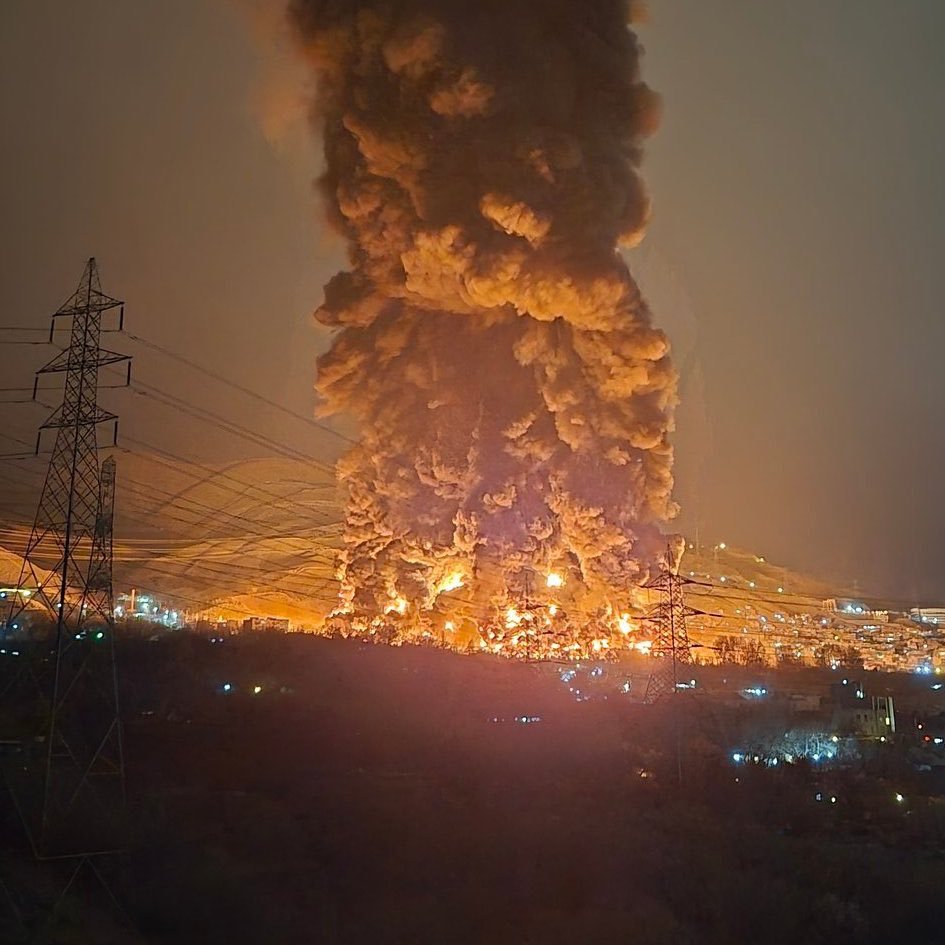
Tonight's strikes target all of the country's oil depots. In recent days, the bases of the Revolutionary Guard, military bases, and political and decision-making centers have been targeted.
Tonight's strikes target all of the country's oil depots. In recent days, the bases of the Revolutionary Guard, military bases, and political and decision-making centers have been targeted.

Several American and Israeli drones were shot down over Iran, confirming their increased use for monitoring movements.
Most of the air strikes took place in Tehran, as well as in the west and south of the country.
Most of the air strikes took place in Tehran, as well as in the west and south of the country.

The Iranian Kurdistan region is under continuous attack, as the Americans hope for a Kurdish armed insurgency that they would support to carry out the ground operations.
In response, Iran is intensely bombing Iraqi Kurdistan to prevent an offensive from that region.
In response, Iran is intensely bombing Iraqi Kurdistan to prevent an offensive from that region.

The main question of this war is wether the iranians, could they be the civilian population or armed ethnic minorities will be able to overthrow the regime.
With hundred of thousands of armed men, as well as strong support in multiple regions, the IRCG still retains power.
With hundred of thousands of armed men, as well as strong support in multiple regions, the IRCG still retains power.
The coming week will be crucial to know :
-If the US/Israel have enough munitions to continue the war
-If Iran will be able to continue their retaliatory strikes
-If an internal front/protest will start
-If the US/Israel have enough munitions to continue the war
-If Iran will be able to continue their retaliatory strikes
-If an internal front/protest will start
At the same time, the situation is getting critical for Middle Eastern countries.
The Gulf States have suffered the most serious setback in their history, a history built on oil wealth, trade, and stability. All are deeply affected by this episode.
The Gulf States have suffered the most serious setback in their history, a history built on oil wealth, trade, and stability. All are deeply affected by this episode.

On the other hand, the Americans still need to demonstrate their willingness to reopen the Strait of Hormuz.
The naval question is crucial because the coming global economic shock will have a significant impact in the years to come.
The naval question is crucial because the coming global economic shock will have a significant impact in the years to come.
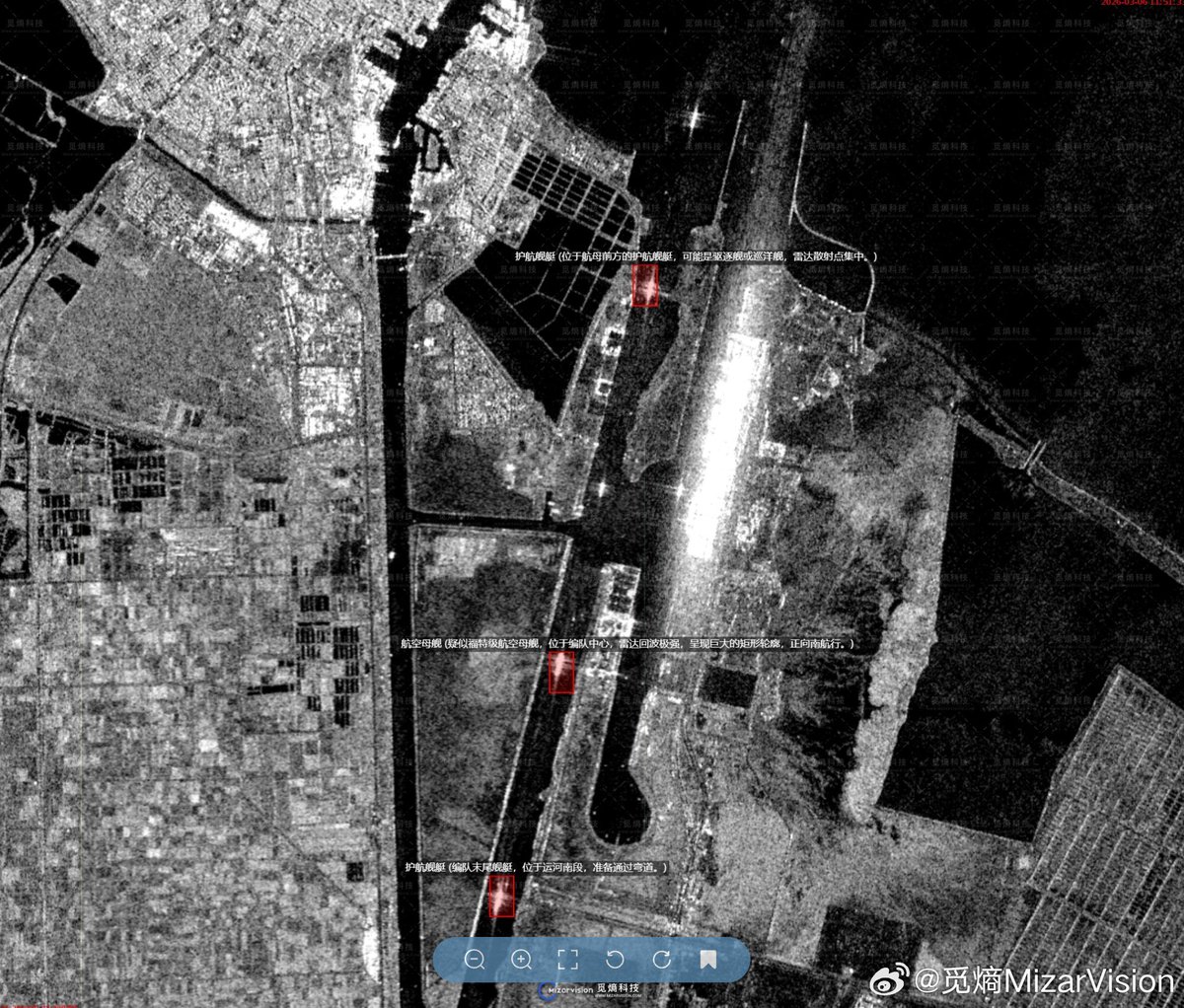
The American aircraft carrier Gerard R. Ford, which was positioned defensively in the eastern Mediterranean, has passed through the Suez Canal and is now heading towards the Gulf, where it will be tasked with reopening the oil route.
Its defensive role is being replaced by the French aircraft carrier Charles de Gaulle, which is arriving at full speed to protect the eastern flank of the EU, Cyprus, and its allies in the region.
The CSG is currently near Malta and will be on site in just over 24 hours.
The CSG is currently near Malta and will be on site in just over 24 hours.
Generated by Thread Navigator
Press ⌘ + S to quick-export