🚨 If I could only teach ONE concept to my 20-year-old self, it would be
"Asymmetric bet"
Elon Musk risked his entire fortune on it
Jeff Bezos built Amazon empire on it
Warren Buffett used it for 60 years
99% ignore it
Once you understand it, your life will never be same:🧵


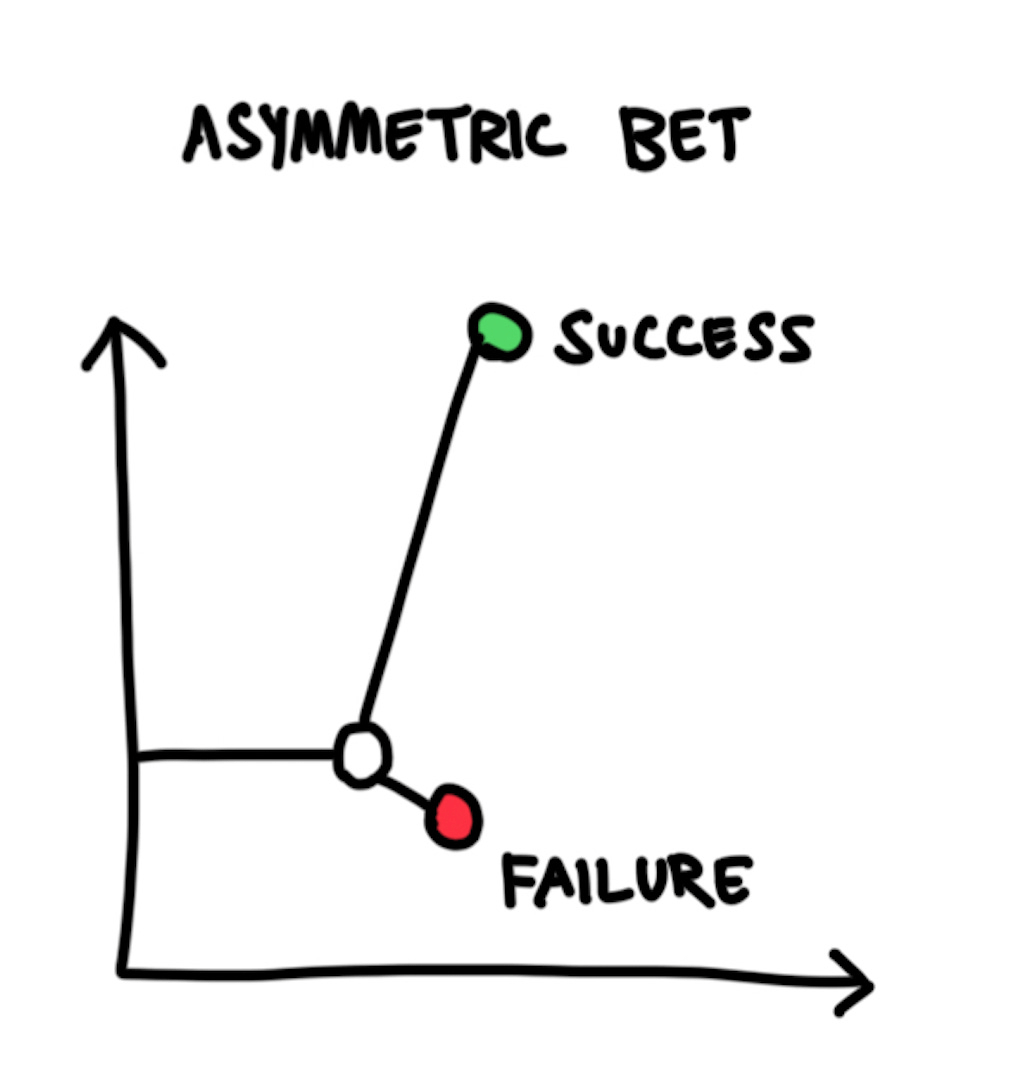
Asymmetry means this:
Your downside is small.
Your upside is massive.
You can lose 1…
But gain 100.
Most people chase certainty.
The wealthy chase asymmetric bets.
They don’t ask, “Is this safe?”
They ask, “Is the upside absurd compared to the risk?”
That question changes lives.
Your downside is small.
Your upside is massive.
You can lose 1…
But gain 100.
Most people chase certainty.
The wealthy chase asymmetric bets.
They don’t ask, “Is this safe?”
They ask, “Is the upside absurd compared to the risk?”
That question changes lives.

VIDEO
In 2008, Elon Musk was nearly broke.
Tesla was burning cash.
SpaceX rockets kept failing.
He split his last tens of millions between both.
One more failure and he’s done.
Fourth launch worked.
1.6 Billion dollar NASA contract followed.
Two companies survived.
One asymmetric bet rewrote history.
Tesla was burning cash.
SpaceX rockets kept failing.
He split his last tens of millions between both.
One more failure and he’s done.
Fourth launch worked.
1.6 Billion dollar NASA contract followed.
Two companies survived.
One asymmetric bet rewrote history.

VIDEO
Jeff Bezos saw asymmetry in 1994.
Internet usage was growing 2,300% a year.
If his online bookstore failed—he could get a job.
If it worked—it could dominate retail.
Low downside.
Unlimited upside.
So he left Wall Street.
And built Amazon from a garage.
That’s asymmetry in action.
Internet usage was growing 2,300% a year.
If his online bookstore failed—he could get a job.
If it worked—it could dominate retail.
Low downside.
Unlimited upside.
So he left Wall Street.
And built Amazon from a garage.
That’s asymmetry in action.

VIDEO
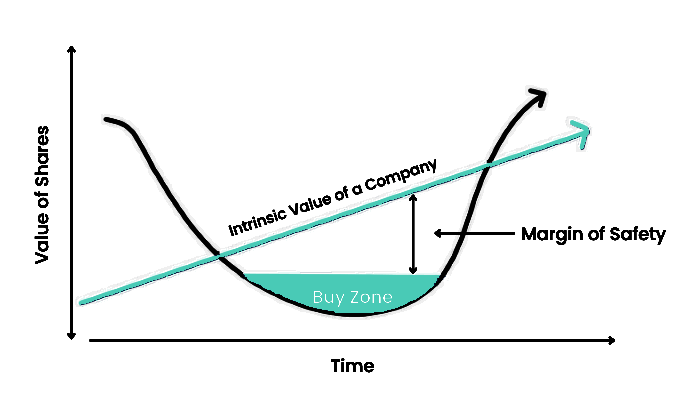
Warren Buffett doesn’t swing often.
But when he does, it’s asymmetric.
He looks for situations where:
• Downside is protected
• Upside compounds for decades
He’d rather miss 100 chances
than take one bad risk.
That discipline quietly built one of history’s largest fortunes.
But when he does, it’s asymmetric.
He looks for situations where:
• Downside is protected
• Upside compounds for decades
He’d rather miss 100 chances
than take one bad risk.
That discipline quietly built one of history’s largest fortunes.
Here’s what most people miss:
Asymmetry isn’t only about money.
It’s about decisions.
Careers.
Skills.
Relationships.
Habits.
Some actions cost little
but can change your entire trajectory.
Others feel safe
but slowly drain your life.
The difference is invisible at first.
Asymmetry isn’t only about money.
It’s about decisions.
Careers.
Skills.
Relationships.
Habits.
Some actions cost little
but can change your entire trajectory.
Others feel safe
but slowly drain your life.
The difference is invisible at first.

Example:
Posting online feels risky.
Low status.
Possible embarrassment.
Downside?
A few people judge you.
Upside?
Opportunities, network, income, audience.
One asymmetric action repeated daily can outgrow a stable job.
Yet most stay silent to “be safe.”
Posting online feels risky.
Low status.
Possible embarrassment.
Downside?
A few people judge you.
Upside?
Opportunities, network, income, audience.
One asymmetric action repeated daily can outgrow a stable job.
Yet most stay silent to “be safe.”

Gym for 1 hour daily:
Downside → sore muscles, time spent.
Upside → energy, confidence, health, longer life.
Reading 10 pages daily:
Downside → minutes lost.
Upside → new mental models for decades.
Small asymmetric habits quietly build extraordinary lives.
Downside → sore muscles, time spent.
Upside → energy, confidence, health, longer life.
Reading 10 pages daily:
Downside → minutes lost.
Upside → new mental models for decades.
Small asymmetric habits quietly build extraordinary lives.

But asymmetry cuts both ways.
Scrolling endlessly feels harmless.
Downside looks small.
But the hidden cost?
Attention decay.
Lost years.
Reduced focus.
Tiny negative bets repeated daily create massive long-term losses.
Not all risk looks like danger.
Some look like comfort.
Scrolling endlessly feels harmless.
Downside looks small.
But the hidden cost?
Attention decay.
Lost years.
Reduced focus.
Tiny negative bets repeated daily create massive long-term losses.
Not all risk looks like danger.
Some look like comfort.

The poor seek comfort.
The average seek certainty.
The exceptional seek asymmetric upside.
They tolerate small failures for disproportionate wins.
They know one right bet can erase 50 small losses.
This is how outlier lives are built without outlier luck.
The average seek certainty.
The exceptional seek asymmetric upside.
They tolerate small failures for disproportionate wins.
They know one right bet can erase 50 small losses.
This is how outlier lives are built without outlier luck.
Silicon Valley lives on this principle.
VCs expect most startups to fail.
They only need one Airbnb, Uber, or Google.
One winner returns the whole fund.
They don’t need perfection.
They need asymmetry.
Life works similarly—
if you design it that way.
VCs expect most startups to fail.
They only need one Airbnb, Uber, or Google.
One winner returns the whole fund.
They don’t need perfection.
They need asymmetry.
Life works similarly—
if you design it that way.

Asymmetry also explains regret.
People regret chances not taken
more than failures tried.
Because missed asymmetric bets
haunt longer.
You rarely regret a small loss.
You often regret the giant upside
you were too careful to chase.
People regret chances not taken
more than failures tried.
Because missed asymmetric bets
haunt longer.
You rarely regret a small loss.
You often regret the giant upside
you were too careful to chase.
Ask this daily:
“What’s the smallest action with the biggest possible upside?”
Send the message.
Start the project.
Share the idea.
Learn the skill.
Low cost.
High optionality.
This is how quiet decisions reshape entire futures.
“What’s the smallest action with the biggest possible upside?”
Send the message.
Start the project.
Share the idea.
Learn the skill.
Low cost.
High optionality.
This is how quiet decisions reshape entire futures.

Optionality is asymmetry’s cousin.
The more options you create, the more upside you invite.
Skills stack.
Networks stack.
Reputation stacks.
Each creates doors you can’t yet see.
Asymmetry favors those who stay in the game long enough.
The more options you create, the more upside you invite.
Skills stack.
Networks stack.
Reputation stacks.
Each creates doors you can’t yet see.
Asymmetry favors those who stay in the game long enough.

Most people want guarantees.
But guarantees cap upside.
A fixed salary has safety and a ceiling.
An ownership stake has risk and infinity.
The question isn’t risk vs safety.
It’s capped life vs asymmetric life.
Few dare to choose the second.
But guarantees cap upside.
A fixed salary has safety and a ceiling.
An ownership stake has risk and infinity.
The question isn’t risk vs safety.
It’s capped life vs asymmetric life.
Few dare to choose the second.
The irony?
Playing “safe” is often the riskiest path.
Inflation erodes savings.
Skills become obsolete.
Industries shift.
Comfort today
can be vulnerability tomorrow.
Asymmetry isn’t gambling.
It’s intelligent exposure to upside.
Playing “safe” is often the riskiest path.
Inflation erodes savings.
Skills become obsolete.
Industries shift.
Comfort today
can be vulnerability tomorrow.
Asymmetry isn’t gambling.
It’s intelligent exposure to upside.
You don’t need to bet everything.
Musk did because he had conviction.
You just need repeated small asymmetric bets.
Think experiments, not gambles.
Test.
Learn.
Adjust.
Over time, one hits.
That one can change your zip code, income, and identity.
Musk did because he had conviction.
You just need repeated small asymmetric bets.
Think experiments, not gambles.
Test.
Learn.
Adjust.
Over time, one hits.
That one can change your zip code, income, and identity.

If this shifted how you see risk, good.
Because your life is the sum of asymmetric bets you took or avoided.
If you want to reprogram your mind, to spot and act on them—
Get my ebook:
“Escape The Mental Matrix”
It’s your first asymmetric move.
thedarshakrana.gumroad.com/l/escapethemat…
Because your life is the sum of asymmetric bets you took or avoided.
If you want to reprogram your mind, to spot and act on them—
Get my ebook:
“Escape The Mental Matrix”
It’s your first asymmetric move.
thedarshakrana.gumroad.com/l/escapethemat…
Repost if you gained anything from this thread.
Follow me @thedarshakrana for more
(P.S. I like Chocolate Chip Cookies 🍪)
Follow me @thedarshakrana for more
(P.S. I like Chocolate Chip Cookies 🍪)
View Tweet
Generated by Thread Navigator
Press ⌘ + S to quick-export