Did Jesus Historically Claim To Be God? 📚 A Thread 🧵
#christianity #bible #biblicalstudies #jesus

Context (1/2)📚
To be clear, I am not arguing for or against anyone's beliefs and this thread is not to be taken with bad intentions. I wanted to expand on Prof. Dale Allison's interview, where he explains how Jesus never claimed to be God.
Now, he is a Christian. So people often wonder, "how can he be a Christian and still believe Jesus didn't claim to be God?" I will also answer that.
I will also explain why the consensus of modern scholars today is that Jesus did not historically claim to be God in any sense. It should be noted that in the comments of this twitter post, by @JohnathanBi, people kept citing irrelevant evidence trying to dispute what Dale Allison was saying.
To be clear, I am not arguing for or against anyone's beliefs and this thread is not to be taken with bad intentions. I wanted to expand on Prof. Dale Allison's interview, where he explains how Jesus never claimed to be God.
Now, he is a Christian. So people often wonder, "how can he be a Christian and still believe Jesus didn't claim to be God?" I will also answer that.
I will also explain why the consensus of modern scholars today is that Jesus did not historically claim to be God in any sense. It should be noted that in the comments of this twitter post, by @JohnathanBi, people kept citing irrelevant evidence trying to dispute what Dale Allison was saying.
View Tweet
Context (2/2) 📚
For example, many people simply spammed irrelevant verses trying to argue that it is evidence for Jesus historically claiming to be God. I will be using this thread as a mega-thread to dispel any form of misinformation that doesn't discredit biblical studies in any form. My goal is to show the accurate side of things, and not expand any misinformation when added.
For example, many people simply spammed irrelevant verses trying to argue that it is evidence for Jesus historically claiming to be God. I will be using this thread as a mega-thread to dispel any form of misinformation that doesn't discredit biblical studies in any form. My goal is to show the accurate side of things, and not expand any misinformation when added.
Common Arguments 📚
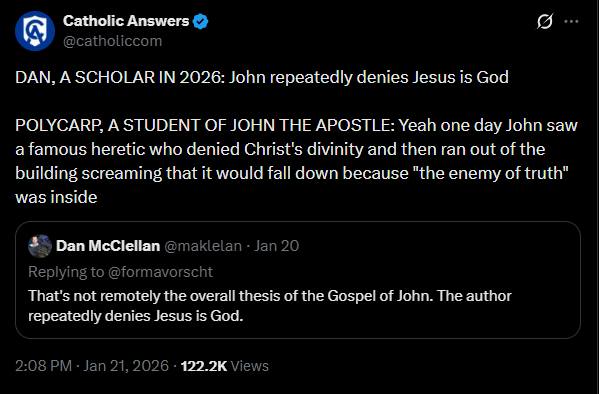
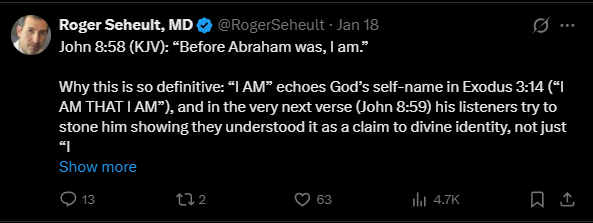
Consistently, people will use verses like John 1:1, John 10:30, John 8:58 as evidence that Jesus claimed to be God.
There are other verses in Revelation, Matthew, and other letters that I will also talk about.
Consistently, people will use verses like John 1:1, John 10:30, John 8:58 as evidence that Jesus claimed to be God.
There are other verses in Revelation, Matthew, and other letters that I will also talk about.
What do scholars believe?📚
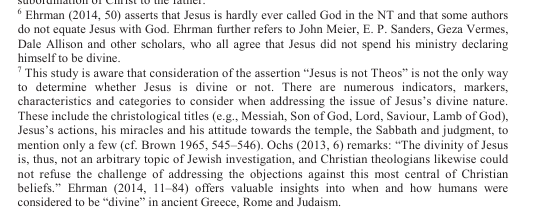
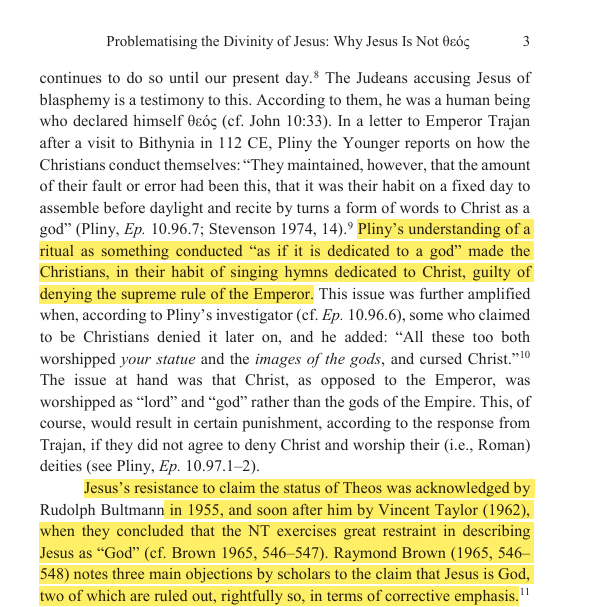
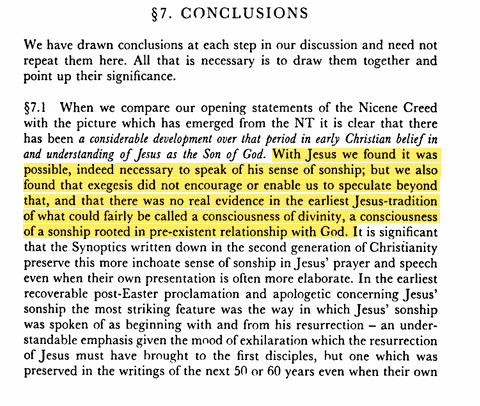
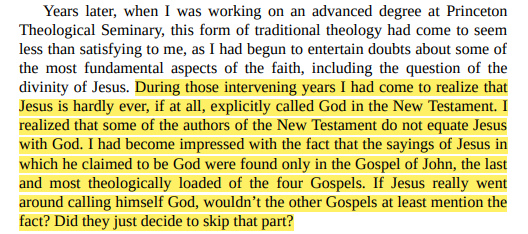
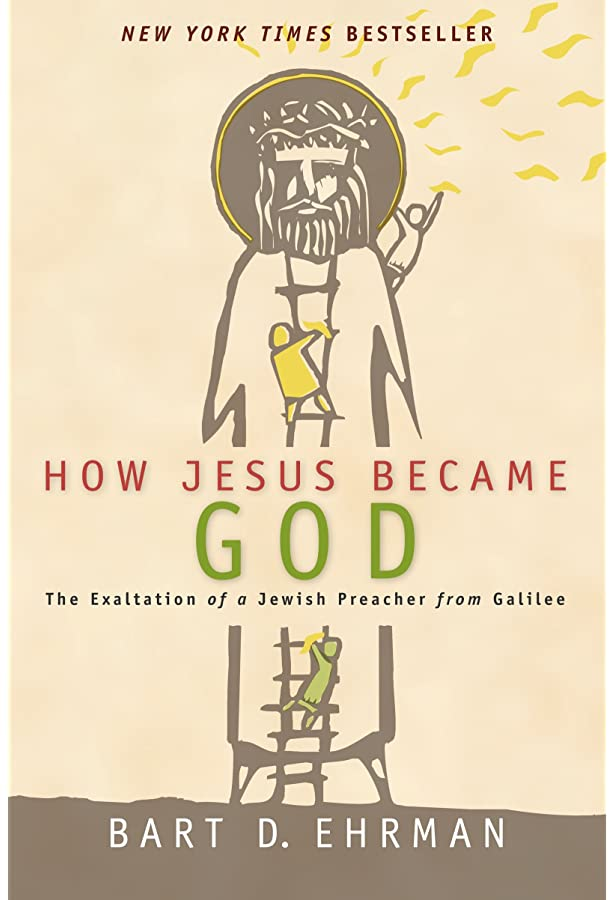
Ehrman (2014, 50) asserts that Jesus is hardly ever called God in the NT and that some authors do not equate Jesus with God. Ehrman further refers to John Meier, E. P. Sanders, Geza Vermes, Dale Allison and other scholars, who all agree that Jesus did not spend his ministry declaring himself to be divine. Scholars like Cullmann (in 1955) and Vincent Taylor (in 1962) concluded that the New Testament exercises great restraint in describing Jesus as Theos.
Ehrman (2014, 50) asserts that Jesus is hardly ever called God in the NT and that some authors do not equate Jesus with God. Ehrman further refers to John Meier, E. P. Sanders, Geza Vermes, Dale Allison and other scholars, who all agree that Jesus did not spend his ministry declaring himself to be divine. Scholars like Cullmann (in 1955) and Vincent Taylor (in 1962) concluded that the New Testament exercises great restraint in describing Jesus as Theos.
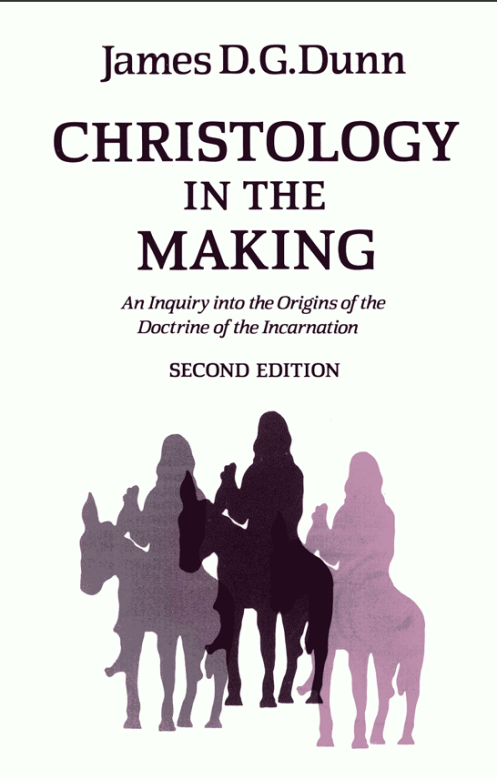
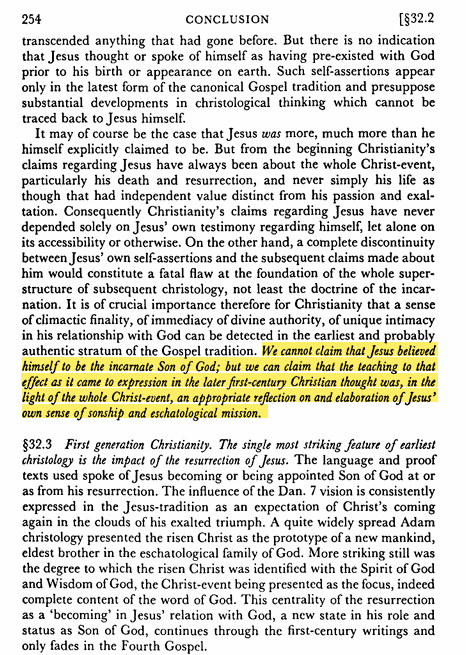
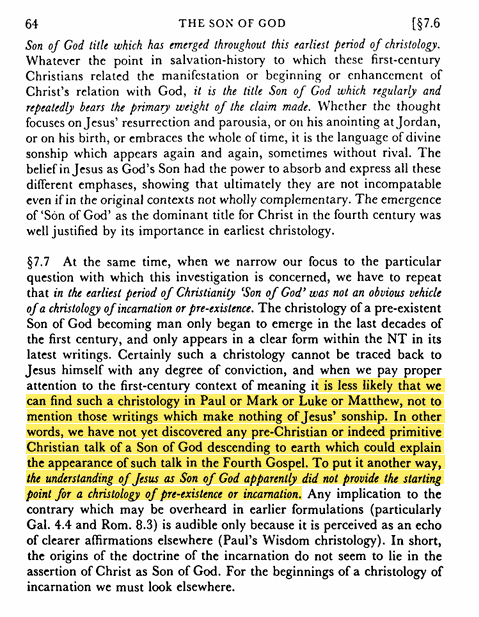
From James D.G. Dunn:
"We cannot claim that Jesus believed himself to be the incarnate Son of God."
"Only in the Fourth Gospel can we speak of a doctrine of the incarnation."
Matt. 11.27 also does not mean Jesus is God and should be interpreted as Jesus representing Israel in the last days rather than as Wisdom.
"We cannot claim that Jesus believed himself to be the incarnate Son of God."
"Only in the Fourth Gospel can we speak of a doctrine of the incarnation."
Matt. 11.27 also does not mean Jesus is God and should be interpreted as Jesus representing Israel in the last days rather than as Wisdom.
John 1.1 as evidence of Jesus claiming to be God? (1/2)📚
For context about the gospel of John:
- (1) It is not authored by an eyewitness.
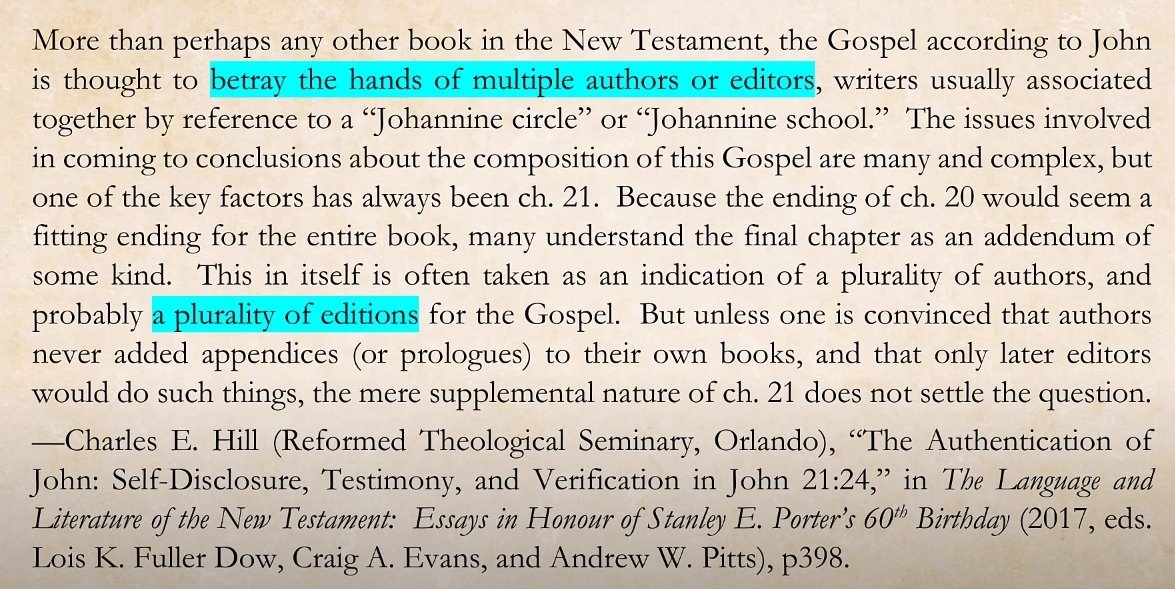
- (2) It was likely composed of multiple authors redacting and composing in stages.
- (3) It was likely composed 50+ years or more after Jesus' death.
- (4) The gospel also may rely on earlier gospels, which makes no sense for an eyewitness.
I will be making another thread on the authorship of gJohn later.
This claim never made sense to me because it is one of the author(s) of gJohn claiming this, not Jesus. The author also cannot be the same author as the rest of the gospel.
For example, the prologue (John 1.1-18) is often said to be a different author than the rest of the gospel. ehrmanblog.org/the-christ-poe…
For context about the gospel of John:
- (1) It is not authored by an eyewitness.
- (2) It was likely composed of multiple authors redacting and composing in stages.
- (3) It was likely composed 50+ years or more after Jesus' death.
- (4) The gospel also may rely on earlier gospels, which makes no sense for an eyewitness.
I will be making another thread on the authorship of gJohn later.
This claim never made sense to me because it is one of the author(s) of gJohn claiming this, not Jesus. The author also cannot be the same author as the rest of the gospel.
For example, the prologue (John 1.1-18) is often said to be a different author than the rest of the gospel. ehrmanblog.org/the-christ-poe…
John 1.1 as evidence of Jesus claiming to be God? (2/2)📚
Furthermore, John 1:1-2 might not refer to preexistence in a straightforward or exclusively temporal sense:
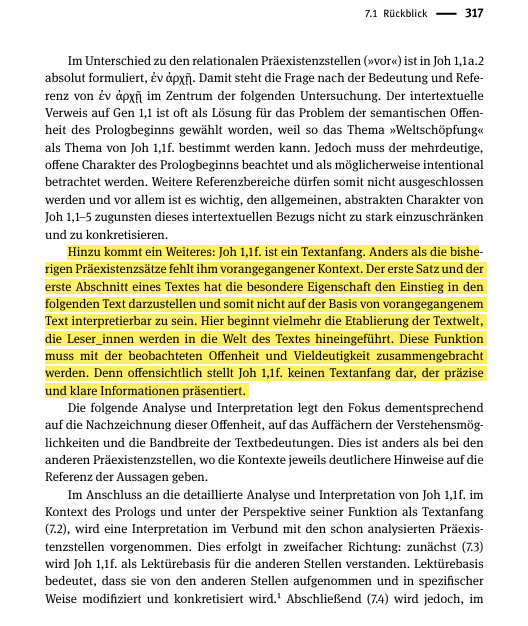
- John 1:1-2 uses the phrase "en archē ēn" ("in the beginning was") to describe the Logos. Unlike other preexistence statements iJohn 1:1-2 uses the phrase "en archē ēn" ("in the beginning was") to describe the Logos. Unlike other preexistence statements in John's Gospel, such as John 1:15, 1:30, 6:62, 8:58, and 17:5, 17:24, it lacks a temporal relational determination to a second entity (e.g., "before John," "before Abraham," "before the world").n John's Gospel, such as John 1:15, 1:30, 6:62, 8:58, and 17:5, 17:24, it lacks a temporal relational determination to a second entity (e.g., "before John," "before Abraham," "before the world").
they only become an unambiguous statement of pre-worldly preexistence when read in light of later passages, particularly John 17:5 and 17:24.
Rudolf Bultmann contends that the preexistence statements in John, including those in the Prologue (John 1:1-2), are "not meant literally" (Bultmann, Theologie, 303 f.). Jürgen Habermann, in his 1990 dissertation, suggests that the Evangelist, when processing a pre-Johannine hymn for the Prologue (John 1:1-18), "lessened the significance of preexistence" (Habermann, Präexistenzaussagen, 405). Wilhelm Thüsing (in his 1999 work) strongly argues that preexistence, particularly in John's Gospel, should "in no case be understood as a 'time line'" and dismisses a chronological understanding as "illegitimate mythology" (Thüsing, Theologien, 290). Werner H. Kelber proposes that the Prologue, by beginning with archē, aims to "engineer his decentering from arché" (Kelber, »Birth of a Beginning«, 131).
But for the sake of argument, even if it is a preexistent reading, it still does not follow given that it is not a saying of Jesus.
Furthermore, John 1:1-2 might not refer to preexistence in a straightforward or exclusively temporal sense:
- John 1:1-2 uses the phrase "en archē ēn" ("in the beginning was") to describe the Logos. Unlike other preexistence statements iJohn 1:1-2 uses the phrase "en archē ēn" ("in the beginning was") to describe the Logos. Unlike other preexistence statements in John's Gospel, such as John 1:15, 1:30, 6:62, 8:58, and 17:5, 17:24, it lacks a temporal relational determination to a second entity (e.g., "before John," "before Abraham," "before the world").n John's Gospel, such as John 1:15, 1:30, 6:62, 8:58, and 17:5, 17:24, it lacks a temporal relational determination to a second entity (e.g., "before John," "before Abraham," "before the world").
they only become an unambiguous statement of pre-worldly preexistence when read in light of later passages, particularly John 17:5 and 17:24.
Rudolf Bultmann contends that the preexistence statements in John, including those in the Prologue (John 1:1-2), are "not meant literally" (Bultmann, Theologie, 303 f.). Jürgen Habermann, in his 1990 dissertation, suggests that the Evangelist, when processing a pre-Johannine hymn for the Prologue (John 1:1-18), "lessened the significance of preexistence" (Habermann, Präexistenzaussagen, 405). Wilhelm Thüsing (in his 1999 work) strongly argues that preexistence, particularly in John's Gospel, should "in no case be understood as a 'time line'" and dismisses a chronological understanding as "illegitimate mythology" (Thüsing, Theologien, 290). Werner H. Kelber proposes that the Prologue, by beginning with archē, aims to "engineer his decentering from arché" (Kelber, »Birth of a Beginning«, 131).
But for the sake of argument, even if it is a preexistent reading, it still does not follow given that it is not a saying of Jesus.


John 8:58?📚 (1/2)
This verse does claim that Jesus is God, but Jesus never historically said this. The reasons being:
- (p1) assuming that the gospel of john is the latest gospel, after gMark, gMatthew, and gLuke. This is generally what both modern and even traditional Christians believe in. See Martinus C. de Boer in his 2025 volume on John 1-6 dates the final canonical form ("GJohn = 1:1–21:25, minus 5:4 and 7:53–8:11 which are later scribal additions", pg. 1, note 1) to c. 100 CE.
- (1) The Synoptic Gospels contain a strong apocalyptic message, whereas the Gospel of John does not. Apocalypticism appears to be an early element of Jesus’ message and of our earliest sources; consequently, its absence in John further undermines the historical reliability of that tradition.
- (2) Those same sayings (e.g., John 8:58; John 10:30) are entirely absent from the Synoptic Gospels, where one would reasonably expect their inclusion had they been known. The lack of any equivalent or closely parallel saying in sources earlier than the Gospel of John strongly suggests that these statements are later theological constructions rather than historical reminiscences.
- (3) From The Five Gospels (Funk, Hoover, 1993, Harper Collins): "John 8:58: ranked as not going back to Jesus. They mention that Christian dialogue around Abraham is part of Christian community's attempt to "establish its claims over against the Jewish community, which continued to claim a privileged relationship to God based on the Hebrew scriptures."
- (4) These sayings fail the the major criteria, as outlined by Dale Martin, used to determine if something was likely historical (youtu.be/d_dOhg-Fpu0?si…): multiple attestation, dissimilarity, social coherence, coherence with other criteria.
- (5) The passage itself contains no Synoptic features, it is completely Greek with distinctively Johannine language and theology. There's also absence of parables and aphorisms. Rather than being embarrassing or counterproductive, John 8:58 serves a clear theological and apologetic function: it explains why Jesus was rejected and legitimizes worship of him as divine within the Johannine community.
This verse does claim that Jesus is God, but Jesus never historically said this. The reasons being:
- (p1) assuming that the gospel of john is the latest gospel, after gMark, gMatthew, and gLuke. This is generally what both modern and even traditional Christians believe in. See Martinus C. de Boer in his 2025 volume on John 1-6 dates the final canonical form ("GJohn = 1:1–21:25, minus 5:4 and 7:53–8:11 which are later scribal additions", pg. 1, note 1) to c. 100 CE.
- (1) The Synoptic Gospels contain a strong apocalyptic message, whereas the Gospel of John does not. Apocalypticism appears to be an early element of Jesus’ message and of our earliest sources; consequently, its absence in John further undermines the historical reliability of that tradition.
- (2) Those same sayings (e.g., John 8:58; John 10:30) are entirely absent from the Synoptic Gospels, where one would reasonably expect their inclusion had they been known. The lack of any equivalent or closely parallel saying in sources earlier than the Gospel of John strongly suggests that these statements are later theological constructions rather than historical reminiscences.
- (3) From The Five Gospels (Funk, Hoover, 1993, Harper Collins): "John 8:58: ranked as not going back to Jesus. They mention that Christian dialogue around Abraham is part of Christian community's attempt to "establish its claims over against the Jewish community, which continued to claim a privileged relationship to God based on the Hebrew scriptures."
- (4) These sayings fail the the major criteria, as outlined by Dale Martin, used to determine if something was likely historical (youtu.be/d_dOhg-Fpu0?si…): multiple attestation, dissimilarity, social coherence, coherence with other criteria.
- (5) The passage itself contains no Synoptic features, it is completely Greek with distinctively Johannine language and theology. There's also absence of parables and aphorisms. Rather than being embarrassing or counterproductive, John 8:58 serves a clear theological and apologetic function: it explains why Jesus was rejected and legitimizes worship of him as divine within the Johannine community.
Why is John’s Gospel so problematic? From Prof. Crossley/Myles 📚
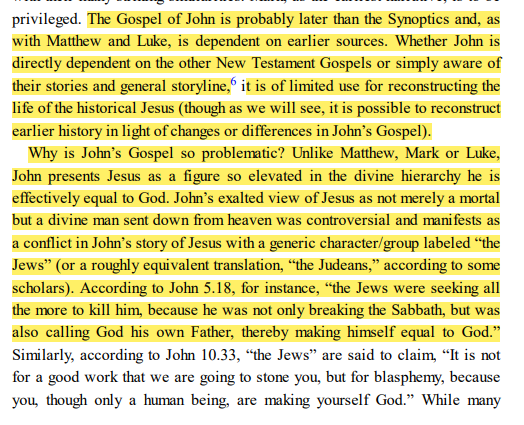
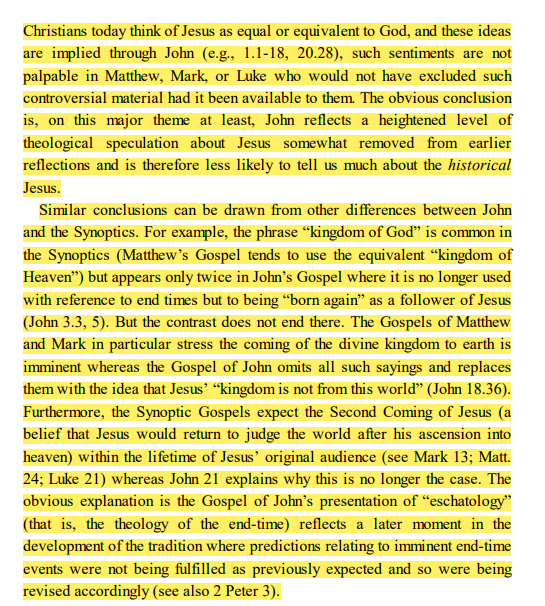
The gospel of John differs greatly from the Synoptics (Mark, Matthew, Luke) and scholars consider it to be mainly unhistorical. The gospel of John is of limited use for the historical Jesus and scholars don't really use it (Prof. Crossley and Prof. Myles):
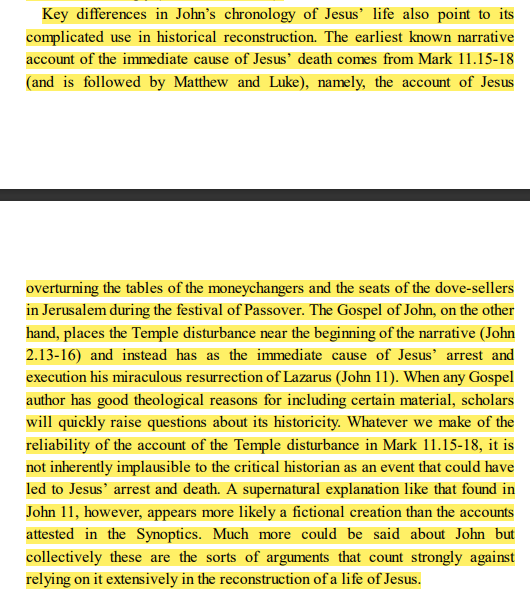
- Unlike Matthew, Mark or Luke, John presents Jesus as a figure so elevated in the divine hierarchy he is effectively equal to God. John’s exalted view of Jesus as not merely a mortal but a divine man sent down from heaven was controversial and manifests as a conflict in John’s story of Jesus with a generic character/group labeled “the Jews” (or a roughly equivalent translation, “the Judeans,” according to some scholars). According to John 5.18, for instance, “the Jews were seeking all the more to kill him, because he was not only breaking the Sabbath, but was also calling God his own Father, thereby making himself equal to God.” Similarly, according to John 10.33, “the Jews” are said to claim, “It is not for a good work that we are going to stone you, but for blasphemy, because you, though only a human being, are making yourself God.” While many Christians today think of Jesus as equal or equivalent to God, and these ideas are implied through John (e.g., 1.1-18, 20.28), such sentiments are not palpable in Matthew, Mark, or Luke who would not have excluded such controversial material had it been available to them. The obvious conclusion is, on this major theme at least, John reflects a heightened level of theological speculation about Jesus somewhat removed from earlier reflections and is therefore less likely to tell us much about the historical Jesus. Similar conclusions can be drawn from other differences between John and the Synoptics. For example, the phrase “kingdom of God” is common in the Synoptics (Matthew’s Gospel tends to use the equivalent “kingdom of Heaven”) but appears only twice in John’s Gospel where it is no longer used with reference to end times but to being “born again” as a follower of Jesus (John 3.3, 5). But the contrast does not end there. The Gospels of Matthew and Mark in particular stress the coming of the divine kingdom to earth is imminent whereas the Gospel of John omits all such sayings and replaces them with the idea that Jesus’ “kingdom is not from this world” (John 18.36). Furthermore, the Synoptic Gospels expect the Second Coming of Jesus (a belief that Jesus would return to judge the world after his ascension into heaven) within the lifetime of Jesus’ original audience (see Mark 13; Matt. 24; Luke 21) whereas John 21 explains why this is no longer the case. The obvious explanation is the Gospel of John’s presentation of “eschatology” (that is, the theology of the end-time) reflects a later moment in the development of the tradition where predictions relating to imminent end-time events were not being fulfilled as previously expected and so were being revised accordingly (see also 2 Peter 3). Key differences in John’s chronology of Jesus’ life also point to its complicated use in historical reconstruction. The earliest known narrative account of the immediate cause of Jesus’ death comes from Mark 11.15-18 (and is followed by Matthew and Luke), namely, the account of Jesus overturning the tables of the moneychangers and the seats of the dove-sellers in Jerusalem during the festival of Passover. The Gospel of John, on the other hand, places the Temple disturbance near the beginning of the narrative (John 2.13-16) and instead has as the immediate cause of Jesus’ arrest and execution his miraculous resurrection of Lazarus (John 11). When any Gospel author has good theological reasons for including certain material, scholars will quickly raise questions about its historicity. Whatever we make of the reliability of the account of the Temple disturbance in Mark 11.15-18, it is not inherently implausible to the critical historian as an event that could have led to Jesus’ arrest and death. A supernatural explanation like that found in John 11, however, appears more likely a fictional creation than the accounts attested in the Synoptics. Much more could be said about John but collectively these are the sorts of arguments that count strongly against relying on it extensively in the reconstruction of a life of Jesus.
The gospel of John differs greatly from the Synoptics (Mark, Matthew, Luke) and scholars consider it to be mainly unhistorical. The gospel of John is of limited use for the historical Jesus and scholars don't really use it (Prof. Crossley and Prof. Myles):
- Unlike Matthew, Mark or Luke, John presents Jesus as a figure so elevated in the divine hierarchy he is effectively equal to God. John’s exalted view of Jesus as not merely a mortal but a divine man sent down from heaven was controversial and manifests as a conflict in John’s story of Jesus with a generic character/group labeled “the Jews” (or a roughly equivalent translation, “the Judeans,” according to some scholars). According to John 5.18, for instance, “the Jews were seeking all the more to kill him, because he was not only breaking the Sabbath, but was also calling God his own Father, thereby making himself equal to God.” Similarly, according to John 10.33, “the Jews” are said to claim, “It is not for a good work that we are going to stone you, but for blasphemy, because you, though only a human being, are making yourself God.” While many Christians today think of Jesus as equal or equivalent to God, and these ideas are implied through John (e.g., 1.1-18, 20.28), such sentiments are not palpable in Matthew, Mark, or Luke who would not have excluded such controversial material had it been available to them. The obvious conclusion is, on this major theme at least, John reflects a heightened level of theological speculation about Jesus somewhat removed from earlier reflections and is therefore less likely to tell us much about the historical Jesus. Similar conclusions can be drawn from other differences between John and the Synoptics. For example, the phrase “kingdom of God” is common in the Synoptics (Matthew’s Gospel tends to use the equivalent “kingdom of Heaven”) but appears only twice in John’s Gospel where it is no longer used with reference to end times but to being “born again” as a follower of Jesus (John 3.3, 5). But the contrast does not end there. The Gospels of Matthew and Mark in particular stress the coming of the divine kingdom to earth is imminent whereas the Gospel of John omits all such sayings and replaces them with the idea that Jesus’ “kingdom is not from this world” (John 18.36). Furthermore, the Synoptic Gospels expect the Second Coming of Jesus (a belief that Jesus would return to judge the world after his ascension into heaven) within the lifetime of Jesus’ original audience (see Mark 13; Matt. 24; Luke 21) whereas John 21 explains why this is no longer the case. The obvious explanation is the Gospel of John’s presentation of “eschatology” (that is, the theology of the end-time) reflects a later moment in the development of the tradition where predictions relating to imminent end-time events were not being fulfilled as previously expected and so were being revised accordingly (see also 2 Peter 3). Key differences in John’s chronology of Jesus’ life also point to its complicated use in historical reconstruction. The earliest known narrative account of the immediate cause of Jesus’ death comes from Mark 11.15-18 (and is followed by Matthew and Luke), namely, the account of Jesus overturning the tables of the moneychangers and the seats of the dove-sellers in Jerusalem during the festival of Passover. The Gospel of John, on the other hand, places the Temple disturbance near the beginning of the narrative (John 2.13-16) and instead has as the immediate cause of Jesus’ arrest and execution his miraculous resurrection of Lazarus (John 11). When any Gospel author has good theological reasons for including certain material, scholars will quickly raise questions about its historicity. Whatever we make of the reliability of the account of the Temple disturbance in Mark 11.15-18, it is not inherently implausible to the critical historian as an event that could have led to Jesus’ arrest and death. A supernatural explanation like that found in John 11, however, appears more likely a fictional creation than the accounts attested in the Synoptics. Much more could be said about John but collectively these are the sorts of arguments that count strongly against relying on it extensively in the reconstruction of a life of Jesus.
Gospel of John is Theological; Not Historical📚
The Fourth Gospel, compared with the Synoptic Gospels, has been viewed as theologically composed rather than historically oriented (W. F. Albright, From the Stone Age to Christianity, 2nd ed. (Baltimore: The John Hopkins Press, 1946), pp. 298-300; C. H. Dodd, Interpreta tion of the Fourth Gospel (Camb. Univ. Press, 1958), Appendix, "Some Considerations upon the historical aspect of the Fourth Gospel," pp. 444-453; Historical Tradition in the Fourth Gospel (Camb. Univ. Press, 1963); E. C. Hoskyns, The Fourth Gospel, ed. by F. N. Davey (London: Faber & Faber, 1940; 2nd rev. ed., 1947), espec. chs. 4, 7, & 8; A. J. B. Higgins, The Historicity of the Fourth Gospel (Toronto: Ryerson Press, 1960); M. F. Wiles, The Spiritual Gospel (Camb. Univ. Press, 1960), Ch. 3, "Historicity and Symbolism"; Raymond Brown, The Gospel According to John (i-xii), The Anchor Bible (N.Y.: Double day, 1966), ch. III).
The Fourth Gospel, compared with the Synoptic Gospels, has been viewed as theologically composed rather than historically oriented (W. F. Albright, From the Stone Age to Christianity, 2nd ed. (Baltimore: The John Hopkins Press, 1946), pp. 298-300; C. H. Dodd, Interpreta tion of the Fourth Gospel (Camb. Univ. Press, 1958), Appendix, "Some Considerations upon the historical aspect of the Fourth Gospel," pp. 444-453; Historical Tradition in the Fourth Gospel (Camb. Univ. Press, 1963); E. C. Hoskyns, The Fourth Gospel, ed. by F. N. Davey (London: Faber & Faber, 1940; 2nd rev. ed., 1947), espec. chs. 4, 7, & 8; A. J. B. Higgins, The Historicity of the Fourth Gospel (Toronto: Ryerson Press, 1960); M. F. Wiles, The Spiritual Gospel (Camb. Univ. Press, 1960), Ch. 3, "Historicity and Symbolism"; Raymond Brown, The Gospel According to John (i-xii), The Anchor Bible (N.Y.: Double day, 1966), ch. III).


John 10:30? (1/2)📚
Same with the reasons as John 8:58 -
- (1) From The Five Gospels (Funk, Hoover, 1993, Harper Collins): "John 10:30: ranked as not going back to Jesus, due to the "voice" and having no common ground with the aphorisms and parables of Jesus found in the synoptics".
- (2) No parallel in the Synoptics, etc
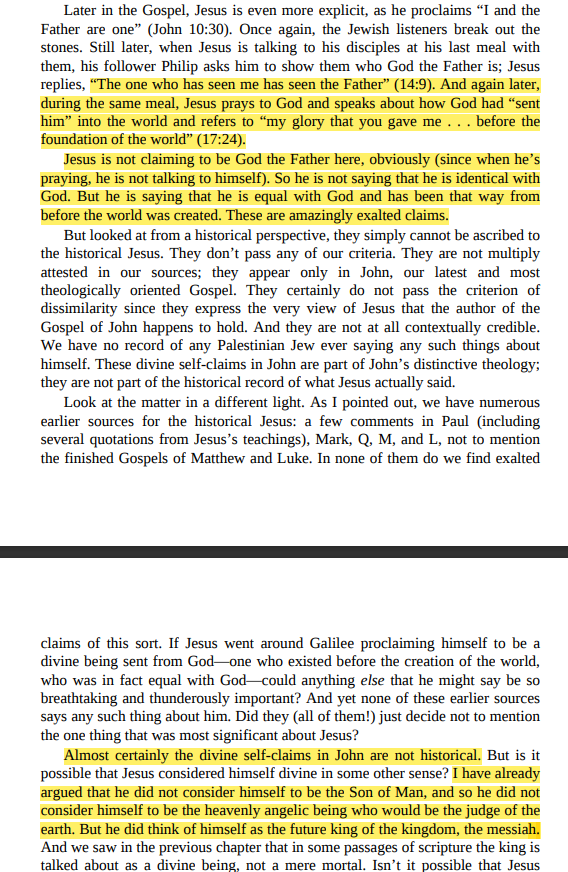
"I and the Father are one" (John 10:30) and "The one who has seen me has seen the Father" (John 14:9) are two very explicit statements about Jesus' divinity that are recorded in the Gospel of John. The author argues that these assertions lack historical veracity because they are only found in John, the most recent and theologically oriented Gospel, and are not multiplely attested in our sources. They also fail to meet the standard of dissimilarity because they represent the very conception of Jesus held by the author of John. Additionally, there is no evidence that any Palestinian Jew ever said such things about himself, so they are not contextually believable. The author suggests that these divine self-claims in John are not part of the historical record of what Jesus actually said but rather part of the author's distinctive theology. The author also suggests that Jesus thought of himself as the messiah, the future king of the kingdom, and considered himself divine.
"They don’t pass any of our criteria. They are not multiply attested in our sources; they appear only in John, our latest and most theologically oriented Gospel. They certainly do not pass the criterion of dissimilarity since they express the very view of Jesus that the author of the Gospel of John happens to hold. And they are not at all contextually credible. We have no record of any Palestinian Jew ever saying any such things about himself. These divine self-claims in John are part of John’s distinctive theology; they are not part of the historical record of what Jesus actually said. Look at the matter in a different light. As I pointed out, we have numerous earlier sources for the historical Jesus: a few comments in Paul (including several quotations from Jesus’s teachings), Mark, Q, M, and L, not to mention the finished Gospels of Matthew and Luke. In none of them do we find exalted claims of this sort. If Jesus went around Galilee proclaiming himself to be a divine being sent from God—one who existed before the creation of the world, who was in fact equal with God—could anything else that he might say be so breathtaking and thunderously important?"
Same with the reasons as John 8:58 -
- (1) From The Five Gospels (Funk, Hoover, 1993, Harper Collins): "John 10:30: ranked as not going back to Jesus, due to the "voice" and having no common ground with the aphorisms and parables of Jesus found in the synoptics".
- (2) No parallel in the Synoptics, etc
"I and the Father are one" (John 10:30) and "The one who has seen me has seen the Father" (John 14:9) are two very explicit statements about Jesus' divinity that are recorded in the Gospel of John. The author argues that these assertions lack historical veracity because they are only found in John, the most recent and theologically oriented Gospel, and are not multiplely attested in our sources. They also fail to meet the standard of dissimilarity because they represent the very conception of Jesus held by the author of John. Additionally, there is no evidence that any Palestinian Jew ever said such things about himself, so they are not contextually believable. The author suggests that these divine self-claims in John are not part of the historical record of what Jesus actually said but rather part of the author's distinctive theology. The author also suggests that Jesus thought of himself as the messiah, the future king of the kingdom, and considered himself divine.
"They don’t pass any of our criteria. They are not multiply attested in our sources; they appear only in John, our latest and most theologically oriented Gospel. They certainly do not pass the criterion of dissimilarity since they express the very view of Jesus that the author of the Gospel of John happens to hold. And they are not at all contextually credible. We have no record of any Palestinian Jew ever saying any such things about himself. These divine self-claims in John are part of John’s distinctive theology; they are not part of the historical record of what Jesus actually said. Look at the matter in a different light. As I pointed out, we have numerous earlier sources for the historical Jesus: a few comments in Paul (including several quotations from Jesus’s teachings), Mark, Q, M, and L, not to mention the finished Gospels of Matthew and Luke. In none of them do we find exalted claims of this sort. If Jesus went around Galilee proclaiming himself to be a divine being sent from God—one who existed before the creation of the world, who was in fact equal with God—could anything else that he might say be so breathtaking and thunderously important?"
John 10:30? (2/2)📚
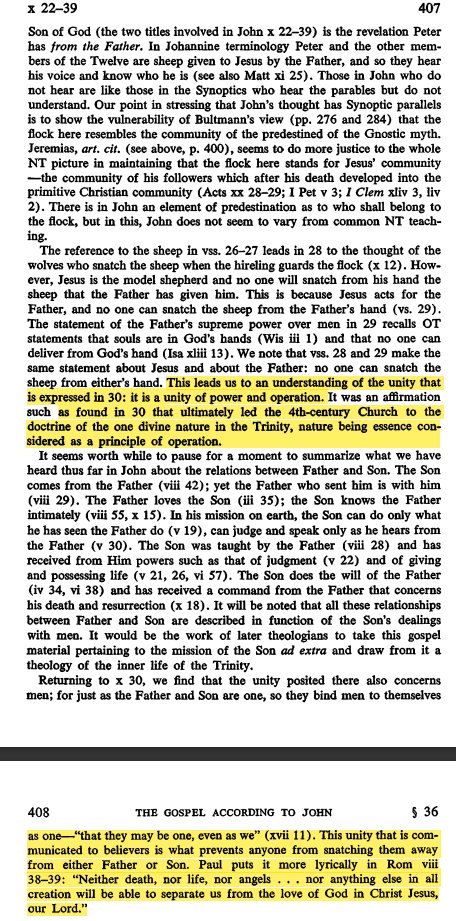
It is possible to not read it as a divinity claim. "We note that vss. 28 and 29 make the same statement about Jesus and about the Father: no one can snatch the sheep from either’s hand. This leads us to an understanding of the unity that is expressed in 30: it is a unity of power and operation…in itself this description remains primarily functional – pp. 407-8"
It may be a unity of operation, not a divinity claim.
From my personal belief though, I would still take it as a divinity claim.
It is possible to not read it as a divinity claim. "We note that vss. 28 and 29 make the same statement about Jesus and about the Father: no one can snatch the sheep from either’s hand. This leads us to an understanding of the unity that is expressed in 30: it is a unity of power and operation…in itself this description remains primarily functional – pp. 407-8"
It may be a unity of operation, not a divinity claim.
From my personal belief though, I would still take it as a divinity claim.

“The First and the Last” (Rev 1:17; 2:8)?📚
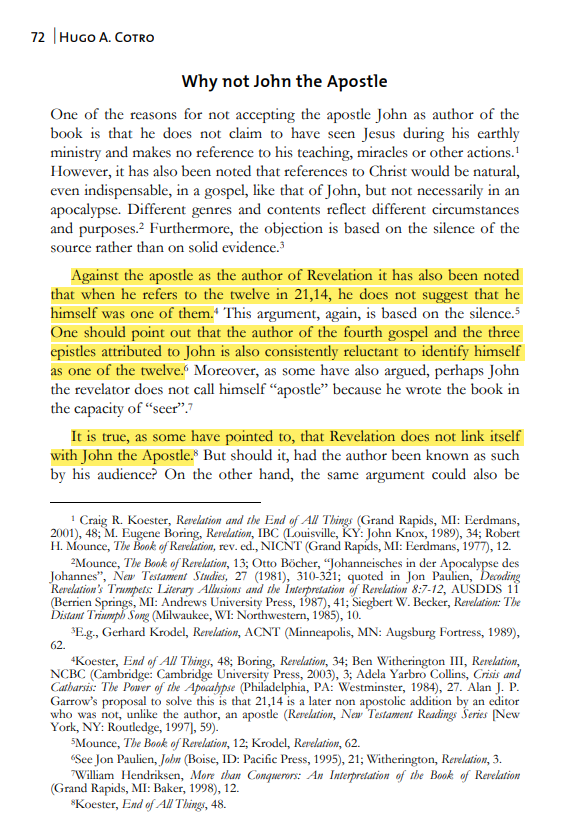
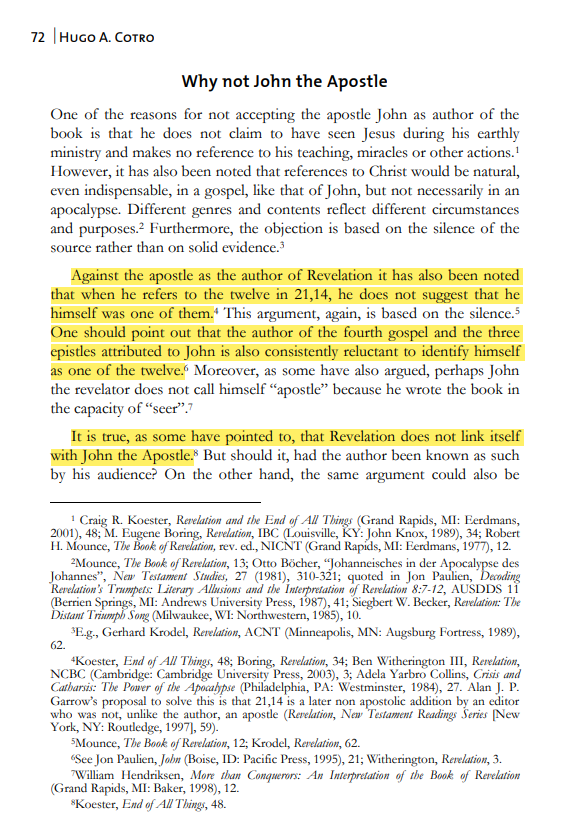
A divinity claim yes, but it isn't a historical saying of Jesus nor is it by an eyewitness of Jesus.
(It is not by John but by a different John).
A divinity claim yes, but it isn't a historical saying of Jesus nor is it by an eyewitness of Jesus.
(It is not by John but by a different John).


Forgiving Sins?📚
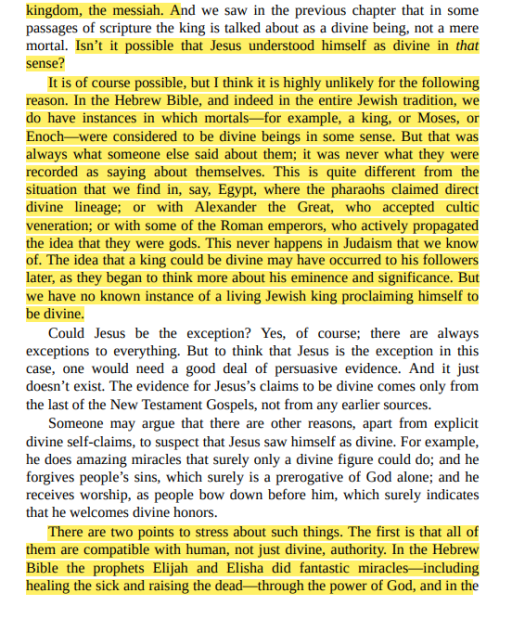
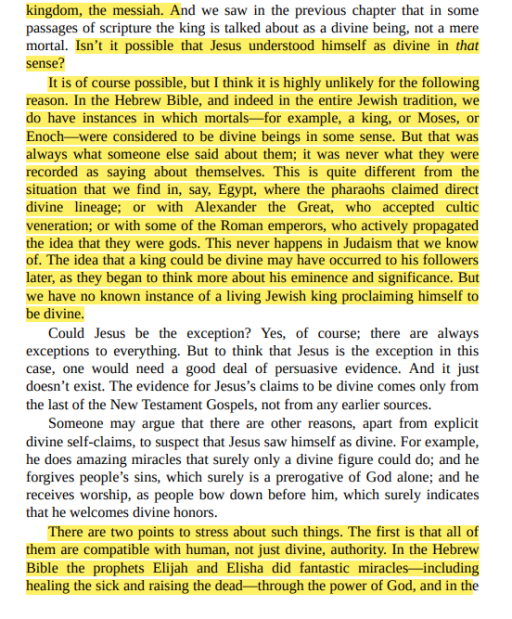
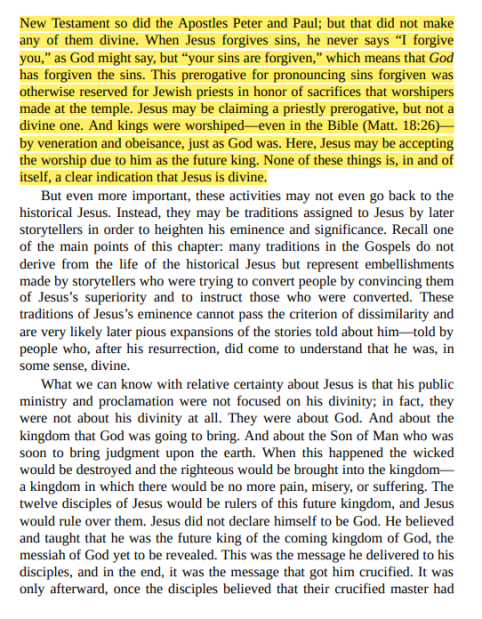
In the Hebrew Bible the prophets Elijah and Elisha did fantastic miracles—including healing the sick and raising the dead—through the power of God, and in the New Testament so did the Apostles Peter and Paul; but that did not make any of them divine. When Jesus forgives sins, he never says “I forgive you,” as God might say, but “your sins are forgiven,” which means that God has forgiven the sins. This prerogative for pronouncing sins forgiven was otherwise reserved for Jewish priests in honor of sacrifices that worshipers made at the temple. Jesus may be claiming a priestly prerogative, but not a divine one. And kings were worshiped—even in the Bible (Matt. 18:26)— by veneration and obeisance, just as God was. Here, Jesus may be accepting the worship due to him as the future king. None of these things is, in and of itself, a clear indication that Jesus is divine.
In the Hebrew Bible the prophets Elijah and Elisha did fantastic miracles—including healing the sick and raising the dead—through the power of God, and in the New Testament so did the Apostles Peter and Paul; but that did not make any of them divine. When Jesus forgives sins, he never says “I forgive you,” as God might say, but “your sins are forgiven,” which means that God has forgiven the sins. This prerogative for pronouncing sins forgiven was otherwise reserved for Jewish priests in honor of sacrifices that worshipers made at the temple. Jesus may be claiming a priestly prerogative, but not a divine one. And kings were worshiped—even in the Bible (Matt. 18:26)— by veneration and obeisance, just as God was. Here, Jesus may be accepting the worship due to him as the future king. None of these things is, in and of itself, a clear indication that Jesus is divine.

Son of God?📚
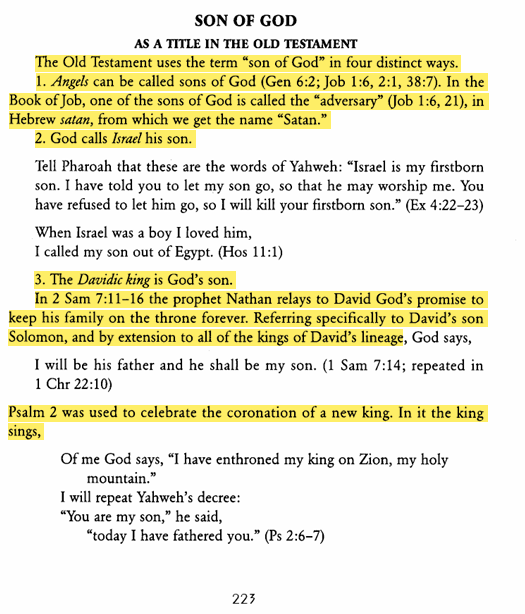
The Old Testament uses the term "son of God" in four distinct ways.
- (1) Angels can be called sons of God. (Gen 6:2; Job 1 :6, 2:1, 38:7). In the Book of Job, one of the sons of God is called the "adversary" (Job 1:6, 21), in Hebrew satan, from which we get the name "Satan."
- (2) God calls Israel his son (Ex 4:22-23; Hos 11:1).
- (3) The Davidic king is God's son. In 2 Sam 7:11-16 the prophet Nathan relays to David God's promise to keep his family on the throne forever. Referring specifically to David's son Solomon, and by extension to all of the kings of David's lineage (1 Sam 7:14; repeated in 1 Chr 22:10). Psalm 2 was used to celebrate the coronation of a new king. In it the king sings (Ps 2:6-7). In one section of Psalm 89 the psalmist reminds God of the covenant he made with David and his descendants. The psalm attributes to God these words about David (Ps 89:26-27).
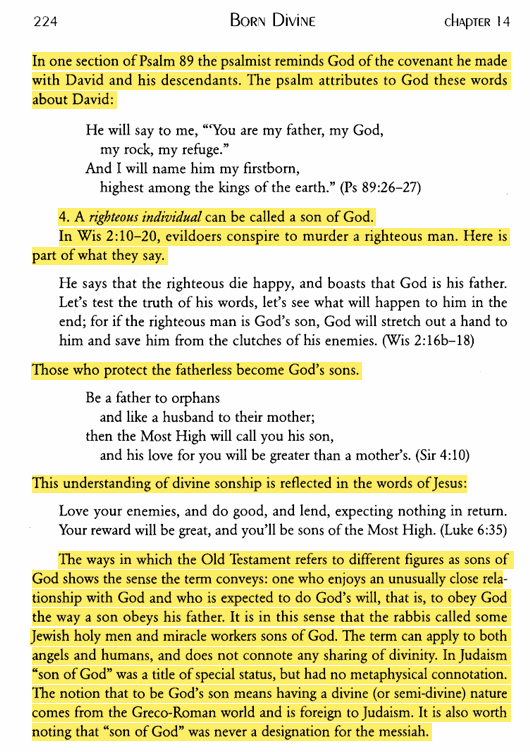
- (4) A righteous individual can be called a son of God. In Wis 2:10-20, evildoers conspire to murder a righteous man. Here is part of what they say (Wis 2:16b-18). Those who protect the fatherless become God's sons (Sir 4:10). The ways in which the Old Testament refers to different figures as sons of God shows the sense the term conveys: one who enjoys an unusually close rela tionship with God and who is expected to do God's will, that is, to obey God the way a son obeys his father. It is in this sense that the rabbis called some Jewish holy men and miracle workers sons of God. The term can apply to both angels and humans, and does not connote any sharing of divinity. In Judaism "son of God" was a title of special status, but had no metaphysical connotation. The notion that to be God's son means having a divine (or semi-divine) nature comes from the Greco-Roman world and is foreign to Judaism. It is also worth noting that "son of God" was never a designation for the messiah.
The Old Testament uses the term "son of God" in four distinct ways.
- (1) Angels can be called sons of God. (Gen 6:2; Job 1 :6, 2:1, 38:7). In the Book of Job, one of the sons of God is called the "adversary" (Job 1:6, 21), in Hebrew satan, from which we get the name "Satan."
- (2) God calls Israel his son (Ex 4:22-23; Hos 11:1).
- (3) The Davidic king is God's son. In 2 Sam 7:11-16 the prophet Nathan relays to David God's promise to keep his family on the throne forever. Referring specifically to David's son Solomon, and by extension to all of the kings of David's lineage (1 Sam 7:14; repeated in 1 Chr 22:10). Psalm 2 was used to celebrate the coronation of a new king. In it the king sings (Ps 2:6-7). In one section of Psalm 89 the psalmist reminds God of the covenant he made with David and his descendants. The psalm attributes to God these words about David (Ps 89:26-27).
- (4) A righteous individual can be called a son of God. In Wis 2:10-20, evildoers conspire to murder a righteous man. Here is part of what they say (Wis 2:16b-18). Those who protect the fatherless become God's sons (Sir 4:10). The ways in which the Old Testament refers to different figures as sons of God shows the sense the term conveys: one who enjoys an unusually close rela tionship with God and who is expected to do God's will, that is, to obey God the way a son obeys his father. It is in this sense that the rabbis called some Jewish holy men and miracle workers sons of God. The term can apply to both angels and humans, and does not connote any sharing of divinity. In Judaism "son of God" was a title of special status, but had no metaphysical connotation. The notion that to be God's son means having a divine (or semi-divine) nature comes from the Greco-Roman world and is foreign to Judaism. It is also worth noting that "son of God" was never a designation for the messiah.
Proskuneo?📚
Some people claim that Jesus is God in gMatthew because some people bow down to him. Proskuneo simply means to bow down. I can bow down to a king without actually worshipping them, bowing down was just shown as a sign of respect or to someone with a good authority. It means to submit or prostrate oneself. Literally it means to kiss up to (pros kuneo "kiss towards"), and is a general word for showing obeisance towards somebody. In a context like this, it usually connotes that they were prostrating themselves like towards a king. It does not usually denote religious worship. Proskuneo did not mean "worship as a God," it denoted a physical action, basically bowing down. There are other people who are not Jesus who are called the objects of that word in the the Gospels. Matthew 18:26 (The Parable of the Unmerciful Servant) has a servant "falling down and worshiping" a King. Acts 10:25 says that Cornelius "fell down at Peter's feet and worshiped him." Prosekenuo indicates a physical action - basically bowing down or falling prostrate. There are any number of reasons to do that. Slaves doing it for masters, for example, as in the Parable of the Unmerciful Servant.
None of this actually means that Jesus is God.
- 1 Chronicles 29:20 (LXX) “And all the assembly blessed the Lord… and they bowed (proskuneō) to the Lord and to the king [David].”
- 1 Kings 1:16 (LXX) “Bathsheba bowed (proskuneō) and did homage to the king.”
- Genesis 33:3 (LXX) Jacob “bowed himself (proskuneō) to the ground seven times” before Esau.
Some people claim that Jesus is God in gMatthew because some people bow down to him. Proskuneo simply means to bow down. I can bow down to a king without actually worshipping them, bowing down was just shown as a sign of respect or to someone with a good authority. It means to submit or prostrate oneself. Literally it means to kiss up to (pros kuneo "kiss towards"), and is a general word for showing obeisance towards somebody. In a context like this, it usually connotes that they were prostrating themselves like towards a king. It does not usually denote religious worship. Proskuneo did not mean "worship as a God," it denoted a physical action, basically bowing down. There are other people who are not Jesus who are called the objects of that word in the the Gospels. Matthew 18:26 (The Parable of the Unmerciful Servant) has a servant "falling down and worshiping" a King. Acts 10:25 says that Cornelius "fell down at Peter's feet and worshiped him." Prosekenuo indicates a physical action - basically bowing down or falling prostrate. There are any number of reasons to do that. Slaves doing it for masters, for example, as in the Parable of the Unmerciful Servant.
None of this actually means that Jesus is God.
- 1 Chronicles 29:20 (LXX) “And all the assembly blessed the Lord… and they bowed (proskuneō) to the Lord and to the king [David].”
- 1 Kings 1:16 (LXX) “Bathsheba bowed (proskuneō) and did homage to the king.”
- Genesis 33:3 (LXX) Jacob “bowed himself (proskuneō) to the ground seven times” before Esau.
Mark 1:2-3?📚
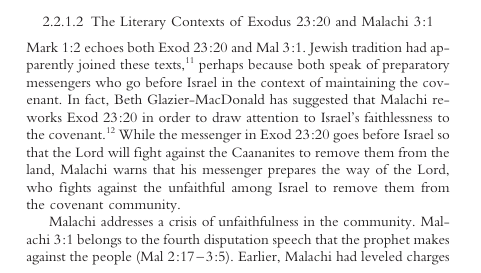
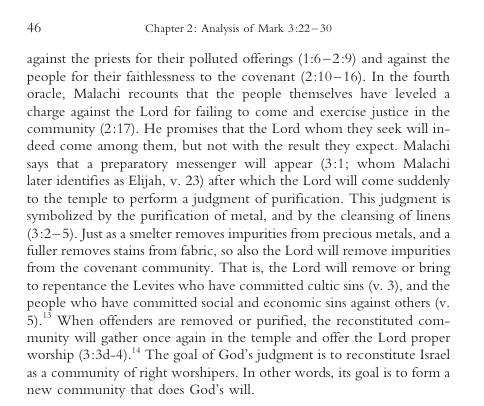
People misread this and thinking it's calling Jesus God. That's not true.
Davis, C. J. (1996). The Name and Way of the Lord: Old Testament Themes, New Testament Christology, identification of "the Lord" with Jesus is actually not explicit in the text but instead assumed by the interpreters. Another possible interpretation is that "the Lord" in the passage is not meant to be Jesus but, well, the Lord. I.e., Mark doesn't say that John the Baptist prepares the way for Jesus, it says he prepares the way for Yahweh.
"In Mark’s gospel John does proclaim the coming of one more powerful than him. He is also, in Mark’s gospel, portrayed as Elijah. With that in mind, the allusion is abundantly clear. The one more powerful who comes after Elijah is Elisha, not YHWH incarnate. Joel Marcus goes over this extraordinarily well in his book John the Baptist in History and Theology. In Mark’s schema, Jesus is not God incarnate, he would simply be “Elisha”, and together with him and “Elijah” (John the Baptist) they would be ushering in God’s imminent kingdom on earth, (see also: Ehrman’s Jesus: Apocalyptic Prophet of the New Millennium, or Maurice Casey’s Jesus of Nazareth for how Mark’s gospel portrays Jesus as an anointed apocalyptic prophet, not God incarnate). John would be first and would prepare the way, while Jesus would then likely usher in the Kingdom as God’s messiah."
People misread this and thinking it's calling Jesus God. That's not true.
Davis, C. J. (1996). The Name and Way of the Lord: Old Testament Themes, New Testament Christology, identification of "the Lord" with Jesus is actually not explicit in the text but instead assumed by the interpreters. Another possible interpretation is that "the Lord" in the passage is not meant to be Jesus but, well, the Lord. I.e., Mark doesn't say that John the Baptist prepares the way for Jesus, it says he prepares the way for Yahweh.
"In Mark’s gospel John does proclaim the coming of one more powerful than him. He is also, in Mark’s gospel, portrayed as Elijah. With that in mind, the allusion is abundantly clear. The one more powerful who comes after Elijah is Elisha, not YHWH incarnate. Joel Marcus goes over this extraordinarily well in his book John the Baptist in History and Theology. In Mark’s schema, Jesus is not God incarnate, he would simply be “Elisha”, and together with him and “Elijah” (John the Baptist) they would be ushering in God’s imminent kingdom on earth, (see also: Ehrman’s Jesus: Apocalyptic Prophet of the New Millennium, or Maurice Casey’s Jesus of Nazareth for how Mark’s gospel portrays Jesus as an anointed apocalyptic prophet, not God incarnate). John would be first and would prepare the way, while Jesus would then likely usher in the Kingdom as God’s messiah."

Matthew 4:7?📚
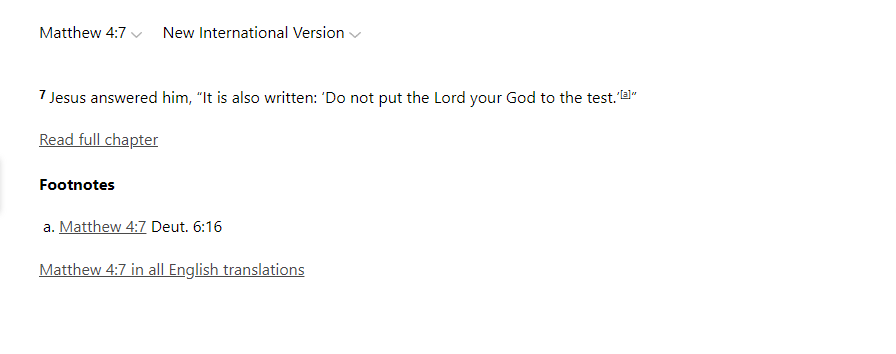
It essentially talks about Satan attempting to "tempt" Jesus, Jesus then states "Jesus said to him, “Again it is written, 'You shall not put the Lord your God to the test.'' It's a parallel verse that follows to Deuteronomy 6:16. Notice how Deuteronomy 6:16 is MOSES talking. Matthew 4:7 is a response to the quotation in the previous verse, which in turn references Psalm 91:11-12, where God is presented as the protector of the person who trusts him (Ps 91:1-2). The quotation places Jesus in the latter context, and his response—that Gods protection is not to be treated presumptuously—is therefore not a claim to godhood on his own part.
It essentially talks about Satan attempting to "tempt" Jesus, Jesus then states "Jesus said to him, “Again it is written, 'You shall not put the Lord your God to the test.'' It's a parallel verse that follows to Deuteronomy 6:16. Notice how Deuteronomy 6:16 is MOSES talking. Matthew 4:7 is a response to the quotation in the previous verse, which in turn references Psalm 91:11-12, where God is presented as the protector of the person who trusts him (Ps 91:1-2). The quotation places Jesus in the latter context, and his response—that Gods protection is not to be treated presumptuously—is therefore not a claim to godhood on his own part.

Anything Else? + Conclusion📚
I probably missed perhaps a few more verses in which people use to claim that Jesus historically claimed to be God. If there is any, please let me know.
Keep in mind this is different than whether or not an author believed Jesus is God.
Again, no hard feelings or bad intentions with this thread. Just wanted to clear up misinformation.
If anyone wants any studies on how to find the historical Jesus, let me know.
🔍 If you found this thread insightful, please follow and repost to support more historical research and threads like this.
Join the discussion & access more resources: x.com/i/communities/…
📷discord.gg/EG6wJ4zer3
📷 Substack: jordanjournal.substack.com
I probably missed perhaps a few more verses in which people use to claim that Jesus historically claimed to be God. If there is any, please let me know.
Keep in mind this is different than whether or not an author believed Jesus is God.
Again, no hard feelings or bad intentions with this thread. Just wanted to clear up misinformation.
If anyone wants any studies on how to find the historical Jesus, let me know.
🔍 If you found this thread insightful, please follow and repost to support more historical research and threads like this.
Join the discussion & access more resources: x.com/i/communities/…
📷discord.gg/EG6wJ4zer3
📷 Substack: jordanjournal.substack.com
Generated by Thread Navigator
Press ⌘ + S to quick-export