A "cognitive bias" is a systematic error in thinking that destroys decision-making.
11 most powerful (and dangerous) cognitive biases I've found:
1. Parkinson's Law:


1. Parkinson's Law
Work expands to fill the time given.
When we have more time, we tend to procrastinate and become inefficient.
A good reminder to track your task duration and energy level.
Work expands to fill the time given.
When we have more time, we tend to procrastinate and become inefficient.
A good reminder to track your task duration and energy level.

2. Goodhart's Law:
When a measure becomes a goal, it stops being a good measure.
I.g: Exams and standard admission shifted the focus of education.
It's no longer about the students, but about grades and pay.
When a measure becomes a goal, it stops being a good measure.
I.g: Exams and standard admission shifted the focus of education.
It's no longer about the students, but about grades and pay.

3. The Curse of Knowledge:
Experts assume everyone knows what they know.
But they struggle to teach or lead effectively for those still learning.
Simplicity is an art.
Experts assume everyone knows what they know.
But they struggle to teach or lead effectively for those still learning.
Simplicity is an art.

4. P.S. If you want my collection of the best, most useful mental models, cognitive biases, and mental fallacies, grab a free copy here:
Now back to the thread ❤️
besuperhuman.gumroad.com/l/mentalmodels
Now back to the thread ❤️
besuperhuman.gumroad.com/l/mentalmodels
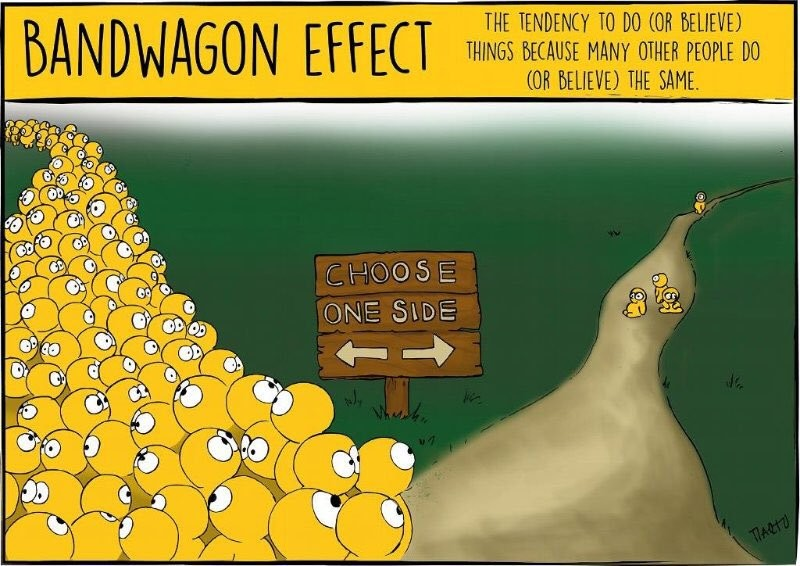
5. The Bandwagon Effect:
We humans are social creatures, which has its benefits.
But there's a downside too...
We often follow the crowd without thinking, just because everyone else is doing it.
Beware of the Bandwagon Effect, it's like "groupthink" and can be risky.
We humans are social creatures, which has its benefits.
But there's a downside too...
We often follow the crowd without thinking, just because everyone else is doing it.
Beware of the Bandwagon Effect, it's like "groupthink" and can be risky.
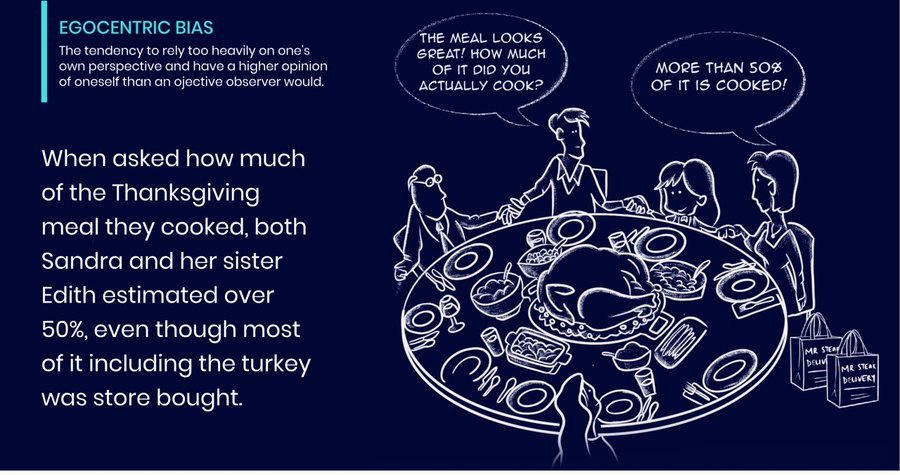
6. Egocentric Bias:
We tend to think more highly of ourselves than we should.
In group activities, we overestimate our contributions compared to others.
We tend to think more highly of ourselves than we should.
In group activities, we overestimate our contributions compared to others.
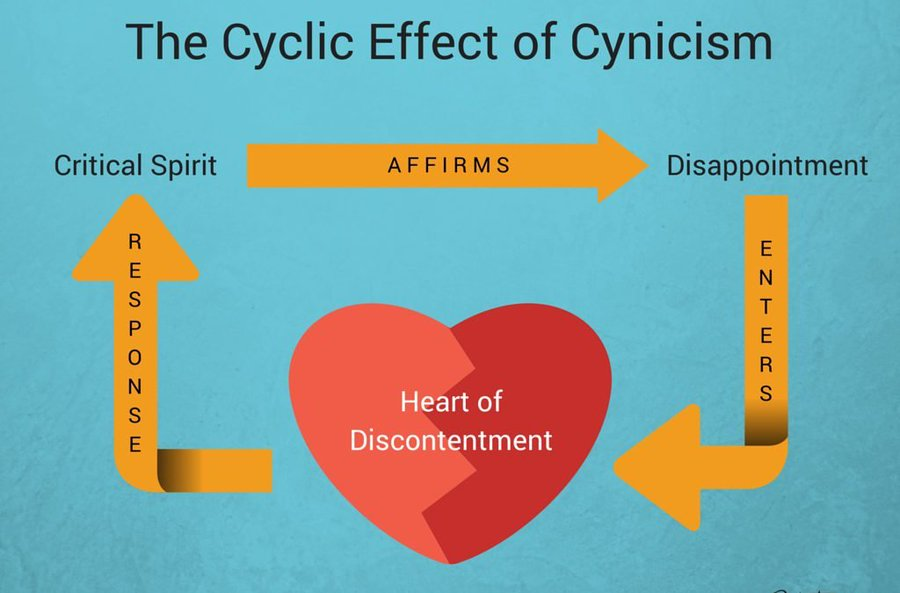
7. Cynicism
"Cynical people may seem smarter, but research suggests they're actually less intelligent.
Deep cynicism is a defense mechanism (may results in neuroticism), not a sign of true intelligent.
Moderate dose advised.
"Cynical people may seem smarter, but research suggests they're actually less intelligent.
Deep cynicism is a defense mechanism (may results in neuroticism), not a sign of true intelligent.
Moderate dose advised.
8. Skinner's Law:
• When procrastinating, you have 2 choices:
1. Make not doing it more painful than doing it.
2. Make doing it more enjoyable than not doing it.
• When procrastinating, you have 2 choices:
1. Make not doing it more painful than doing it.
2. Make doing it more enjoyable than not doing it.

9. Hofstadter's Law:
Projects always take longer and cost more than you expect, even when you consider Hofstadter's Law.
Double the time, triple the cost—despite your best calculations.
Projects always take longer and cost more than you expect, even when you consider Hofstadter's Law.
Double the time, triple the cost—despite your best calculations.

10. Elon's Law:
Beat Hofstadter's Law with an insanely ambitious deadline. Even if it takes 3x longer, you're still ahead of the game.
Elon Musk missing his super deadlines is a feature, not a bug.
Beat Hofstadter's Law with an insanely ambitious deadline. Even if it takes 3x longer, you're still ahead of the game.
Elon Musk missing his super deadlines is a feature, not a bug.
11. Loss Aversion
Discovered by scientists Tversky and Kahneman, it reveals that the pain of losing is stronger than the pleasure of winning.
As a result, humans will go to greater lengths to avoid losses than to pursue gains.
Discovered by scientists Tversky and Kahneman, it reveals that the pain of losing is stronger than the pleasure of winning.
As a result, humans will go to greater lengths to avoid losses than to pursue gains.

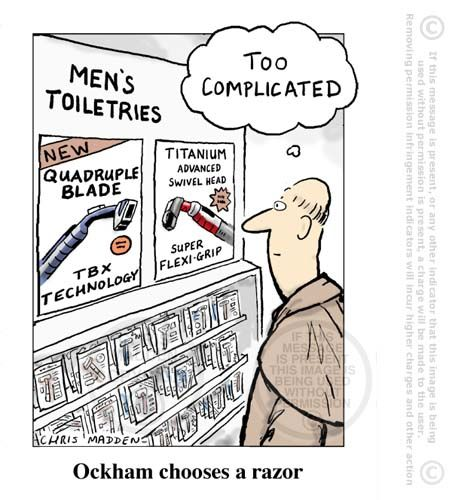
12. Occam's Razor:
• Simple assumptions are often right.
• Don't overcomplicate things with too many assumptions.
• Simple assumptions are often right.
• Don't overcomplicate things with too many assumptions.
13. "It doesn’t matter how beautiful your theory is; it doesn’t matter how smart you are. If it doesn’t agree with the experiment, it’s wrong."
– Richard Feynman
– Richard Feynman
If you want my collection of the best, most useful mental models, cognitive biases, and cognitive tendencies, grab a free copy of my product here:
besuperhuman.gumroad.com/l/mentalmodels
besuperhuman.gumroad.com/l/mentalmodels
My threads generate 150 - 200M views every month.
I help founders, CEOs, and VCs create viral content that actually converts.
• Premium
• Personalized
• Deeply researched
Viral threads delivered in under 48 hrs. Schedule a strategy call here:
calendly.com/geniusgtx/viral
I help founders, CEOs, and VCs create viral content that actually converts.
• Premium
• Personalized
• Deeply researched
Viral threads delivered in under 48 hrs. Schedule a strategy call here:
calendly.com/geniusgtx/viral
Generated by Thread Navigator
Press ⌘ + S to quick-export