🚨Germany’s Radiation Authority just dropped a bombshell🚨
The Biggest survey ever on Magnetic fields (nnEMF) from electric & hybrid cars.
Almost a Million measurements. Thirteen Cars.
What they found should make anyone think twice🧵

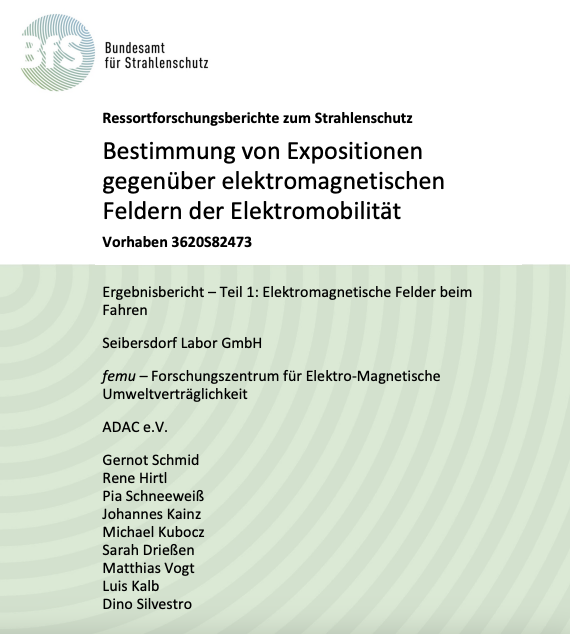
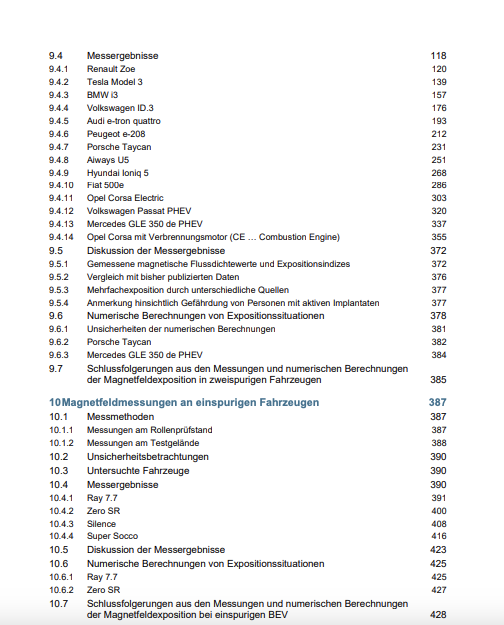
The 2025 study (463 pages) by the German Federal Office for Radiation Protection (BfS) carried out a series of measurements & simulations to assess Magnetic field exposure in 13 vehicles:
11 electric (EV) & 2 plug-in hybrids (PHEV)
↓
11 electric (EV) & 2 plug-in hybrids (PHEV)
↓
Let’s start with the basics.
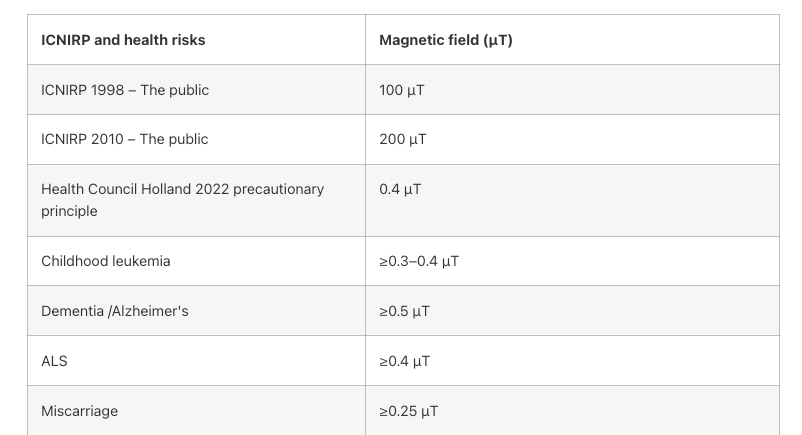
Magnetic fields are measured in microtesla (µT)
Most health research shows risks starting at just 0.3–0.4 µT linked to childhood leukemia, dementia, ALS and miscarriage.
So how did the EVs do?
Magnetic fields are measured in microtesla (µT)
Most health research shows risks starting at just 0.3–0.4 µT linked to childhood leukemia, dementia, ALS and miscarriage.
So how did the EVs do?
Normal driving
During “gentle” driving, the fields inside the cabin measured 2–10.5 µT
That’s already 5–25x higher than the level where health risks show up.
And that’s the baseline.. before you even hit the accelerator.
During “gentle” driving, the fields inside the cabin measured 2–10.5 µT
That’s already 5–25x higher than the level where health risks show up.
And that’s the baseline.. before you even hit the accelerator.
Acceleration & Braking
When the car was pushed harder, Magnetic fields surged.
Most spikes were around 90 µT
But the worst recorded peak were as high as 900 µT (9000 mG)
These bursts were concentrated near the legs & feet.
Right above motors and high-voltage cables.
When the car was pushed harder, Magnetic fields surged.
Most spikes were around 90 µT
But the worst recorded peak were as high as 900 µT (9000 mG)
These bursts were concentrated near the legs & feet.
Right above motors and high-voltage cables.
Most people assume it’s only the motor or battery causing fields.
But the study found heaters, fans, seat warmers, dashboards, infotainment systems all contributing.
In some cases, cars hit 100 µT while just sitting parked with accessories running.
Translation: you don’t need to be driving to get exposed.
But the study found heaters, fans, seat warmers, dashboards, infotainment systems all contributing.
In some cases, cars hit 100 µT while just sitting parked with accessories running.
Translation: you don’t need to be driving to get exposed.
The researchers also measured trains, trams and subways.
Some showed high fields, but EVs and hybrids had sharper, nastier spikes.. sudden bursts that happen again and again.
So while public transport can be bad,
Your private car might be worse in terms of spikes.
Some showed high fields, but EVs and hybrids had sharper, nastier spikes.. sudden bursts that happen again and again.
So while public transport can be bad,
Your private car might be worse in terms of spikes.
Safety Standards:
ICNIRP 2010: says the cars are “safe” but these limits only cover acute nerve effects. Chronic exposure isn’t considered.
ICNIRP 1998: Stricter and several EVs already broke those limits.
Precautionary guidelines: like 0.4 µT used in Europe for leukemia risk?
EVs blew past those hundreds of times over.
ICNIRP 2010: says the cars are “safe” but these limits only cover acute nerve effects. Chronic exposure isn’t considered.
ICNIRP 1998: Stricter and several EVs already broke those limits.
Precautionary guidelines: like 0.4 µT used in Europe for leukemia risk?
EVs blew past those hundreds of times over.

Current testing standards don’t even measure spikes shorter than 200 milliseconds.
But that’s exactly the type of surge EVs produce every time you accelerate/brake.
So the most dangerous exposures DON'T EVEN “count” under official rules.
But that’s exactly the type of surge EVs produce every time you accelerate/brake.
So the most dangerous exposures DON'T EVEN “count” under official rules.
EVs aren’t going anywhere.
But neither are the magnetic fields inside them.
This study proves we can’t ignore the health side.
We need:
Better testing.
Stronger standards.
& Real talk about long-term exposure.
But neither are the magnetic fields inside them.
This study proves we can’t ignore the health side.
We need:
Better testing.
Stronger standards.
& Real talk about long-term exposure.
If you're interesting in learning more about nnEMFs
Make sure to follow me @ze_rusty
The next tweet gives a quick breakdown of the main problem ↓
Make sure to follow me @ze_rusty
The next tweet gives a quick breakdown of the main problem ↓
View Tweet
Also, I’ve a written a book on simple ways to protect yourself from nnEMF
Do check it out ↓
solarpowered.gumroad.com/l/emf
Do check it out ↓
solarpowered.gumroad.com/l/emf
Generated by Thread Navigator
Press ⌘ + S to quick-export