I thought I knew what first-principles thinking meant until I found Da Vinci.
He truly built things from the ground up.
Thread to better understand this rather rare trait:

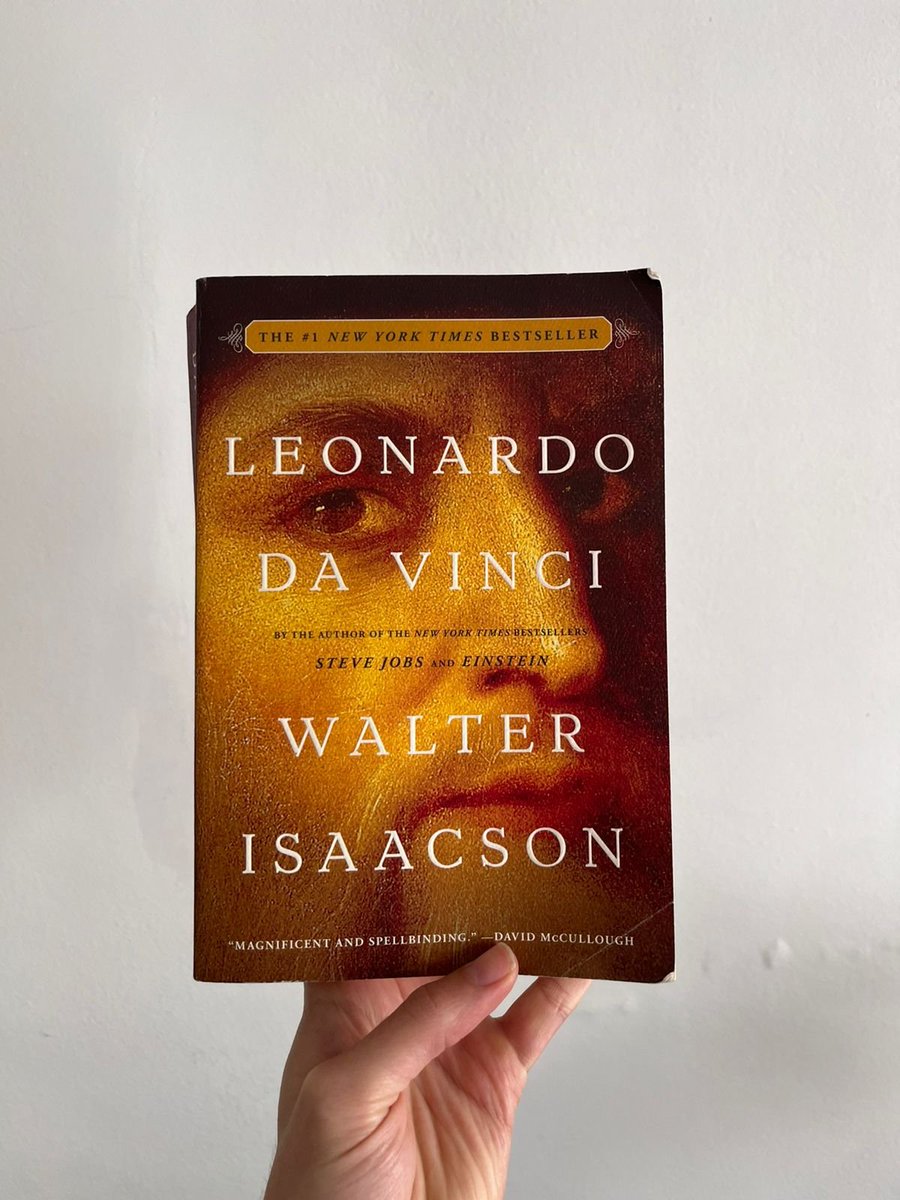
First-principles thinking is about chasing the Whys until you hit the bottom of reasons.
Truly curious people get to unprecedented depths of knowledge.
Ask yourself, "Where does fire come from," and see how far you can go.
Then watch Feynman.
Truly curious people get to unprecedented depths of knowledge.
Ask yourself, "Where does fire come from," and see how far you can go.
Then watch Feynman.

VIDEO
Surfaces are underlaid by profound backgrounds.
Leonardo breathed this notion.
You can only arrive at surfaces with step-by-step constructions.
'The painter should first draw the bones, then add the muscles, and then cover them with the flesh and skin, and finally the drapery.'
Leonardo breathed this notion.
You can only arrive at surfaces with step-by-step constructions.
'The painter should first draw the bones, then add the muscles, and then cover them with the flesh and skin, and finally the drapery.'

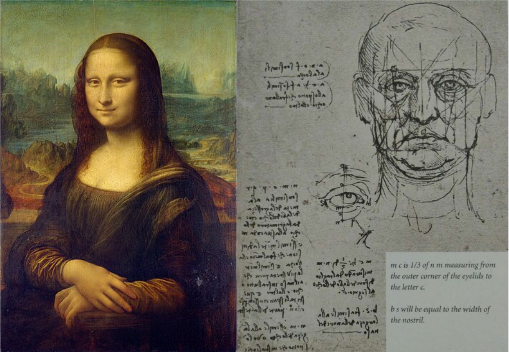
The most famous smile in the world was created by prolonged, intensely uninterrupted, observation and study.
Leonardo dissected bodies to understand how everything worked.
People's physiognomy particularly fascinated him.
He just wanted to know "how does the smile occur."
Leonardo dissected bodies to understand how everything worked.
People's physiognomy particularly fascinated him.
He just wanted to know "how does the smile occur."
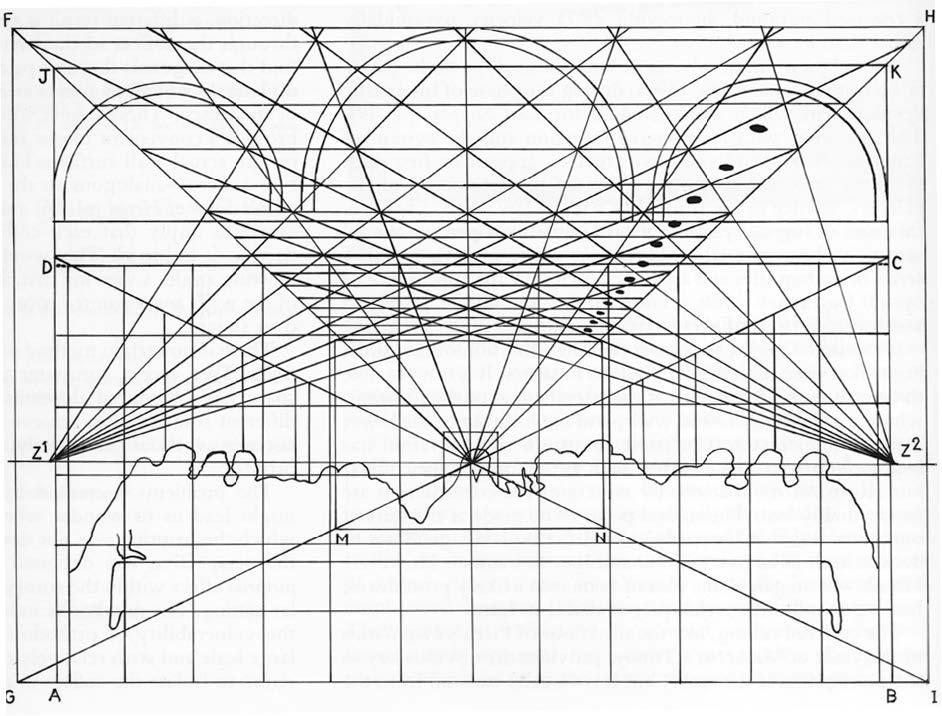
The Last Supper is not only about emotions.
By utilizing the one-point linear perspective, Da Vinci managed to give the illusion of depth on a flat surface.
And notice how all lines converge behind Jesus' head to emphasize him.
Breathtaking amounts of study and work.
By utilizing the one-point linear perspective, Da Vinci managed to give the illusion of depth on a flat surface.
And notice how all lines converge behind Jesus' head to emphasize him.
Breathtaking amounts of study and work.
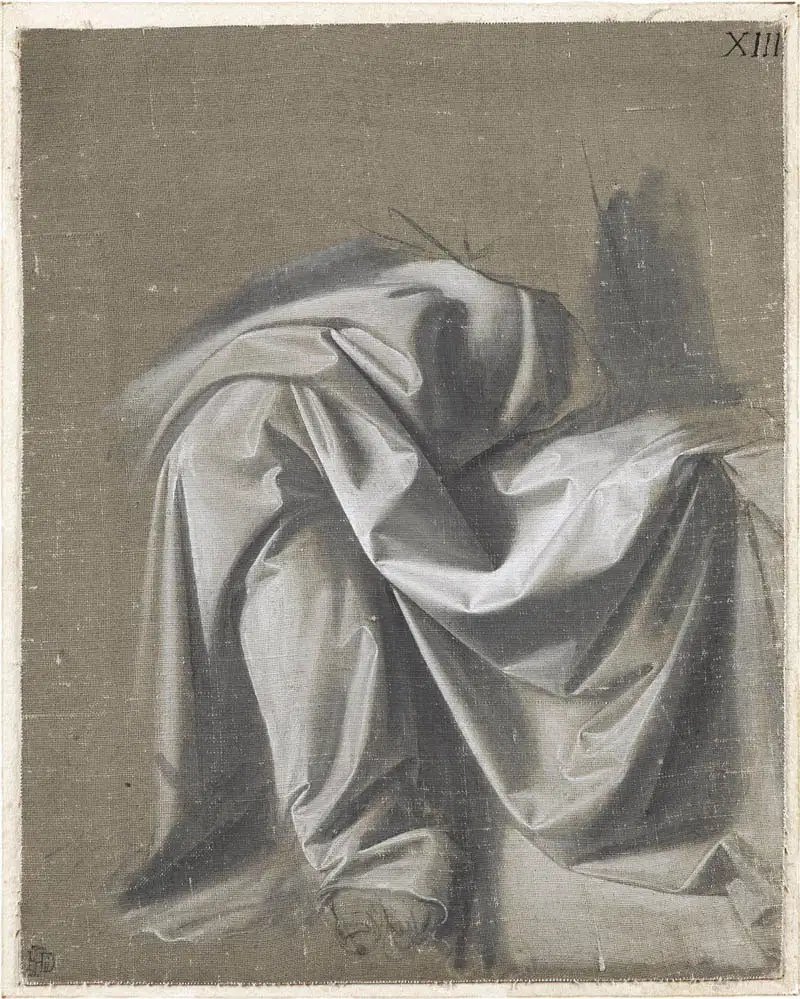
Da Vinci wanted to know how to create a 3D object on a 2D surface and found it's all about shades.
Obsessing over it led to the rediscovery and absolute refining of a masterful technique: Chiaroscuro.
But 1,000s of drawings were destined to replicate the effects of shadows.
Obsessing over it led to the rediscovery and absolute refining of a masterful technique: Chiaroscuro.
But 1,000s of drawings were destined to replicate the effects of shadows.
Attentive observation made Leonardo realize that "there are no edges in nature."
To faithfully reproduce her, he perfected the use of Sfumato.
His toolset expanded as reality demanded.
To faithfully reproduce her, he perfected the use of Sfumato.
His toolset expanded as reality demanded.

Much of Leonardo's art is truthful not only to anatomy and perspective, but also to biology/physics.
The natural landscapes, plants, and even the flow of water, in some of his paintings are holistically correct.
The type of stone and species were selected carefully.
The natural landscapes, plants, and even the flow of water, in some of his paintings are holistically correct.
The type of stone and species were selected carefully.
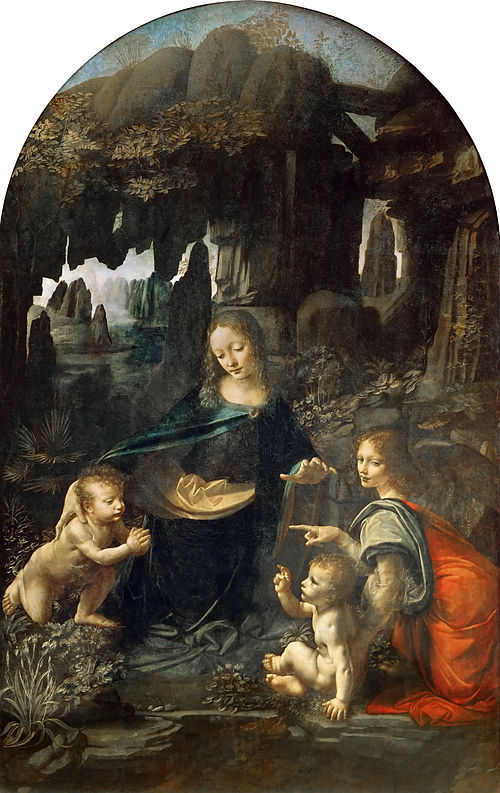
The question of 'how to paint' drove Leonardo to figure out how everything worked.
His masterpieces are so because of how much work went into making every single pixel truthful.
Here's Feynman's method to force first-principles thinking:
His masterpieces are so because of how much work went into making every single pixel truthful.
Here's Feynman's method to force first-principles thinking:

VIDEO
DMs open.

Hope you found this thread interesting and make sure to share if you have!
I post daily about books.
You can follow me at @Giuliano_Mana to find interesting reads.
I post daily about books.
You can follow me at @Giuliano_Mana to find interesting reads.
View Tweet
Generated by Thread Navigator
Press ⌘ + S to quick-export