
1/ The Russian army is experiencing an epidemic of hepatitis and other infectious diseases, including HIV and tuberculosis, threatening a public health disaster. It has resulted from the Russian military ignoring its own recruitment rules and poor medical hygiene in the field. ⬇️
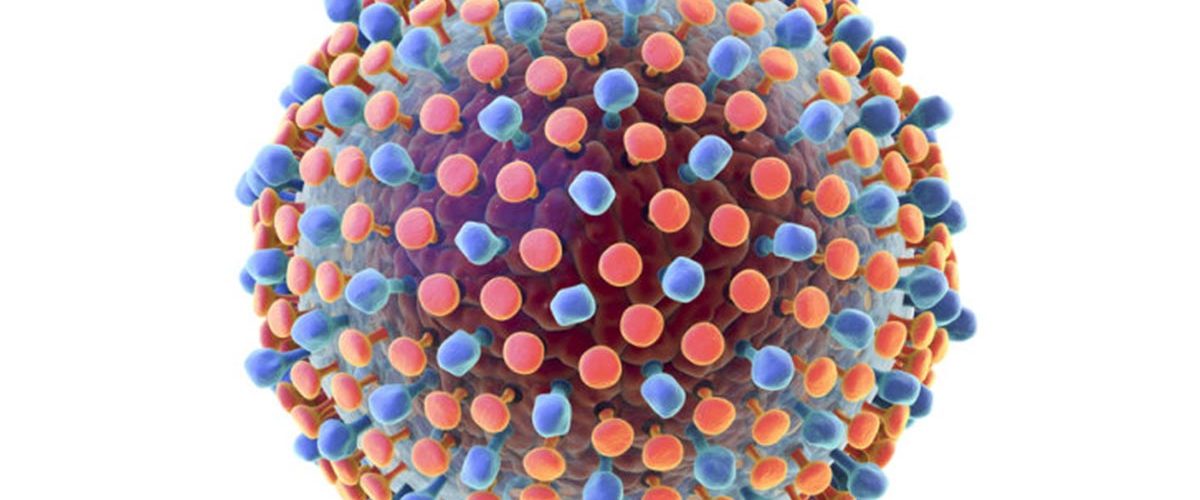
2/ The Russian warblogger Anastasia Kasheverova writes that the army faces "the threat of a hepatitis epidemic - from the front to the rear."
3/ "The front, of course, is a breeding ground for diseases, viruses. Where there is death, disease and its carriers – rats, mice, lice – are constantly wandering around.
4/❗️The origin of the problem. The problem is that when they miscalculated at the beginning of the Special Military Operation and the army suffered losses, and then the mobilization was still partial, they began to take soldiers from prisons and with hepatitis and HIV, and now…
5/ …they are recruiting only such people. Wagner even had a separate project called Umbrella for those with HIV, hepatitis and other socially dangerous diseases, but they fought separately from everyone else.
6/ "Also, various gypsies and local unreliable contingents got soldiers hooked on drugs. I will write about drug trafficking in the new territories [i.e. occupied Ukraine] in detail separately. Drugs = infection with HIV, hepatitis.
7/ "In captivity, our soldiers are specially placed with tuberculosis patients, HIV-infected people, so that they get infected and take all this to the Russian Federation. [note - there is no evidence for this]
8/❗️Problem. No prevention, no treatment.
Being in the same trench, on the same operating table, hepatitis and HIV are transmitted from the sick to the healthy. This can happen during a blood transfusion, or it can happen in army life.
Being in the same trench, on the same operating table, hepatitis and HIV are transmitted from the sick to the healthy. This can happen during a blood transfusion, or it can happen in army life.
9/ "Right now, there is an epidemic of hepatitis C in the army. Hepatitis does not manifest itself immediately. Not only fellow soldiers are at risk, but also loved ones and relatives when a soldier is on leave at home.
10/ "They don't discharge you with hepatitis; you continue to fight. You take tests, then repeat them six months later. At the same time, there is no treatment for hepatitis in the army. No one is registered.
11/ "For example, in Moscow there is a special center where only Muscovites can get expensive medications for hepatitis. But military personnel, even Muscovites, cannot get the medicine, since they must be treated by the Ministry of Defence.
12/ ✅ Solution. Currently, when a soldier is diagnosed with hepatitis, they are ‘registered for dispensary observation’ (on paper, and in some cases not even that) for six months, then tested again after six months and then sent to the Military Medical Commission…
13/ …(again, not always). No one is being treated.
In the army, they do not give therapy even for HIV.
In the army, they do not give therapy even for HIV.
14/ "It is necessary that:
1. The Ministry of Defence treat hepatitis and HIV, as this is not just a threat to one person, but a threat to everyone who serves with the soldier and to his family members.
1. The Ministry of Defence treat hepatitis and HIV, as this is not just a threat to one person, but a threat to everyone who serves with the soldier and to his family members.
15/ "2. As far as I know, the Main Military Medical University has purchased drugs for the appropriate treatment. Another issue is that there may be problems with their distribution and uninterrupted supply to each individual soldier.
16/ "3. Keep accurate records of soldiers with HIV and hepatitis.
4. Inform fellow soldiers about the disease.
4. Inform fellow soldiers about the disease.
17/ "5. Conduct mandatory medical examinations among personnel and an expanded examination after captivity. (This, of course, may seem ridiculous, especially when we send untreated people to the front line and you can't get a military-medical commission).
18/ "Civilians really need to think about the threat of an epidemic of socially dangerous diseases. Hepatitis, HIV, tuberculosis – these are now in the army and are spreading to the frontline regions, and will continue to spread further into Russia."
19/ Soldiers have previously complained about the lack of treatment for HIV and hepatitis in the army, with relatives describing it as a slow death sentence for them. Very often, they were infected in prison colonies, where infectious diseases are rife.
View Tweet
20/ The army has for some time been ignoring its own rules about recruitment and discharge. Although its rules say that soldiers with infectious diseases are barred from joining and must be discharged if diagnosed, in practice this doesn't happen.
View Tweet
Generated by Thread Navigator
Press ⌘ + S to quick-export