We love the idea that it’s the mind that sets champions apart.
Mental toughness. Grit. Mindset.
But what if that story is too clean?
After 18 years of researching Olympians and elite athletes, I’ve learned:
The truth about mental performance is messier—and more useful—than we think.
Let's dive into some data I've never shared before:

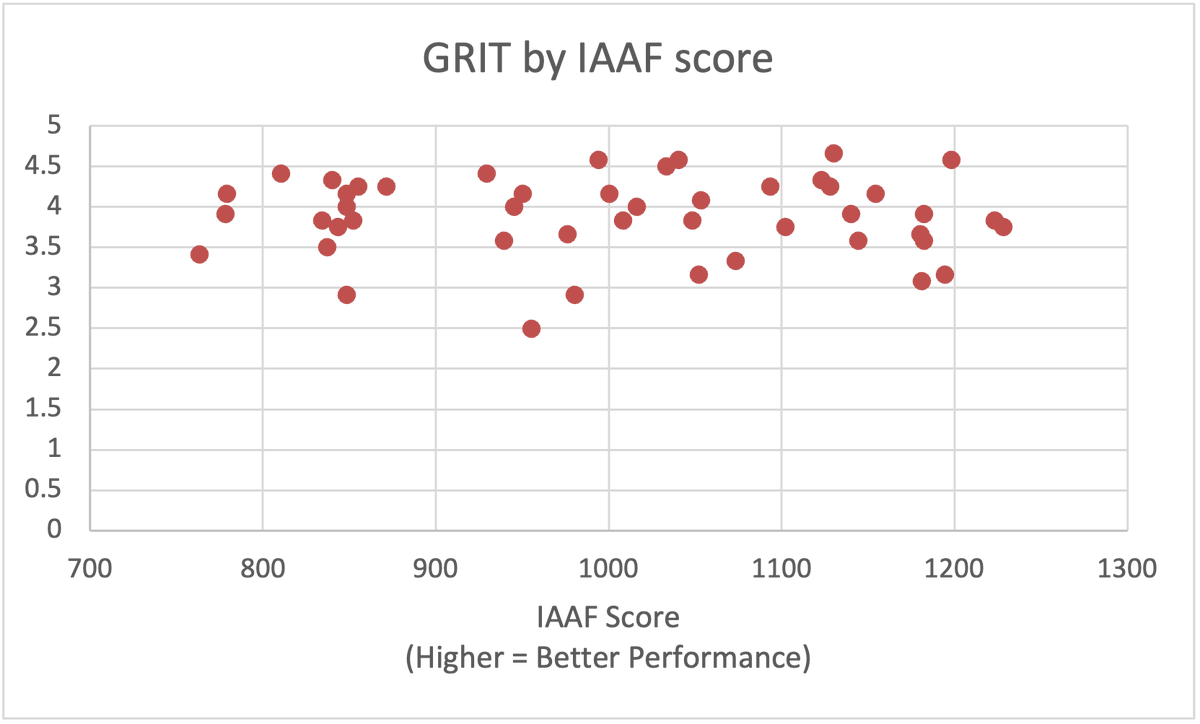
Grit = passion + perseverance
It’s often hailed as the key to success.
But when I compared elite to average runners, there wasn’t a big difference.
Grit might be necessary, but it’s not sufficient.
And it’s probably more situational than we’d like to admit.
It’s often hailed as the key to success.
But when I compared elite to average runners, there wasn’t a big difference.
Grit might be necessary, but it’s not sufficient.
And it’s probably more situational than we’d like to admit.
Where we did see real separation? Action orientation.
When things go wrong, do you spiral… or do you act?
Elite performers are better at shifting from “why is this happening?” to “what can I do next?”
They regulate emotions by taking action. They don’t avoid stress, they move through it.
When things go wrong, do you spiral… or do you act?
Elite performers are better at shifting from “why is this happening?” to “what can I do next?”
They regulate emotions by taking action. They don’t avoid stress, they move through it.
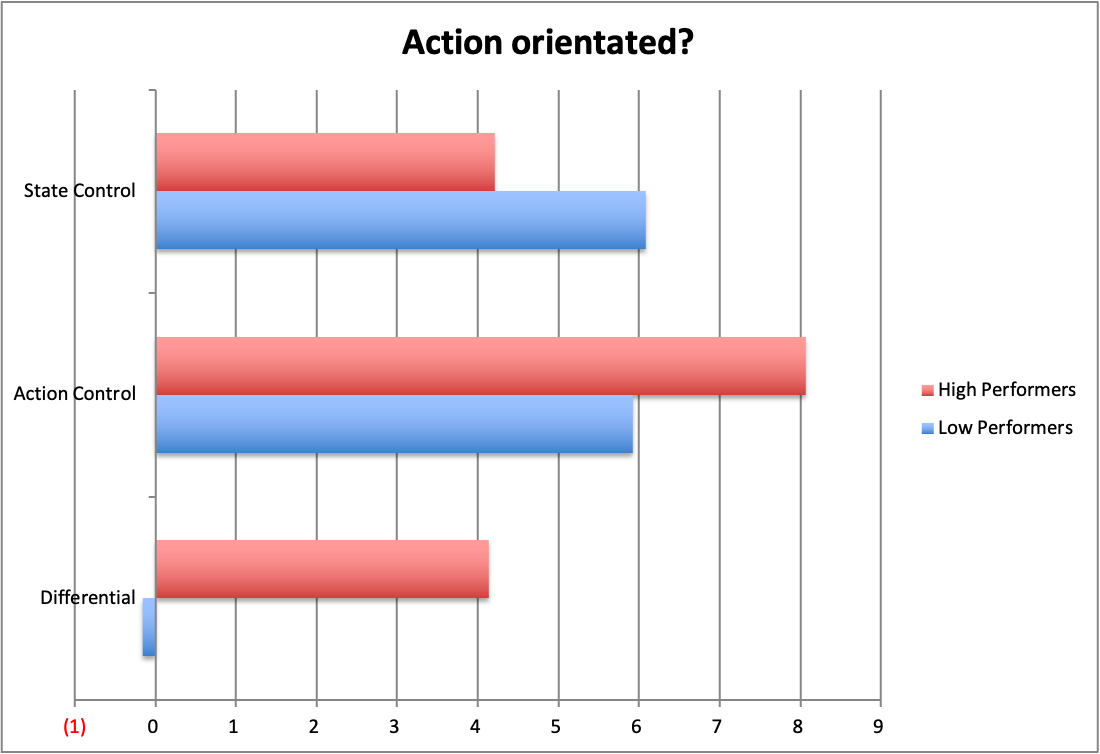
Dig deeper into action orientation and you see four core tools:
-They can generate positive emotions to get unstuck.
-They downregulate negative ones before they spiral.
-They reframe problems through cognitive reappraisal.
-And they shift attention toward what matters.
This isn’t magic. It’s a trained response to challenge.
-They can generate positive emotions to get unstuck.
-They downregulate negative ones before they spiral.
-They reframe problems through cognitive reappraisal.
-And they shift attention toward what matters.
This isn’t magic. It’s a trained response to challenge.
Next up: stress mindset.
You’d think the best athletes view stress as a helpful force.
But... Some world-class performers saw stress as harmful. Yet they still succeeded.
Why? Because they developed coping mechanisms in spite of their stress beliefs.
You’d think the best athletes view stress as a helpful force.
But... Some world-class performers saw stress as harmful. Yet they still succeeded.
Why? Because they developed coping mechanisms in spite of their stress beliefs.
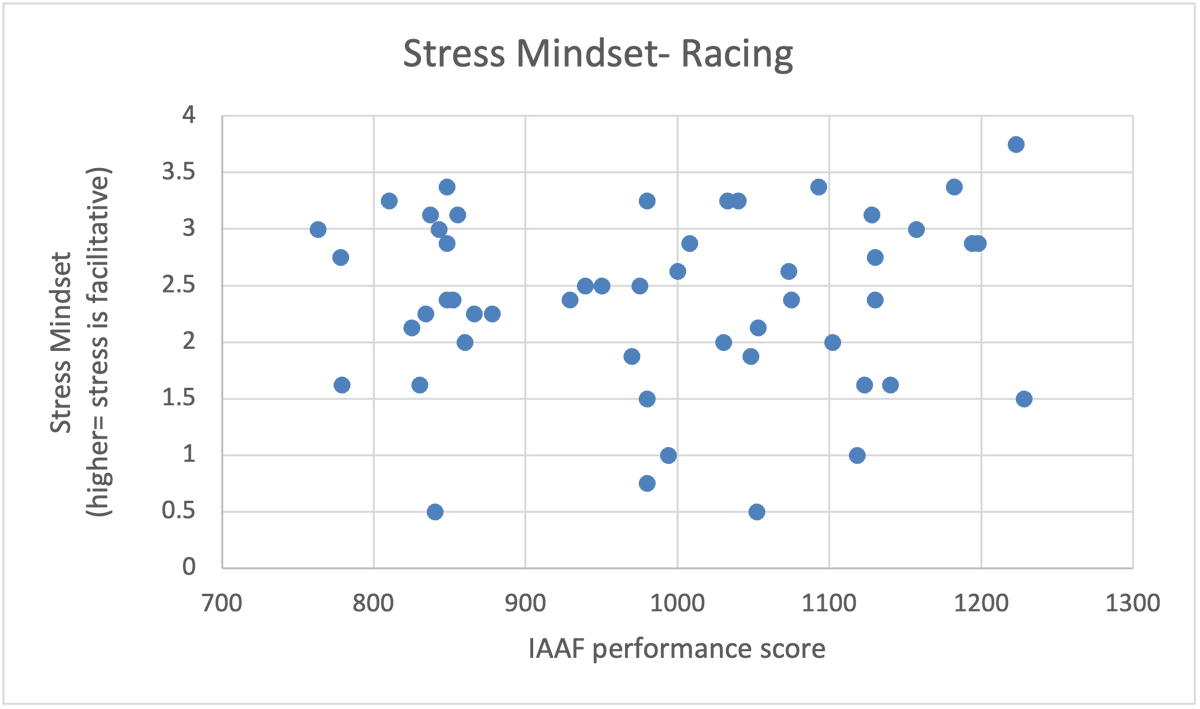
When I dug deeper, I found...
1. Pre-race stress is often one of the more challenging mental aspects to work through.
But those who saw it as negative, often figured out coping strategies to still figure out how to play well, despite the mindset.
2. It's malleable.
One athlete started off seeing stress as the enemy.
Years later, that same athlete had shifted.
They learned to let go, to not make every race feel like life or death.
Stress became fuel, not fire.
1. Pre-race stress is often one of the more challenging mental aspects to work through.
But those who saw it as negative, often figured out coping strategies to still figure out how to play well, despite the mindset.
2. It's malleable.
One athlete started off seeing stress as the enemy.
Years later, that same athlete had shifted.
They learned to let go, to not make every race feel like life or death.
Stress became fuel, not fire.
Let’s talk motivation.
When I measured intrinsic vs extrinsic drivers, one result stood out: Athletes with high extrinsic motivation (e.g., fame, rewards) showed lower improvement over 4 years.
Chasing medals might get you started. But the ones who stick with it? They find joy in the process.
That’s the foundation of sustainable performance.
When I measured intrinsic vs extrinsic drivers, one result stood out: Athletes with high extrinsic motivation (e.g., fame, rewards) showed lower improvement over 4 years.
Chasing medals might get you started. But the ones who stick with it? They find joy in the process.
That’s the foundation of sustainable performance.

What does all this tell us?
1. Teach people the tools to manage the chaos.
2. We all struggle. Don't assume because someone is a great athlete that they can't improve mentally. Or that they have it all figured out.
3. Create an environment that promotes intrinsic motivation. That supports athletes, that allows them to see progress and growth. All while enjoying the process!
1. Teach people the tools to manage the chaos.
2. We all struggle. Don't assume because someone is a great athlete that they can't improve mentally. Or that they have it all figured out.
3. Create an environment that promotes intrinsic motivation. That supports athletes, that allows them to see progress and growth. All while enjoying the process!
The best in the world?
They’re not superhuman.
They still get nervous. They still doubt.
But they’ve learned to navigate those moments instead of getting swallowed by them.
Mental performance isn’t something you have.
It’s something you build.
They’re not superhuman.
They still get nervous. They still doubt.
But they’ve learned to navigate those moments instead of getting swallowed by them.
Mental performance isn’t something you have.
It’s something you build.
Generated by Thread Navigator
Press ⌘ + S to quick-export