I'm a Harvard-trained psychologist who works with ultra-successful high-net-worth individuals...
And I hate to break it to you, but the cost of overthinking and anxiety is the life you could have lived.
Here's the protocol I created that actually works: 🧵

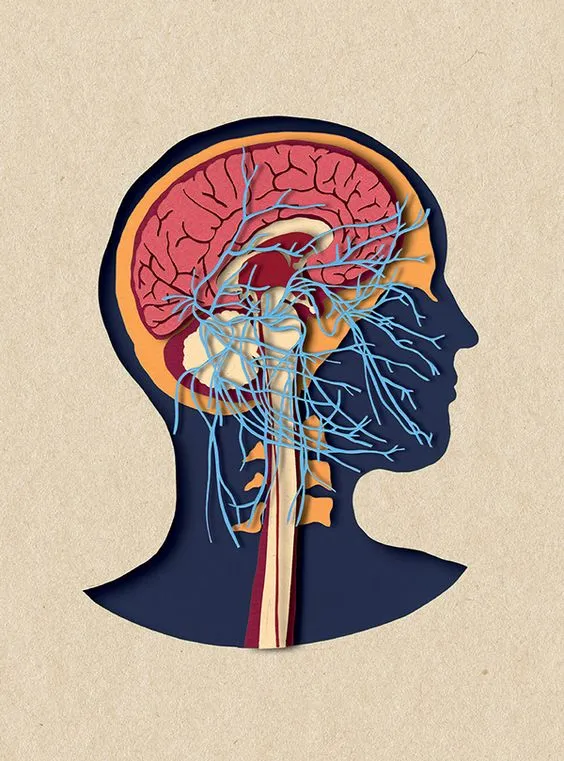

Most of my clients are accomplished professionals — dentists, doctors, and company founders with impressive careers.
Despite their success, they struggle with overthinking and procrastination, they can't seem to shake it.
But why?
Despite their success, they struggle with overthinking and procrastination, they can't seem to shake it.
But why?
Most therapy focuses on your conscious mind—the 10% you're aware of.
But Carl Jung discovered the real leverage point: Your unconscious mind already knows how to change. It's been trying to tell you.
You just haven't been listening.
Here's what I've observed:
But Carl Jung discovered the real leverage point: Your unconscious mind already knows how to change. It's been trying to tell you.
You just haven't been listening.
Here's what I've observed:


When we dig deeper, we often discover these high-performers aren't just dealing with work stress...
They're battling unresolved childhood trauma that conventional therapeutic approaches struggle to address, Gabor Mate said it best below...
And that's when the problem arises:
They're battling unresolved childhood trauma that conventional therapeutic approaches struggle to address, Gabor Mate said it best below...
And that's when the problem arises:
Traditional therapy often relies on CBT (Cognitive Behavioral Therapy), which focuses on identifying thought distortions:
"I'm no good"
"I'm crummy"
"I shouldn't be alive"
The theory? Recognize these as distortions and reframe them logically...
"I'm no good"
"I'm crummy"
"I shouldn't be alive"
The theory? Recognize these as distortions and reframe them logically...

VIDEO
According to Jung, you're not stuck because change is hard. You're stuck because you're attached to your "persona"—the mask you wear.
• The rebel
• The overachiever
• The people-pleaser
These roles feel safe, but they're prisons.
• The rebel
• The overachiever
• The people-pleaser
These roles feel safe, but they're prisons.

The ones who changed fastest?
Those who stopped trying to fix themselves and started trying to KNOW themselves.
Your psyche isn't broken. It's just operating on outdated software.
Those who stopped trying to fix themselves and started trying to KNOW themselves.
Your psyche isn't broken. It's just operating on outdated software.

Insight #1: Your "Flaws" Are Misdirected Strengths
Jung called this "shadow work."
That anger you suppress? It's passion without direction.
That greed you hide? It's ambition without purpose.
That fear you avoid? It's wisdom without context.
Stop fixing. Start redirecting.
Jung called this "shadow work."
That anger you suppress? It's passion without direction.
That greed you hide? It's ambition without purpose.
That fear you avoid? It's wisdom without context.
Stop fixing. Start redirecting.


I know successful CEO, with miserable life.
Rage issues destroying his company.
Traditional therapy: "Control your anger."
Jungian approach: "Where does your anger want to go?"
He channeled it into fierce protection of his team. Company thrived. Marriage saved.
Rage issues destroying his company.
Traditional therapy: "Control your anger."
Jungian approach: "Where does your anger want to go?"
He channeled it into fierce protection of his team. Company thrived. Marriage saved.
Insight #2: Your Body Changes Faster Than Your Mind
Jung discovered something therapists rarely discuss:
Your unconscious processes 11 million bits of information per second.
Your conscious mind? Only 40.
Want rapid change? Stop thinking. Start feeling.
Jung discovered something therapists rarely discuss:
Your unconscious processes 11 million bits of information per second.
Your conscious mind? Only 40.
Want rapid change? Stop thinking. Start feeling.
Try this experiment, next decision you face, notice:
• Where you feel it in your body
• What happens when you override it
• Your first gut instinct (before thinking)
• Where you feel it in your body
• What happens when you override it
• Your first gut instinct (before thinking)
Insight #3: Crisis Is Your Psyche Trying to Upgrade You
Most therapists treat crisis as something to "get through." Jung saw it differently:
Breakdown = breakthrough trying to happen.
Your psyche creates crisis when your conscious mind refuses to grow.
Freud explains:
Most therapists treat crisis as something to "get through." Jung saw it differently:
Breakdown = breakthrough trying to happen.
Your psyche creates crisis when your conscious mind refuses to grow.
Freud explains:

VIDEO
Jung himself had a 6-year psychological crisis.
Nearly lost his mind. But he didn't try to "fix" it. He explored it. Result? Discoveries that revolutionized psychology.
Your worst moment might be your psyche's attempt to free you.
Nearly lost his mind. But he didn't try to "fix" it. He explored it. Result? Discoveries that revolutionized psychology.
Your worst moment might be your psyche's attempt to free you.
Insight #4: You're Fighting Ancient Programming
Here's what therapy often misses:
You're not just dealing with your personal issues.
Jung discovered we inherit psychological patterns from thousands of years of human history.
You can't think your way out of ancient programming. But you can work WITH it.
Here's what therapy often misses:
You're not just dealing with your personal issues.
Jung discovered we inherit psychological patterns from thousands of years of human history.
You can't think your way out of ancient programming. But you can work WITH it.

These "archetypes" run in the background like apps:
• The Hero program (must achieve)
• The Rebel program (must oppose)
• The Caregiver program (must help)
Change happens when you update the software, not when you pretend it doesn't exist.
• The Hero program (must achieve)
• The Rebel program (must oppose)
• The Caregiver program (must help)
Change happens when you update the software, not when you pretend it doesn't exist.
Insight #5: Integration Beats Elimination
Traditional therapy: "Let's get rid of your bad habits."
Jung's approach: "Let's understand what need they're serving."
Every behavior, even destructive ones, serves a purpose.
Find the purpose, redirect the energy. Change becomes effortless.
Traditional therapy: "Let's get rid of your bad habits."
Jung's approach: "Let's understand what need they're serving."
Every behavior, even destructive ones, serves a purpose.
Find the purpose, redirect the energy. Change becomes effortless.

What Jung Understood: You Already Know How to Change
Your unconscious has been sending you messages:
• Through your dreams
• Through your triggers
• Through what you judge in others
• Through your physical symptoms
You've just been taught to ignore them.
Your unconscious has been sending you messages:
• Through your dreams
• Through your triggers
• Through what you judge in others
• Through your physical symptoms
You've just been taught to ignore them.
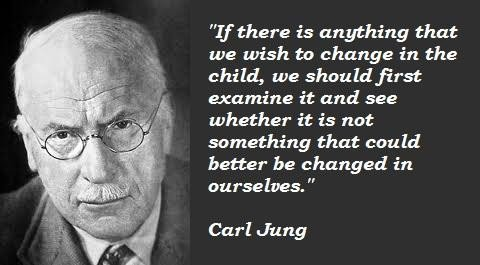
Here's what 20 years of practice taught me:
People don't change because they find the right technique. They change because they finally stop fighting who they really are.
Jung called it "individuation"—becoming whole by accepting all parts of yourself.
People don't change because they find the right technique. They change because they finally stop fighting who they really are.
Jung called it "individuation"—becoming whole by accepting all parts of yourself.
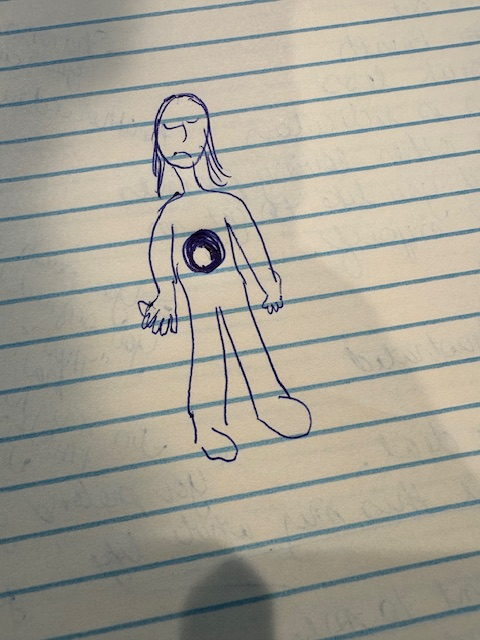
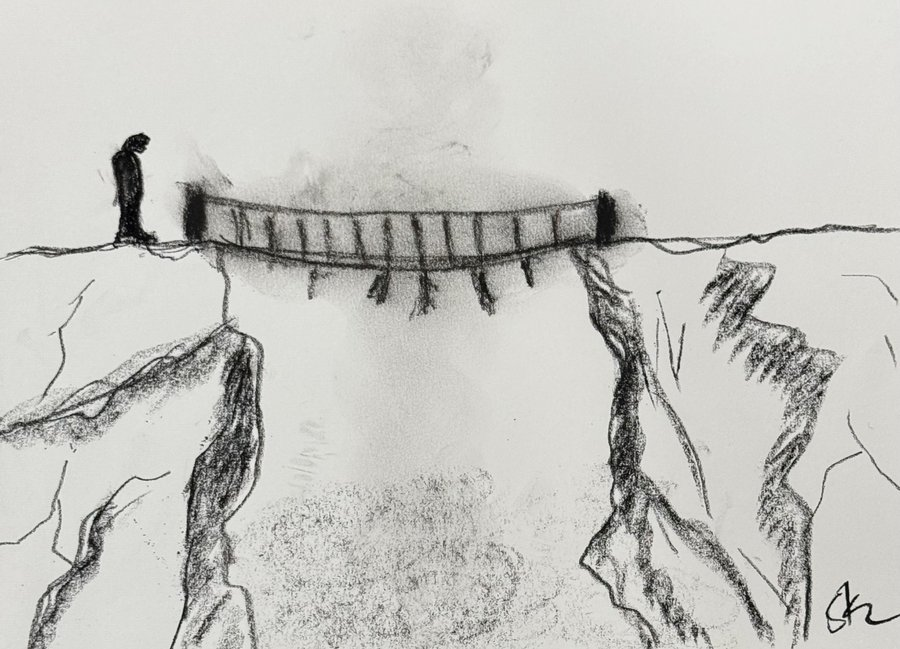
Through art therapy, professionals discover they don't need to think their way out of trauma.
Sometimes the path to healing brilliant minds requires putting down the spreadsheets and picking up crayons.
Here are 2 recent drawings from 2 clients.
This is healing process at work.
Sometimes the path to healing brilliant minds requires putting down the spreadsheets and picking up crayons.
Here are 2 recent drawings from 2 clients.
This is healing process at work.
Most therapy keeps you comfortable by focusing on symptom management.
Real change requires discomfort—meeting your shadow, dropping your mask, and integrating your whole self.
It's not harder than staying stuck. It just feels scarier because it's unfamiliar.
Real change requires discomfort—meeting your shadow, dropping your mask, and integrating your whole self.
It's not harder than staying stuck. It just feels scarier because it's unfamiliar.
Generated by Thread Navigator
Press ⌘ + S to quick-export