In 1994, archaeologists found a 7,000-year-old temple so strange they almost buried it again.
The Göbekli Tepe was by prehistoric hunter-gatherers without metal, tools, or language.
If you think the Pyramid was impressive, this would blow your mind: 🧵


For centuries, locals in Anatolia called it "Potbelly Hill" - just a 50-meter mound where sheep grazed.
In 1963, researchers from the University of Chicago and Istanbul University dismissed it as a medieval cemetery.
Schmidt saw something in their reports that didn't look right...
In 1963, researchers from the University of Chicago and Istanbul University dismissed it as a medieval cemetery.
Schmidt saw something in their reports that didn't look right...

VIDEO

He had to check it himself.
Schmidt returned with five colleagues and found megaliths buried just below the surface.
Some were so shallow that plow blades had scarred their tops.
Schmidt returned with five colleagues and found megaliths buried just below the surface.
Some were so shallow that plow blades had scarred their tops.
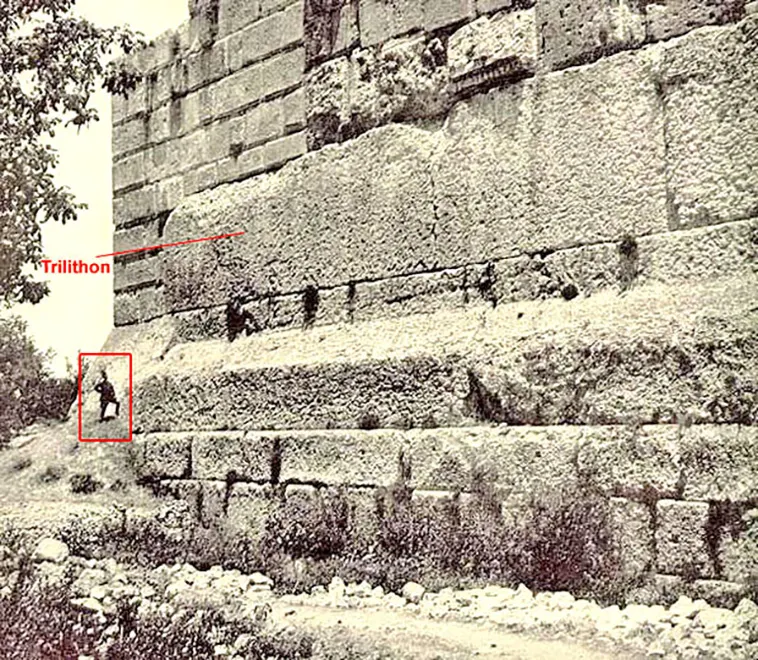
This was Göbekli Tepe – a site with T-shaped limestone pillars arranged in 20-meter diameter circles.
Radiocarbon dating placed these structures between 9600-8000 BCE.
That's 7,000 years before the invention of writing.
Radiocarbon dating placed these structures between 9600-8000 BCE.
That's 7,000 years before the invention of writing.
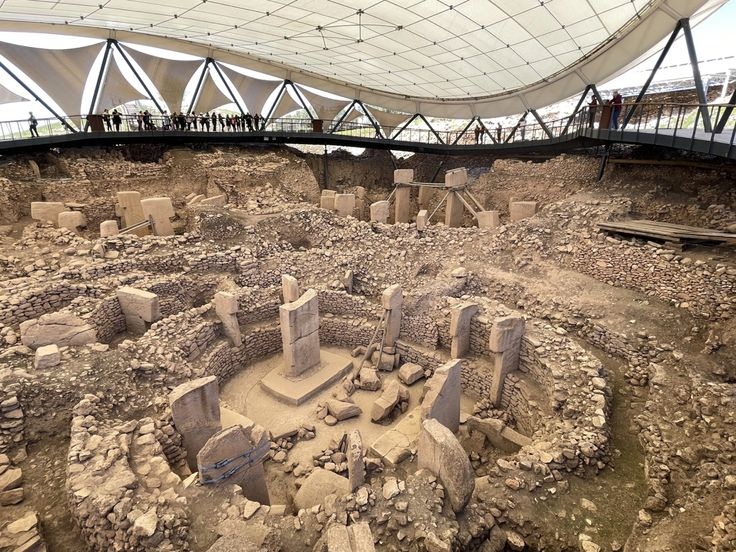
6,000 years before Stonehenge.
And most shocking – before humans had supposedly invented farming and settled down.
Everything we believed about early humans followed this order:
And most shocking – before humans had supposedly invented farming and settled down.
Everything we believed about early humans followed this order:

VIDEO
• Develop agriculture (around 10,000 BCE)
• Form permanent settlements
• Only then build complex structures
Göbekli Tepe destroyed this entire timeline. The pillars existed BEFORE farming.
• Form permanent settlements
• Only then build complex structures
Göbekli Tepe destroyed this entire timeline. The pillars existed BEFORE farming.

The T-shaped pillars weigh up to 10 tons each.
They feature detailed carvings of birds, foxes, lions, and scorpions.
All these were carved with stone tools, without metal, by people we thought lacked the social organization to create something this complex.
They feature detailed carvings of birds, foxes, lions, and scorpions.
All these were carved with stone tools, without metal, by people we thought lacked the social organization to create something this complex.

The site has at least 2 main layers:
• Layer 3 (oldest): Large circular enclosures from 9600-8800 BCE
• Layer 2: Smaller rectangular structures from 7500-6000 BCE
The evidence shows some structures were intentionally buried by their builders.
• Layer 3 (oldest): Large circular enclosures from 9600-8800 BCE
• Layer 2: Smaller rectangular structures from 7500-6000 BCE
The evidence shows some structures were intentionally buried by their builders.
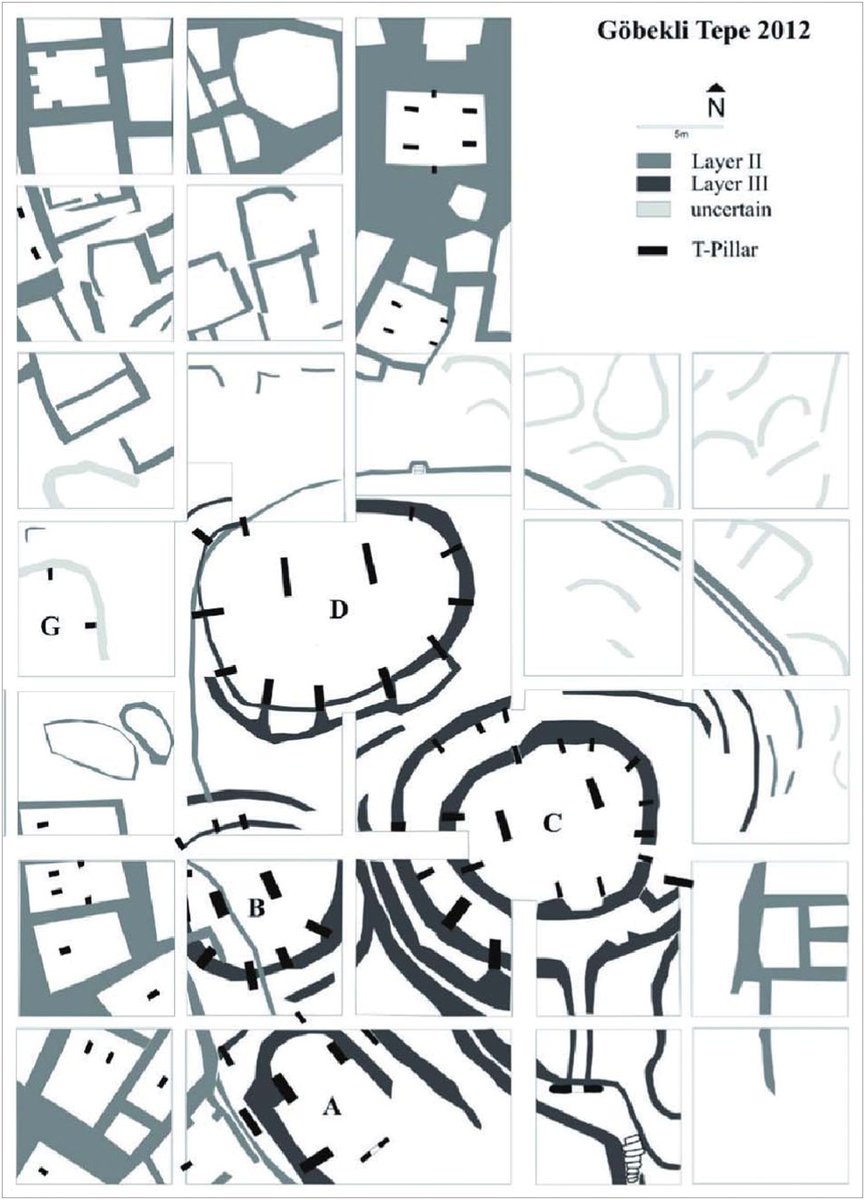
A 2020 study in the Cambridge Archaeological Journal revealed something stunning.
Using computer analysis, archaeologists Gil Haklay and Avi Gopher found three enclosures formed a precise equilateral triangle.
Using computer analysis, archaeologists Gil Haklay and Avi Gopher found three enclosures formed a precise equilateral triangle.

Their centers are exactly 19 meters apart - showing sophisticated planning.
Multiple archaeologists believe different groups from across the region considered this area sacred.
Multiple archaeologists believe different groups from across the region considered this area sacred.

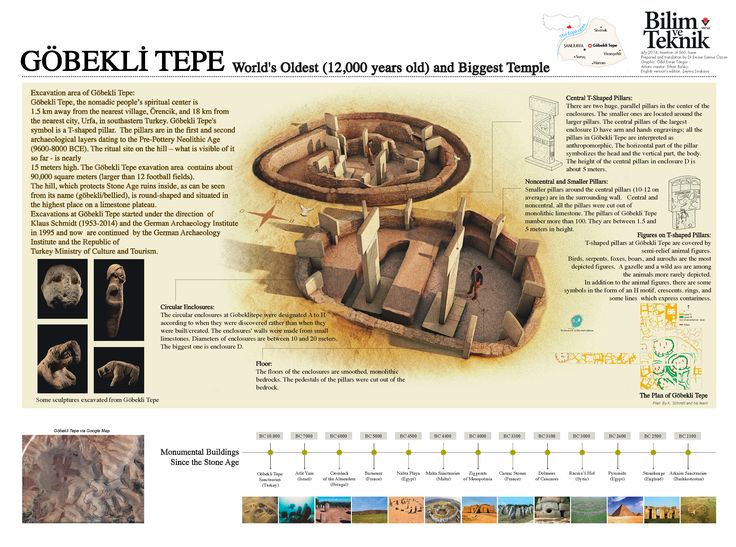
They converged here to build these enclosures, suggesting Göbekli Tepe served as a regional gathering place.
This wasn't just one community - it was a collective achievement.
This wasn't just one community - it was a collective achievement.
The builders quarried and moved stones weighing tons without:
• Metal tools
• Wheels or pulleys
• Domesticated animals
• Writing to coordinate
All while hunting daily food to survive.
• Metal tools
• Wheels or pulleys
• Domesticated animals
• Writing to coordinate
All while hunting daily food to survive.

How did they feed the workers?
The site contains many butchered animal bones.
After Schmidt's death in 2014, excavations continued.
During construction of a protective canopy, workers dug down to the bedrock.
The site contains many butchered animal bones.
After Schmidt's death in 2014, excavations continued.
During construction of a protective canopy, workers dug down to the bedrock.
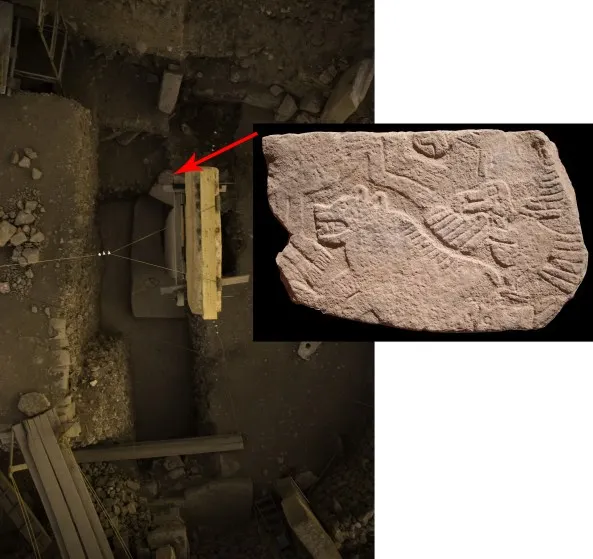
These newer excavations revealed evidence of houses, a large cistern, water channels, and thousands of grain grinding tools.
Lee Clare, who continued the work after Schmidt, told BBC in 2021:
Lee Clare, who continued the work after Schmidt, told BBC in 2021:

VIDEO
"Göbekli Tepe was a fully-fledged settlement with permanent occupation. It changed our whole understanding of the site."
This wasn't just a temple. People likely lived here year-round.
This wasn't just a temple. People likely lived here year-round.
This raises a mind-blowing possibility:
What if religion and community came BEFORE farming?
Did people gather to build sacred sites, and only later develop agriculture to feed the workers and pilgrims?
The entire history of civilization might be backwards.
What if religion and community came BEFORE farming?
Did people gather to build sacred sites, and only later develop agriculture to feed the workers and pilgrims?
The entire history of civilization might be backwards.

VIDEO
Since Göbekli Tepe's discovery, dozens of similar sites have been found across Turkey:
• Karahan Tepe (40km from Göbekli, with 266 T-shaped pillars)
• Boncuklu Tarla (300km east, possibly 1,000 years older)
• Multiple hilltop sites with similar architecture
Karahan Tepe contains something unique:
• Karahan Tepe (40km from Göbekli, with 266 T-shaped pillars)
• Boncuklu Tarla (300km east, possibly 1,000 years older)
• Multiple hilltop sites with similar architecture
Karahan Tepe contains something unique:
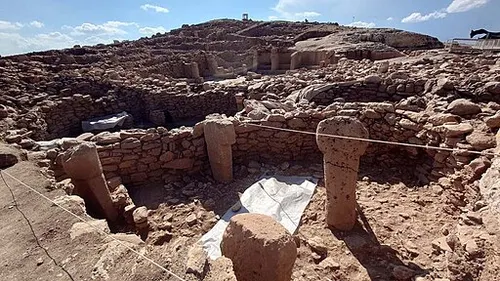

Carved human figures, unlike Göbekli's animal-focused art.
One structure displays 11 giant stone phalluses overlooked by a bearded head with a serpent's body.
This suggests a shift in how humans saw themselves in relation to nature.
What makes all this more amazing?
One structure displays 11 giant stone phalluses overlooked by a bearded head with a serpent's body.
This suggests a shift in how humans saw themselves in relation to nature.
What makes all this more amazing?

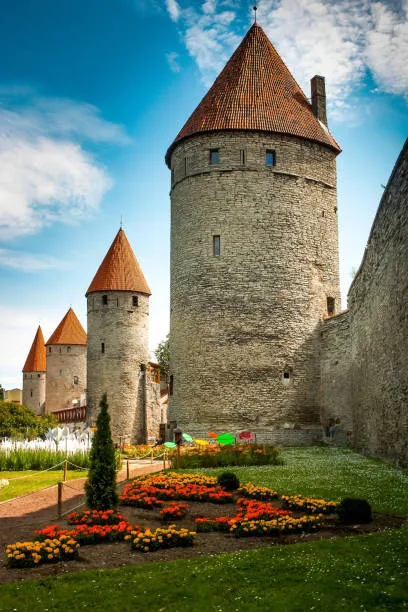
The tower of Jericho - from the world's oldest continuously inhabited city - was built around 10,000 BCE.
Unlike Göbekli Tepe, Jericho adapted through time, transitioning to farming around 5,000 BCE.
Most ancient cities eventually crumbled.
Unlike Göbekli Tepe, Jericho adapted through time, transitioning to farming around 5,000 BCE.
Most ancient cities eventually crumbled.
If you enjoyed this thread, follow @GeniusGTX for more extraordinary thinkers and ideas shaping our future.
We are ONE genius away from saving the world.
We are ONE genius away from saving the world.

Generated by Thread Navigator
Press ⌘ + S to quick-export