Most anxiety isn’t about fear.
It’s about belief.
Deep down, your nervous system is clinging to a story:
“If I perform perfectly, I will be loved.”
This thread will help you find that story—and rewrite it.🧵


Most people think anxiety is about:
– Rapid breathing
– Panic attacks
– Fight or flight
But at its core, anxiety is about a personal narrative.
– Rapid breathing
– Panic attacks
– Fight or flight
But at its core, anxiety is about a personal narrative.
You’re not reacting to fear of the future.
You’re reacting to a myth your body believes is true.
You’re reacting to a myth your body believes is true.


It's not distorted thoughts like CBT would say.
You're reacting to a survival myth you developed as a child.
Stories your nervous system clings to:
“If I don’t please others, I’ll be abandoned.”
“If I relax, I’ll lose control and be harmed.”
You're reacting to a survival myth you developed as a child.
Stories your nervous system clings to:
“If I don’t please others, I’ll be abandoned.”
“If I relax, I’ll lose control and be harmed.”

VIDEO
CBT asks: “Is this thought irrational?” or "distorted?"
But your body says:
“I don't care if it's irrational, I want to survive.”
As children, we tell ourselves stories that help us make sense of the chaos.
But your body says:
“I don't care if it's irrational, I want to survive.”
As children, we tell ourselves stories that help us make sense of the chaos.
We absorb emotional pain, and our brain scrambles to find MEANING:
“Why did Daddy get angry?”
“Why did Mom go cold?”
“Why does love feel unsafe?”
And in that confusion, we tell a meaningful story to make sense of our world.
“Why did Daddy get angry?”
“Why did Mom go cold?”
“Why does love feel unsafe?”
And in that confusion, we tell a meaningful story to make sense of our world.
The story--our myth-- becomes the blueprint for our adult life.
“If people close to me get upset, I’ll be abandoned.”
“If I stop striving, everything in my life will collapse.”
“If I get too close to someone, I’ll be hurt.”
These aren't distorted thoughts like all-or-nothing thinking.
These are stories of emotional survival and core beliefs, built before we had words to express our needs.
“If people close to me get upset, I’ll be abandoned.”
“If I stop striving, everything in my life will collapse.”
“If I get too close to someone, I’ll be hurt.”
These aren't distorted thoughts like all-or-nothing thinking.
These are stories of emotional survival and core beliefs, built before we had words to express our needs.
Here’s the tragic part:
These beliefs helped us when we were young.
But become traps as adults.
They lead to:
– Overthinking
– People-pleasing
– Chronic anxiety
These beliefs helped us when we were young.
But become traps as adults.
They lead to:
– Overthinking
– People-pleasing
– Chronic anxiety

VIDEO
You’re not dysfunctional.
You’re repeating an outdated survival myth.
This is what Freud called repetition compulsion:
The unconscious drive to repeat early emotional wounds,
hoping this time, the end will be different.
You’re repeating an outdated survival myth.
This is what Freud called repetition compulsion:
The unconscious drive to repeat early emotional wounds,
hoping this time, the end will be different.

But it never is.
Because the myth has never changed.
You grow up believing you're unloved.
And you repeat unlovable things, believing the world has something against you.
Because the myth has never changed.
You grow up believing you're unloved.
And you repeat unlovable things, believing the world has something against you.
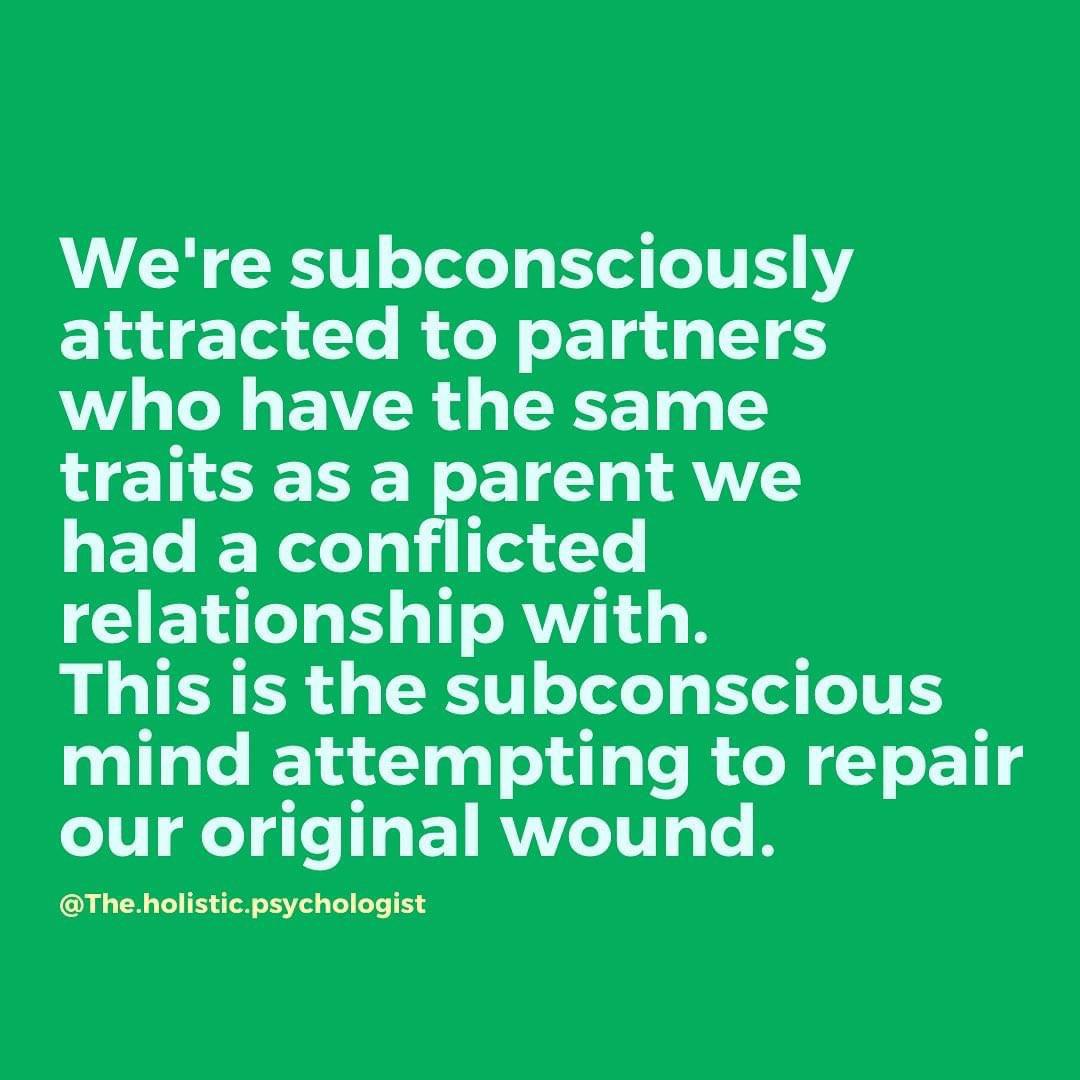
Your beliefs are like the lens of a mirror you carry inside.
When the lens is clear and supportive, you see yourself as capable, worthy, and whole—even when life is hard.
But when the lens is cracked or warped (by past wounds), your reflection seems distorted—like you're not enough, or always to blame.
When the lens is clear and supportive, you see yourself as capable, worthy, and whole—even when life is hard.
But when the lens is cracked or warped (by past wounds), your reflection seems distorted—like you're not enough, or always to blame.

Let me explain…
When you overthink, you don’t overthink FACTS.
You overthink the MEANING of something:
– “Did I say something wrong?”
– “What if they’re mad at me?”
– “What if I didn’t do enough?”
When you overthink, you don’t overthink FACTS.
You overthink the MEANING of something:
– “Did I say something wrong?”
– “What if they’re mad at me?”
– “What if I didn’t do enough?”
Underneath the negative overthinking loops are CORE beliefs.
If you were raised in chaos and shame:
1. Rage becomes your norm.
2. Control becomes your compass.
3. Performance becomes your identity.
If you were raised in chaos and shame:
1. Rage becomes your norm.
2. Control becomes your compass.
3. Performance becomes your identity.

VIDEO
Jung called this the power of the personal myth.
Our personal myths can be a blessing or a curse.
If we live from our childhood beliefs --like "I'm never good enough"-- we DIMINISH OUR life.
If we REWRITE OUR MYTH, we live from transformation.
Our personal myths can be a blessing or a curse.
If we live from our childhood beliefs --like "I'm never good enough"-- we DIMINISH OUR life.
If we REWRITE OUR MYTH, we live from transformation.

Here are the steps out of suffering...
Step 1: Notice your personal myth.
Catch the moment you’re spiraling.
Ask:
“What story is my body believing right now?”
Become aware of your myth, and you will loosen its grip.
Step 1: Notice your personal myth.
Catch the moment you’re spiraling.
Ask:
“What story is my body believing right now?”
Become aware of your myth, and you will loosen its grip.


Step 2: Sit with the discomfort.
Your childhood myth was built to avoid pain.
So healing requires feeling what the story was shielding you from.
1. Allow yourself to grieve.
2. Allow yourself to feel sorrow.
3. Allow yourself to be angry.
That’s how you transform —by witnessing what you couldn’t before.
Your childhood myth was built to avoid pain.
So healing requires feeling what the story was shielding you from.
1. Allow yourself to grieve.
2. Allow yourself to feel sorrow.
3. Allow yourself to be angry.
That’s how you transform —by witnessing what you couldn’t before.
Step 3: Create new meanings and new stories.
When you change your story, you change your life.
Through:
– Shadow work
– Grief rituals
– Embodied practices
– Walking outdoors without devices
– Speaking your truth
You rewire your whole nervous system—not just your thinking.
When you change your story, you change your life.
Through:
– Shadow work
– Grief rituals
– Embodied practices
– Walking outdoors without devices
– Speaking your truth
You rewire your whole nervous system—not just your thinking.

Here’s the truth:
1. You don’t have to perform perfectly to be loved.
2. You don’t have to control everything to feel safe.
3. You don’t have to be Sisyphus rolling the rock up the hill.
You need to rewrite your story.
1. You don’t have to perform perfectly to be loved.
2. You don’t have to control everything to feel safe.
3. You don’t have to be Sisyphus rolling the rock up the hill.
You need to rewrite your story.


I'm Lorwen, a PhD clinical psychologist from @UTAustin, who worked with the Dalai Lama and is a Harvard-trained CBT specialist @Harvard University.
.
I help people heal from trauma and psychological issues.
If you're ready to break free from painful patterns, book a call with me to map your path to mental freedom:
calendly.com/lorwen_consult…
.
I help people heal from trauma and psychological issues.
If you're ready to break free from painful patterns, book a call with me to map your path to mental freedom:
calendly.com/lorwen_consult…
Generated by Thread Navigator
Press ⌘ + S to quick-export