Race Mixing is a Sin -
A Thread 🧵

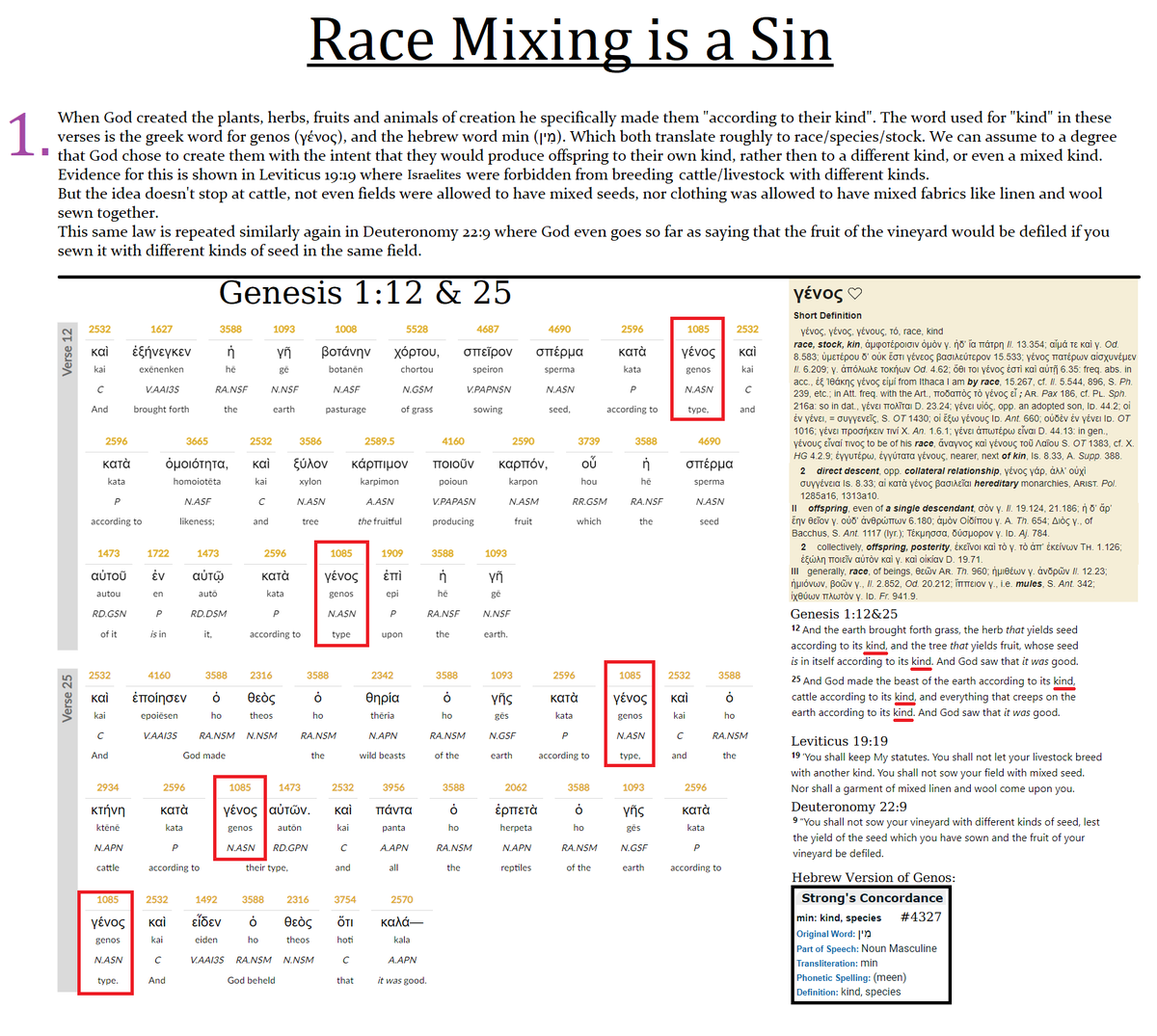


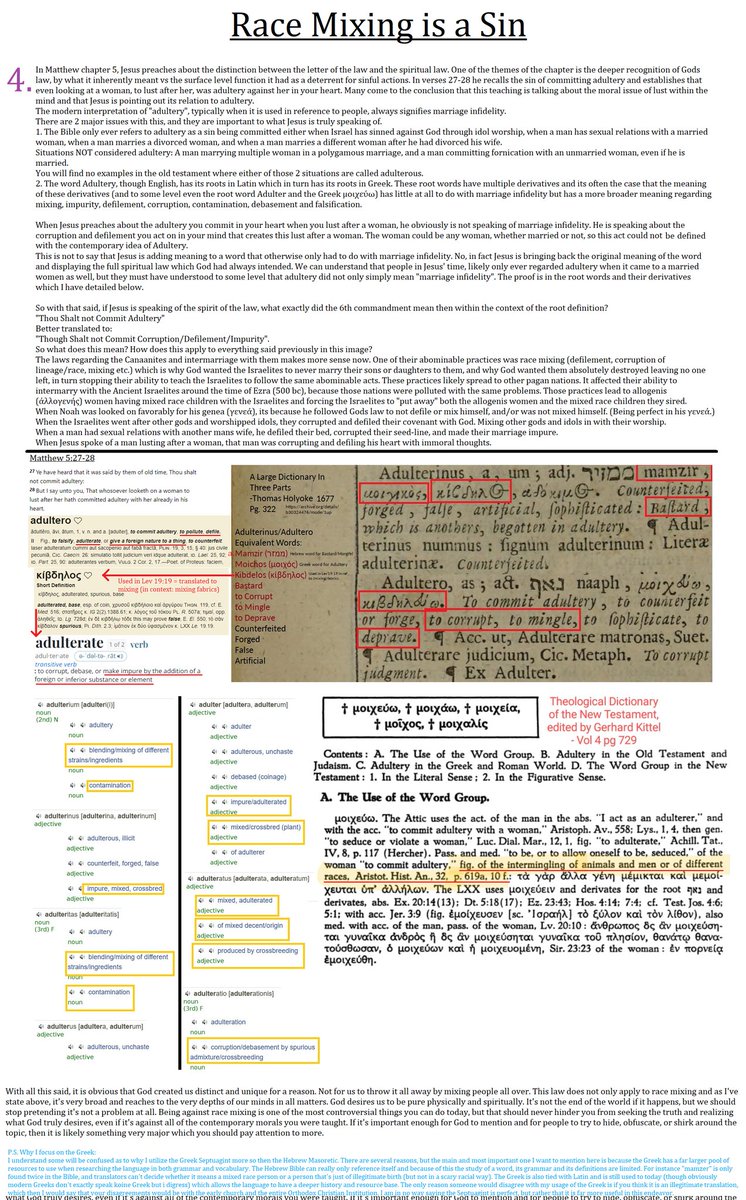
TL;DR:
Its a form of Adultery. A sin against one of the 10 commandments of God (#6/7).
Think of this: "Pitbulls are the result of adulteration between Bulldogs and Terriers".
Definition wise, this sentence works. It is simply that the root word "adulter" has changed over time.
Its a form of Adultery. A sin against one of the 10 commandments of God (#6/7).
Think of this: "Pitbulls are the result of adulteration between Bulldogs and Terriers".
Definition wise, this sentence works. It is simply that the root word "adulter" has changed over time.
DISCLAIMER: I am in no way saying that you must believe this to be Christian, but if you dismiss this entire thread just because "racism bad", then you are truly too deep and far gone within the contemporary cultural morality, and I would seriously question your salvation.
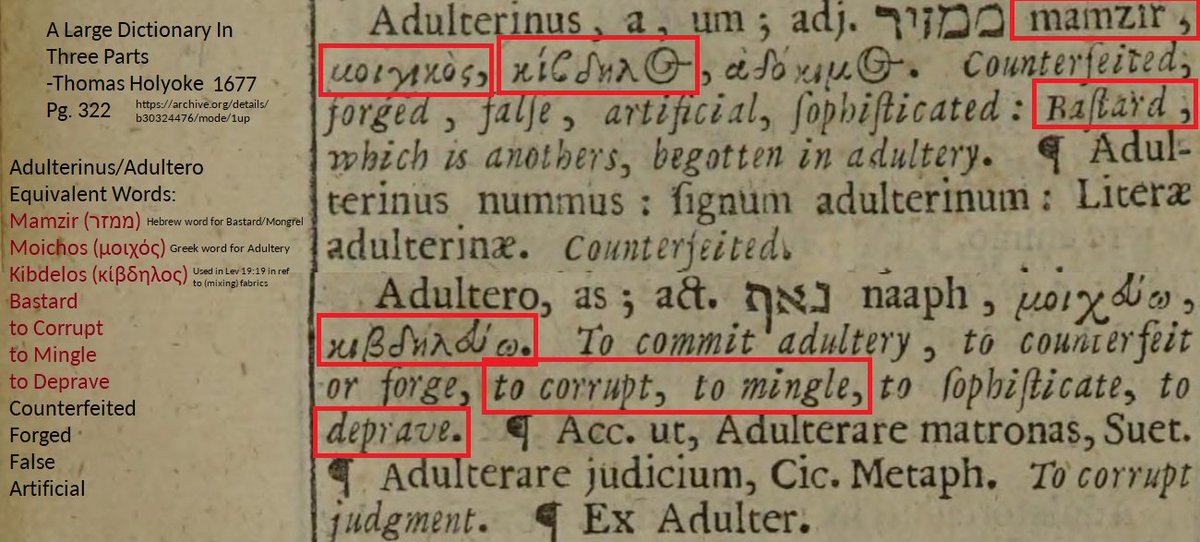
1. Historically Speaking, miscegenation was not fondly looked at; but it was rare enough that its likely not spoken of often in writings. If it did occur, the progeny were considered illigitimate; bastards, or mongrels. Theres a notion of corruption occuring in the family line.

2. The definition of Bastard has obviously changed, or rather broadened. Earlier use cases are now unused, and you will notice this is going to be a running theme in this thread. We have to understand how important context is in ancient writing, as definitions constantly evolve.
3. Morally today: why is it wrong? you may ask. It alienates the people, disintegrates culture, and causes the races culture to change (usually for worse). Kids born of such unions don't fair better; a selfish act that goes against the foundations laid by your ancestors and God.
4. There is always good reason for God to command something from us, and even if you may not fully agree with me, this conclusion does not come from a pernicious point of view. This is a complex subject, and I in no way take it lightly.
5. Back to the definition of "Bastard": Only used twice in the Hebrew (commonly translated) 1 of its uses can't be argued as anything but "Mongrel/Mixed Race" in meaning (Zech 9:6) But its other use is debated on mainly due to conflict with contemporary virtues. (Deut 23:2)
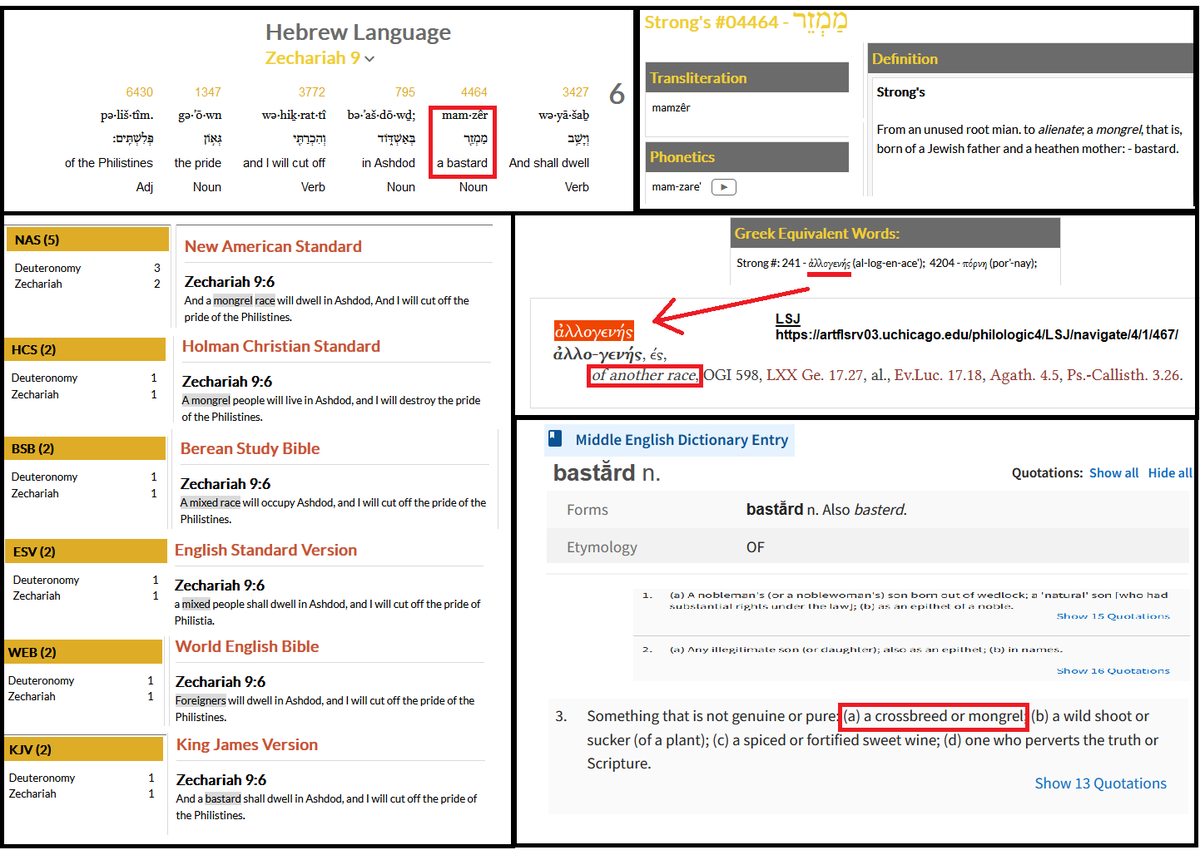
6. The issue isn't even with the translation, its with the definiton of illegitimite. The context for what is considered illigitimitate has changed, so even tho Deut 23:2 could easily refer to both out of wedlock AND mixed race offspring, modernity decides only the former is true
7. Thats the OT, we're in the NT now! Ne..neither jew nor greek! A clear misunderstanding of the NT when thinking this way. To think Christ denies the law, is in err. No he restablishes it thru correct spiritual interpretation, and I will give more examples as the thread goes on.

8. In Matt 12:39 Jesus calls the Pharisiac Jews an "adultetous generation" , or γενεά μοιχαλίς. Which a better modern translation would be "Corrupt/Mingled Race". Both the physical and spiritual corruption of these pharisees is true, but i will go ahead and explain why that is:

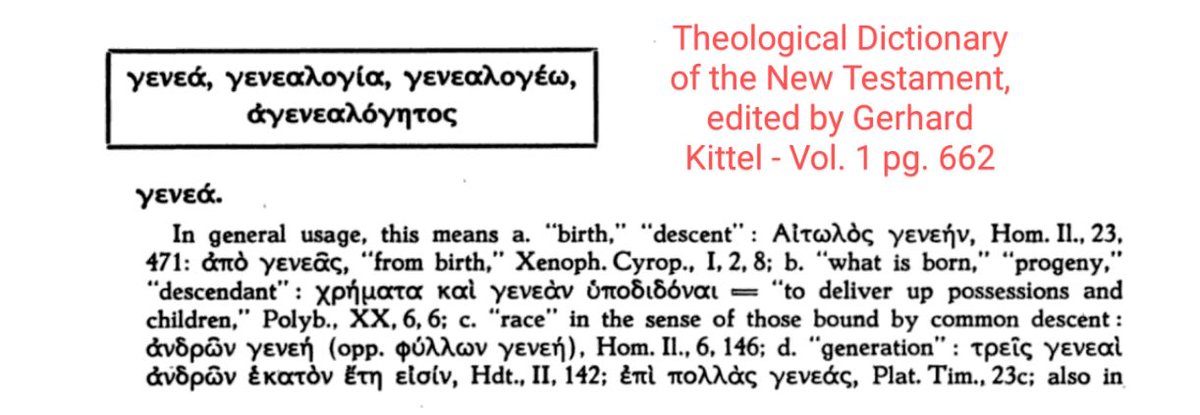
9. First - why generation regards to race. Again, words have evolved from their previous usage. Generation today refers to any type of people in a specific age range, sharing only cultural aspects, irrelevant to their ancestry. This isnt the case in the past, as per the image def
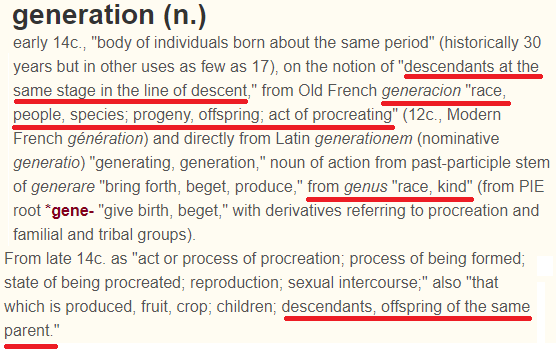
10. The translation of generation in the KJV/Similar comes from the greek genea(γενεά), in both OT and NT this often times refers to race, lineage, progeny or descent. Other times it refers to a definition closer to the modern version of generation.
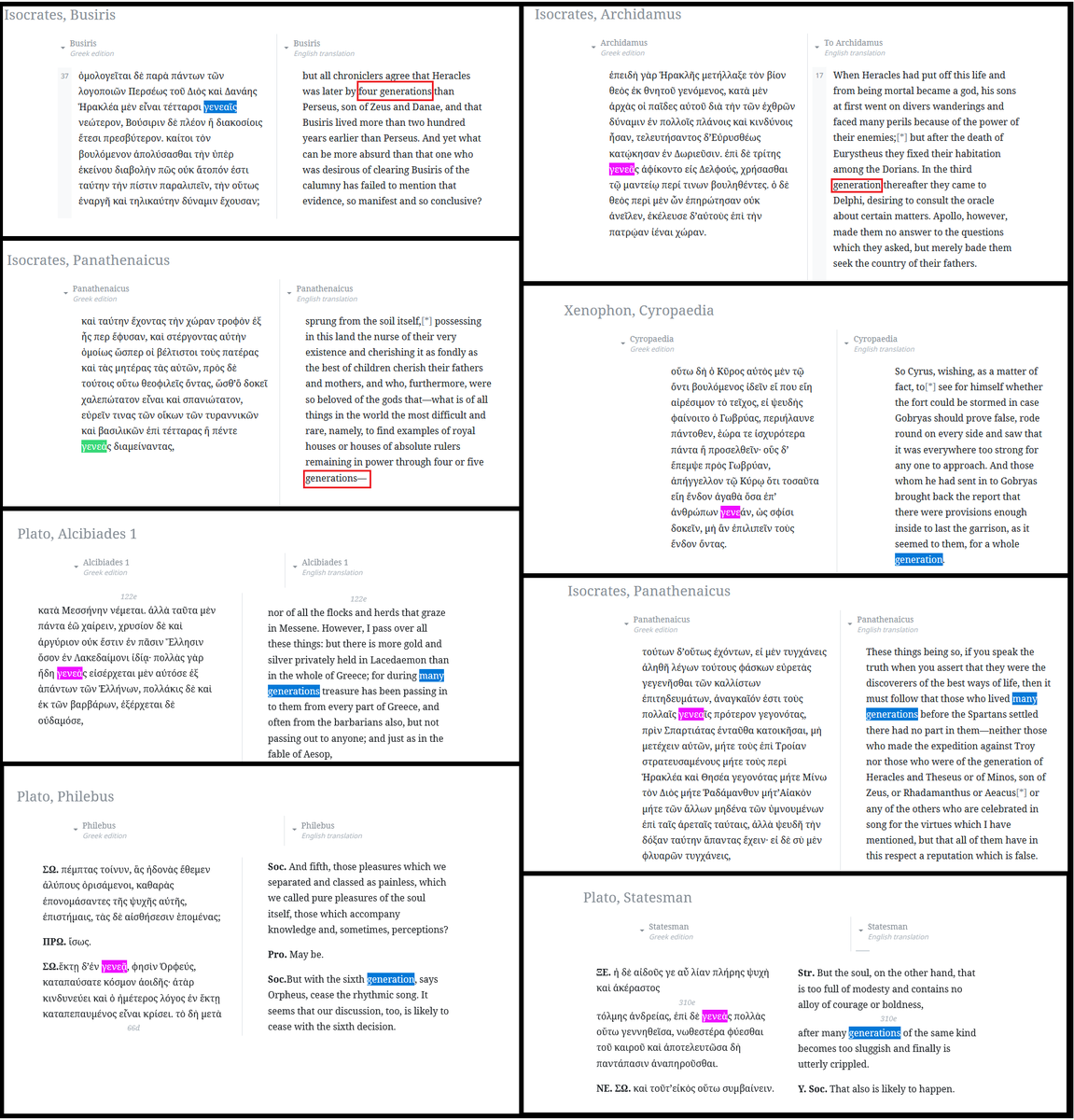
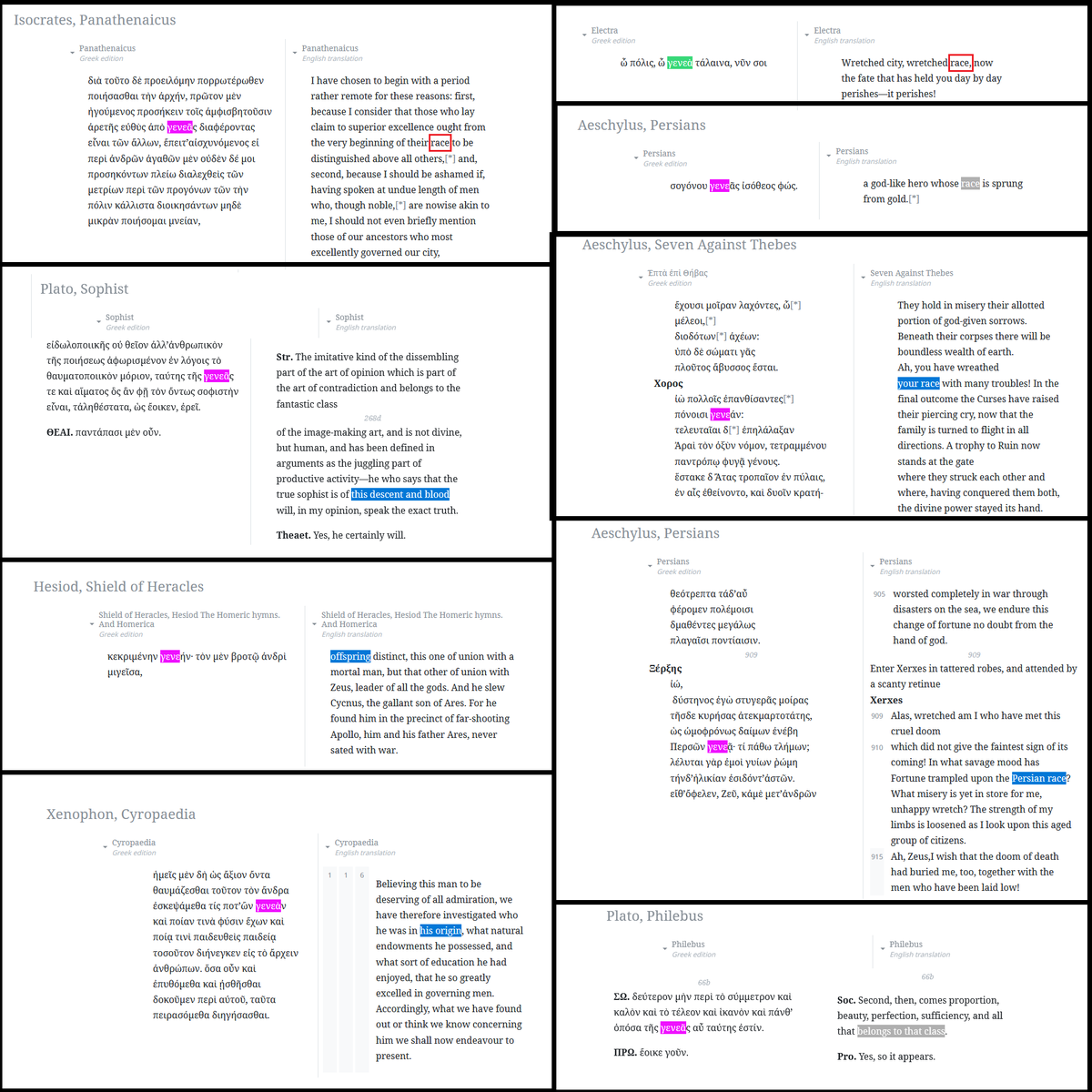
11. <genea(γενεά) in other Greek works image>
Tho genea, when refering to "many generations", is closer to our modern def, its still not the same. As genea refers to a particular ancestry of people in time; rather then possibly refering to total strangers born in the same decade
Tho genea, when refering to "many generations", is closer to our modern def, its still not the same. As genea refers to a particular ancestry of people in time; rather then possibly refering to total strangers born in the same decade
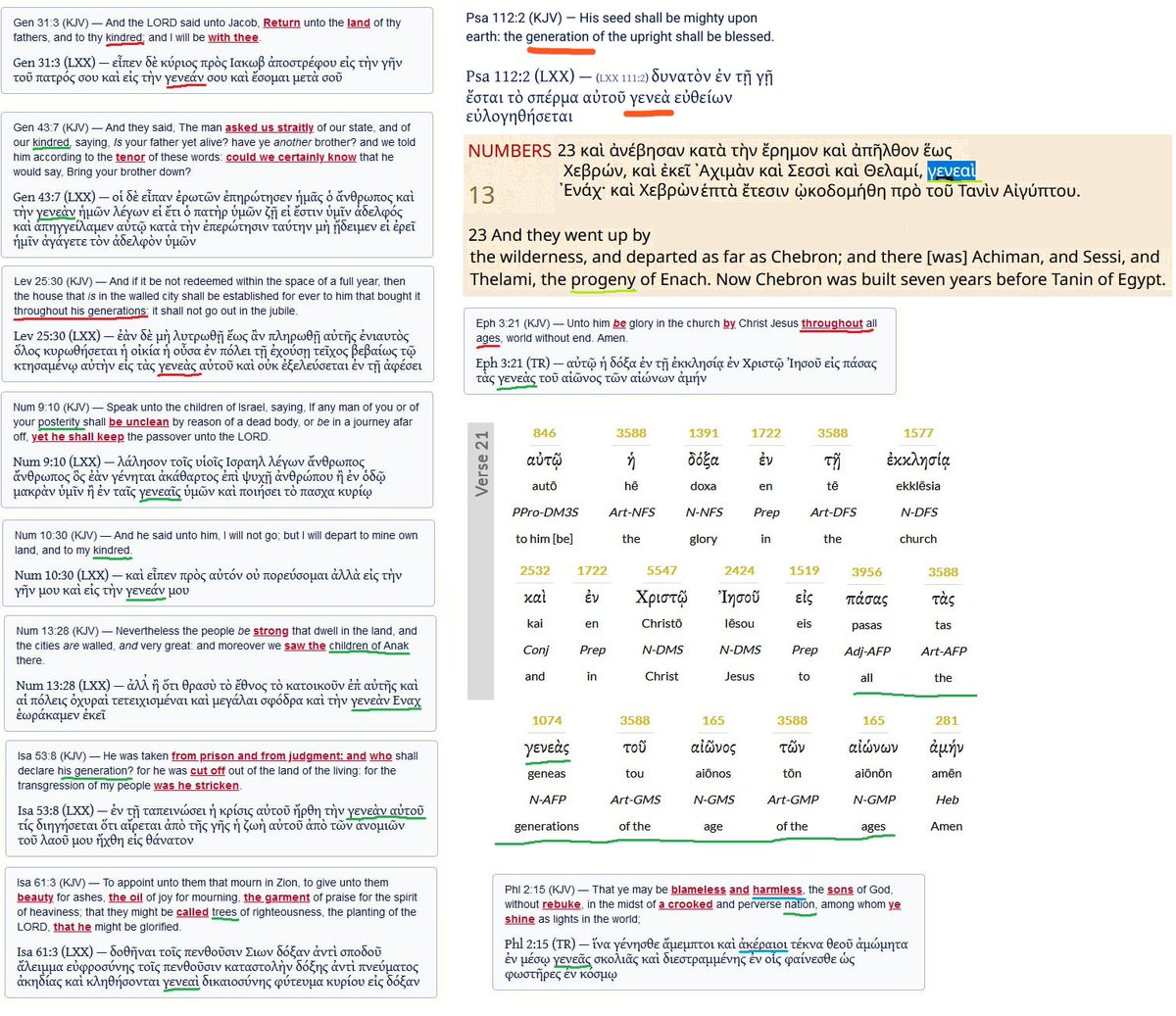
12. Lev 25:30 is a great example of this: "throughout his generations" could only refer to his particular lineage, as otherwise the context of the sentence wouldnt make sense. The rest of this image refers to further examples of the usage of genea(γενεά) in the Bible
13. In Matt 24:34, Jesus speaks about the end times refering to the Israelites with "this generation won't pass till all these things take place". This verse is confusing for many because of the misunderstanding of what generation/genea means. Race/Lineage removes this confusion
14. That "generation" has already passed, yet the end times aren't here. But when we understand what genea(γενεά) truly means then it all falls together. Jesus is speaking of their race, line of descent or progeny, and that it won't "pass" until all the prophecy is fullfilled.
15. So in Matt 12:39, Jesus is possibly refering to the adulterous "race" or lineage that made up the Pharisees. But how can they be corrupt or mongrels from a physical sense? Doesn't adultery refer to marriage infidelity?
Going with the theme of the thread: things have changed.
Going with the theme of the thread: things have changed.
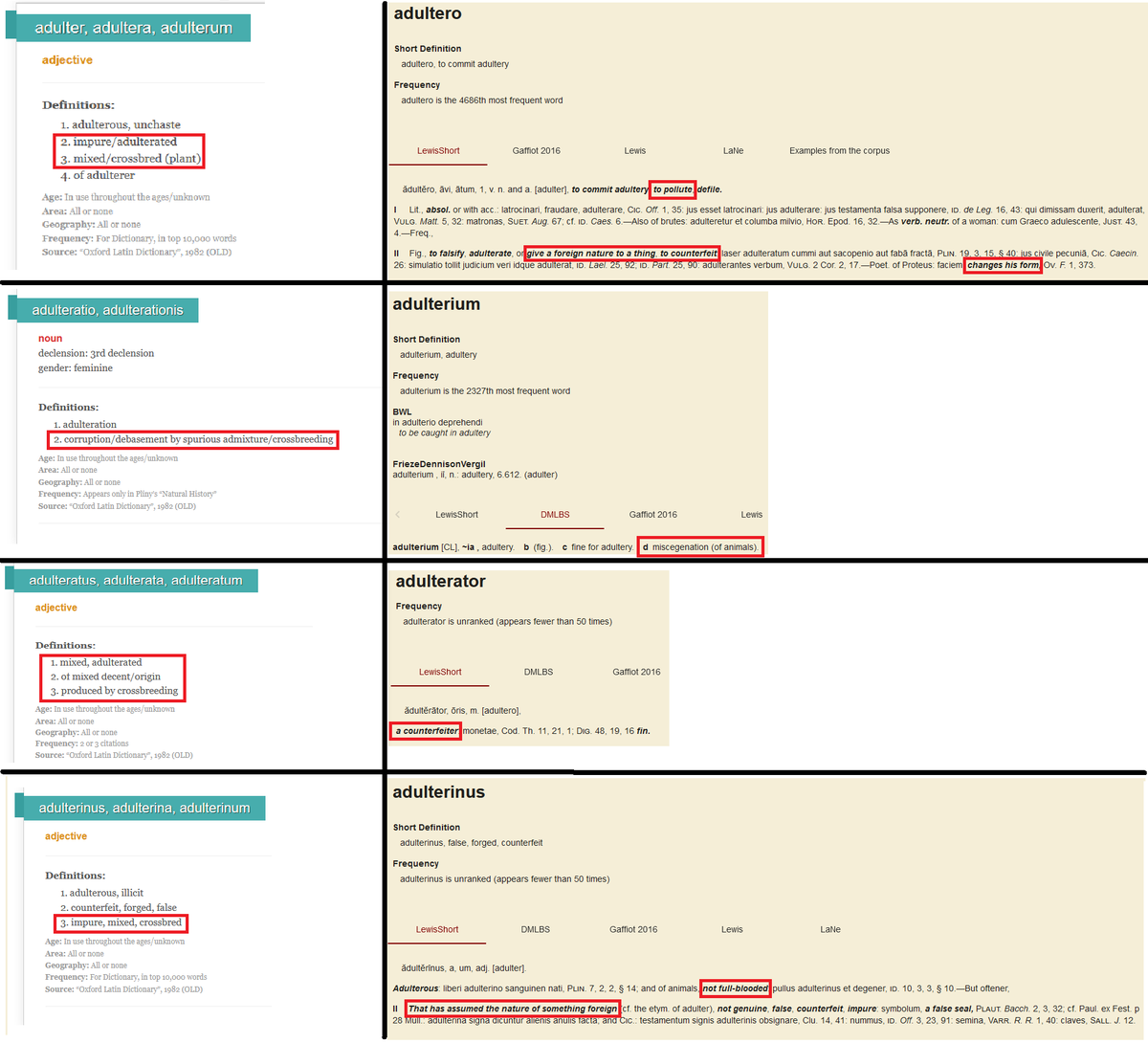
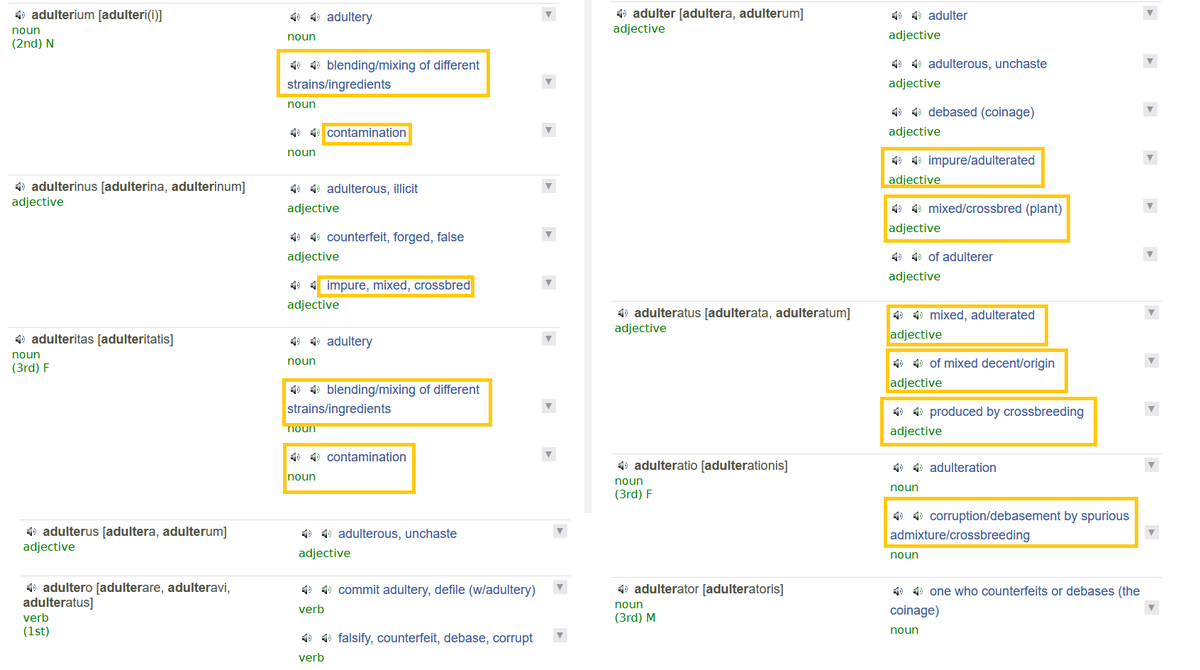
16. Yes, adultery can refer to marriage infidelity, but in Biblical terms its actually more nuanced then that. It isn't simply cheating, but rather the corruption of a covenenant, contract or promise. Even modern terms like "social contracts" can be adultered or corrupted

17. Think of the many instances where God proclaims that Israel has betrayed him and committed adultery, or in Matt 5:28 where Jesus says that even looking at a woman with lust was adultery in your heart. What we see today with words like adultery is called a semantic narrowing.
Generated by Thread Navigator
Press ⌘ + S to quick-export