
Understanding hyperpigmentation and melasma through the circadian lens — and how you can potentially fix these skin manifestations once and for all
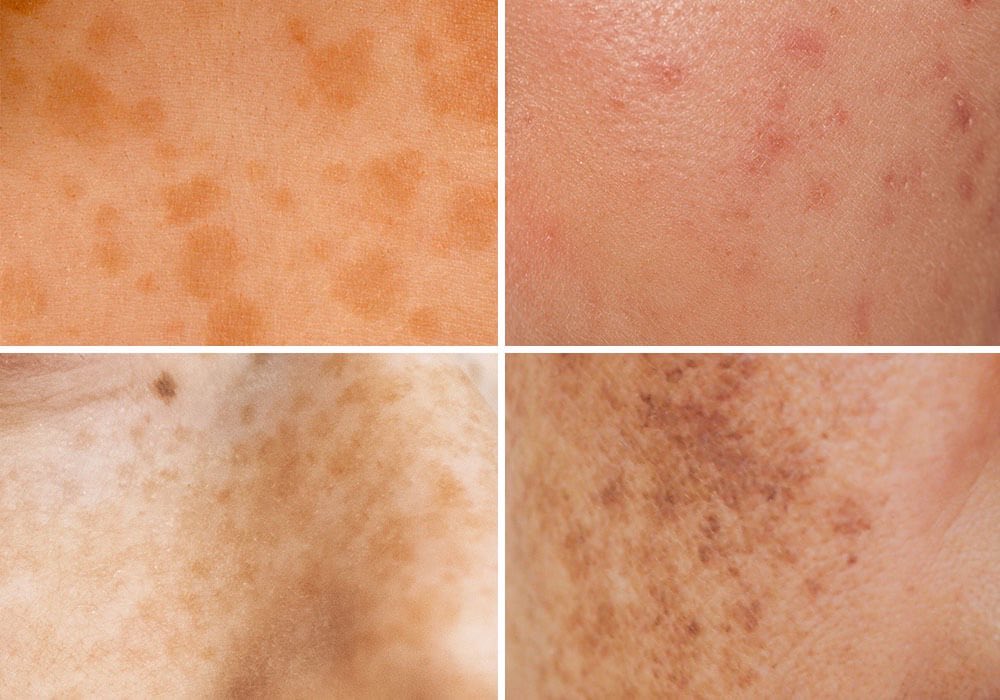
I’ve had a number of people ask me questions about melasma specifically, and hyperpigmentation generally
This thread will explore these skin manifestations through a circadian lens
This thread will explore these skin manifestations through a circadian lens

I’m stretching my learning muscles
I have never gone down the hyperpigmentation and melasma rabbit hole prior to my research for this, but this will be fruitful because I am well-versed in circadian first principles
Let’s bring a fresh pair of eyes to this
With that being said, I will not shy away from stating that there are other causes of hyperpigmentation that cannot be ignored
Based on what I’ve learned so far, combined with a circadian perspective, my position is that sunlight exposure is not the root cause of hyperpigmentation but rather a root cause solution
I have never gone down the hyperpigmentation and melasma rabbit hole prior to my research for this, but this will be fruitful because I am well-versed in circadian first principles
Let’s bring a fresh pair of eyes to this
With that being said, I will not shy away from stating that there are other causes of hyperpigmentation that cannot be ignored
Based on what I’ve learned so far, combined with a circadian perspective, my position is that sunlight exposure is not the root cause of hyperpigmentation but rather a root cause solution
Hyperpigmentation is a broad term that refers to any darkening of the skin due to an excess of melanin
Hyperpigmentation is not a specific condition, but rather a descriptive term for dark spots or patches on the skin
Hyperpigmentation is not a specific condition, but rather a descriptive term for dark spots or patches on the skin

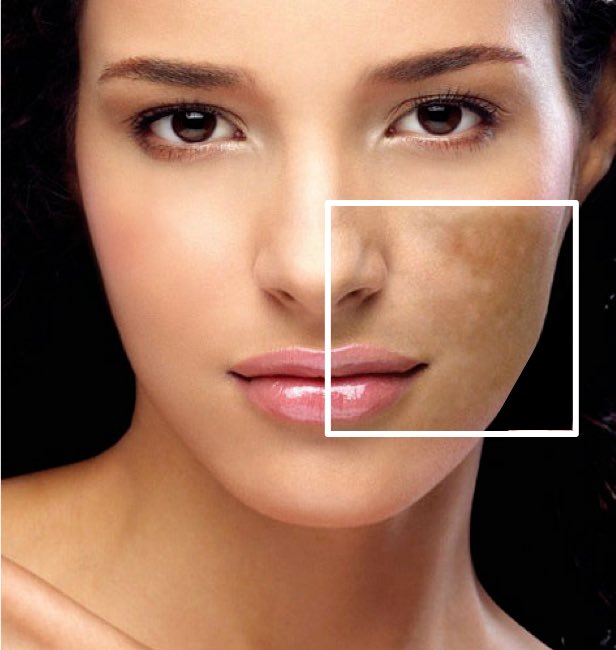
Melasma is a specific type of hyperpigmentation that presents as symmetric, brown or grayish patches on supposedly sun-exposed areas, most commonly the face (forehead, cheeks, upper lip, and jawline)
It’s often associated with hormonal influences (pregnancy, birth control pills, hormone therapy) and supposedly chronic sun exposure
Melasma is more common in women and individuals with darker skin tones (Fitzpatrick types III–VI)
It’s often associated with hormonal influences (pregnancy, birth control pills, hormone therapy) and supposedly chronic sun exposure
Melasma is more common in women and individuals with darker skin tones (Fitzpatrick types III–VI)
We’ll explore the first principles circadian perspective shortly
The most important thing to understand is this:
These skin manifestations point us in the direction of a dysfunctional skin barrier
The most important thing to understand is this:
These skin manifestations point us in the direction of a dysfunctional skin barrier
Modern medicine attributes hyperpigmentation to excess melanin production triggered by UV radiation, hormonal changes, inflammation, and genetics
Sun exposure is considered a primary cause, as UV-A and UV-B stimulate melanocytes, leading to sunspots and melasma
Hormonal shifts from pregnancy, birth control, or hormone therapy contribute to melasma, while post-inflammatory hyperpigmentation (PIH) results from skin trauma like acne, burns, or eczema
Other factors include certain medications, endocrine disorders, and genetics
Treatments typically involve topical depigmenting agents (hydroquinone, retinoids, vitamin C), laser therapies, and sun protection
Sun exposure is considered a primary cause, as UV-A and UV-B stimulate melanocytes, leading to sunspots and melasma
Hormonal shifts from pregnancy, birth control, or hormone therapy contribute to melasma, while post-inflammatory hyperpigmentation (PIH) results from skin trauma like acne, burns, or eczema
Other factors include certain medications, endocrine disorders, and genetics
Treatments typically involve topical depigmenting agents (hydroquinone, retinoids, vitamin C), laser therapies, and sun protection
However, little emphasis is placed on the impact of circadian rhythms, isolated blue light exposure, or sunlight deficiency, which are key areas that play a fundamental role into these skin manifestations
It would be ignorant to suggest otherwise because the skin barrier is fundamentally a circadian organ
Its function and appearance is married to circadian aligning habits, or lack thereof
It would be ignorant to suggest otherwise because the skin barrier is fundamentally a circadian organ
Its function and appearance is married to circadian aligning habits, or lack thereof
By now, we understand that blue light in isolation is a different biological input on the skin compared to blue light packaged within the sun’s full spectrum
There’s strong evidence to show that blue light in isolation damages the skin and impacts its function, which creates independent effects on pigmentation within the skin
There’s strong evidence to show that blue light in isolation damages the skin and impacts its function, which creates independent effects on pigmentation within the skin

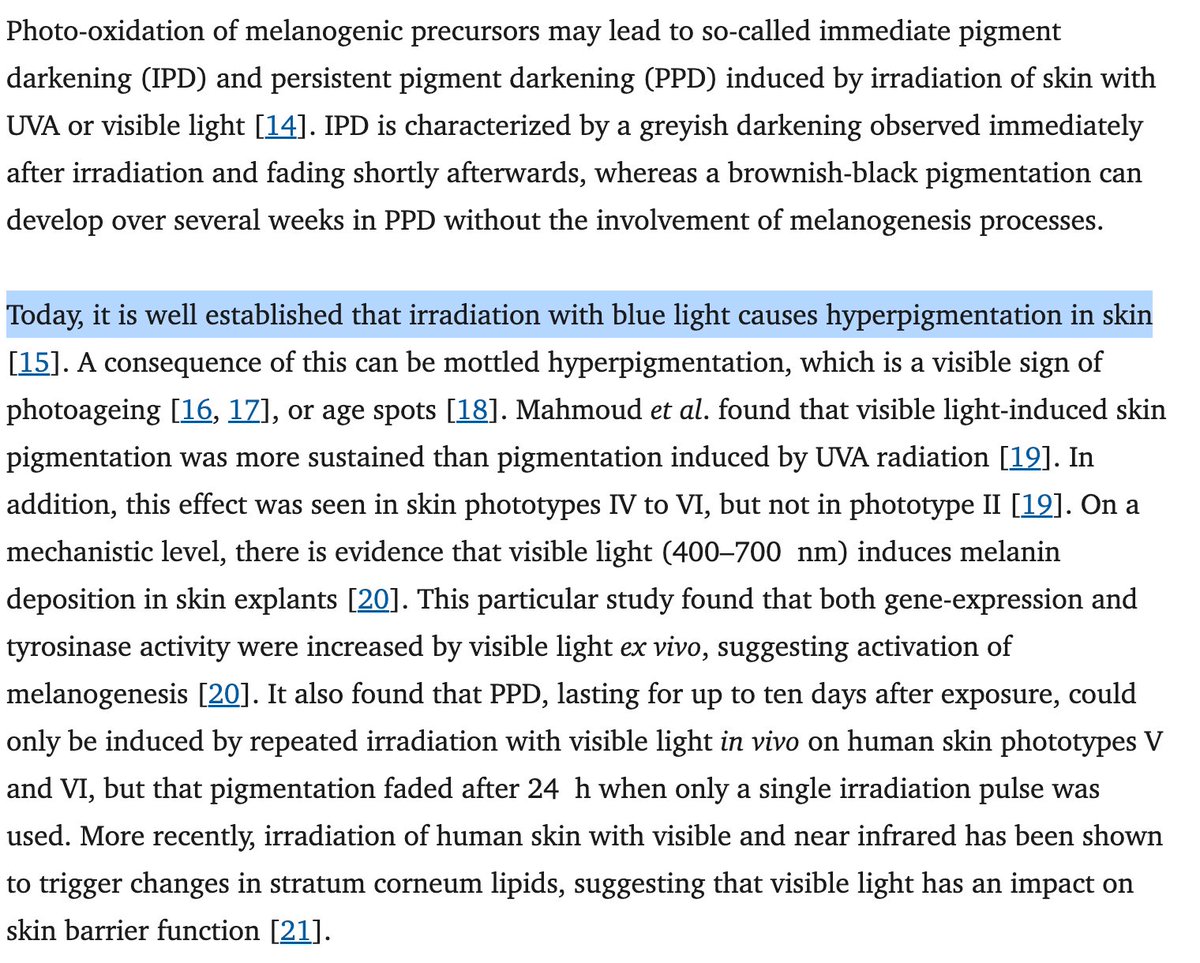
Furthermore, we know that photobiomodulation is a powerful tool for treating hyperpigmentation, melasma more specifically
Photobiomodulation is pointing towards the power of full spectrum sunlight, which is perfectly packaged for skin barrier function and pigmentation
Photobiomodulation is pointing towards the power of full spectrum sunlight, which is perfectly packaged for skin barrier function and pigmentation


We continue to go down the literature rabbit hole and find that isolated blue light can have an impact on skin pigmentation in relation to melasma patients
This study investigated how blue light exposure affects skin pigmentation in women with melasma compared to healthy women
Researchers exposed non-sun-exposed skin areas on the participants' backs to varying doses of blue light (20, 40, 60, and 80 J/cm²)
They found that at the lowest dose (20 J/cm²), melasma patients experienced less pigmentation change than healthy women
However, at higher doses (40–80 J/cm²), both groups showed similar pigmentation responses
These findings suggest that low-dose blue light has a milder effect on pigmentation in melasma patients, while higher doses impact both groups equally
It suggests that isolated blue light can impact the skin of melasma patients, but the effect depends on the dose
Take it with a grain of salt though
Screens and indoor lighting exposure are much lower than the study's test doses
I think there’s a lot more backing to this idea that isolated blue impacts the skin when we take everything into account, especially circadian disruption and circadian biology
This study investigated how blue light exposure affects skin pigmentation in women with melasma compared to healthy women
Researchers exposed non-sun-exposed skin areas on the participants' backs to varying doses of blue light (20, 40, 60, and 80 J/cm²)
They found that at the lowest dose (20 J/cm²), melasma patients experienced less pigmentation change than healthy women
However, at higher doses (40–80 J/cm²), both groups showed similar pigmentation responses
These findings suggest that low-dose blue light has a milder effect on pigmentation in melasma patients, while higher doses impact both groups equally
It suggests that isolated blue light can impact the skin of melasma patients, but the effect depends on the dose
Take it with a grain of salt though
Screens and indoor lighting exposure are much lower than the study's test doses
I think there’s a lot more backing to this idea that isolated blue impacts the skin when we take everything into account, especially circadian disruption and circadian biology

There’s more evidence on isolated blue light and its impact on the skin
What’s the mechanism behind isolated blue increasing hyperpigmentation?
Blue light can cause skin darkening through two main processes:
1. Melanin Production Increase: Opsin-3 Activation. Skin cells have light-sensitive receptors called opsins. When blue light activates Opsin-3 in melanocytes, it triggers a chain reaction inside the cell, leading to more melanin production and resulting in darker skin
2. Excess Oxidative Stress: Isolated blue light exposure leads to the formation of excess reactive oxygen species in the skin. These unstable molecules (in excess which is the nature of the modern isolated blue lit environment) damages cells and stimulates melanin production as a defense mechanism, contributing to hyperpigmentation
Isolated blue light can drive inflammation via the release of pro-inflammatory cytokines (e.g., IL-6, IL-1ß, TNF-a), further driving pigment production
The upregulation of Tyrosinase, the key enzyme in melanin production, becomes more active in response to isolated blue light exposure
Prolonged exposure worsens hyperpigmentation, which can exacerbate post-inflammatory hyperpigmentation (PIH), melasma, and dark spots
I maintain that it’s a leading cause which hasn’t been pieced together through centralized science because of their reductionist worldview
What’s the mechanism behind isolated blue increasing hyperpigmentation?
Blue light can cause skin darkening through two main processes:
1. Melanin Production Increase: Opsin-3 Activation. Skin cells have light-sensitive receptors called opsins. When blue light activates Opsin-3 in melanocytes, it triggers a chain reaction inside the cell, leading to more melanin production and resulting in darker skin
2. Excess Oxidative Stress: Isolated blue light exposure leads to the formation of excess reactive oxygen species in the skin. These unstable molecules (in excess which is the nature of the modern isolated blue lit environment) damages cells and stimulates melanin production as a defense mechanism, contributing to hyperpigmentation
Isolated blue light can drive inflammation via the release of pro-inflammatory cytokines (e.g., IL-6, IL-1ß, TNF-a), further driving pigment production
The upregulation of Tyrosinase, the key enzyme in melanin production, becomes more active in response to isolated blue light exposure
Prolonged exposure worsens hyperpigmentation, which can exacerbate post-inflammatory hyperpigmentation (PIH), melasma, and dark spots
I maintain that it’s a leading cause which hasn’t been pieced together through centralized science because of their reductionist worldview


The next study displayed below is interesting because it emphasizes that effective management of melasma requires specialized photoprotection strategies
It recommends the use of broad-spectrum sunscreens that not only have a high sun protection factor (SPF), but also offer substantial defense against UVA1 and visible light
This is where centralized science and dermatology misses the mark because they completely ignore the circadian foundation upon which the skin functions
I do not recommend sunscreens because they alter the full spectrum of the sun, which has consequences for the skin, in much the same way that sunlight through modern glass ceases to become full spectrum
It recommends the use of broad-spectrum sunscreens that not only have a high sun protection factor (SPF), but also offer substantial defense against UVA1 and visible light
This is where centralized science and dermatology misses the mark because they completely ignore the circadian foundation upon which the skin functions
I do not recommend sunscreens because they alter the full spectrum of the sun, which has consequences for the skin, in much the same way that sunlight through modern glass ceases to become full spectrum

This is the part that I would like to focus on because it’s describing how ISOLATED short wavelength visible light plays a stimulatory role in hyperpigmentation
If there’s one thing we understand about the modern world, it’s that people spend most of their time under isolated wavelengths of visible light, rather than full spectrum sunlight
To make matters worse, when most people do go outside for full spectrum sunlight, they alter the spectrum in a harmful manner to the skin via the use of sunscreens, sunglasses, conventional glass windows, so forth
If there’s one thing we understand about the modern world, it’s that people spend most of their time under isolated wavelengths of visible light, rather than full spectrum sunlight
To make matters worse, when most people do go outside for full spectrum sunlight, they alter the spectrum in a harmful manner to the skin via the use of sunscreens, sunglasses, conventional glass windows, so forth


This is not an exaggeration. Most people literally spend 90%+ of their time indoors under environmental conditions which inherently isolate certain visible wavelengths of light
Outdoor deficiency + indoor excess
We are a circadian species going against our own nature
Outdoor deficiency + indoor excess
We are a circadian species going against our own nature

The Circadian Foundation of the Skin Related To Hyperpigmentation
Circadian regulation of skin and melanin production
Skin cells, including keratinocytes, melanocytes, and fibroblasts, have their own peripheral circadian clocks that synchronize with the central clock in the suprachiasmatic nucleus (SCN) of the brain. These peripheral clocks regulate:
• Melanin synthesis (peaks during the daytime to protect against UV “damage”)
• DNA repair and cell proliferation (usually highest at night)
• Oxidative stress defense (timed to mitigate daytime environmental stressors like UV and pollution)
Melanocytes follow a diurnal rhythm, meaning they naturally reduce melanin production at night and increase it in response to daytime UV exposure
However, when circadian rhythms are disrupted through artificial blue light exposure at night or irregular sleep patterns), melanin synthesis becomes dysregulated, contributing to persistent or exaggerated pigmentation
Circadian regulation of skin and melanin production
Skin cells, including keratinocytes, melanocytes, and fibroblasts, have their own peripheral circadian clocks that synchronize with the central clock in the suprachiasmatic nucleus (SCN) of the brain. These peripheral clocks regulate:
• Melanin synthesis (peaks during the daytime to protect against UV “damage”)
• DNA repair and cell proliferation (usually highest at night)
• Oxidative stress defense (timed to mitigate daytime environmental stressors like UV and pollution)
Melanocytes follow a diurnal rhythm, meaning they naturally reduce melanin production at night and increase it in response to daytime UV exposure
However, when circadian rhythms are disrupted through artificial blue light exposure at night or irregular sleep patterns), melanin synthesis becomes dysregulated, contributing to persistent or exaggerated pigmentation

Isolated blue light and circadian disruption in pigmentation
While full spectrum sunlight includes a balanced spectrum of light (UV, visible, infrared)..
Isolated blue light (400–500 nm) - which is abundant in artificial lighting and screens - has unique effects on the skin and circadian rhythms through what I previously mentioned via Opsin-3 receptor activation in melanocytes and chronic, excess oxidative stress
Remember these two facts:
1. Blue light activates opsin-3 receptors in melanocytes, triggering a calcium influx that upregulates tyrosinase, the key enzyme in melanin production. This process occurs INDEPENDENTLY of DNA damage, meaning it can INCREASE PIGMENTATION even without UV exposure
2. Chronic evening exposure to isolated blue prolongs the melanogenic window. If blue light exposure occurs at night, when melanogenesis is normally suppressed, it can prolong the active phase of melanin production outside of its natural circadian timing, potentially leading to persistent pigmentation
Those two facts alone are smoking guns towards the centralized paradigm on hyperpigmentation
While full spectrum sunlight includes a balanced spectrum of light (UV, visible, infrared)..
Isolated blue light (400–500 nm) - which is abundant in artificial lighting and screens - has unique effects on the skin and circadian rhythms through what I previously mentioned via Opsin-3 receptor activation in melanocytes and chronic, excess oxidative stress
Remember these two facts:
1. Blue light activates opsin-3 receptors in melanocytes, triggering a calcium influx that upregulates tyrosinase, the key enzyme in melanin production. This process occurs INDEPENDENTLY of DNA damage, meaning it can INCREASE PIGMENTATION even without UV exposure
2. Chronic evening exposure to isolated blue prolongs the melanogenic window. If blue light exposure occurs at night, when melanogenesis is normally suppressed, it can prolong the active phase of melanin production outside of its natural circadian timing, potentially leading to persistent pigmentation
Those two facts alone are smoking guns towards the centralized paradigm on hyperpigmentation
Circadian disruption from isolated blue light from artificial sources
Isolated blue light at night suppresses pineal melatonin, a hormone with antioxidant and anti-inflammatory properties
Melatonin normally protects the skin from UV damage, repairs oxidative stress, and regulates clock genes involved in skin renewal
Chronic suppression of melatonin reduces the skin’s ability to counteract hyperpigmentation
Surprise, surprise
•••
Circadian disruption alters skin repair cycles. DNA repair and antioxidant mechanisms in the skin peak at night. Exposure to blue light at night disrupts these repair cycles, leading to a prolonged inflammatory state that can exacerbate or cause pigmentation disorders
•••
Isolated blue at night and the circadian disruption it creates shifts circadian timing in melanocytes
Just as isolated blue light affects the retinal circadian clock, it also influences cutaneous circadian rhythms
This blue light hazard shift melanocyte activity, leading to melanin overproduction at night, when the skin is supposed to be in a recovery phase
Isolated blue light at night suppresses pineal melatonin, a hormone with antioxidant and anti-inflammatory properties
Melatonin normally protects the skin from UV damage, repairs oxidative stress, and regulates clock genes involved in skin renewal
Chronic suppression of melatonin reduces the skin’s ability to counteract hyperpigmentation
Surprise, surprise
•••
Circadian disruption alters skin repair cycles. DNA repair and antioxidant mechanisms in the skin peak at night. Exposure to blue light at night disrupts these repair cycles, leading to a prolonged inflammatory state that can exacerbate or cause pigmentation disorders
•••
Isolated blue at night and the circadian disruption it creates shifts circadian timing in melanocytes
Just as isolated blue light affects the retinal circadian clock, it also influences cutaneous circadian rhythms
This blue light hazard shift melanocyte activity, leading to melanin overproduction at night, when the skin is supposed to be in a recovery phase

Circadian disruption, sleep, & melasma
Melasma has been linked to hormonal dysregulation, oxidative stress, and chronic inflammation - all of which are influenced by circadian misalignment and poor sleep
Disrupted sleep increases cortisol. Chronic circadian misalignment (night shifts, insomnia, erratic sleep schedules, late meals) leads to elevated cortisol and HPA axis dysfunction, both of which are associated with melasma exacerbation. Cortisol increases skin sensitivity to inflammation, prolonging pigment retention
•••
Estrogen-melatonin crosstalk. Melasma is often hormonally driven (pregnancy, birth control). Estrogen and melatonin are inversely related, meaning when melatonin is suppressed by isolated blue light at night, estrogen activity can become unregulated, leading to increased melanocyte activation
•••
Nighttime light exposure disrupts DNA repair. UV-induced DNA “damage” should be repaired at night via p53 and PARP1 pathways. If circadian rhythms are dysregulated, this repair process is delayed or inefficient, increasing pigment retention and worsening melasma
•••
Reduced skin barrier function: Sleep deprivation and circadian misalignment have been linked to weakened skin barrier function, which increases trans-epidermal water loss (TEWL) and skin sensitivity. This makes melasma-prone skin more reactive to inflammatory triggers and oxidative stress
Melasma has been linked to hormonal dysregulation, oxidative stress, and chronic inflammation - all of which are influenced by circadian misalignment and poor sleep
Disrupted sleep increases cortisol. Chronic circadian misalignment (night shifts, insomnia, erratic sleep schedules, late meals) leads to elevated cortisol and HPA axis dysfunction, both of which are associated with melasma exacerbation. Cortisol increases skin sensitivity to inflammation, prolonging pigment retention
•••
Estrogen-melatonin crosstalk. Melasma is often hormonally driven (pregnancy, birth control). Estrogen and melatonin are inversely related, meaning when melatonin is suppressed by isolated blue light at night, estrogen activity can become unregulated, leading to increased melanocyte activation
•••
Nighttime light exposure disrupts DNA repair. UV-induced DNA “damage” should be repaired at night via p53 and PARP1 pathways. If circadian rhythms are dysregulated, this repair process is delayed or inefficient, increasing pigment retention and worsening melasma
•••
Reduced skin barrier function: Sleep deprivation and circadian misalignment have been linked to weakened skin barrier function, which increases trans-epidermal water loss (TEWL) and skin sensitivity. This makes melasma-prone skin more reactive to inflammatory triggers and oxidative stress
I do not claim to have the answers to your hyperpigmentation problems
I am deeply fascinated by circadian biology, so I can’t help but speak on this subject, especially considering the many questions sent my way
What I can say is that experimentation is key here
Since you’re a circadian creature, it’s in your best interest to cultivate a circadian-friendly lifestyle for good health and longevity
You may experience the results below, or you may not
At the very least, give yourself a real shot at it
I am deeply fascinated by circadian biology, so I can’t help but speak on this subject, especially considering the many questions sent my way
What I can say is that experimentation is key here
Since you’re a circadian creature, it’s in your best interest to cultivate a circadian-friendly lifestyle for good health and longevity
You may experience the results below, or you may not
At the very least, give yourself a real shot at it


Generated by Thread Navigator
Press ⌘ + S to quick-export