Underrated business model:
Turning a service into a product.
It helps solve the issue of scaling for:
• Agencies
• Freelancers
• Solopreneurs
Here’s how a "productized service" works:

First, let's talk about the trap most consultants & contractors fall into:
Trading hours for dollars.
Even at high hourly rates, you're still capped by time. Earn more = work more.
Stop working, and the money stops too.
But there's a better way...
Trading hours for dollars.
Even at high hourly rates, you're still capped by time. Earn more = work more.
Stop working, and the money stops too.
But there's a better way...

VIDEO
Enter the "Netflix of Services" model:
Instead of hourly billing, you package your expertise into a subscription.
Clients pay a fixed monthly fee for access to your skills.
Just like Netflix doesn't charge per movie, you don't charge per task.
Instead of hourly billing, you package your expertise into a subscription.
Clients pay a fixed monthly fee for access to your skills.
Just like Netflix doesn't charge per movie, you don't charge per task.

VIDEO
One of my favorite examples is Brett from DesignJoy.
• The service: Design work for $4,995/mo
• The product: Unlimited design requests
The keyword is “unlimited.”
Whether a client makes 5 requests a month or 50, the price stays the same.
• The service: Design work for $4,995/mo
• The product: Unlimited design requests
The keyword is “unlimited.”
Whether a client makes 5 requests a month or 50, the price stays the same.
So, what's the catch?
Clients can submit only 1 request at a time. Each one gets placed in a queue.
This natural throttle prevents overwhelm while maintaining the "unlimited" promise.
Clients can submit only 1 request at a time. Each one gets placed in a queue.
This natural throttle prevents overwhelm while maintaining the "unlimited" promise.
Brett runs his operation solo, leveraging 3 principles:
• 0 meetings (after a 15min discovery call)
• Simple Trello boards for requests
• 2-day average turnaround time
It results in a productized service that scales without employees.
• 0 meetings (after a 15min discovery call)
• Simple Trello boards for requests
• 2-day average turnaround time
It results in a productized service that scales without employees.

VIDEO
WP Curve used a version of this model:
• The service: WordPress maintenance
• The product: Live access to a developer 24 hours a day for $59
The model worked so well, they scaled to an exit to GoDaddy in 2016.
• The service: WordPress maintenance
• The product: Live access to a developer 24 hours a day for $59
The model worked so well, they scaled to an exit to GoDaddy in 2016.

I'm part owner of a company called ViralCuts with the same model.
• The service: Short-form video editing
• The product: A trained editor to embed on your team
• The service: Short-form video editing
• The product: A trained editor to embed on your team

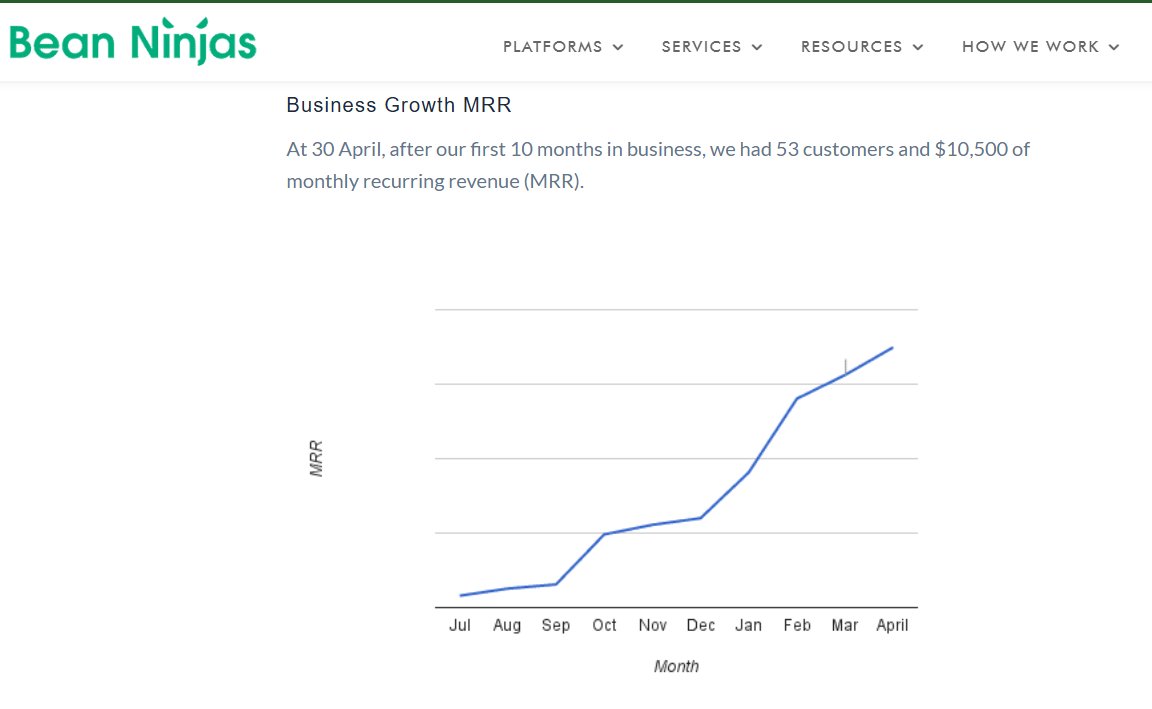
Another example: Bean Ninjas
• The service: Accounting & tax help for ecomm businesses
• Product: Fixed scope, flat monthly fee
The founders originally prepared custom proposals & struggled with revenue. They shared these results after productizing:
• The service: Accounting & tax help for ecomm businesses
• Product: Fixed scope, flat monthly fee
The founders originally prepared custom proposals & struggled with revenue. They shared these results after productizing:
As long as you're creating a package and setting limits, you have flexibility.
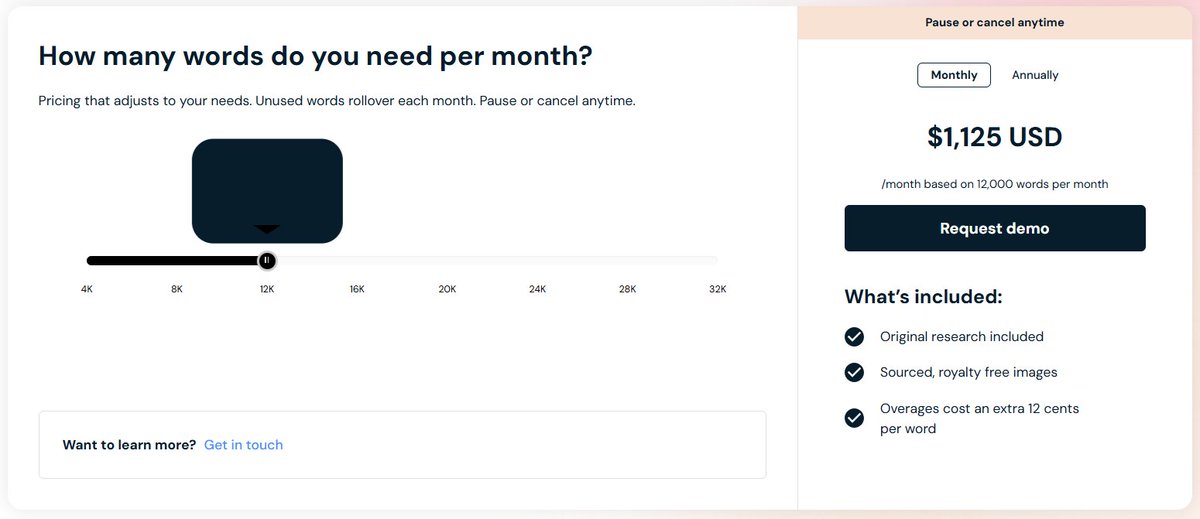
Contentfly uses this structure:
• The service: Content creation
• Product: A set amount of words/month
Contentfly uses this structure:
• The service: Content creation
• Product: A set amount of words/month
So… How can you replicate this?
3 things you need:
• A skill/service.
• SPEED in performing that skill.
• A niche searvice offer within that skill to set yourself apart.
3 things you need:
• A skill/service.
• SPEED in performing that skill.
• A niche searvice offer within that skill to set yourself apart.
Once you’ve picked your service:
• Package it into a monthly subscription
• Set clear boundaries and expectations
• Use tools to automate delivery
• Focus on speed of execution
Just remember...
• Package it into a monthly subscription
• Set clear boundaries and expectations
• Use tools to automate delivery
• Focus on speed of execution
Just remember...
The real power isn't in the "unlimited" promise. It's in the constraints you build around it:
• Defined scope of work
• Clear turnaround times
• One request at a time
These boundaries make the unlimited model actually sustainable.
• Defined scope of work
• Clear turnaround times
• One request at a time
These boundaries make the unlimited model actually sustainable.
Online services biz's are catching on this model. But I think there’s opportunity here for brick & mortar services too.
It’s a way to increase recurring revenue, while decreasing time & complexity.
For example (with fictional prices)…
It’s a way to increase recurring revenue, while decreasing time & complexity.
For example (with fictional prices)…
1. Handyman
Rather than completing dozens of one-off projects every month…
Offer an “Unlimited Home Care Plan” for $150/month. Clients get one active request at a time, completed in a queue.
Rather than completing dozens of one-off projects every month…
Offer an “Unlimited Home Care Plan” for $150/month. Clients get one active request at a time, completed in a queue.
2. Landscaper
Instead of doing any job for any client...
You could offer an “All-Season Lawn Plan.” $99/month for unlimited lawn maintenance on 1 residential property
Instead of doing any job for any client...
You could offer an “All-Season Lawn Plan.” $99/month for unlimited lawn maintenance on 1 residential property
3. Mechanic
You could hope customers come back every few months for an oil change…
Or you could charge them flat monthly for unlimited oil changes & maintenance checks.
You could hope customers come back every few months for an oil change…
Or you could charge them flat monthly for unlimited oil changes & maintenance checks.
You could apply a version to any industry:
• Cleaning → Set packages w/ 1 active booking allowed at a time
• Pet Grooming → $99/mo for unlimited grooming for 1 pet
• Car Wash → Unlimited washes
Value proposition for the customer + constraints that protect your bottom line
• Cleaning → Set packages w/ 1 active booking allowed at a time
• Pet Grooming → $99/mo for unlimited grooming for 1 pet
• Car Wash → Unlimited washes
Value proposition for the customer + constraints that protect your bottom line
Best part about these is you don’t have to abandon the “everything to everyone” model if you’re not ready.
Offer these “product packages" as an optional add-on to every customer.
Then you can scale back regular service as you sell more packages.
Offer these “product packages" as an optional add-on to every customer.
Then you can scale back regular service as you sell more packages.
When you're not trading hours for dollars, something magical happens:
You think bigger.
You start to ask high leverage questions:
• How can I serve more clients?
• Where can I add (& charge) more value?
• What systems can I build?
You think bigger.
You start to ask high leverage questions:
• How can I serve more clients?
• Where can I add (& charge) more value?
• What systems can I build?
Generated by Thread Navigator
Press ⌘ + S to quick-export