This teenager exposed the dark truth about sleep deprivation.
He signed up for a sleep-deprived experiment to find out where it would take him.
What he discovered might surprise you.
This is the full story:

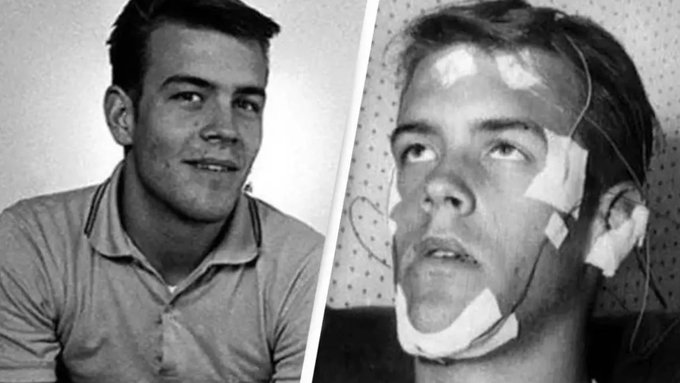
In December 1963, at just 17 years old, Randy Gardner embarked on a sleep deprivation experiment.
(For the so-called high school science project.)
The goal?
Testing the effects of extreme sleep deprivation on cognitive abilities and performance.
(For the so-called high school science project.)
The goal?
Testing the effects of extreme sleep deprivation on cognitive abilities and performance.
There were only two simple rules:
• Do not sleep.
• Do not take artificial stimulants.
Gardner managed to stay awake for 11 days and 25 minutes or 264 hours.
See your minute of fame, but was it worth the price?
• Do not sleep.
• Do not take artificial stimulants.
Gardner managed to stay awake for 11 days and 25 minutes or 264 hours.
See your minute of fame, but was it worth the price?

VIDEO
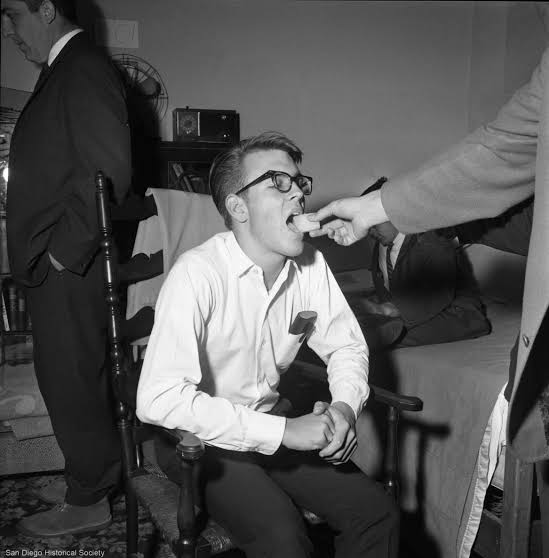
The experiment was closely supervised by:
• Dr. William C. Dement of Stanford University.
• Lieutenant Commander John J. Ross of the US Navy Neuropsychiatric Medical Research Unit 🪖
Every six hours, they conducted tests to assess Gardner's mental state.
• Dr. William C. Dement of Stanford University.
• Lieutenant Commander John J. Ross of the US Navy Neuropsychiatric Medical Research Unit 🪖
Every six hours, they conducted tests to assess Gardner's mental state.
Initial days (days 1 to 3).
For the first few days, Gardner experienced alarming symptoms, including:
• Changes in mood and energy.
• Cognitive impairment.
For the first few days, Gardner experienced alarming symptoms, including:
• Changes in mood and energy.
• Cognitive impairment.
Mood and energy:
In the early days of the experiment, Gardner seemed lively and energetic.
He participated in activities such as bowling and basketball, which helped keep his spirits up and fatigue at bay.
In the early days of the experiment, Gardner seemed lively and energetic.
He participated in activities such as bowling and basketball, which helped keep his spirits up and fatigue at bay.
Cognitive function:
On the third day, Gardner began experiencing mood swings, short-term memory loss, and concentration problems.
His ability to concentrate diminished, leading to frequent lapses in attention and increasing frustration.
On the third day, Gardner began experiencing mood swings, short-term memory loss, and concentration problems.
His ability to concentrate diminished, leading to frequent lapses in attention and increasing frustration.
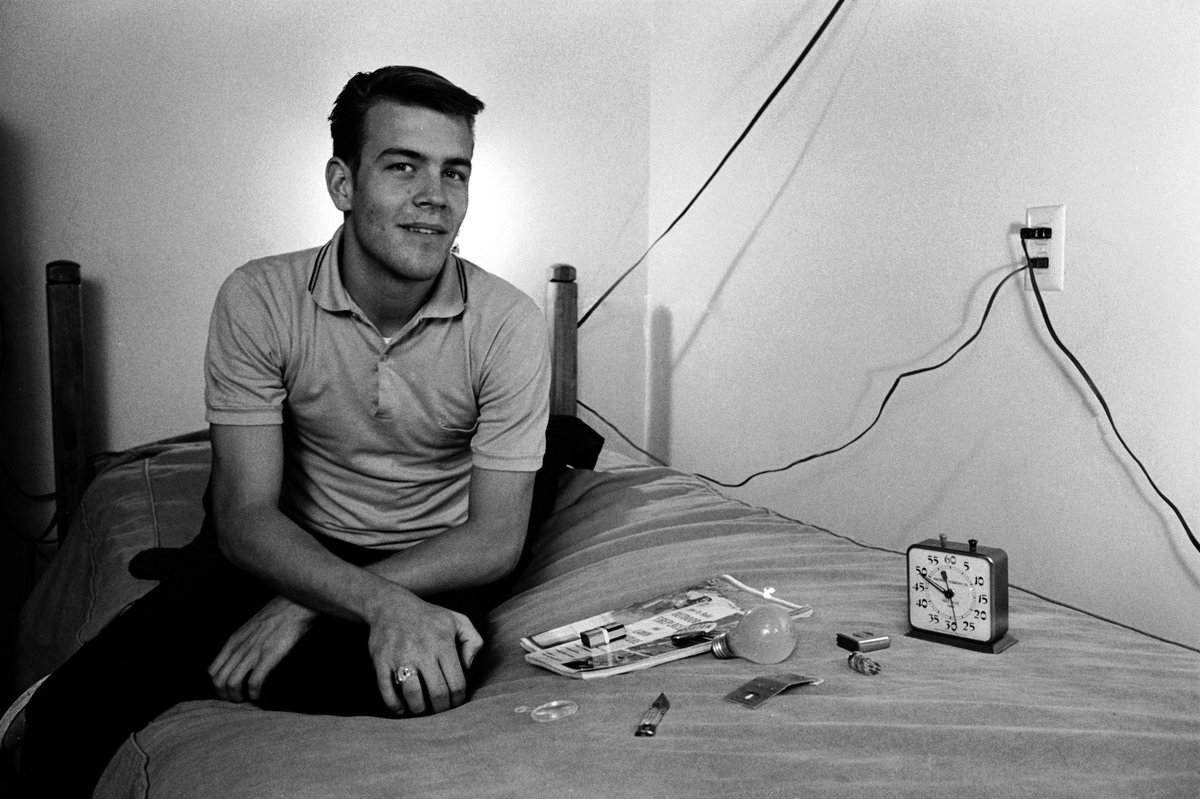
During the process he received support from his friends, who were curious about the experiment and eager to try to beat the current world record.
As the experiment progressed, they became increasingly concerned that it could have serious health consequences...
As the experiment progressed, they became increasingly concerned that it could have serious health consequences...
Intermediate days (days 4 to 7).
During the middle days of the experiment he was on the verge of giving up.
But an obstacle prompted him to continue forward.
This is how he remembers that moment ⤵️
During the middle days of the experiment he was on the verge of giving up.
But an obstacle prompted him to continue forward.
This is how he remembers that moment ⤵️

VIDEO
So he went on and welcomed new symptoms:
• Hallucinations and delusions.
• Loss of coordination.
• Sensory changes.
The symptoms are detailed below:
• Hallucinations and delusions.
• Loss of coordination.
• Sensory changes.
The symptoms are detailed below:
Hallucinations and delusions:
Gardner began experiencing visual hallucinations and delusions.
At one point, he even believed himself to be a professional football player, illustrating the depth of his altered reality.
Gardner began experiencing visual hallucinations and delusions.
At one point, he even believed himself to be a professional football player, illustrating the depth of his altered reality.

Loss of coordination:
His physical coordination deteriorated, making it increasingly difficult to perform tasks requiring fine motor skills.
Simple activities became a struggle, further amplifying the disorientation I was experiencing.
His physical coordination deteriorated, making it increasingly difficult to perform tasks requiring fine motor skills.
Simple activities became a struggle, further amplifying the disorientation I was experiencing.
Sensory changes:
Reports indicated that Gardner's sense of taste and smell were affected.
He began to experience discomfort with certain smells that he had previously found pleasant, which amplified his general feeling of discomfort.
Reports indicated that Gardner's sense of taste and smell were affected.
He began to experience discomfort with certain smells that he had previously found pleasant, which amplified his general feeling of discomfort.
Last days (days 8 to 11).
In the last days of the experiment, Gardner's condition worsened significantly and manifested itself in:
• Severe cognitive impairment.
• Difficulty speaking.
• Physical exhaustion.
In the last days of the experiment, Gardner's condition worsened significantly and manifested itself in:
• Severe cognitive impairment.
• Difficulty speaking.
• Physical exhaustion.

VIDEO
Severe cognitive impairment:
On the last day, Gardner struggled to perform even the most basic cognitive tasks.
When asked to subtract seven from 100 repeatedly, he faltered, stopped at 65, and completely forgot what he was doing.
On the last day, Gardner struggled to perform even the most basic cognitive tasks.
When asked to subtract seven from 100 repeatedly, he faltered, stopped at 65, and completely forgot what he was doing.
Difficulty speaking:
His speech became increasingly incoherent, a telltale sign of extreme fatigue and cognitive overload.
Her words, once clear, now struggled to come out, reflecting the damage the experiment had done to her.
His speech became increasingly incoherent, a telltale sign of extreme fatigue and cognitive overload.
Her words, once clear, now struggled to come out, reflecting the damage the experiment had done to her.
Physical exhaustion:
At this stage, Gardner's energy levels were extremely low.
His body showed clear signs of severe fatigue, a stark reminder of the toll the experiment had taken on him.
Every movement required enormous effort.
At this stage, Gardner's energy levels were extremely low.
His body showed clear signs of severe fatigue, a stark reminder of the toll the experiment had taken on him.
Every movement required enormous effort.
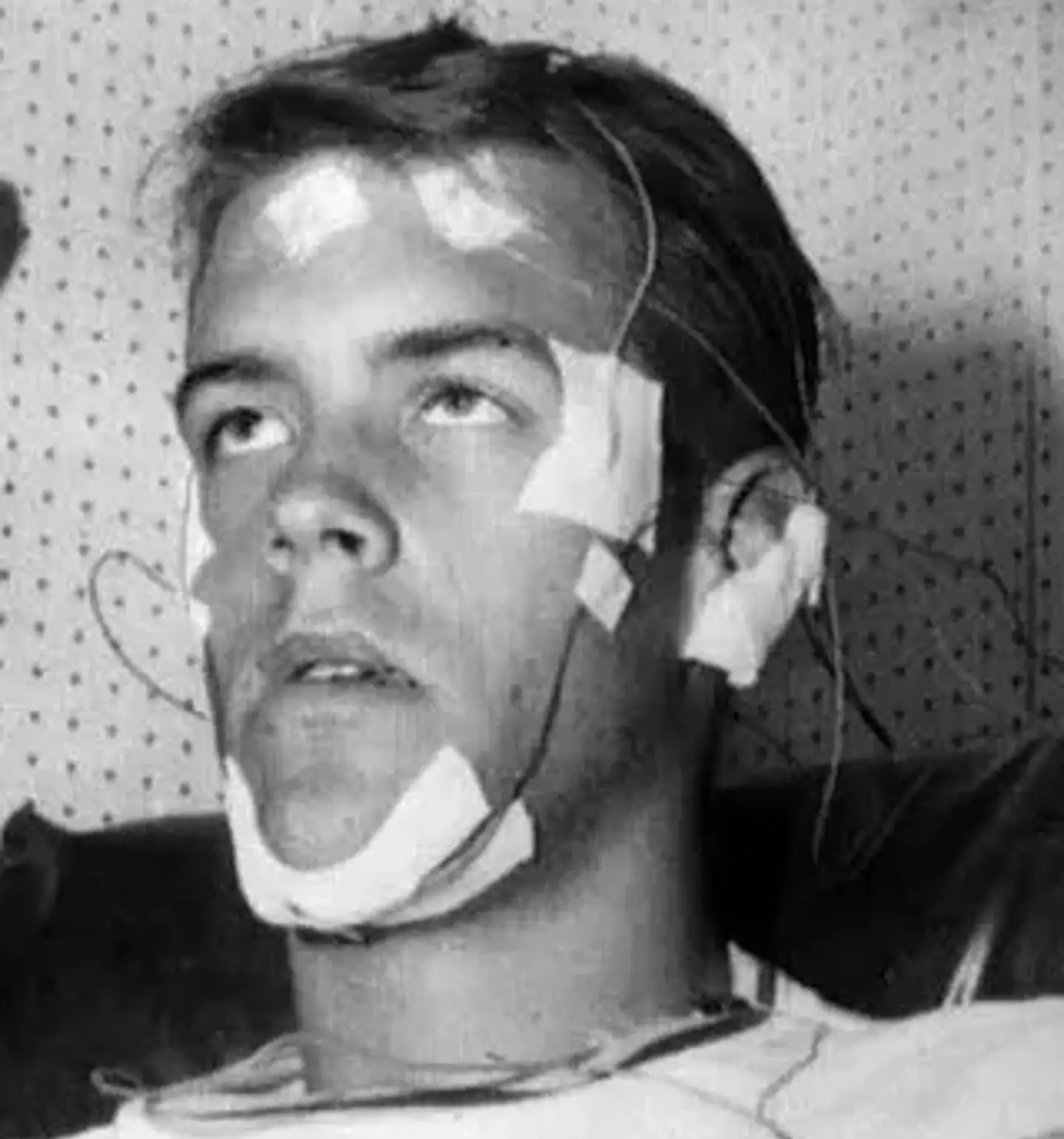
After the experiment that nearly cost him his life, Gardner reportedly slept for 14 hours and 46 minutes.
He was placed under observation to monitor his brain waves, heart rate, temperature, muscle activity and blood pressure.
He was placed under observation to monitor his brain waves, heart rate, temperature, muscle activity and blood pressure.
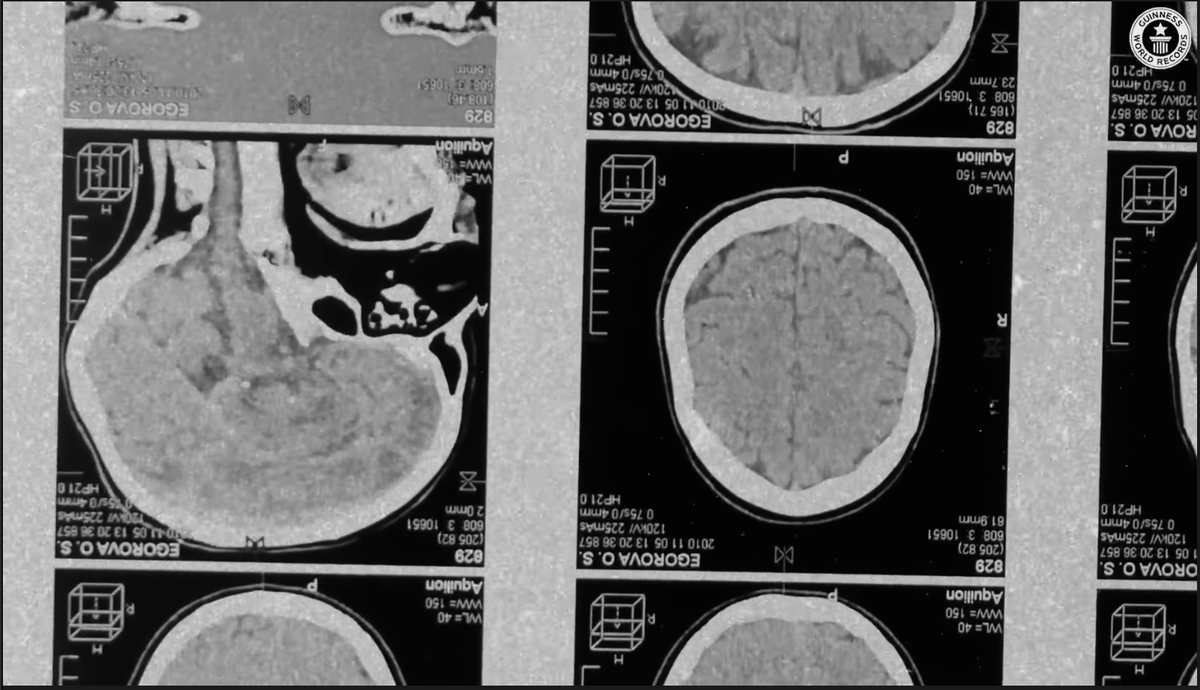
It was included in the Guinness Book of Records.
To this day, this experiment is considered one of the most rigorously documented cases of sleep deprivation.
However, due to safety concerns, Guinness stopped monitoring sleep deprivation attempts in 1997.
To this day, this experiment is considered one of the most rigorously documented cases of sleep deprivation.
However, due to safety concerns, Guinness stopped monitoring sleep deprivation attempts in 1997.
There is a compelling reason for this: 👇
Sleep acts as a fundamental element to restore the body and brain.
Even a small lack of sleep weakens the immune system, impairs memory and affects decision-making.
Prioritize it to improve your health, your mood and your concentration.
Your body depends on it!
Sleep acts as a fundamental element to restore the body and brain.
Even a small lack of sleep weakens the immune system, impairs memory and affects decision-making.
Prioritize it to improve your health, your mood and your concentration.
Your body depends on it!

VIDEO
Generated by Thread Navigator
Press ⌘ + S to quick-export