At 37, I’ve realized I can't train like I did at 27.
It isn’t just about pushing harder—it’s about training smarter.
Here are 30 game-changing tips to help you build strength, recover faster, and stay injury-free as you crush your goals over 35:

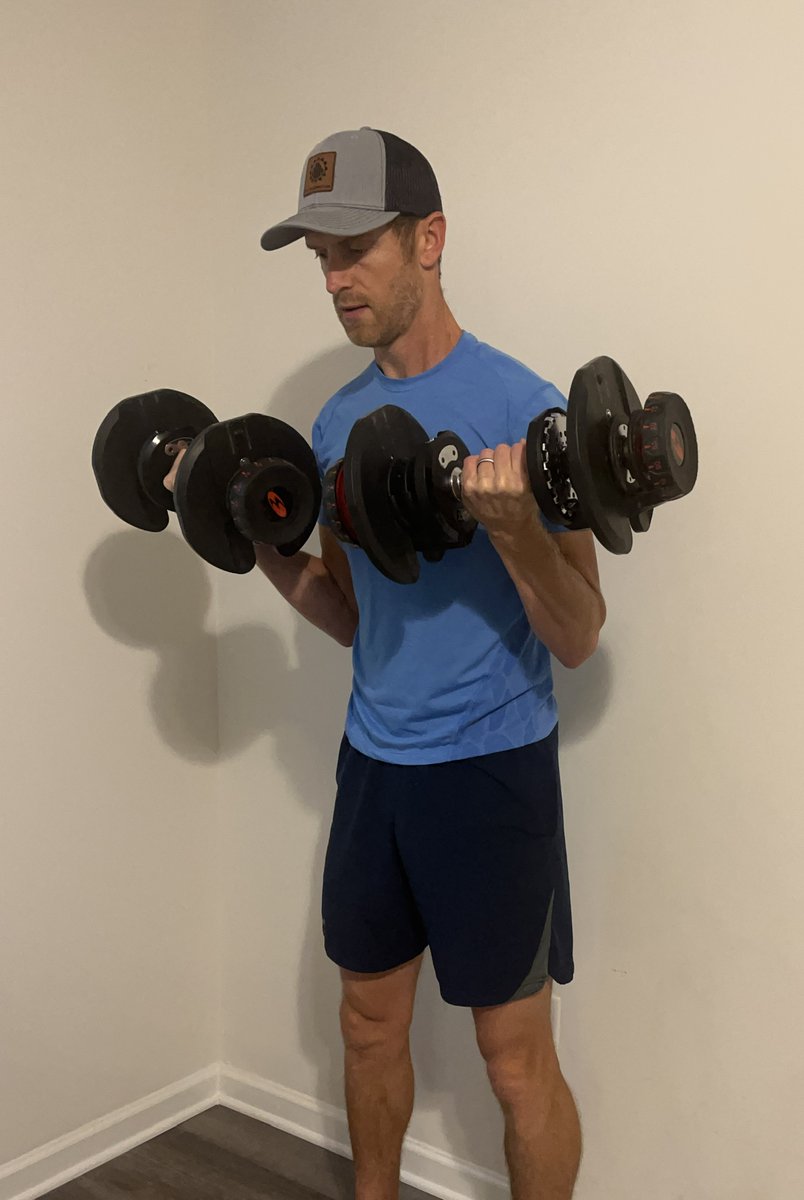
1. Build your plan around the 7 key movements: Horizontal push, horizontal pull, vertical push, vertical pull, squat, hinge, lunge.
2. Start slow and lighter than you think you need. Don’t be so sore that you miss the next week of training.
2. Start slow and lighter than you think you need. Don’t be so sore that you miss the next week of training.
3. The older you are, the more time you will need to properly recover between lifts.
4. Hitting each muscle group 2x per week is ideal. There are countless ways to structure a plan properly to make that happen.
4. Hitting each muscle group 2x per week is ideal. There are countless ways to structure a plan properly to make that happen.
5. The Newbie phase is a serious advantage. You’ll add muscle faster as a beginner than someone who has been in the gym for years. You can build muscle in less than an hour per week if you are consistent and just keep showing up.
6. Take a minimum of 90 seconds between each set. Recovery is a key part of getting stronger.
7. Machines can be your friend when getting started. They provide stability and reduce injury risk.
7. Machines can be your friend when getting started. They provide stability and reduce injury risk.
8. Don’t push yourself to failure for the first several sessions. Focus on slow and controlled reps through a full range of motion making your first and last rep look identical.
9) Compound movements like squats, rows, and presses hit multiple large muscles groups keeping your workouts efficient.
9) Compound movements like squats, rows, and presses hit multiple large muscles groups keeping your workouts efficient.
10. Avoid tendonitis by increasing weights slowly and always focusing on form first.
11. Nobody cares how much you are lifting. Pick an appropriate weight that you can control slowly throughout the entire range of motion.
11. Nobody cares how much you are lifting. Pick an appropriate weight that you can control slowly throughout the entire range of motion.
12. Don’t be afraid to ask for help. People will be happy to provide guidance, saving you time and reducing your risk of injury.
13. Cardio is important, but for your overall metabolic health if you must pick one, then lifting is your best use of time.
13. Cardio is important, but for your overall metabolic health if you must pick one, then lifting is your best use of time.
14. Choose a plan that is realistic to your schedule. The guy lifting 2-3x per week consistently will get better results than the guy who goes 5x one week and skips the next.
15. Use machines to safely train to failure. This will help you avoid injury while maximizing growth.
15. Use machines to safely train to failure. This will help you avoid injury while maximizing growth.
16. You can build muscle in the 5-30 rep range. 8-15 reps per set is textbook, but you can go higher before going heavier to avoid injury. This can be helpful with areas of previous injury or unstable joints like the shoulder.
17. Your goal should be to increase the number of reps each session. Aim to beat your previous best, then add weight when you reach the top of the rep range.
18. The best warm-up is just a lighter set of the exercise you are going to complete.
18. The best warm-up is just a lighter set of the exercise you are going to complete.
19. You’ll get much stronger in your first few weeks even before you start truly building muscle as your nerves and muscles learn to communicate more efficiently with each workout.
20. Give yourself at least 48 hours of rest before working the same muscles again.
20. Give yourself at least 48 hours of rest before working the same muscles again.
21. The number of sets is less important than the intensity of those sets. A beginner can easily grow with a single hard set of each muscle group per session.
22. Keep doing the same routine for at least 3 months. Changing your workouts too often will slow your progress.
22. Keep doing the same routine for at least 3 months. Changing your workouts too often will slow your progress.
23. If you have a previous injury prioritize range of motion before worrying about adding weight. For example, increasing the depth of a bodyweight squat before adding weight.
24. Focus on what the weight is doing to your muscle, not what the muscle is doing to the weight.
24. Focus on what the weight is doing to your muscle, not what the muscle is doing to the weight.
25. Each week strive for either more reps, heavier weight or cleaner reps. These are all areas that provide progressive overload to stimulate muscle growth.
26. It’s normal to be a little sore the day after lifting, but being more sore doesn’t mean you had a better workout.
26. It’s normal to be a little sore the day after lifting, but being more sore doesn’t mean you had a better workout.
27. Your sets are over when your form starts to break down. No exceptions when you are just getting started.
28. Lifting legs gives you the testosterone and growth hormone increases that also help build your arms. Never skip leg day.
28. Lifting legs gives you the testosterone and growth hormone increases that also help build your arms. Never skip leg day.
29. Walking is a recovery hack. Focus on increasing your steps on non lifting days to reduce soreness, increase blood flow, and maximize your workouts.
30. How much you sweat and how many calories you burn are poor indicators of a good workout. Stay focused on getting a quality stimulus on the muscle to build strength and overall metabolic health.
Thanks for reading!
If you learned something and want more on taking control of your health, follow me
@chrisboettcher9
.
Please drop a comment below and RT to help spread the message:
If you learned something and want more on taking control of your health, follow me
@chrisboettcher9
.
Please drop a comment below and RT to help spread the message:
Training starts in the kitchen not the gym.
Our Grocery Guide is designed to help you choose the best foods to lose fat, build muscle, and keep your family healthy.
Get it free here:
thoughtful-crafter-258.ck.page/groceryguide
Our Grocery Guide is designed to help you choose the best foods to lose fat, build muscle, and keep your family healthy.
Get it free here:
thoughtful-crafter-258.ck.page/groceryguide
Generated by Thread Navigator
Press ⌘ + S to quick-export