This man was the genius behind the atomic bomb.
But after Hiroshima and Nagasaki, you would never believe how the US government treated him…
The story of how the Atomic Bomb killed J. Robert Oppenheimer... (thread)🧵

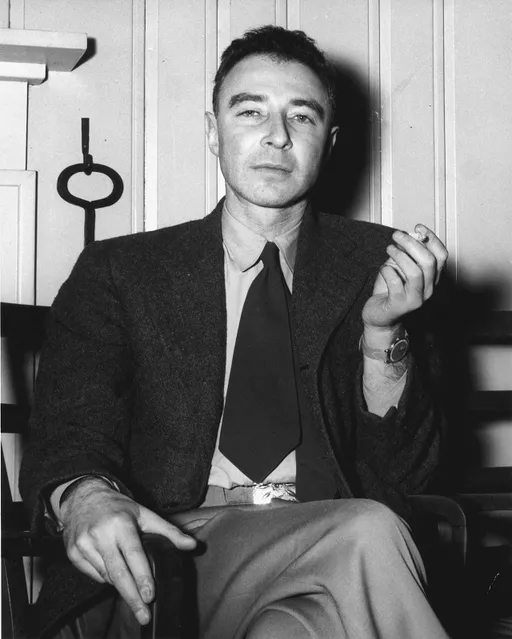

Oppenheimer was a prodigy born in New York City in 1904 to wealthy German Jewish immigrants.
• He spoke 8 languages fluently.
• At Harvard, he graduated in just 3 years.
• He earned a PhD in physics at age 23.
• He spoke 8 languages fluently.
• At Harvard, he graduated in just 3 years.
• He earned a PhD in physics at age 23.

In the 1930s, Oppenheimer taught at Caltech and UC Berkeley, transforming the physics department into a world-class research center.
His research on subatomic particles was the groundwork for the biggest project of his life...
His research on subatomic particles was the groundwork for the biggest project of his life...
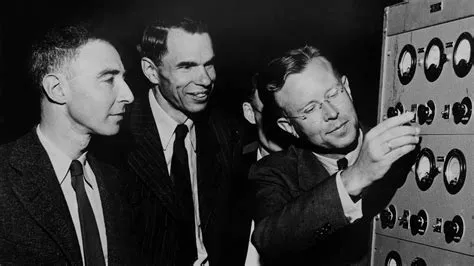
In 1942, at age 38, Oppenheimer oversaw the Manhattan Project, the top-secret U.S. effort to develop an atomic bomb.
He managed over 3,000 scientists and a $2B budget at Los Alamos lab in New Mexico.
But things went downhill from there...
He managed over 3,000 scientists and a $2B budget at Los Alamos lab in New Mexico.
But things went downhill from there...

VIDEO
On July 16, 1945, Oppenheimer watched in awe as the first nuclear bomb exploded at the Trinity test site. 👇

VIDEO
Oppenheimer recalled a line from the Hindu scripture:
"Now I am become Death, the destroyer of worlds."
He knew. A monster was created.
"Now I am become Death, the destroyer of worlds."
He knew. A monster was created.

VIDEO
Three weeks later, atomic bombs were dropped on Hiroshima and Nagasaki...
killing over 200,000 people.
killing over 200,000 people.
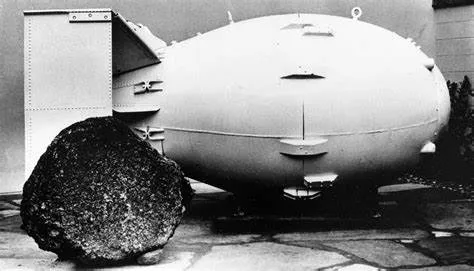

After the war, Oppenheimer continued to advise the US government on atomic policy.
He was chairman of the General Advisory Committee of the newly formed AEC.
However, his influence began to wane as political tensions rose in the early Cold War years.
He was chairman of the General Advisory Committee of the newly formed AEC.
However, his influence began to wane as political tensions rose in the early Cold War years.
Everyone saw Oppenheimer as a hero.
But not this one man...
But not this one man...

VIDEO
You see, in 1947, Lewis Strauss, a conservative banker and AEC commissioner, crossed paths with Oppenheimer.
Strauss offered Oppenheimer the director position at Princeton.
But Oppenheimer was selected over Strauss, sparking a bitter rivalry.
Strauss offered Oppenheimer the director position at Princeton.
But Oppenheimer was selected over Strauss, sparking a bitter rivalry.

VIDEO
Strauss and Oppenheimer later clashed over nuclear policy.
Oppenheimer opposed developing the hydrogen bomb and wanted openness about America's nuclear capabilities.
Strauss proposed expanding the arsenal and keeping it secret.
Oppenheimer opposed developing the hydrogen bomb and wanted openness about America's nuclear capabilities.
Strauss proposed expanding the arsenal and keeping it secret.


In 1949, Oppenheimer testified before Congress against exporting radioactive isotopes.
Strauss tried overturning the decision but was publicly humiliated when Oppenheimer mocked him at the hearing.
It was a slight Strauss would never forget. ↓
Strauss tried overturning the decision but was publicly humiliated when Oppenheimer mocked him at the hearing.
It was a slight Strauss would never forget. ↓

VIDEO
As Strauss became AEC chairman in 1953, Oppenheimer became his target.
Strauss had the FBI monitor Oppenheimer, looking for any dirt to use against him.
Strauss had the FBI monitor Oppenheimer, looking for any dirt to use against him.

VIDEO
In 1954, Strauss engineered a hearing that stripped Oppenheimer of his security.
Why?
Key evidence in the hearing came from Oppenheimer's brief romance in the 1930s with Jean Tatlock, a known communist.
Why?
Key evidence in the hearing came from Oppenheimer's brief romance in the 1930s with Jean Tatlock, a known communist.

Tatlock had committed suicide in 1944, possibly due to the stress of their relationship and FBI surveillance.
Tatlock was everything Oppenheimer had.
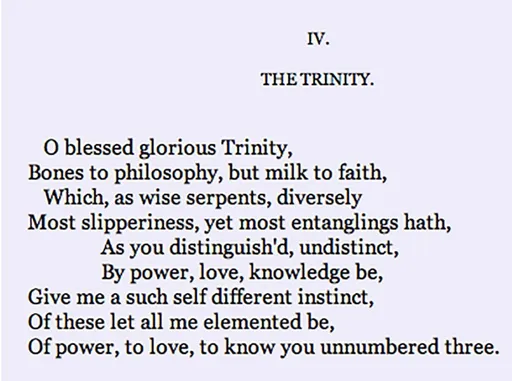
Oppenheimer named the Trinity test partly about her love of poetry.
Tatlock was everything Oppenheimer had.
Oppenheimer named the Trinity test partly about her love of poetry.

Though no solid evidence of disloyalty was found, the damage was done.
The father of the atomic bomb was now a pariah, his reputation in tatters
The father of the atomic bomb was now a pariah, his reputation in tatters
Outcast from government, Oppenheimer spent his later years quietly at Princeton.
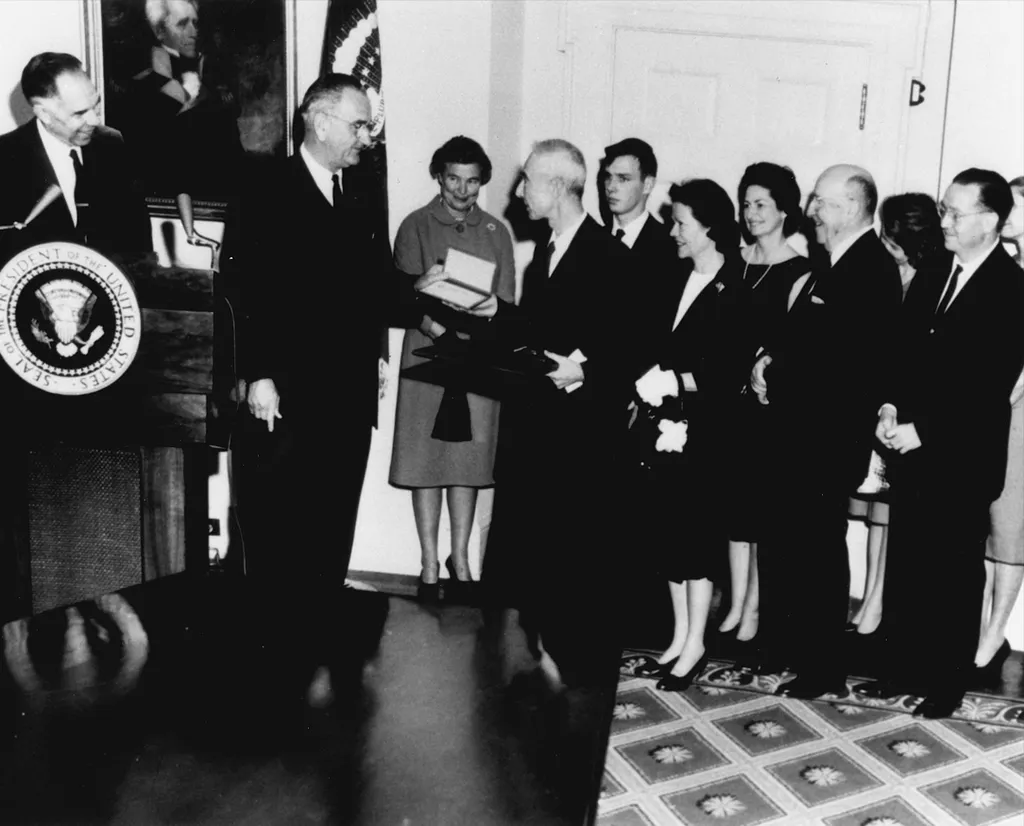
In 1963, president Johnson awarded him the prestigious Fermi Award, slowly rehabilitating his legacy.
In 1963, president Johnson awarded him the prestigious Fermi Award, slowly rehabilitating his legacy.
In his final years, he reflected on the scientist's moral dilemma in the nuclear age:
"The physicists have known sin, and this is a knowledge they cannot lose."
He passed away from throat cancer in 1967 at age 62.
"The physicists have known sin, and this is a knowledge they cannot lose."
He passed away from throat cancer in 1967 at age 62.
Let me end with this quote:
"The open society, the unrestricted access to knowledge, the unplanned and uninhibited association of men for its furtherance - these are what may make a vast, complex, ever-growing, ever-changing, ever more specialized and expert technological world, nevertheless a world of human community."
- Oppenheimer, 1953
"The open society, the unrestricted access to knowledge, the unplanned and uninhibited association of men for its furtherance - these are what may make a vast, complex, ever-growing, ever-changing, ever more specialized and expert technological world, nevertheless a world of human community."
- Oppenheimer, 1953


Thank you for reading this thread.
What was your biggest takeaway from this thread?
Follow me @geniusgtx for more threads about genius thinkers in philosophy, business, psychology, and science.
What was your biggest takeaway from this thread?
Follow me @geniusgtx for more threads about genius thinkers in philosophy, business, psychology, and science.

Generated by Thread Navigator
Press ⌘ + S to quick-export