You've heard the legends about snakes and shamrocks, but Saint Patrick was a real person who lived 1,500 years ago.
And he even wrote a (sort of) autobiography.
So here's the life of Patrick — in his own words...


Saint Patrick is venerated for helping convert Ireland to Christianity in the 5th century AD.
Legend says he banished the snakes (a symbolic rather than a literal story) and that he explained the Holy Trinity by using a shamrock — hence it being a national symbol of Ireland.
Legend says he banished the snakes (a symbolic rather than a literal story) and that he explained the Holy Trinity by using a shamrock — hence it being a national symbol of Ireland.

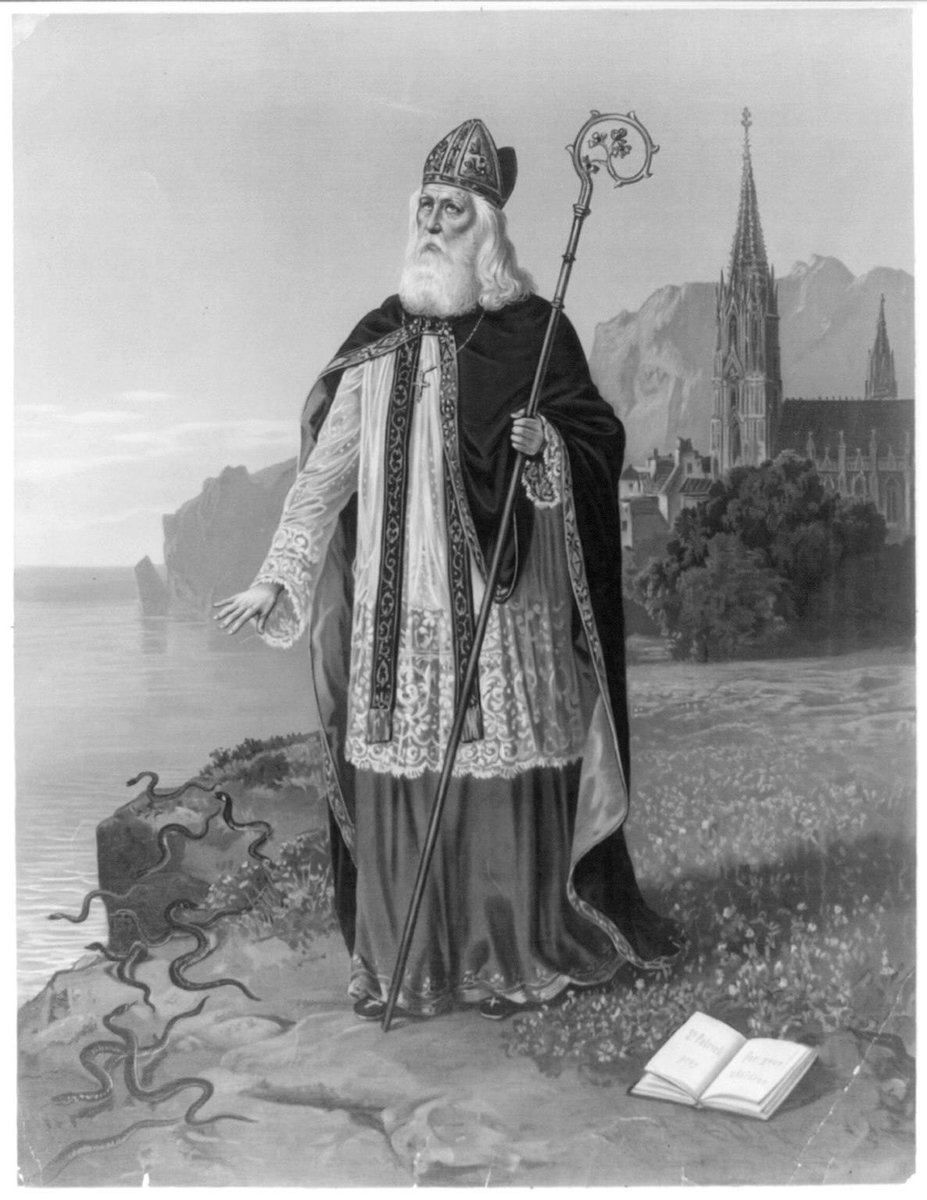
But Patrick isn't only a legend; he was a real person.
There is some confusion about his life, as with all people who lived at that time.
We know he wasn't the first bishop of Ireland — that was a man from Gaul called Palladius, sent to Ireland by Pope Celestine I in 431 AD.
There is some confusion about his life, as with all people who lived at that time.
We know he wasn't the first bishop of Ireland — that was a man from Gaul called Palladius, sent to Ireland by Pope Celestine I in 431 AD.
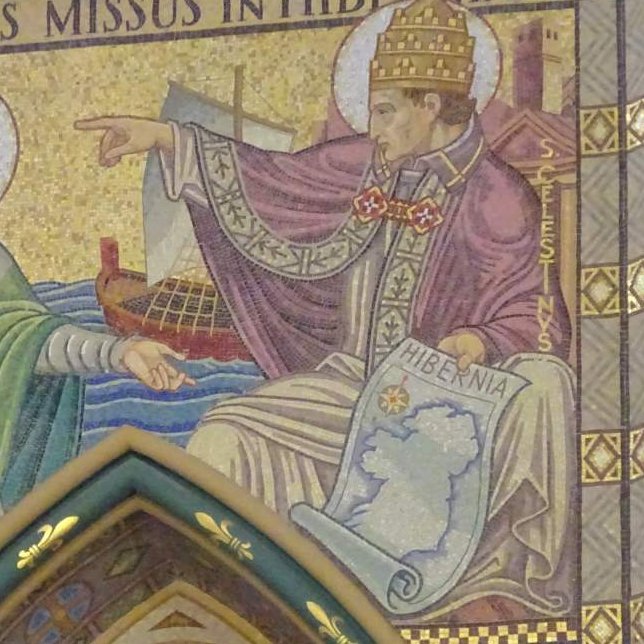
So what about Patrick?
He was born in northwest England at the beginning of the 5th century AD, during the last days of Roman rule in Britain.
His family was either Roman or a native British family who had been culturally Romanised.
He was born in northwest England at the beginning of the 5th century AD, during the last days of Roman rule in Britain.
His family was either Roman or a native British family who had been culturally Romanised.
How do we know this? Patrick wrote two short documents: the Confession and the Letter to Coroticus.
In the Confession he explains his origins: Patrick's father was a tax collector and deacon.
But young Patrick was essentially a lapsed Christian at that point.
In the Confession he explains his origins: Patrick's father was a tax collector and deacon.
But young Patrick was essentially a lapsed Christian at that point.
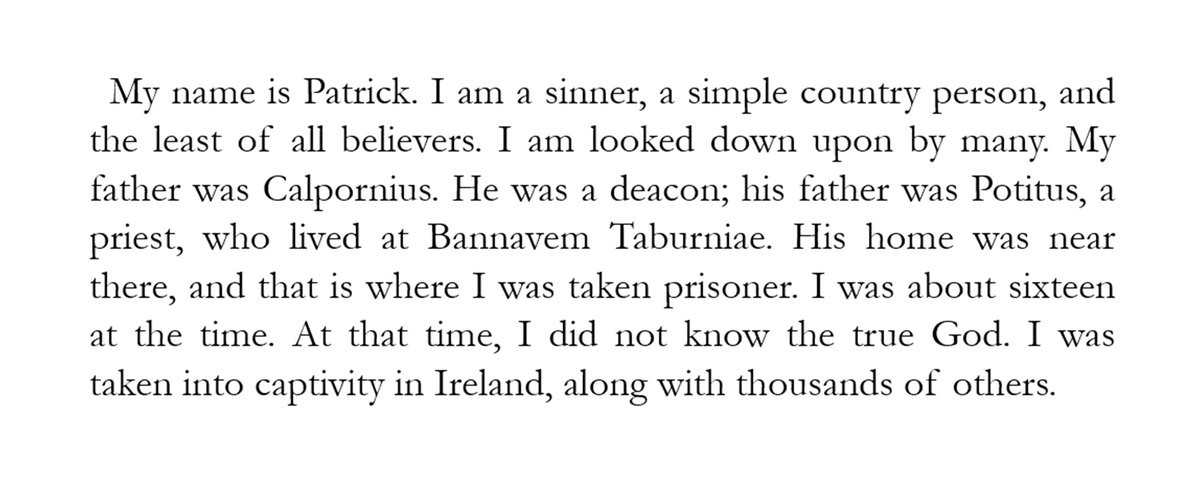
As a teenager he was captured by pirates and taken to Ireland, where he was enslaved and forced to tend sheep.
Slemish, this striking hill in County Antrim, is where tradition says Patrick worked as a shepherd:
Slemish, this striking hill in County Antrim, is where tradition says Patrick worked as a shepherd:

And it was during these years of hardship that Patrick rediscovered his faith:
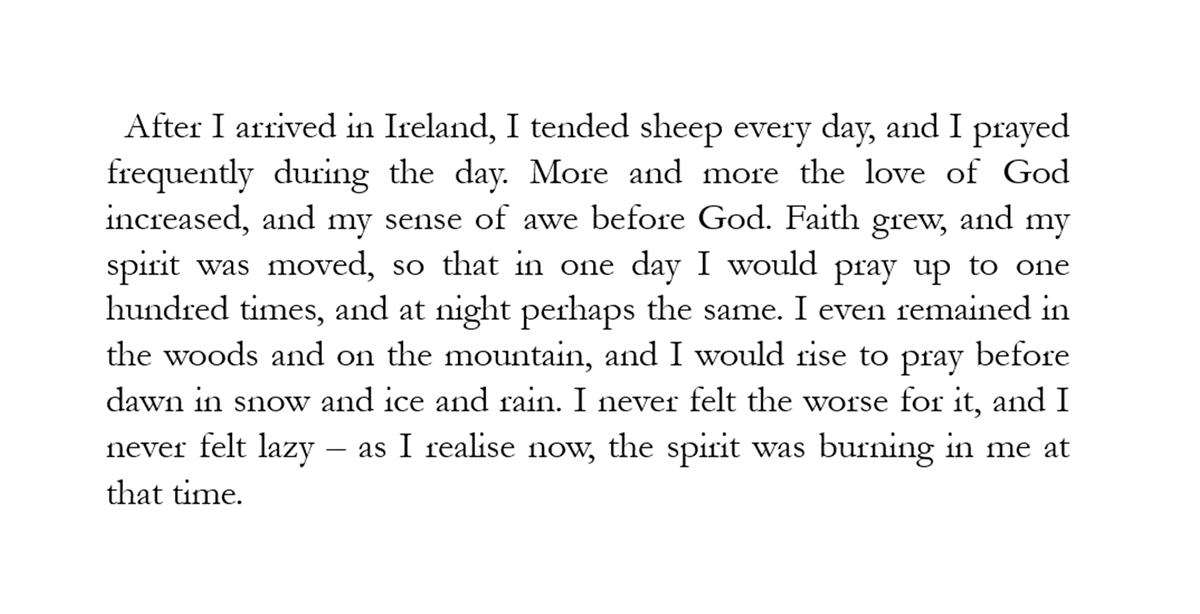
After six years Patrick escaped his captors and boarded a ship bound for England.
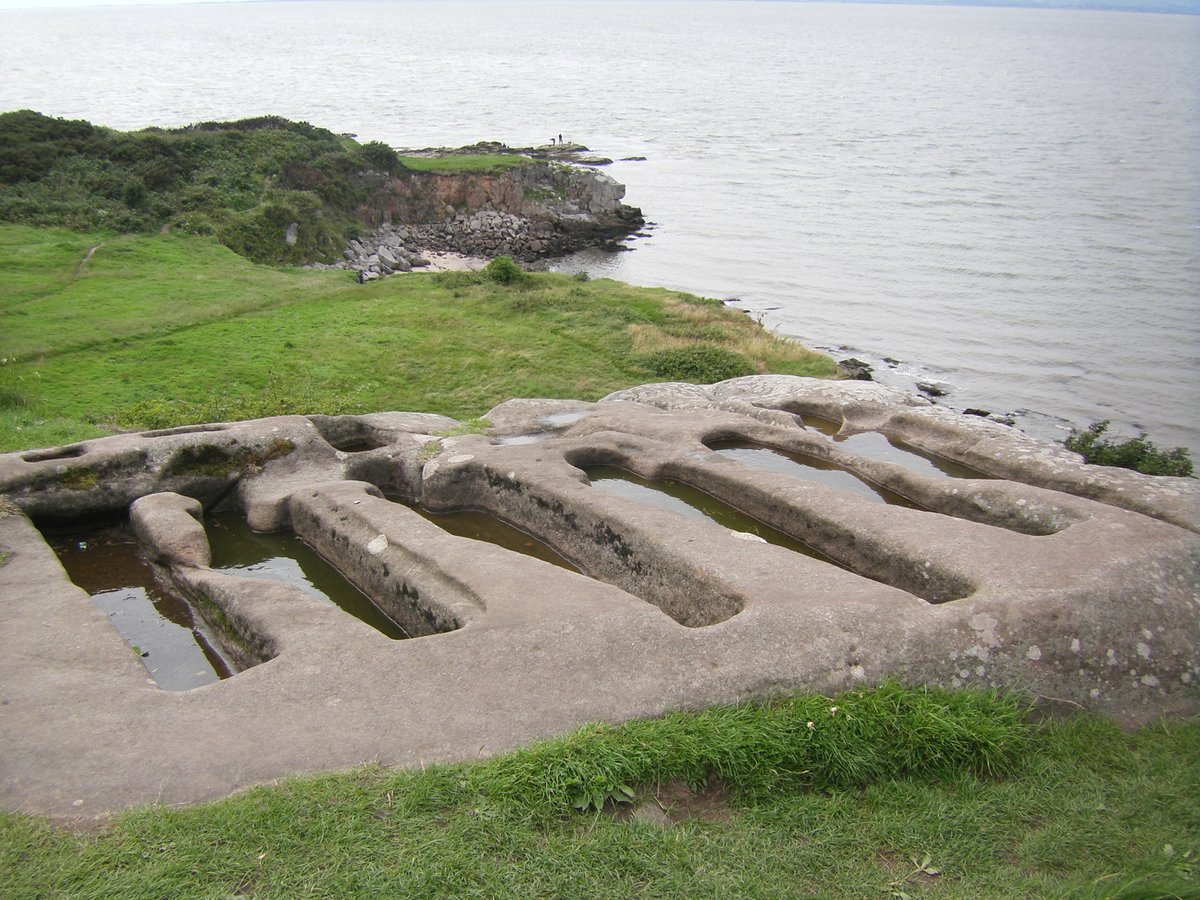
The place where he came ashore is believed to be a village called Heysham, on the edge of Morecambe Bay on the west coast.
There is a ruined chapel here now, originally built in the 7th century:
The place where he came ashore is believed to be a village called Heysham, on the edge of Morecambe Bay on the west coast.
There is a ruined chapel here now, originally built in the 7th century:

Along with these remarkable tombs cut into the rocks above the shore at some point in the 11th century:
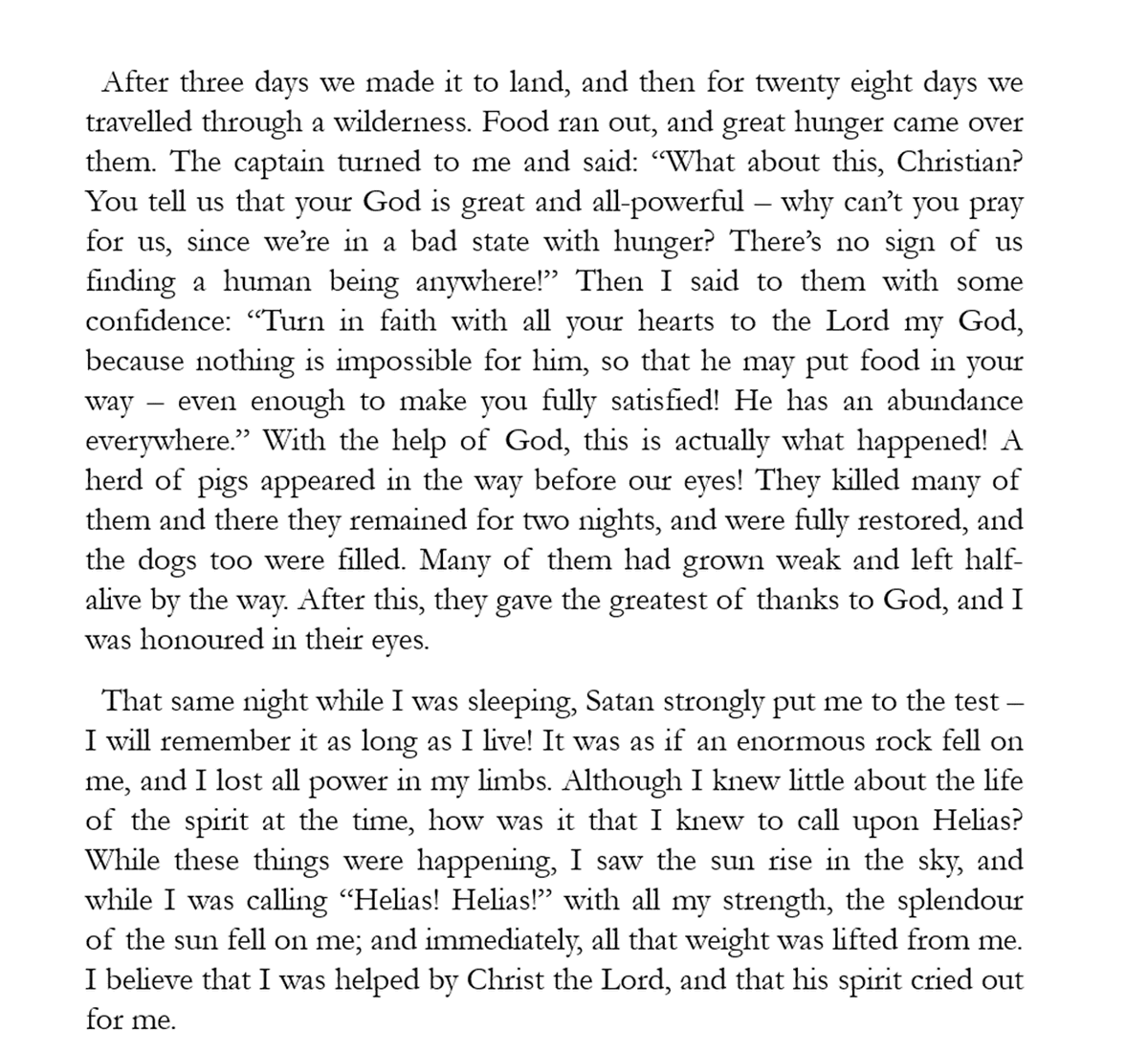
In any case, Patrick returned to England and travelled for about a month through the wilderness — it was, he says, quite the adventure.
And, in the end, he finally returned to his family.
And, in the end, he finally returned to his family.
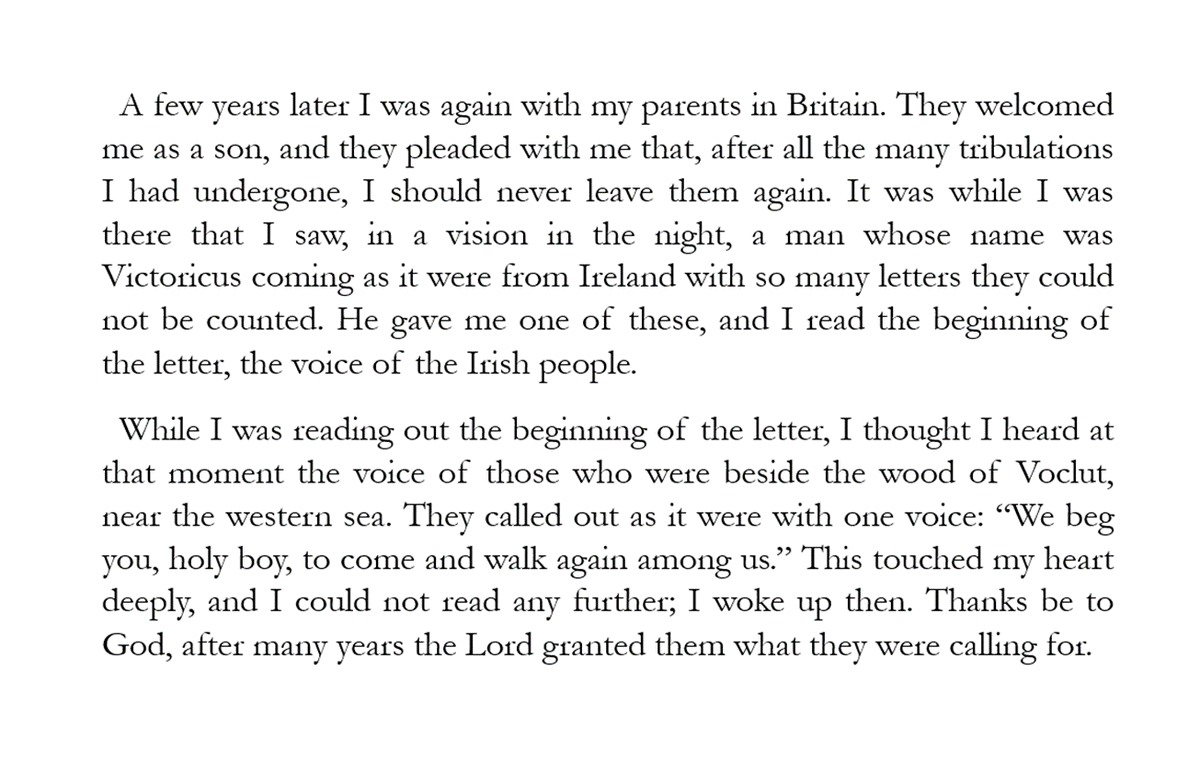
But he didn't stay for long — Patrick felt a calling to return to Ireland. It was a largely pagan country and he was inspired to convert it to Christianity.
Still, Patrick was a naturally uncertain man, prone to doubting himself and forever ruminating on his own unreadiness:
Still, Patrick was a naturally uncertain man, prone to doubting himself and forever ruminating on his own unreadiness:
So return he did.
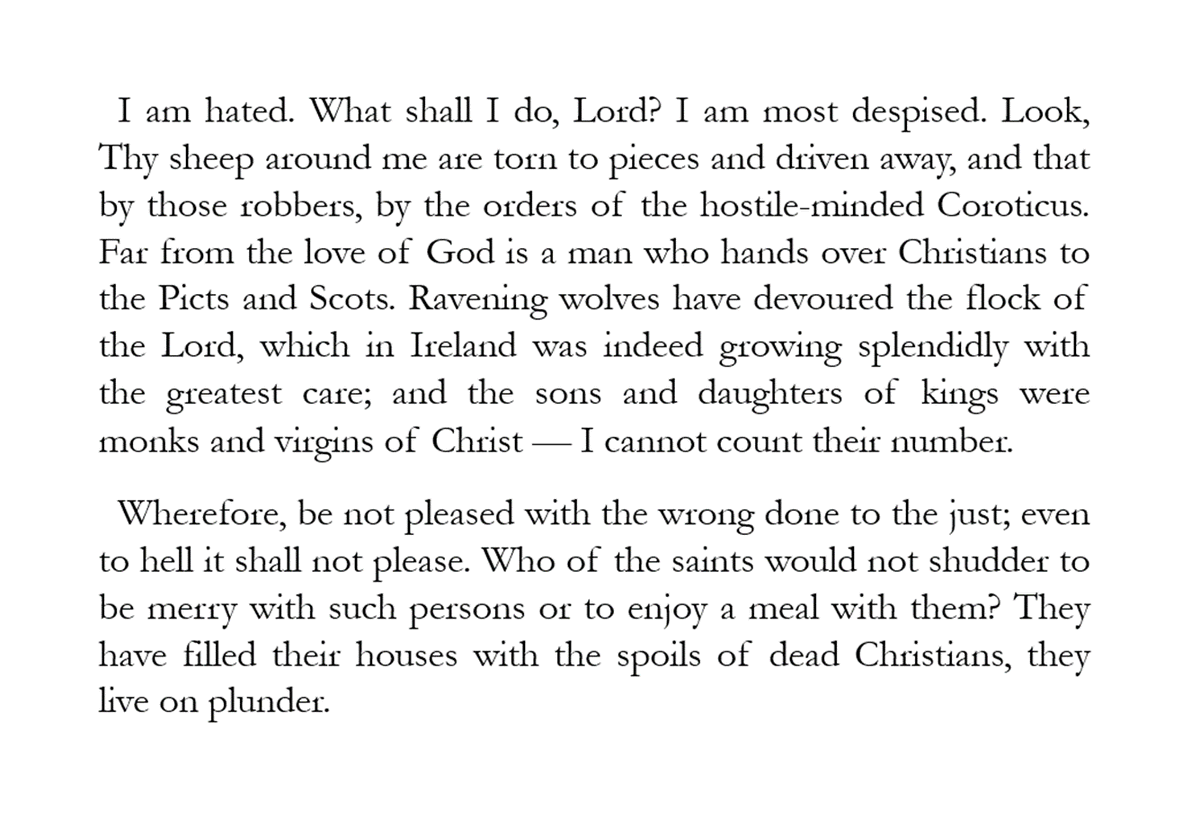
And Patrick's life as a missionary in Ireland was difficult, not least because he had the barbarous king Coroticus to deal with.
He was a brutal ruler who had no compunction with murdering, pillaging, and kidnapping Patrick's converts:
And Patrick's life as a missionary in Ireland was difficult, not least because he had the barbarous king Coroticus to deal with.
He was a brutal ruler who had no compunction with murdering, pillaging, and kidnapping Patrick's converts:
Patrick held steadfastly to his work despite the tyrannies of Coroticus.
He wrestled with desire for an easier life — but a sense of duty prevented him from ever leaving his mission.
So he stayed, baptising thousands and establishing religious institutions across the land.
He wrestled with desire for an easier life — but a sense of duty prevented him from ever leaving his mission.
So he stayed, baptising thousands and establishing religious institutions across the land.
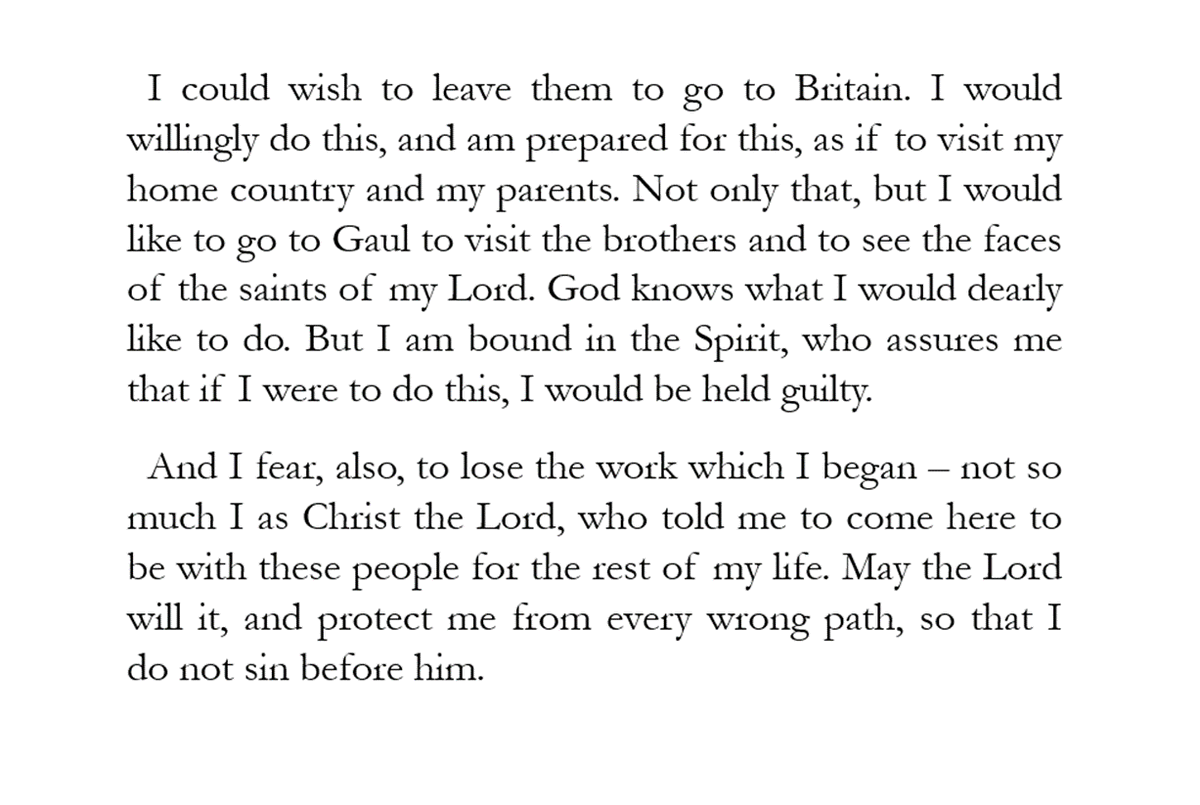
Patrick is open about his insecurities — that he is unlearned, weak, and a poor writer — and his imperfections, ever ready to admit he has made mistakes.
What we have here is far from the picture of a perfect and saintly man; it is the portrait of a deeply human figure.
What we have here is far from the picture of a perfect and saintly man; it is the portrait of a deeply human figure.

Patrick also seems to have been accused by other clergy of taking bribes for his services, accepting lavish gifts, and other such pecuniary crimes.
He responded to these accusations with typical directness and earnesty:
He responded to these accusations with typical directness and earnesty:
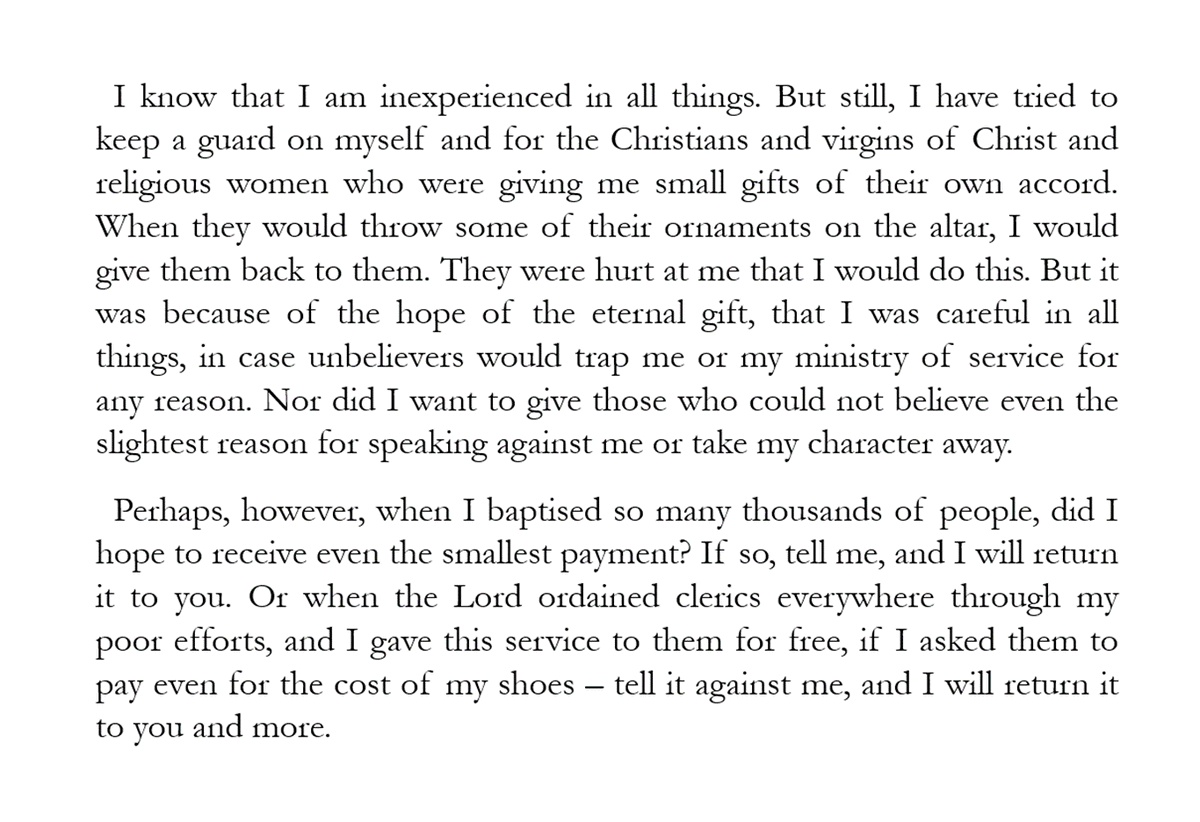
So he perservered despite criticism, enslavement, and violent resistance, laying the foundations for the Christianisation of Ireland.
Tradition says he died on 17th March — hence St Patrick's Day — at a monastery in Saul, supposedly the first one he founded in Ireland.
Tradition says he died on 17th March — hence St Patrick's Day — at a monastery in Saul, supposedly the first one he founded in Ireland.

Legend also says his body was later moved to Downpatrick; this is a photograph of his alleged gravestone, taken in the 1930s.

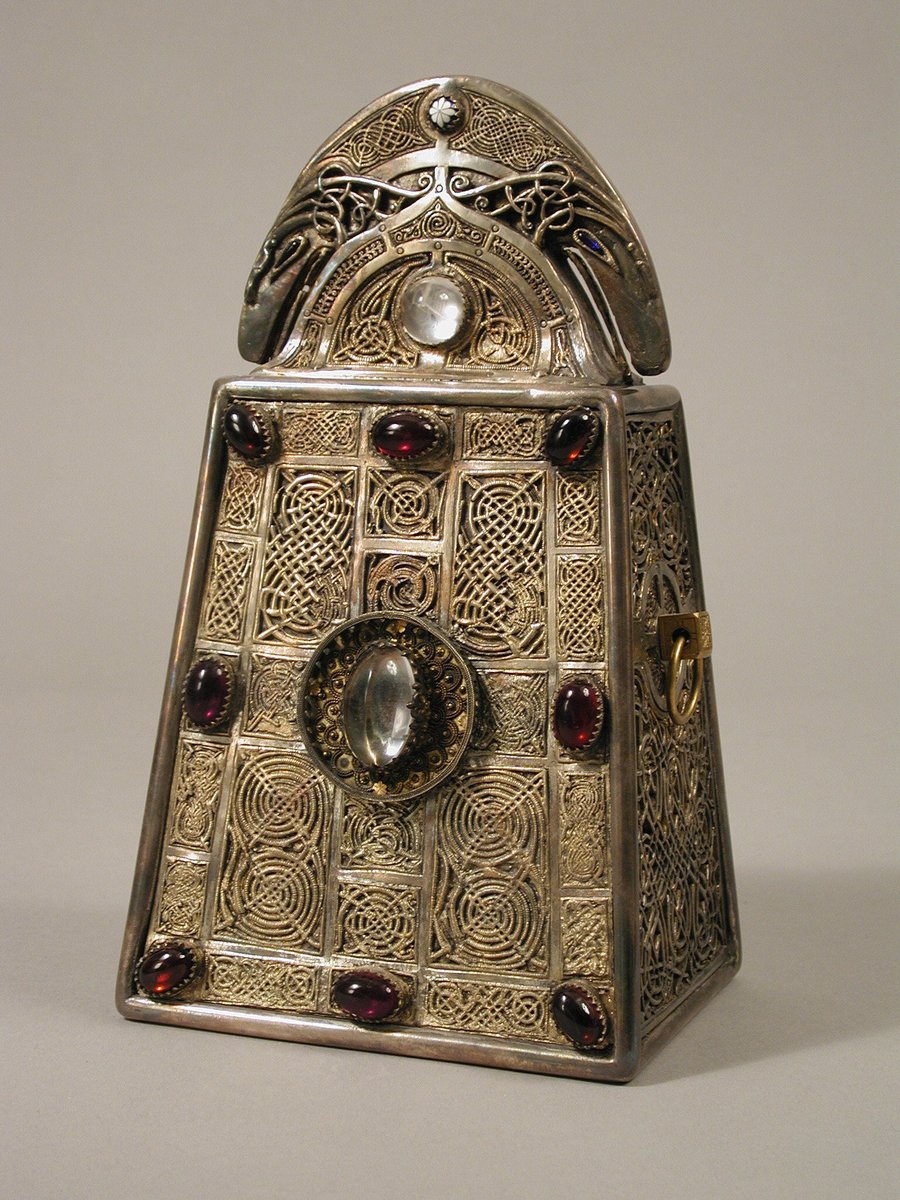
Myths accumulated over the centuries — regarding the snakes and shamrock — and relics were removed from his tomb by none other than Saint Columba, including a bell later encased in this reliquary, decorated with Viking-Celtic motifs, in the 11th century.
A legend was born.
A legend was born.
But regardless of any mythologising Patrick is already a remarkable figure.
And thanks to his Confession and Letter, generally accepted to be genuine 5th century accounts, we get an incredibly personal, sometimes surprising, picture of the man rather than the myth.
And thanks to his Confession and Letter, generally accepted to be genuine 5th century accounts, we get an incredibly personal, sometimes surprising, picture of the man rather than the myth.
Generated by Thread Navigator
Press ⌘ + S to quick-export