
7 Ways To Improve Architecture:

In 1849 an artist and writer called John Ruskin wrote something called "The Seven Lamps of Architecture".
It was an immediate best-seller and, in some ways, changed the course of 19th century art and design.
Ruskin became one of the leading public thinkers of the Victorian Era.
It was an immediate best-seller and, in some ways, changed the course of 19th century art and design.
Ruskin became one of the leading public thinkers of the Victorian Era.

Why did he write about seven "lamps" instead of rules? Because lamps *guide*, whereas rules *dictate*.
Ruskin preferred principles that could be understood and lived by, rather than strict laws to be blindly followed.
And this is what they were...
Ruskin preferred principles that could be understood and lived by, rather than strict laws to be blindly followed.
And this is what they were...
1. The Lamp of Sacrifice
Ruskin's point was simple: you cannot have good architecture unless you are willing to work for it and pay for it.
If our aim is to build as much as possible, as cheaply as possible, then although it may "function" it will not be great architecture.
Ruskin's point was simple: you cannot have good architecture unless you are willing to work for it and pay for it.
If our aim is to build as much as possible, as cheaply as possible, then although it may "function" it will not be great architecture.

Nothing good in this world comes easy; that is also true of architecture.
Thus, even if it is expensive to build beautiful buildings — though, often, not as expensive as we might think — how else could it be?
Good things come at a cost, whether of materials or labour.
Thus, even if it is expensive to build beautiful buildings — though, often, not as expensive as we might think — how else could it be?
Good things come at a cost, whether of materials or labour.
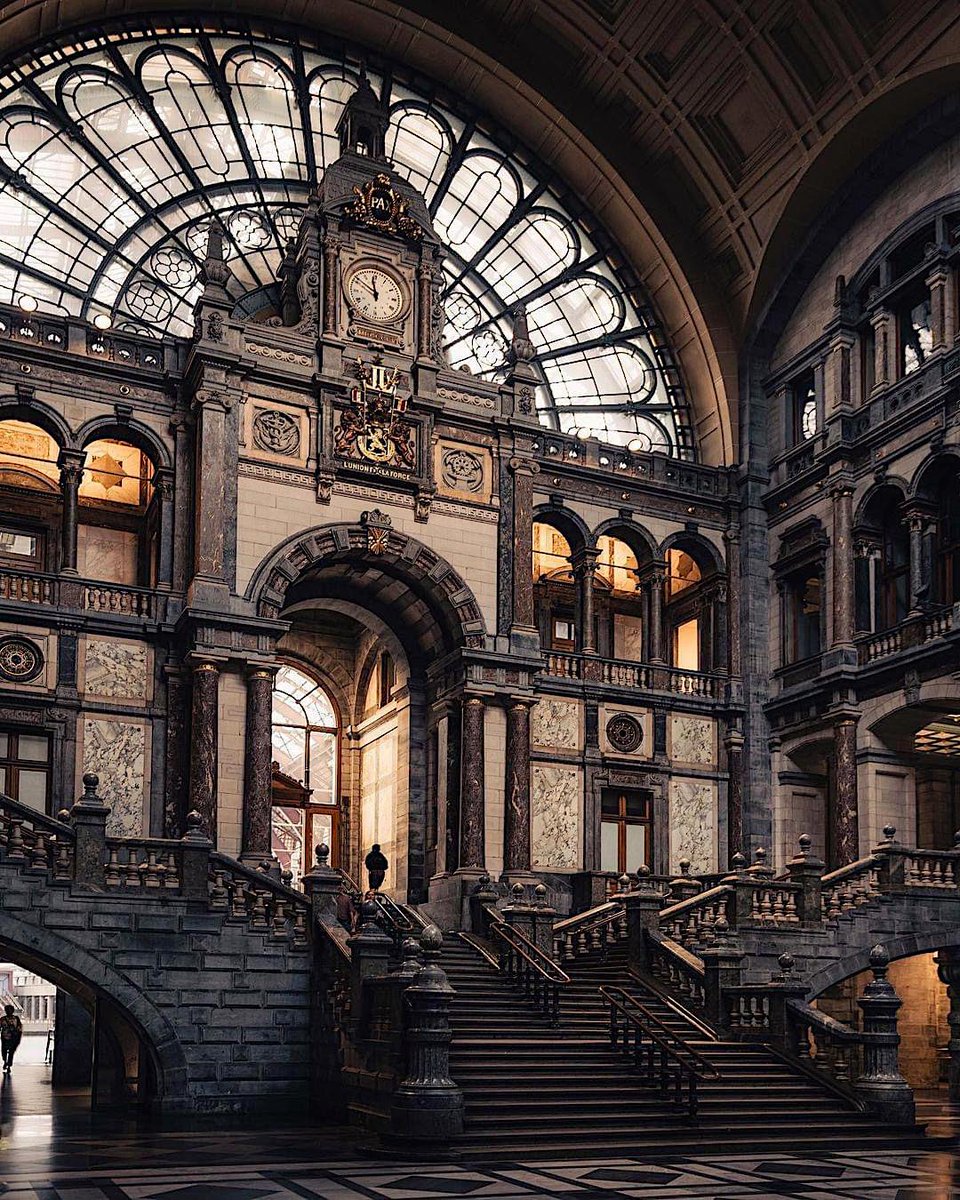

2. The Lamp of Truth
Ruskin argued against three kinds of architectural deceit:
~When a material is made to look like something it is not.
~When a building has fake structural elements.
~When something machine-made is made to look handmade.
Ruskin argued against three kinds of architectural deceit:
~When a material is made to look like something it is not.
~When a building has fake structural elements.
~When something machine-made is made to look handmade.

Ruskin detested, for example, fake wood or marble.
He believed that wherever we use a material, inside or outside, we should not hide its true nature.
To do so insults us, wastes workers' time, wastes resources, and degrades a building — it feels fake.
He believed that wherever we use a material, inside or outside, we should not hide its true nature.
To do so insults us, wastes workers' time, wastes resources, and degrades a building — it feels fake.
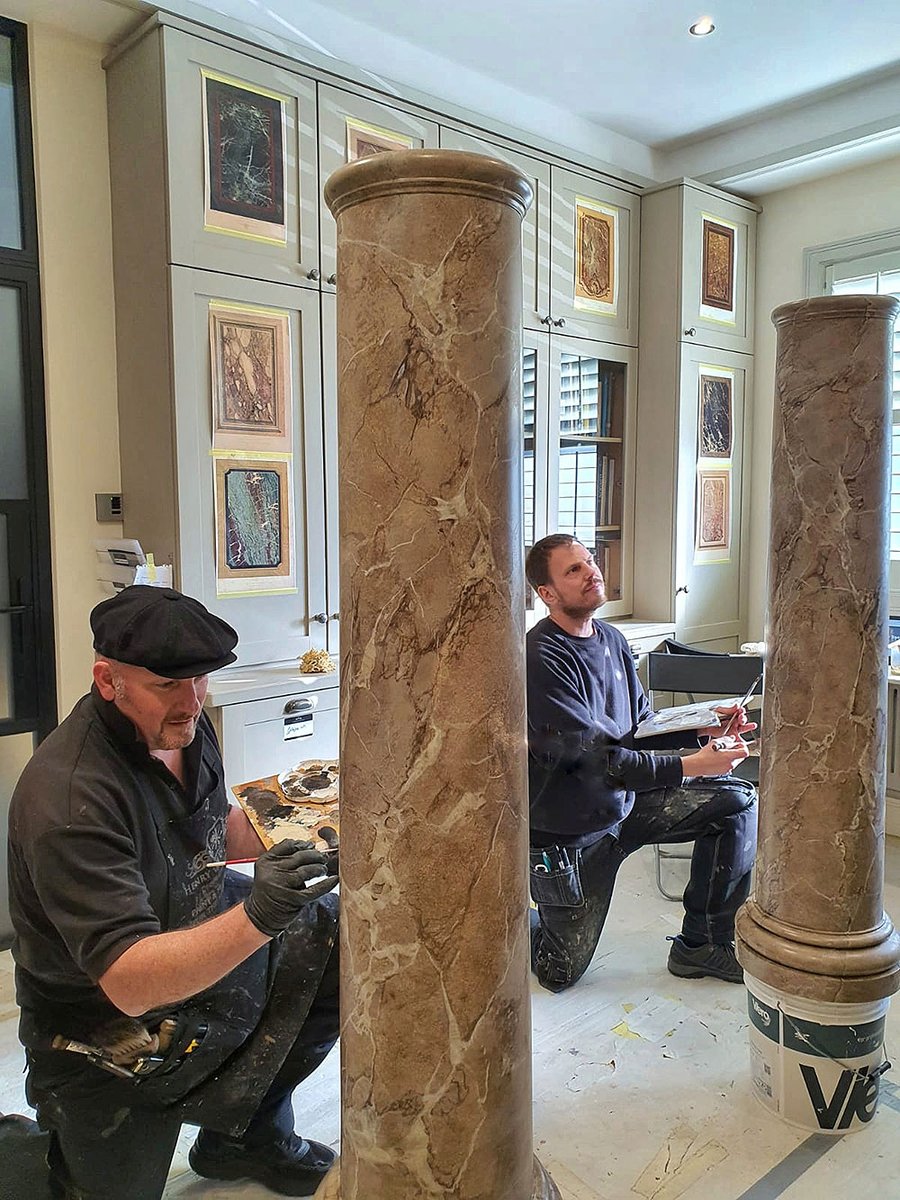

There are exceptions: sometimes we need to whitewash walls, for example.
But this is not one material pretending to be another; we *know* we are looking at a whitewashed brick wall, thus there is no deception.
Fake wood flooring, meanwhile, deceives us.
But this is not one material pretending to be another; we *know* we are looking at a whitewashed brick wall, thus there is no deception.
Fake wood flooring, meanwhile, deceives us.

3. The Lamp of Power
By "power" Ruskin was referring to the way in which a sense of scale, particular proportions, and certain arrangements of form and material, instinctively compel our attention.
Much of the greatest architecture is, inevitably, of this sort.
By "power" Ruskin was referring to the way in which a sense of scale, particular proportions, and certain arrangements of form and material, instinctively compel our attention.
Much of the greatest architecture is, inevitably, of this sort.

But, Ruskin argues, this is not magic — there are technical reasons for why a building can leave such an impression on us.
A building which lacks consistent terminating lines, for example, will often lose any sense of "power" it might have had.
A building which lacks consistent terminating lines, for example, will often lose any sense of "power" it might have had.

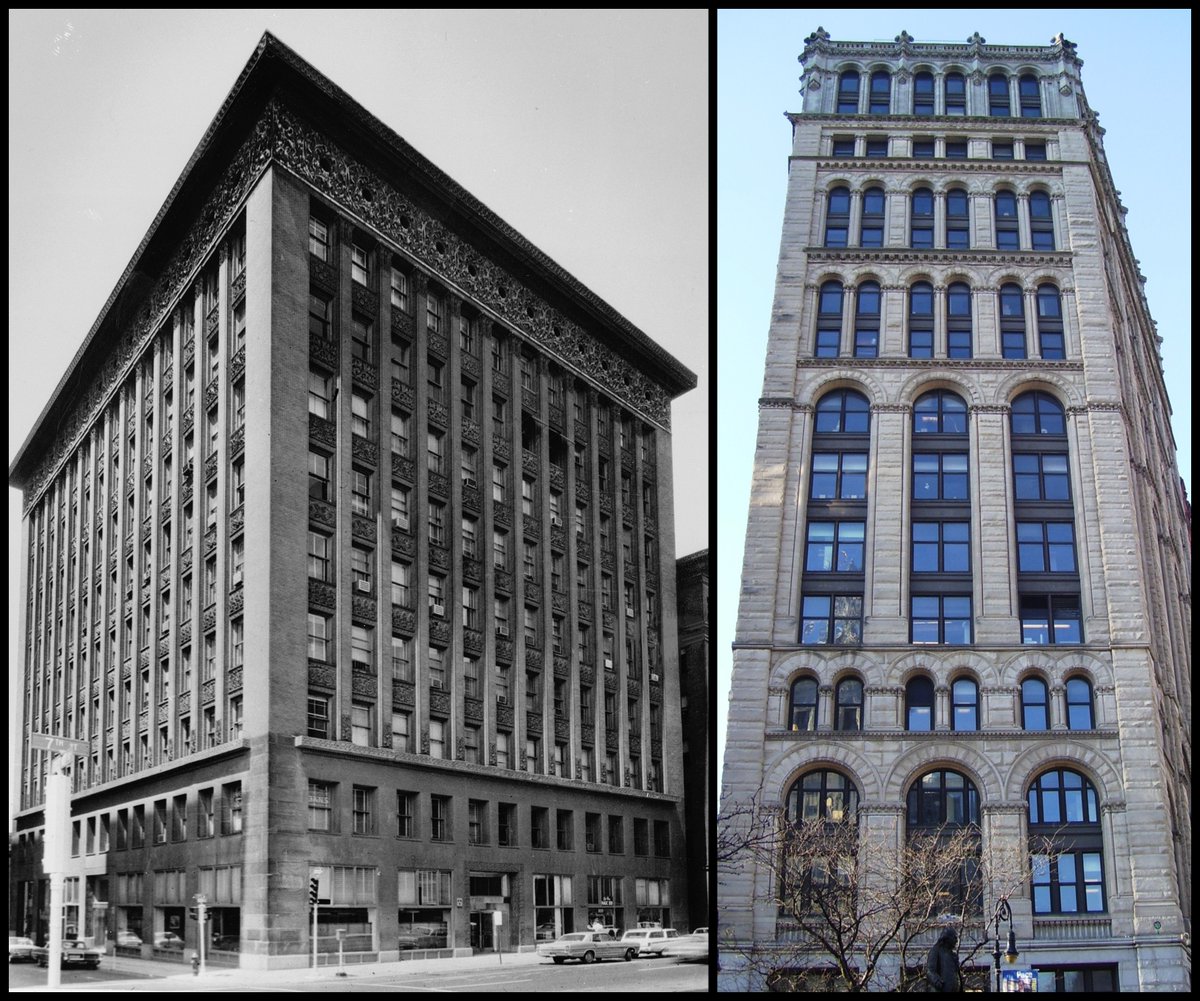
In the late 19th century skyscrapers were something new; nobody was sure how to make them look "right".
Enter Louis Sullivan. Compare his Wainwright Building and its unbroken vertical lines with the rather confused arcades of the former New York Times Building.
That is "power".
Enter Louis Sullivan. Compare his Wainwright Building and its unbroken vertical lines with the rather confused arcades of the former New York Times Building.
That is "power".
Or, more dramatically, compare St Peter's Basilica in Rome with St Paul's Cathedral in London.
Regardless of St Peter's other qualities, the fact that its dome is hidden away behind the facade ends up detracting from its "power".
Not so with St Paul's.
Regardless of St Peter's other qualities, the fact that its dome is hidden away behind the facade ends up detracting from its "power".
Not so with St Paul's.

4. The Lamp of Beauty
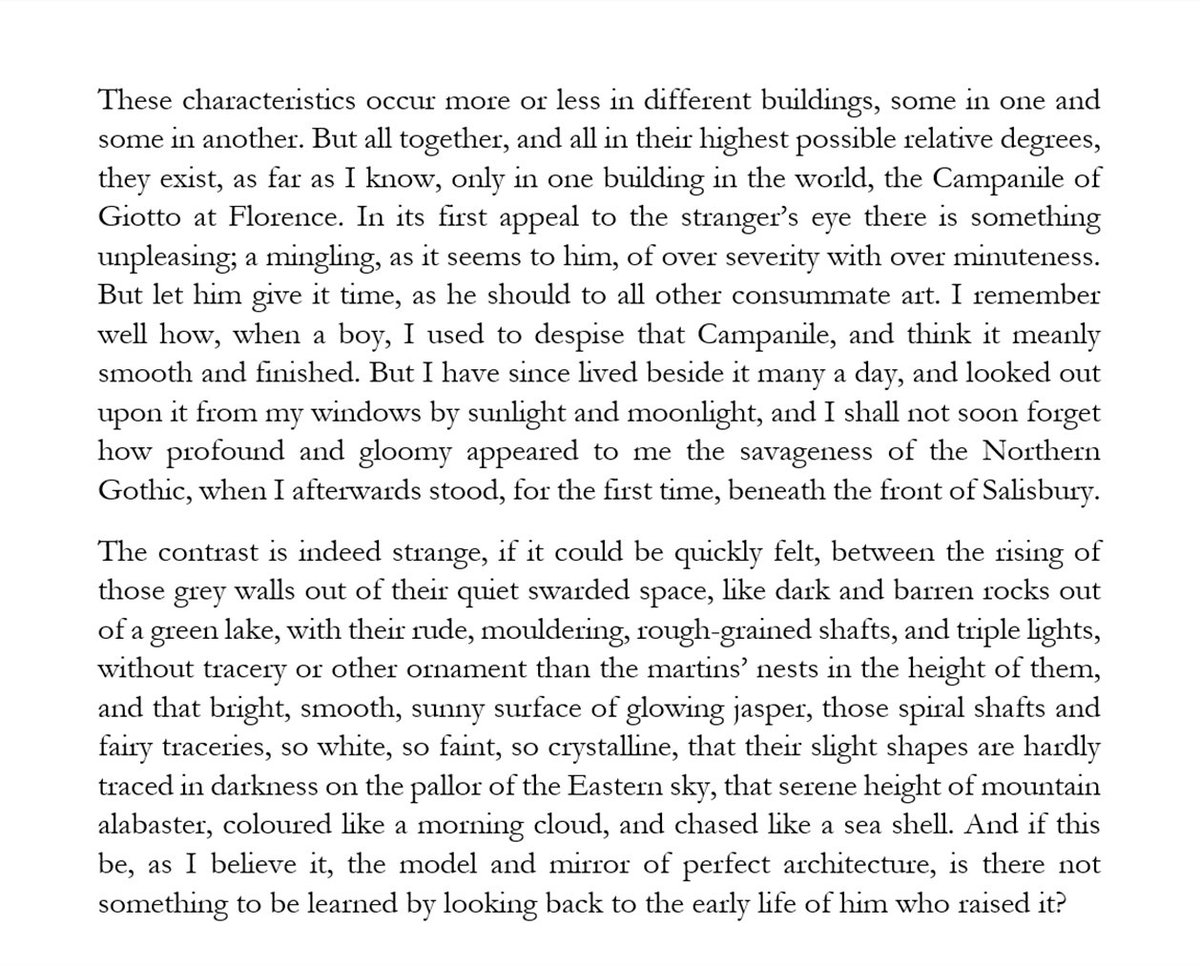
In defining beauty Ruskin focussed on the fundamentals from which we all draw our sense of it: colour, abstract form, decoration, ornamentation, and proportion.
He gave Giotto's Campanile in Florence as an example of the elements of beauty united:
In defining beauty Ruskin focussed on the fundamentals from which we all draw our sense of it: colour, abstract form, decoration, ornamentation, and proportion.
He gave Giotto's Campanile in Florence as an example of the elements of beauty united:
This Lamp is, of course, the most subjective — everybody has a different idea of beauty.
But Ruskin's fundamental point was that we must actually *want* to create something beautiful; we must believe beautiful architecture, whatever that means precisely, is worth pursuing.
But Ruskin's fundamental point was that we must actually *want* to create something beautiful; we must believe beautiful architecture, whatever that means precisely, is worth pursuing.

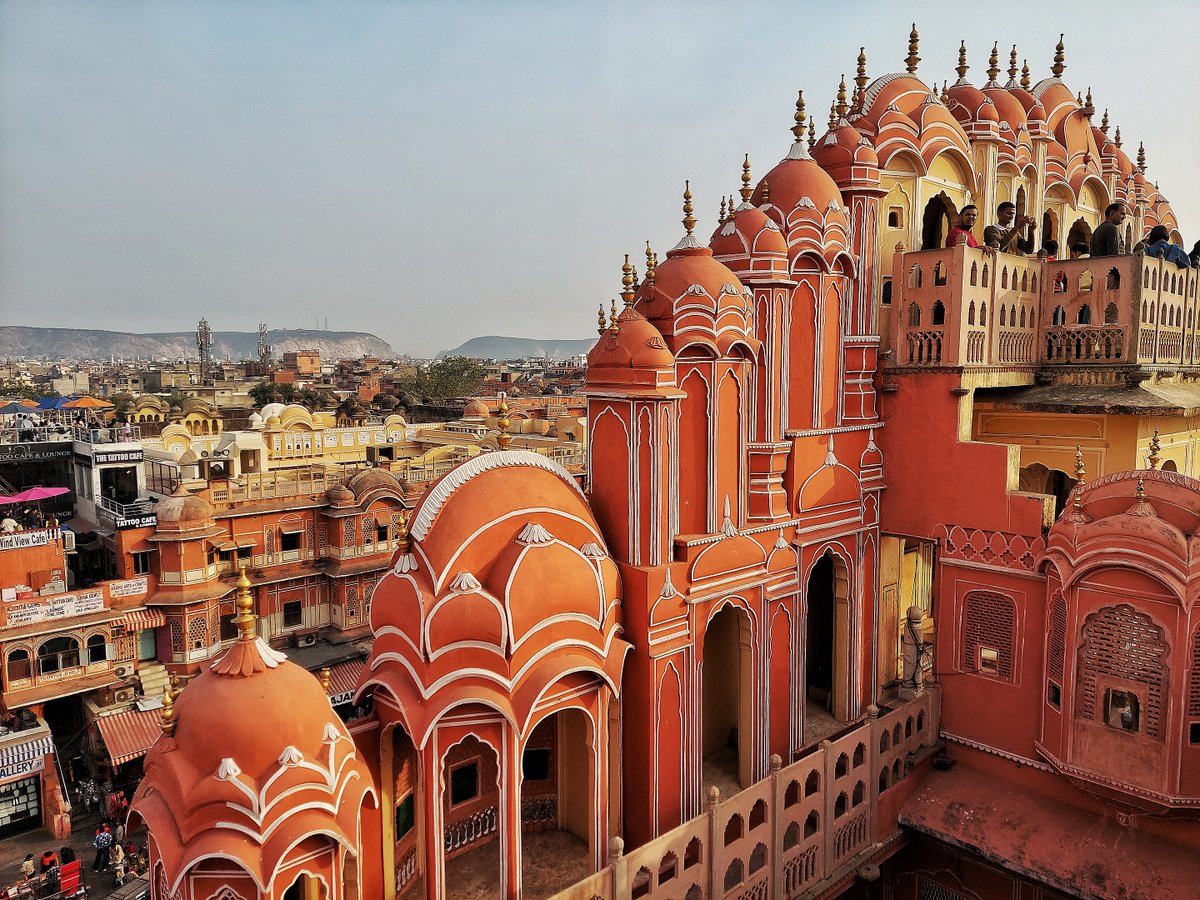
And the specific principles of beauty outlined by Ruskin apply equally to Giotto's Campanile and to, say, the mosques of Isfahan, the palaces of Rajasthan, or the temples of Kyoto.
The beautiful buildings of the world all have certain core tenets in common.
The beautiful buildings of the world all have certain core tenets in common.


5. The Lamp of Life
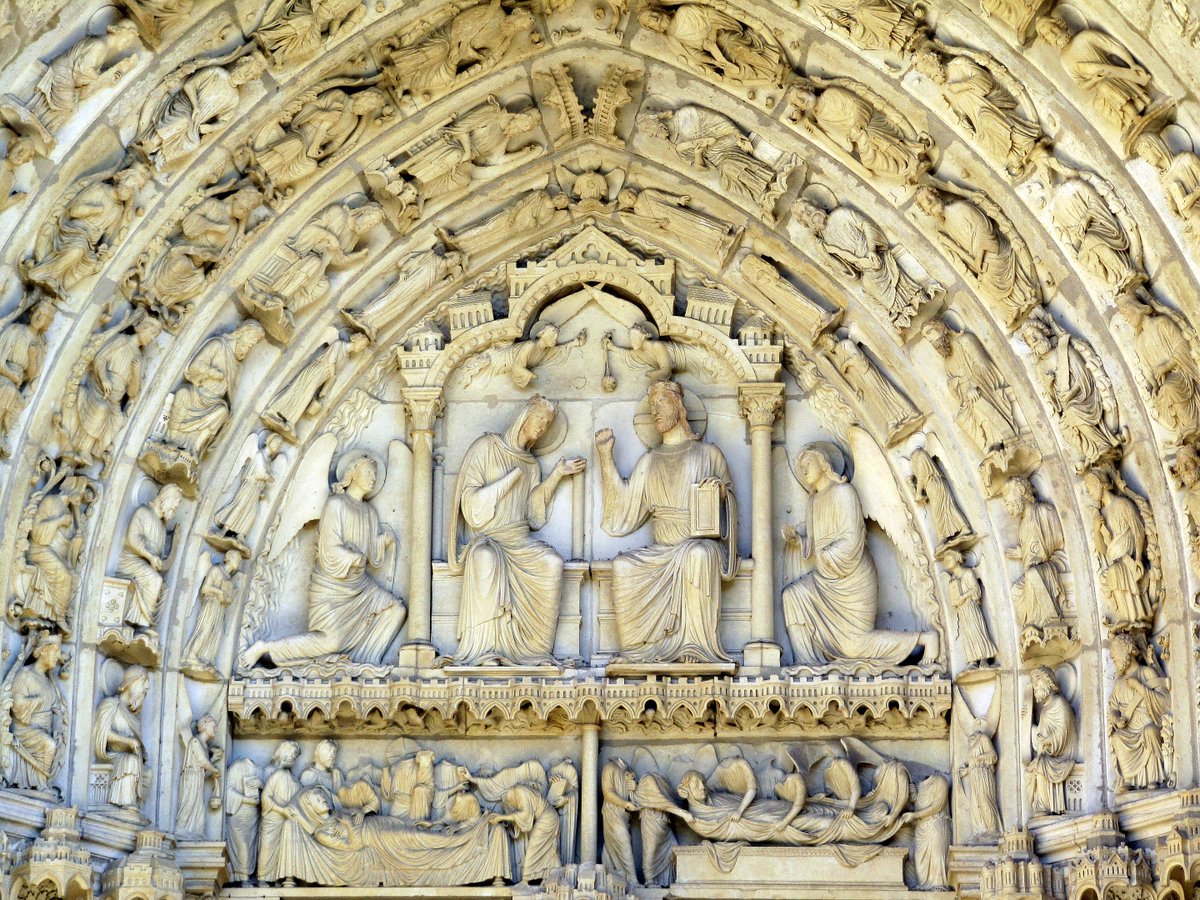
By "Life" Ruskin was mainly referring to decoration and ornamentation, though the deeper principle goes further.
He argued against slavishly following tradition and treating workers like machines whose job was to create exactly what they have been told to.
By "Life" Ruskin was mainly referring to decoration and ornamentation, though the deeper principle goes further.
He argued against slavishly following tradition and treating workers like machines whose job was to create exactly what they have been told to.
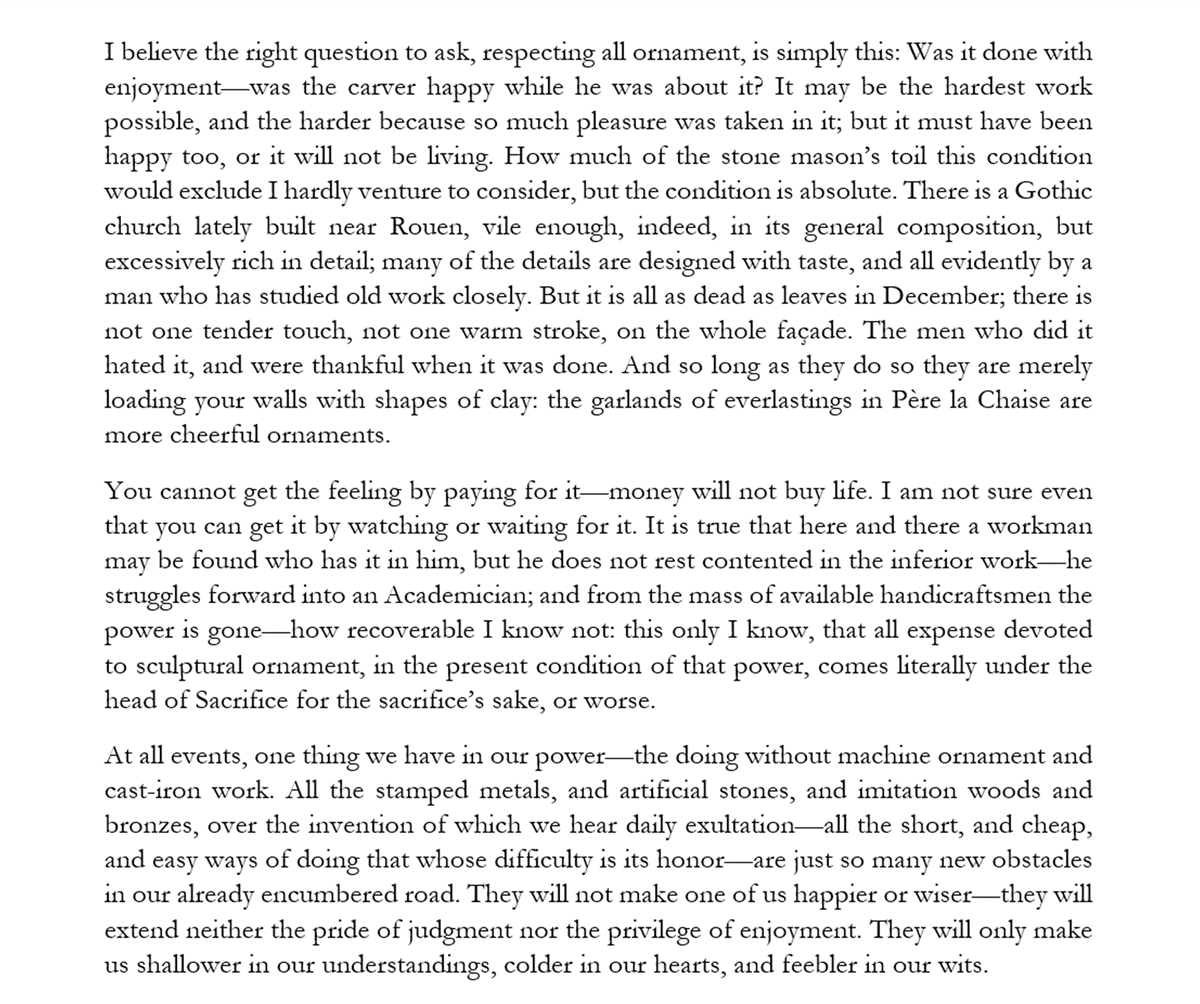
Ruskin believed that wherever we employ somebody to "decorate" a building, be that with sculptures or anything else, they should be free to follow their own creative inclinations and enjoy their work.
Thus resulting in a varied, deeply human, living form of architecture.
Thus resulting in a varied, deeply human, living form of architecture.

6. The Lamp of Memory
Ruskin believed that we must build for all ages — that we must have future generations in mind, not only our own, whenever we design new buildings.
By thinking about architecture on this scale we immediately raise our standards across the board.
Ruskin believed that we must build for all ages — that we must have future generations in mind, not only our own, whenever we design new buildings.
By thinking about architecture on this scale we immediately raise our standards across the board.

Just think of how we admire the architecture of the past, from all around the world — indeed, just follow the tourists!
But Ruskin didn't mean we should simply imitate the past; his point was that, if we want good architecture, we must *always* think about the future.
But Ruskin didn't mean we should simply imitate the past; his point was that, if we want good architecture, we must *always* think about the future.

7. The Lamp of Obedience
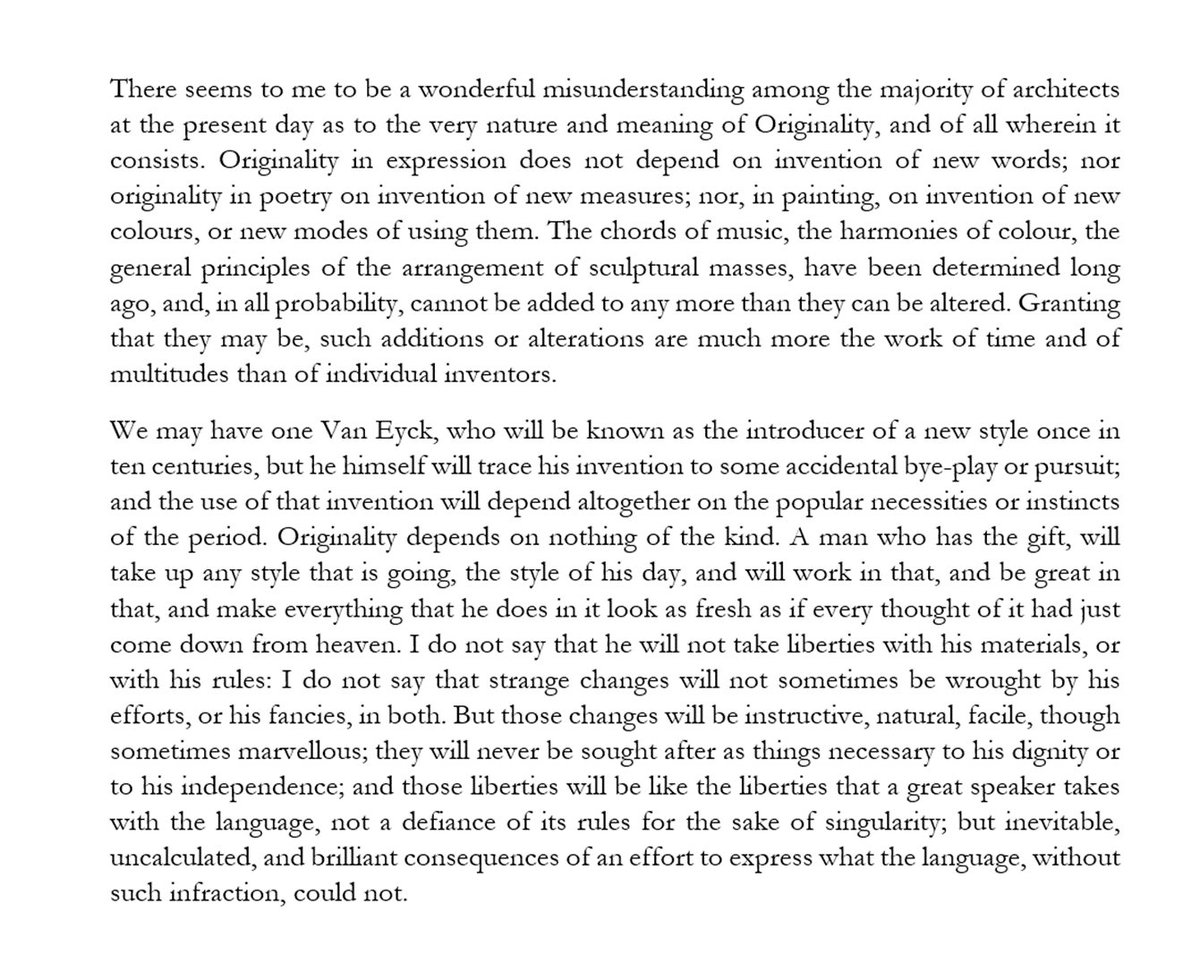
Ruskin was deeply critical of the 19th century architects who pursued "originality" for the sake of it.
The past has handed down to us countless models for how to build well and how to build beautifully; ignoring them is not "originality", but hubris.
Ruskin was deeply critical of the 19th century architects who pursued "originality" for the sake of it.
The past has handed down to us countless models for how to build well and how to build beautifully; ignoring them is not "originality", but hubris.
Generated by Thread Navigator
Press ⌘ + S to quick-export