Have you ever wondered why the world is full of box-shaped buildings with square windows, plain walls, and no ornamentation?
Well, it's because of this house in Austria.
It may look ordinary, but that's the point. It's actually 112 years old...

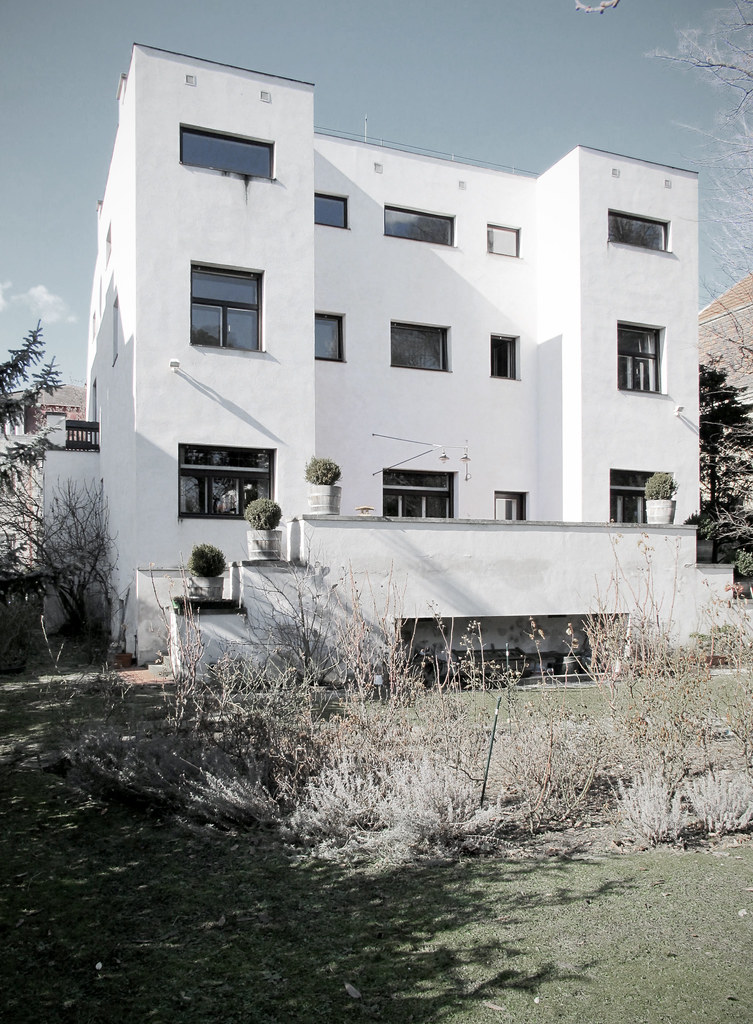
Adolf Loos (1870-1933) was born in the modern-day Czech Republic, then part of the Austro-Hungarian Empire. The son of a stonemason, he trained as a bricklayer before studying architecture in Dresden.
This was the dominant architectural style in Europe during his youth:
This was the dominant architectural style in Europe during his youth:


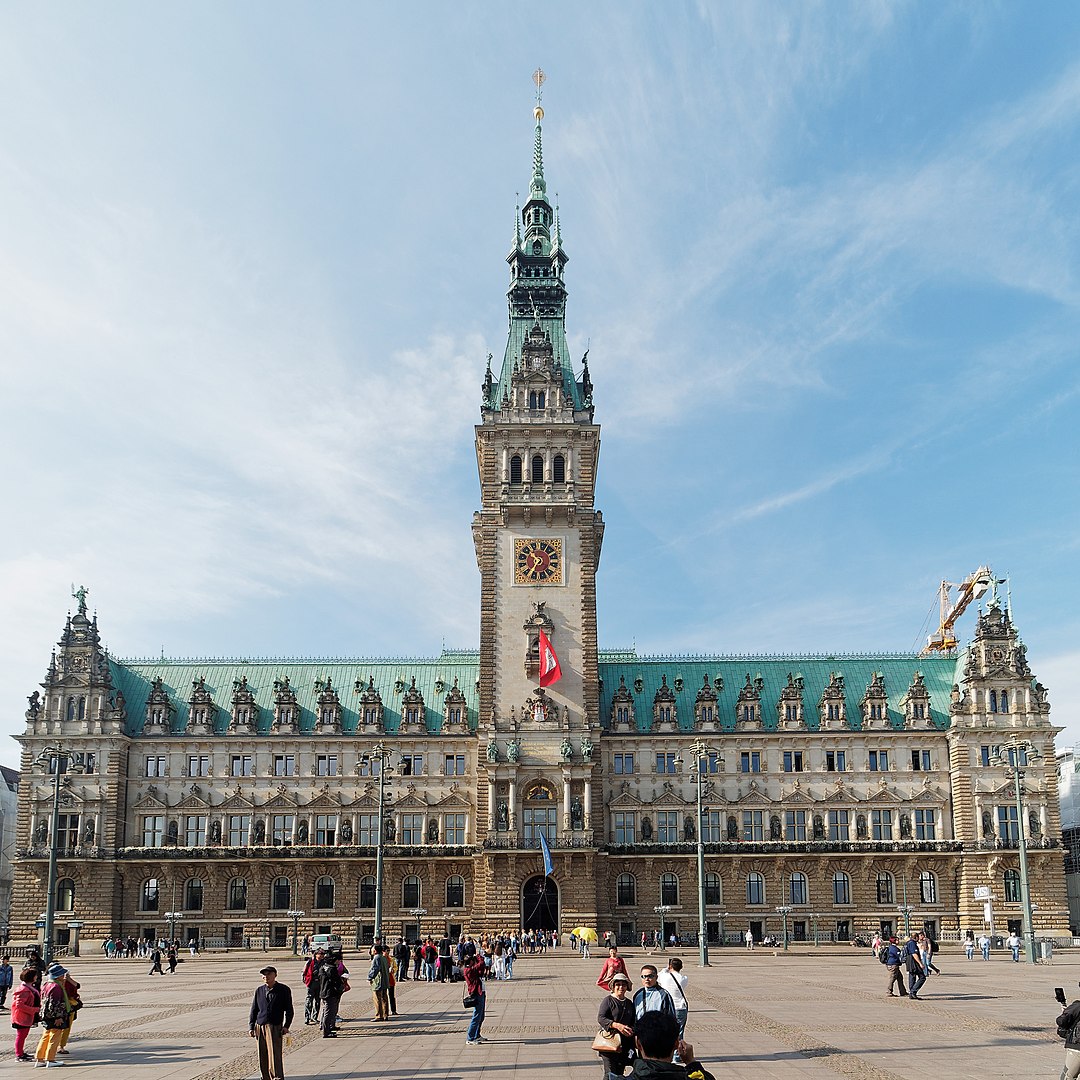
Loos never particularly liked it, but he wasn't sure how to respond.
And, a rather wayward character, he ended up travelling to the Chicago World Fair in 1893. He stayed in America for three years, captivated and inspired by what he saw and learned there.
And, a rather wayward character, he ended up travelling to the Chicago World Fair in 1893. He stayed in America for three years, captivated and inspired by what he saw and learned there.

Specifically, Loos learned much about modern construction methods, such as reinforced concrete and high-rises with metal frames.
Just consider something like the Fisher Building, seen here under construction with a steel skeleton in 1894.
Loos had discovered the future.
Just consider something like the Fisher Building, seen here under construction with a steel skeleton in 1894.
Loos had discovered the future.

But it wasn't just construction methods. Loos was heavily influenced by Louis Sullivan, the father not just of skyscrapers but of modern architecture.
Sullivan, building on the ideas of the great French architect Viollet-le-Duc, famously believed that "form follows function".
Sullivan, building on the ideas of the great French architect Viollet-le-Duc, famously believed that "form follows function".


Loos loved this. He was sick of Europe's superfluously ornamented, superficially artistic architecture.
Rather, he had fallen in love with the modern style of Sullivan and the Chicago School, like the Marquette Building, completed in 1895:
Rather, he had fallen in love with the modern style of Sullivan and the Chicago School, like the Marquette Building, completed in 1895:

But Loos was almost ideological in his opposition to ornamentation. He warped Sullivan's "form follows function" maxim and took it to the extreme.
For Loos, it was water towers and grain silos that represented perfect, truly "rational" architecture:
For Loos, it was water towers and grain silos that represented perfect, truly "rational" architecture:

Returning to Europe , Loos settled in Austria and was caught up in the "Vienna Secession", an artistic and cultural movement which reacted to the same old-fashioned ornamentation he hated.
The Secession House was something like their manifesto, while Gustav Klimt was a founder:
The Secession House was something like their manifesto, while Gustav Klimt was a founder:
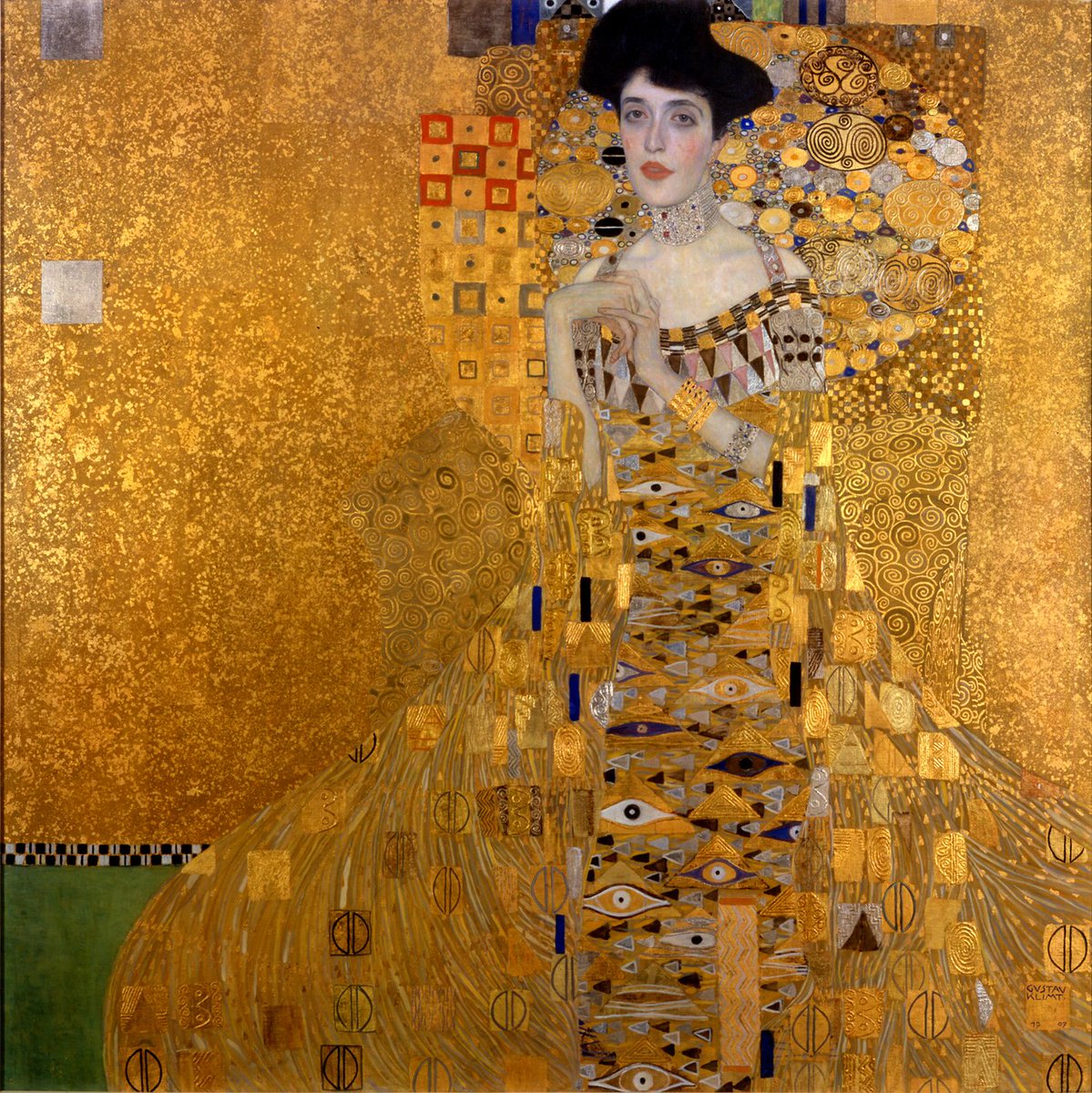
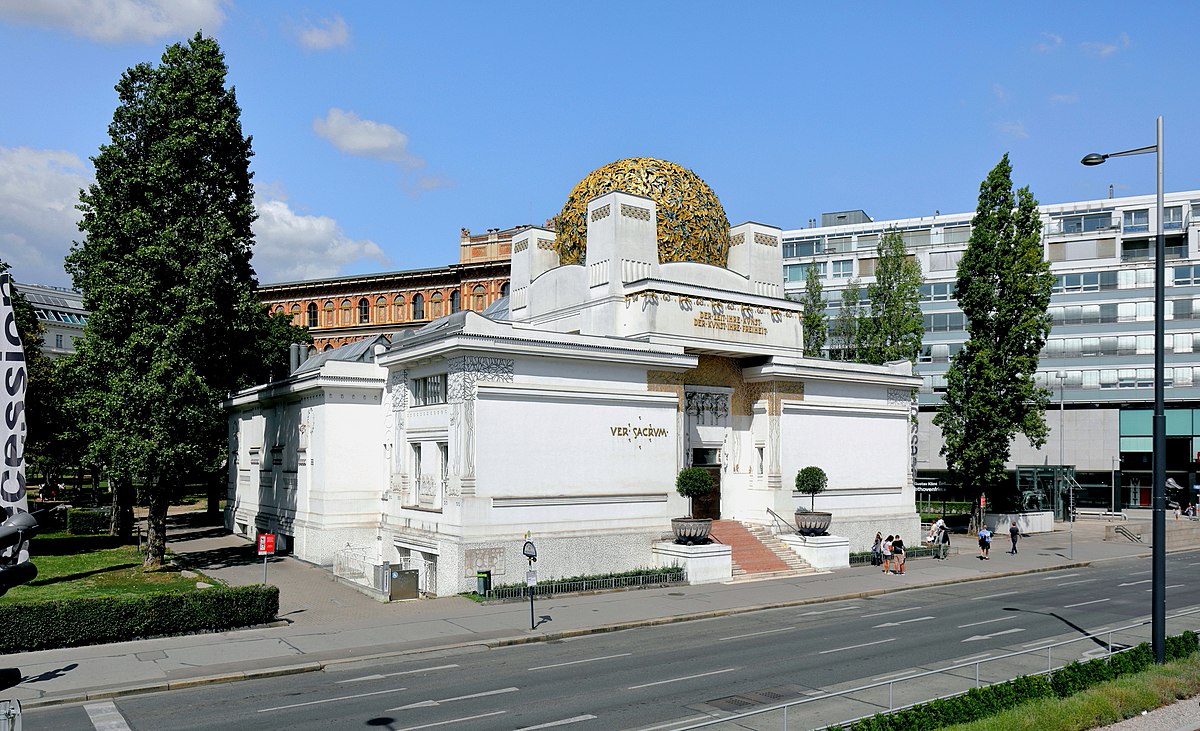
The Vienna Secession was deeply modern in its own way, breaking from established style to introduce asymmetry, fluidity, colour, and new designs into architecture, just like Art Nouveau in the rest of Europe, with which it was deeply intertwined:


And even though the Secession and Art Nouveau were led by artists who were also sick of traditionalist architecture and art, known as "Revivalism" or "Historicism", they didn't go far enough for Alfred Loos.
He had seen the future, and he wanted to make it happen.
He had seen the future, and he wanted to make it happen.
And so he published an essay in 1910 called "Ornamentation and Crime" in which he took the theories of Viollet-le-Duc and Sullivan to their extreme.
He didn't just attack the Revivalists, who were building things like Vienna's Ringstrasse, but also pilloried the Secessionists.
He didn't just attack the Revivalists, who were building things like Vienna's Ringstrasse, but also pilloried the Secessionists.

Consider this line from the essay:
"Their ornamental details, their corbels, garlands of fruit, cartouches and serrations are nothing more than moulded cement tacked on."
This was aimed at pretty much everybody. After all, even Sullivan had used ornamentation in his work.
"Their ornamental details, their corbels, garlands of fruit, cartouches and serrations are nothing more than moulded cement tacked on."
This was aimed at pretty much everybody. After all, even Sullivan had used ornamentation in his work.

He also argued that ornamentation and any artistic design on a building's exterior was a waste of resources and labour, forcing craftsmen to do fundamentally useless and poorly paid work.
Ornamentation was not "rational" to Loos, and therefore belonged in the past.
Ornamentation was not "rational" to Loos, and therefore belonged in the past.
We can see how radically his ideas departed from the dominant style of the day in the Café Museum, whose interior he designed in 1899; it seems to predict modern minimalism.
You need only compare it to something like the traditional Café Central (1876) to see the difference.
You need only compare it to something like the traditional Café Central (1876) to see the difference.


Loos' entire architectural philosophy can be summarised by a single statement from Crime & Ornamentation:
"I have reached the following conclusion which I give to the world: the evolution of culture is equivalent to the removal of ornamentation from utilirarian objects."
"I have reached the following conclusion which I give to the world: the evolution of culture is equivalent to the removal of ornamentation from utilirarian objects."

When Loos was commissioned to design a new building for the clothing company Goldman & Salatsch, he shocked Vienna with his design.
This building is now known as the Looshaus.
This building is now known as the Looshaus.

Indeed, the Looshaus seems to pre-empt Art Deco, as it combines futuristic, vertical, modern forms with great luxury and decadent materials, especially inside.
Indeed, it seems Loos wasn't quite able to fully pursue his "rationalist" ideals.
Indeed, it seems Loos wasn't quite able to fully pursue his "rationalist" ideals.


But you need only compare the upper storeys, with their plain white facade, square windows, and total lack of ornamentation, to buildings close to the Looshaus, to see why it caused such a stir in Vienna.
The future was coming...
The future was coming...


To us the Steiner House could hardly look any more ordinary, because that's how many buildings look in the 21st century.
But, whatever we think of Loos' style, we have to admit that it must have looked extraordinary, almost alien, when unveiled in 1912:
But, whatever we think of Loos' style, we have to admit that it must have looked extraordinary, almost alien, when unveiled in 1912:
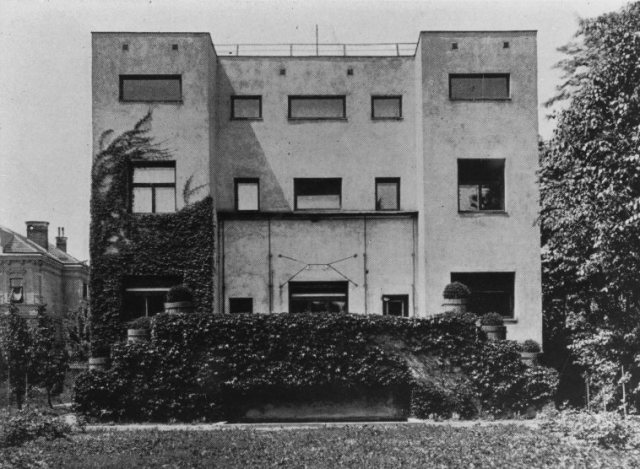
But he went even further. The Steiner Hause was symmetrical, was it not?
And so in the Rufer House, designed in 1922, he seemingly placed the windows at random. At this point Loos was essentially predicting contemporary architecture...
And so in the Rufer House, designed in 1922, he seemingly placed the windows at random. At this point Loos was essentially predicting contemporary architecture...

Generated by Thread Navigator
Press ⌘ + S to quick-export