@thealepalombo: Rural Europe is going to becom...
@thealepalombo
11 views
Mar 28, 2026
Advertisement
1
Rural Europe is going to become a lifestyle destination for millions, not just Europeans.
Thousands of historic towns sitting half-empty. Stone houses for €30-80K. Solid houses built for generations, realistically yours for under €200K. Often with incredible tax regimes.
The two things that were missing: internet and services. Starlink fixed the first. And these aren't the rural areas of the 90s, many towns close to larger cities are now perfectly served. People are moving back.
This is my "Starlink guide" to rural Europe: 10 places I'm considering for living or investment myself.
🧵
Thousands of historic towns sitting half-empty. Stone houses for €30-80K. Solid houses built for generations, realistically yours for under €200K. Often with incredible tax regimes.
The two things that were missing: internet and services. Starlink fixed the first. And these aren't the rural areas of the 90s, many towns close to larger cities are now perfectly served. People are moving back.
This is my "Starlink guide" to rural Europe: 10 places I'm considering for living or investment myself.
🧵


2
First, why Europe? Because nowhere else has 2,000 years of micro-cultures compressed into a continent the size of the US.
800-1,200 year-old communities, each with its own dialect, cuisine, architecture.
I moved to the beach outside Lisbon and proved it to myself.
You build your own fortress, everything changes.
I mapped 10 places I'd consider myself.
Here's what I found.
800-1,200 year-old communities, each with its own dialect, cuisine, architecture.
I moved to the beach outside Lisbon and proved it to myself.
You build your own fortress, everything changes.
I mapped 10 places I'd consider myself.
Here's what I found.

3
1/ INTERIOR ALGARVE, PORTUGAL
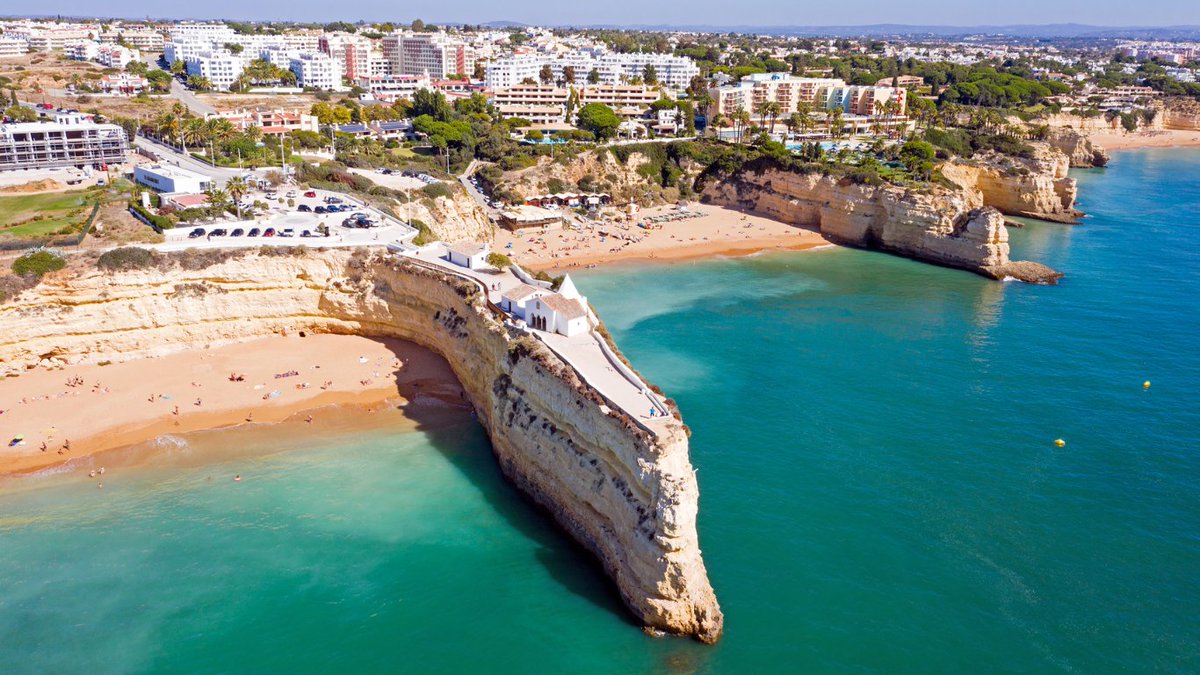
If I wasn't near Lisbon, I'd be in the Algarve. No question. Warm climate. Huge international community, especially British. Some of the best sport and fitness centers in southern Europe.
A friend is opening a hotel there in April. I go down frequently. It's the easiest transition for anyone coming from northern Europe.
Interior Algarve is where the real value is. Move 15km inland and prices collapse while quality of life stays world-class.
Best for: Northern Europeans wanting sun + community. Families. Crypto holders.
Drawback: Car essential. Seasonal tourism. Portuguese bureaucracy.
If I wasn't near Lisbon, I'd be in the Algarve. No question. Warm climate. Huge international community, especially British. Some of the best sport and fitness centers in southern Europe.
A friend is opening a hotel there in April. I go down frequently. It's the easiest transition for anyone coming from northern Europe.
Interior Algarve is where the real value is. Move 15km inland and prices collapse while quality of life stays world-class.
Best for: Northern Europeans wanting sun + community. Families. Crypto holders.
Drawback: Car essential. Seasonal tourism. Portuguese bureaucracy.

4
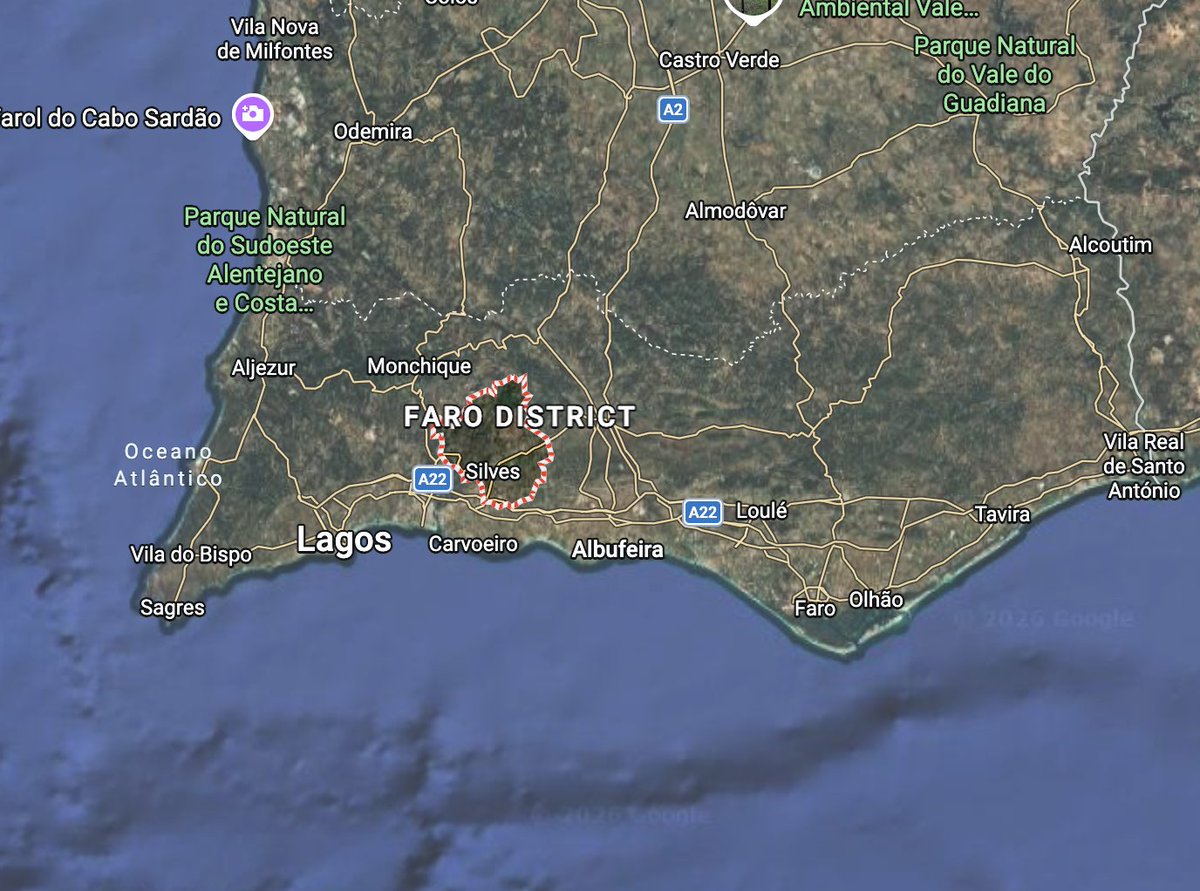
On the map: Monchique, São Brás de Alportel, Silves.
All 15-30 min from the coast.
300+ sunny days/year.
All 15-30 min from the coast.
300+ sunny days/year.


5
What it costs:
Renovated farmhouse with pool: €180K-350K
Property: €1,000-1,800/sqm (vs €3,500+ on coast)
Rent: €500-700/month for a 2BR villa with land
Cost of living: €1,200-1,600/month (couple)
Healthcare: public system + private at €50-100/consultation
The tax setup:
D8 Digital Nomad Visa: €3,680/month income (2026)
IFICI (NHR 2.0): 0% tax on foreign income for 10 years. 20% flat on Portuguese income
0% long-term crypto gains (held 365+ days). Short-term: 28%
0% inheritance tax to spouse/children
Personally, I'd love to live here and could see myself doing it. You're still roughly 3 hours from Lisbon for anything you might need, and you can drive to Spain. Underrated combination.
Renovated farmhouse with pool: €180K-350K
Property: €1,000-1,800/sqm (vs €3,500+ on coast)
Rent: €500-700/month for a 2BR villa with land
Cost of living: €1,200-1,600/month (couple)
Healthcare: public system + private at €50-100/consultation
The tax setup:
D8 Digital Nomad Visa: €3,680/month income (2026)
IFICI (NHR 2.0): 0% tax on foreign income for 10 years. 20% flat on Portuguese income
0% long-term crypto gains (held 365+ days). Short-term: 28%
0% inheritance tax to spouse/children
Personally, I'd love to live here and could see myself doing it. You're still roughly 3 hours from Lisbon for anything you might need, and you can drive to Spain. Underrated combination.


6
2/ RURAL CRETE, GREECE
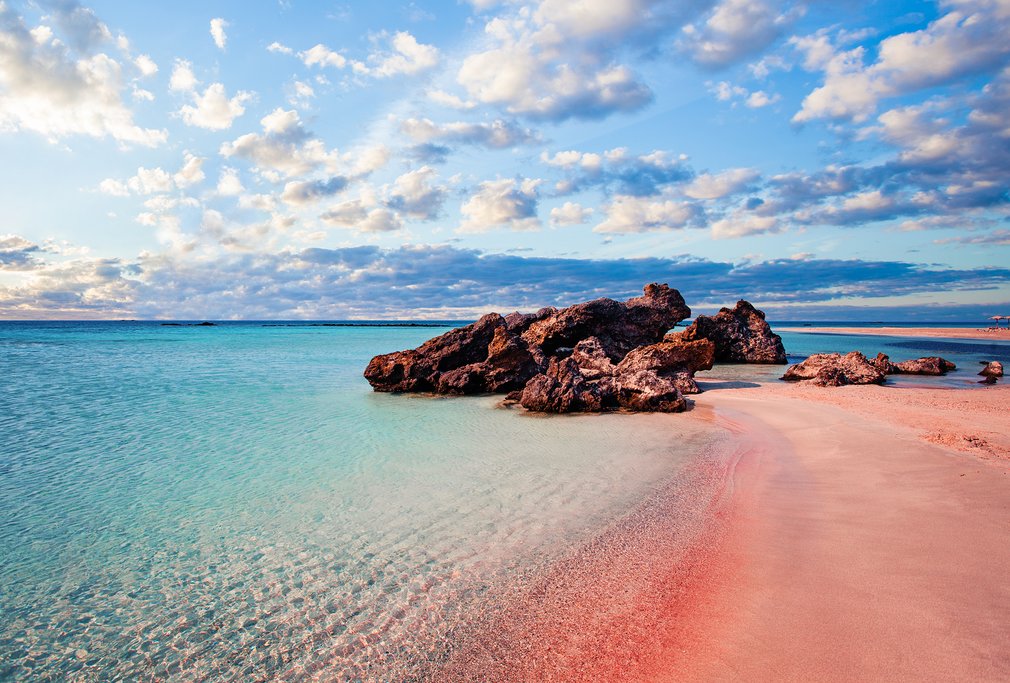
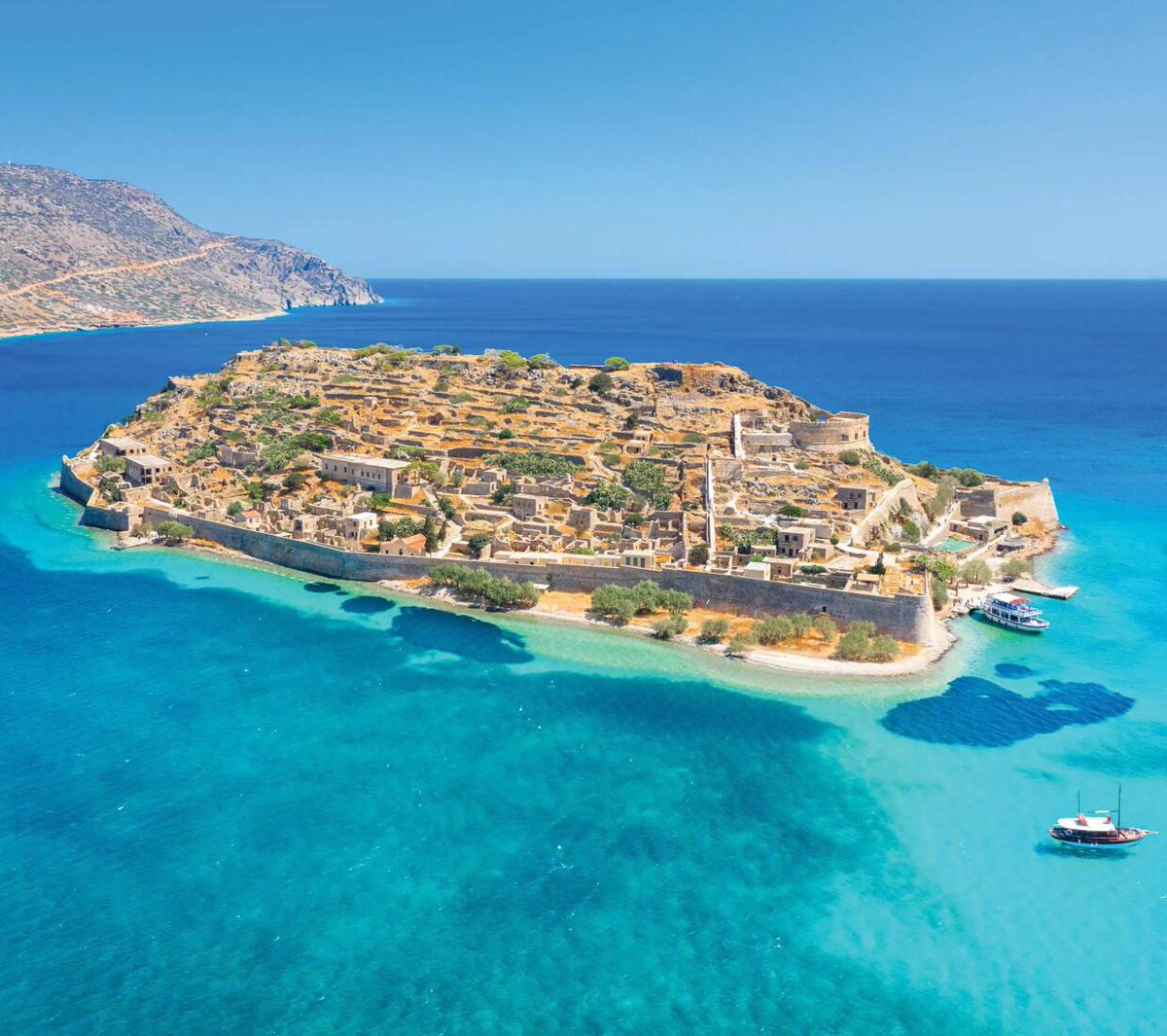
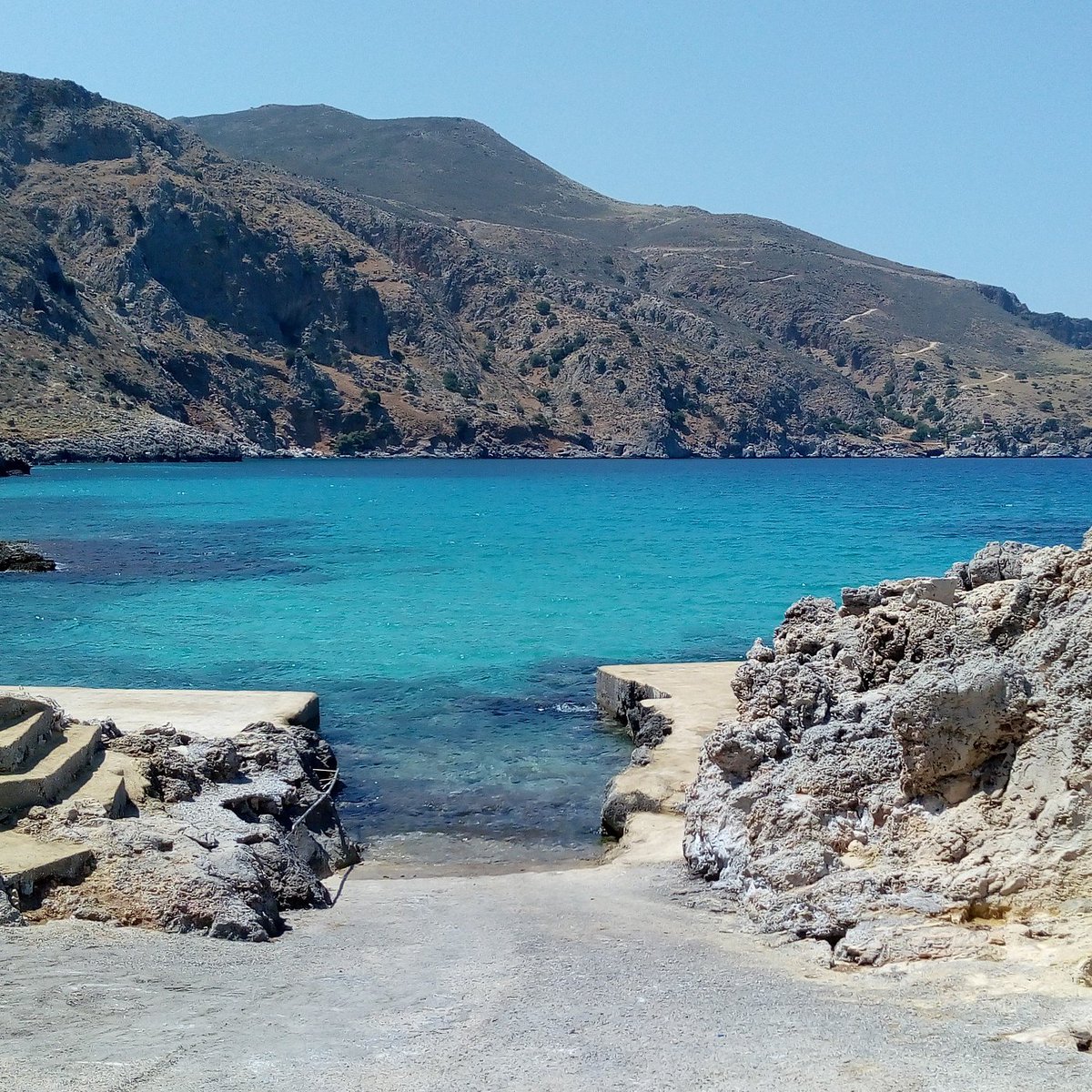
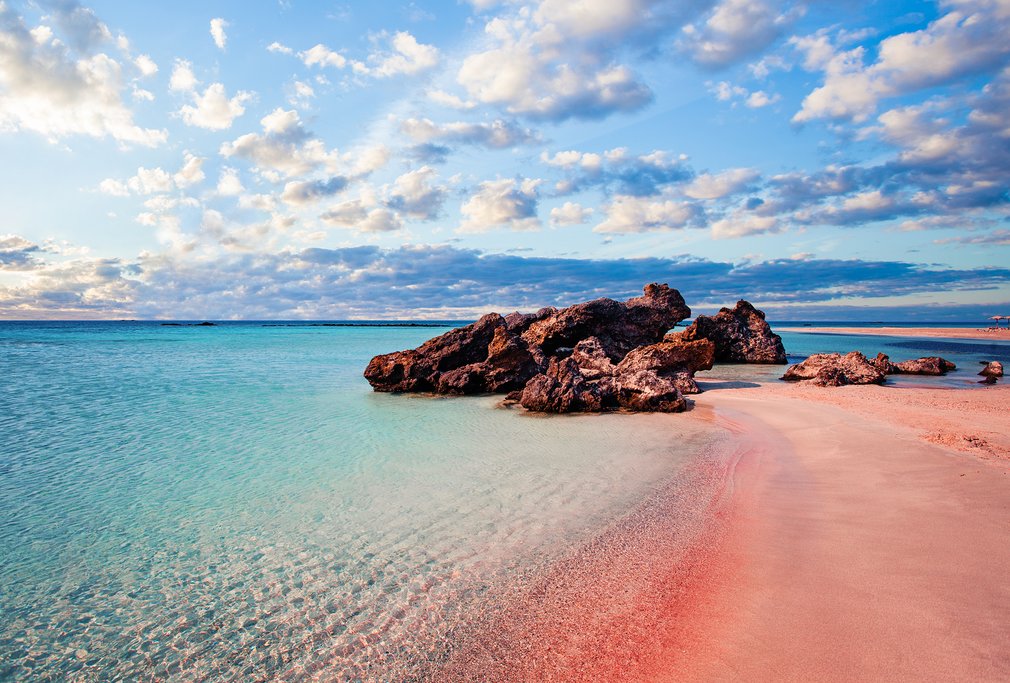
Crete and Greece would be my second pick after Portugal. I love the culture. In my view, it's the epitome of southern Europe. The food, the pace, the light. If I wasn't already in Portugal, I'd be here.
Crete is an island the size of a small country. Outside Chania and Heraklion: olive groves, mountain villages, €300/month rent.
Best for: People who want the deepest Mediterranean lifestyle at the lowest cost. Writers. Couples without school-age children.
Drawback: Island logistics. Ferry/flight dependency. Greek bureaucracy. Winter isolation in small villages.
Crete and Greece would be my second pick after Portugal. I love the culture. In my view, it's the epitome of southern Europe. The food, the pace, the light. If I wasn't already in Portugal, I'd be here.
Crete is an island the size of a small country. Outside Chania and Heraklion: olive groves, mountain villages, €300/month rent.
Best for: People who want the deepest Mediterranean lifestyle at the lowest cost. Writers. Couples without school-age children.
Drawback: Island logistics. Ferry/flight dependency. Greek bureaucracy. Winter isolation in small villages.


7
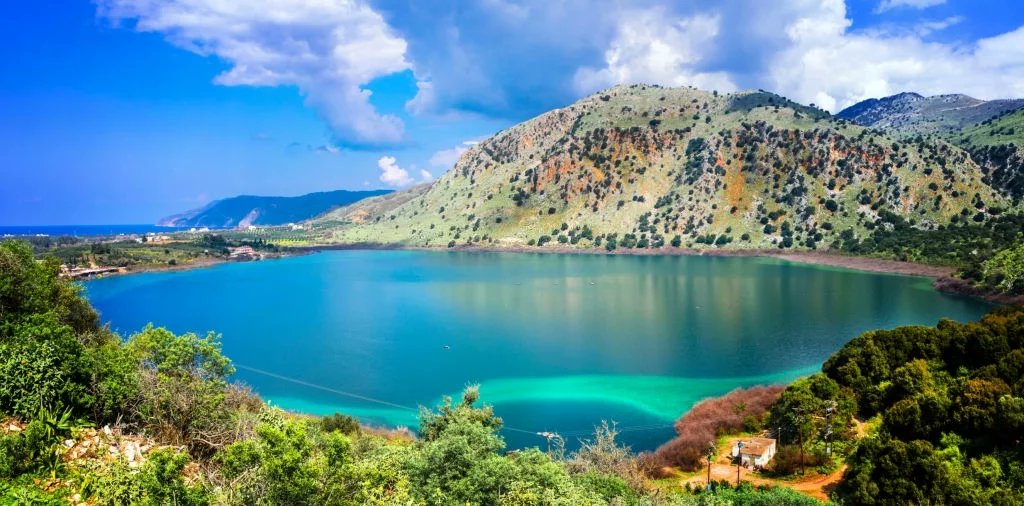
On the map: Vamos, Apokoronas, Kissamos.
Between mountains and sea.
300 sunny days/year.
Between mountains and sea.
300 sunny days/year.


8
What it costs:
Stone house with olive grove: €80K-200K
Property: €1,000-1,500/sqm rural (vs €2,500+ in cities)
Rent: €300-600/month rural villages
Cost of living: €1,000-1,400/month (single)
Groceries: €200-350/month (taverna meals €10-15)
Healthcare: Public ESY system + affordable private
The tax setup:
50% income tax exemption for new residents, 7 years
Non-dom flat tax: €100K/year lump sum on foreign income (requires €500K investment in Greek assets). Up to 15 years
Golden Visa: €400K min investment (less populated areas; €800K Athens/islands)
Crypto capital gains: flat 15%
I wouldn't easily pick an island for myself. But if I had to, Crete is the poetic on; I'd accept the trade-offs for it.
Stone house with olive grove: €80K-200K
Property: €1,000-1,500/sqm rural (vs €2,500+ in cities)
Rent: €300-600/month rural villages
Cost of living: €1,000-1,400/month (single)
Groceries: €200-350/month (taverna meals €10-15)
Healthcare: Public ESY system + affordable private
The tax setup:
50% income tax exemption for new residents, 7 years
Non-dom flat tax: €100K/year lump sum on foreign income (requires €500K investment in Greek assets). Up to 15 years
Golden Visa: €400K min investment (less populated areas; €800K Athens/islands)
Crypto capital gains: flat 15%
I wouldn't easily pick an island for myself. But if I had to, Crete is the poetic on; I'd accept the trade-offs for it.


9
3/ INLAND ISTRIA, CROATIA
I went to Croatia when I was younger for holidays. Haven't been back recently. But it's spiking online interest, and I can see why. EU since 2023, Euro adopted, Schengen access.
Istria looks, feels, and tastes like Tuscany. But at 40% of the price. Rolling hills, truffle forests, stone villages, world-class olive oil and wine. Truffle season (Oct-Jan) is a lifestyle event.
Best for: Foodies. People who want Tuscany quality at a fraction of the cost. Anyone who values EU access + proximity to Central Europe.
Drawback: Limited English in deep rural areas. Car required. Tourism-driven economy, quiet off-season.
I went to Croatia when I was younger for holidays. Haven't been back recently. But it's spiking online interest, and I can see why. EU since 2023, Euro adopted, Schengen access.
Istria looks, feels, and tastes like Tuscany. But at 40% of the price. Rolling hills, truffle forests, stone villages, world-class olive oil and wine. Truffle season (Oct-Jan) is a lifestyle event.
Best for: Foodies. People who want Tuscany quality at a fraction of the cost. Anyone who values EU access + proximity to Central Europe.
Drawback: Limited English in deep rural areas. Car required. Tourism-driven economy, quiet off-season.


10
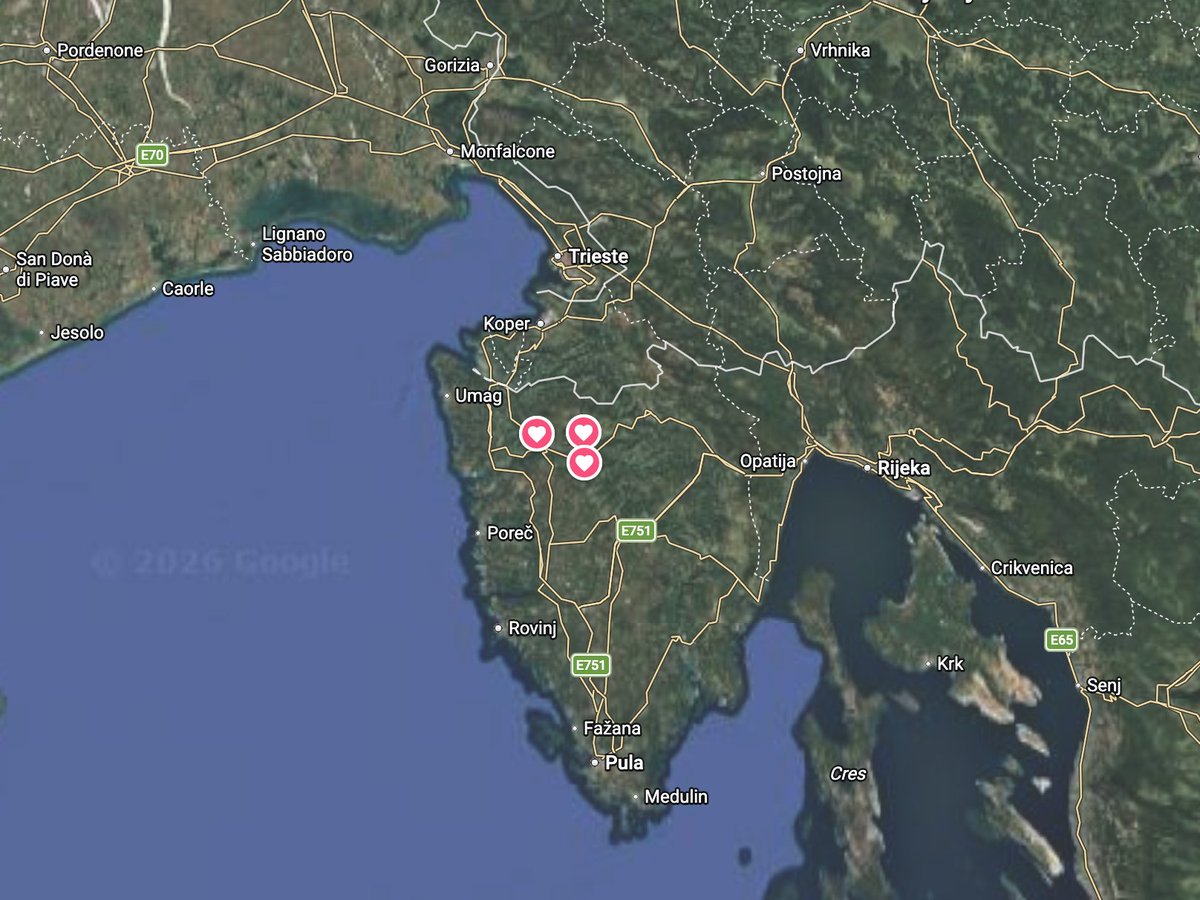
On the map: Motovun, Grožnjan, Oprtalj.
Hilltop medieval towns.
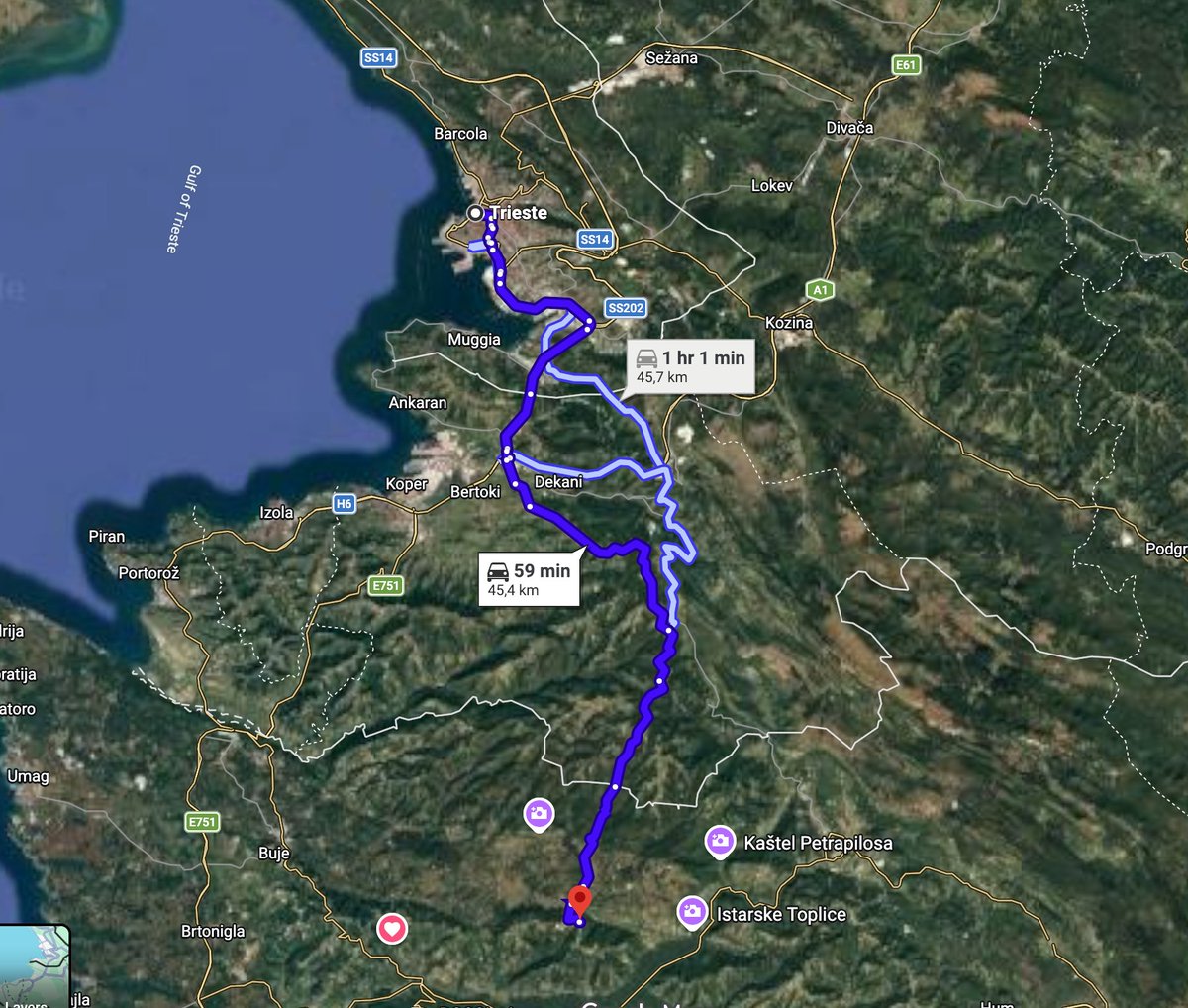
As per this image, 1h from Trieste, Italy. MOre in general 1-2 hours to Slovenia, Italy, Austria by car.
260+ sunny days/year.
Hilltop medieval towns.
As per this image, 1h from Trieste, Italy. MOre in general 1-2 hours to Slovenia, Italy, Austria by car.
260+ sunny days/year.

11
What it costs:
Renovated stone house: €150K-350K
Property: €2,000-3,000/sqm inland (vs €3,800+ coastal)
Rent: €500-900/month for a rural house
Cost of living: €1,200-1,800/month (couple)
Coworking: €100-200/month in nearby Pula or Rovinj
The tax setup:
Digital Nomad Visa: 0% tax on foreign-source income while on the visa. Up to 18 months. Min income: €3,295/month
Corporate tax: 10% for companies under €1M revenue (18% above)
Standard income tax: 20-33% progressive (for residents)
There's something about Croatia and Istria in particular. I wouldn't be surprised if in 3-4 years everyone is talking about it.
Renovated stone house: €150K-350K
Property: €2,000-3,000/sqm inland (vs €3,800+ coastal)
Rent: €500-900/month for a rural house
Cost of living: €1,200-1,800/month (couple)
Coworking: €100-200/month in nearby Pula or Rovinj
The tax setup:
Digital Nomad Visa: 0% tax on foreign-source income while on the visa. Up to 18 months. Min income: €3,295/month
Corporate tax: 10% for companies under €1M revenue (18% above)
Standard income tax: 20-33% progressive (for residents)
There's something about Croatia and Istria in particular. I wouldn't be surprised if in 3-4 years everyone is talking about it.


12
4. RURAL TUSCANY, ITALY
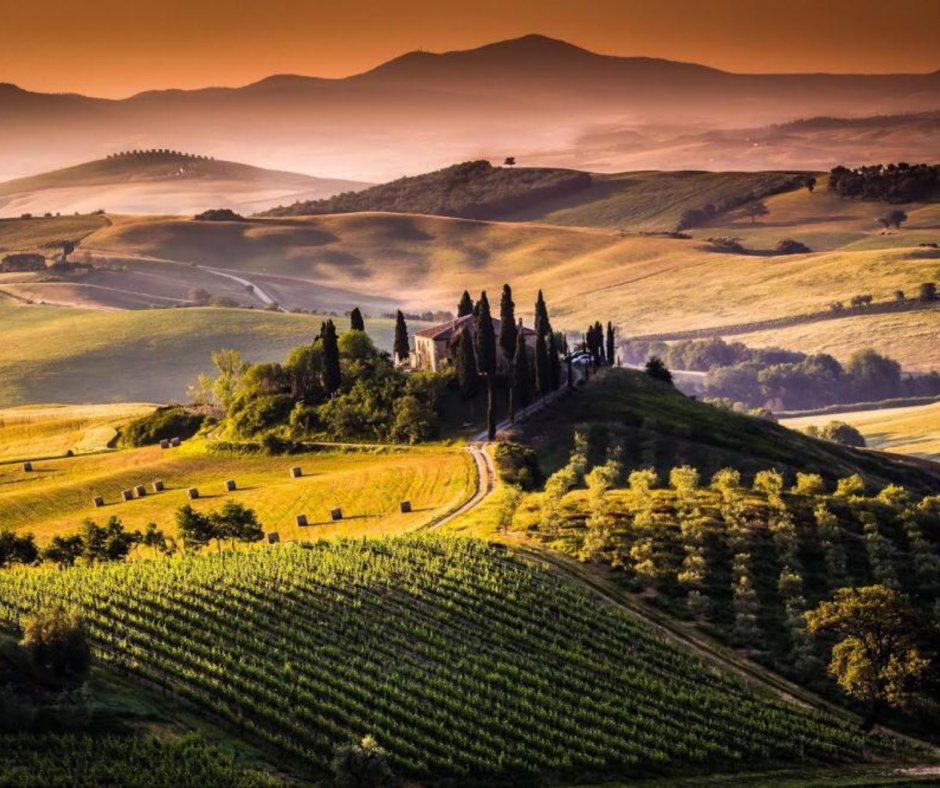
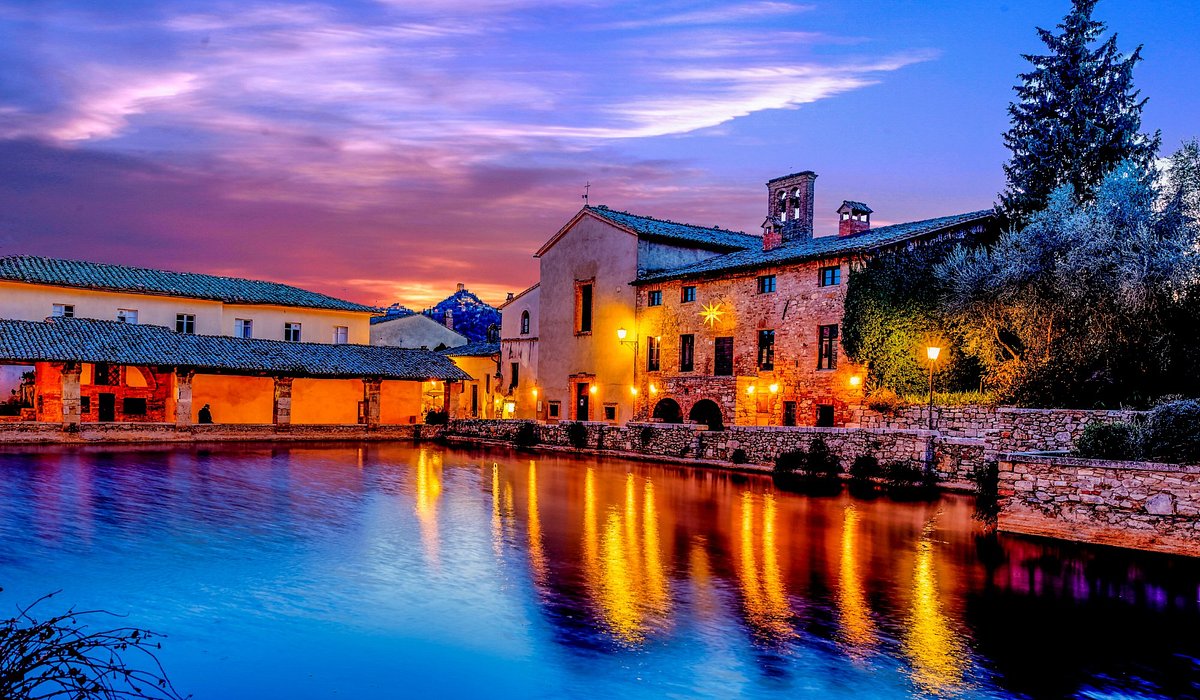
This is my #1 pick. I'm biased, but I love everything about Tuscany. The dialect, the people, the fiorentina steak. I have so many good memories there. I'm actively researching rural Tuscan towns for myself.
Skip Florence. Skip Siena center. Go to the valleys between. Wine, olive oil, artisan food. Daily life, not a holiday.
Best for: People who want legacy + beauty + food culture. Long-term buyers. Anyone willing to learn Italian and invest in restoration.
Drawback: Restoration costs can double purchase price. Italian bureaucracy legendary. Language barrier in rural areas. Cold winters in northern Tuscany.
This is my #1 pick. I'm biased, but I love everything about Tuscany. The dialect, the people, the fiorentina steak. I have so many good memories there. I'm actively researching rural Tuscan towns for myself.
Skip Florence. Skip Siena center. Go to the valleys between. Wine, olive oil, artisan food. Daily life, not a holiday.
Best for: People who want legacy + beauty + food culture. Long-term buyers. Anyone willing to learn Italian and invest in restoration.
Drawback: Restoration costs can double purchase price. Italian bureaucracy legendary. Language barrier in rural areas. Cold winters in northern Tuscany.


13
On the map: Val d'Orcia, Garfagnana, Lunigiana, Maremma. 260+ sunny days/year.


14
What it costs:
Farmhouse to restore: €80K-200K | Renovated: €250K-500K
Property: €1,200-2,500/sqm rural (vs €4,000+ in Florence)
Rent: €600-1,000/month for a countryside casa
Cost of living: €1,500-2,200/month (single)
Healthcare: Italy's SSN, ranked #2 globally by WHO historically
The tax setup (short version):
Impatriati regime: 50% income tax exemption for 5 years (60% with minor children). Cap €600K/year. Must not have been resident 3 prior years
Non-dom flat tax: €300K/year lump sum on all foreign income (2026 new applicants; €100K if pre-2024). Up to 15 years
I'm heavily biased: this is the region of the world I like the most. I have so many memories here. I'll probably write a thread just on Tuscany. Reader is warned.
Farmhouse to restore: €80K-200K | Renovated: €250K-500K
Property: €1,200-2,500/sqm rural (vs €4,000+ in Florence)
Rent: €600-1,000/month for a countryside casa
Cost of living: €1,500-2,200/month (single)
Healthcare: Italy's SSN, ranked #2 globally by WHO historically
The tax setup (short version):
Impatriati regime: 50% income tax exemption for 5 years (60% with minor children). Cap €600K/year. Must not have been resident 3 prior years
Non-dom flat tax: €300K/year lump sum on all foreign income (2026 new applicants; €100K if pre-2024). Up to 15 years
I'm heavily biased: this is the region of the world I like the most. I have so many memories here. I'll probably write a thread just on Tuscany. Reader is warned.


15
By the way, I write about this every week on Substack.
Deep dives on relocation, tax, and building a life abroad.
Subscribe and you'll also receive The Ultimate Guide to Citizenship & Residency Programs in 2026: palombo.substack.com
Now, 6 more places to go.
Deep dives on relocation, tax, and building a life abroad.
Subscribe and you'll also receive The Ultimate Guide to Citizenship & Residency Programs in 2026: palombo.substack.com
Now, 6 more places to go.

16
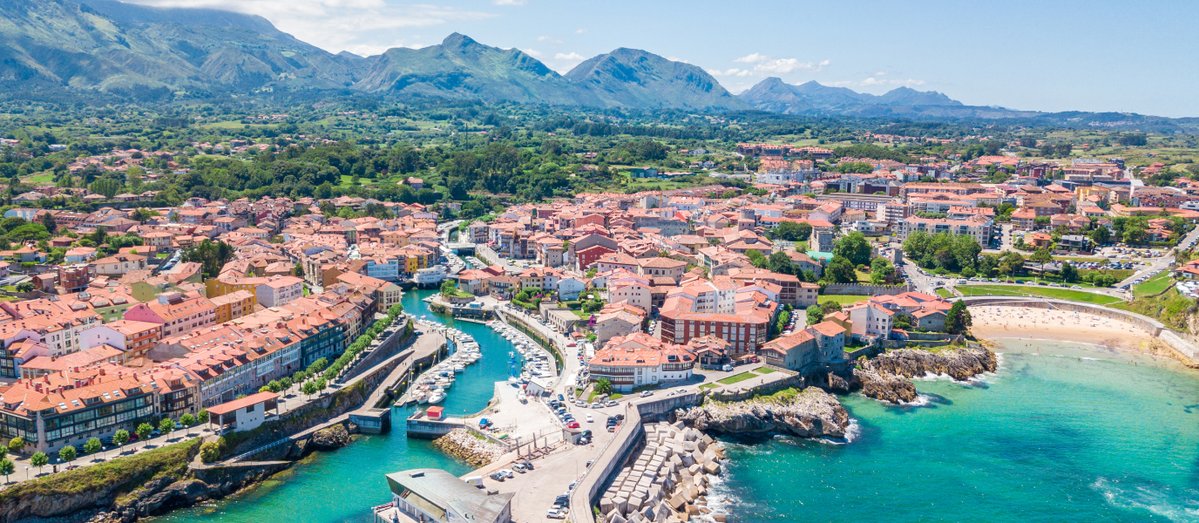
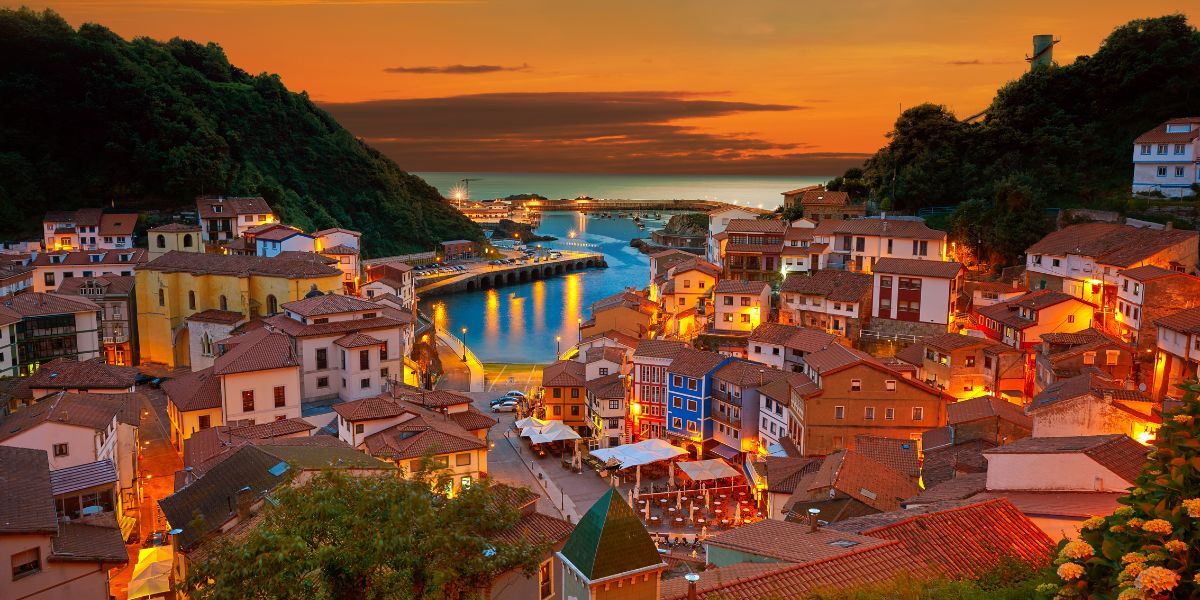
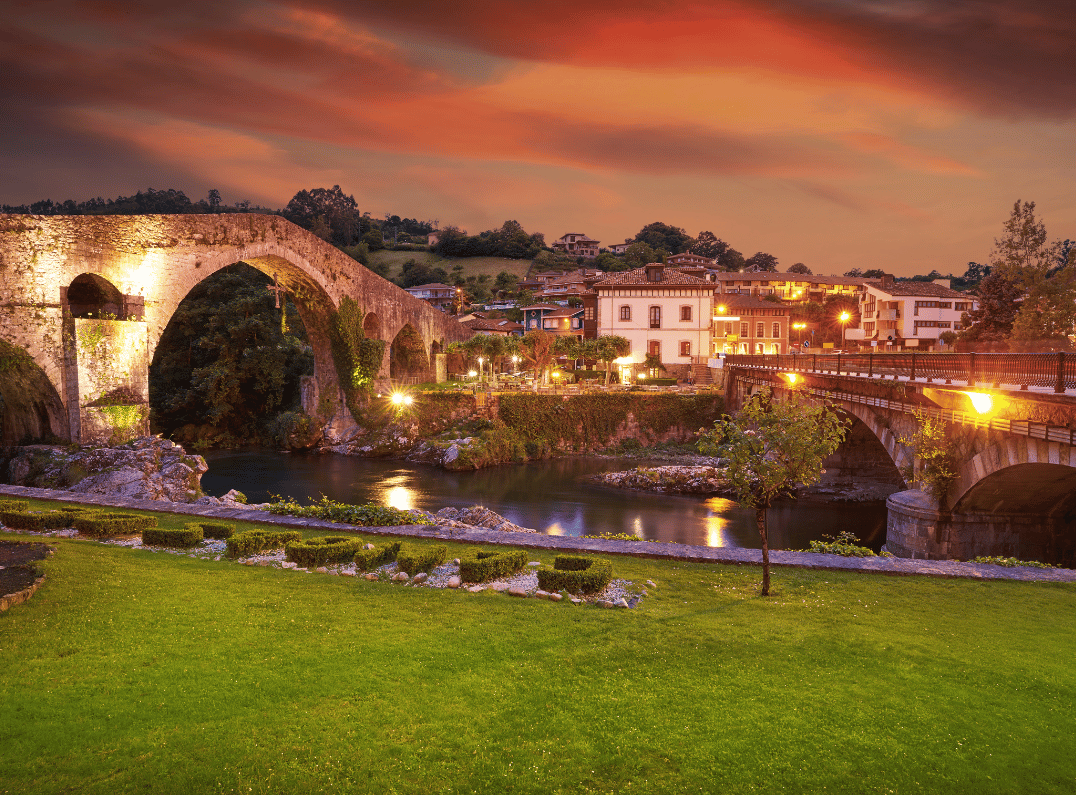
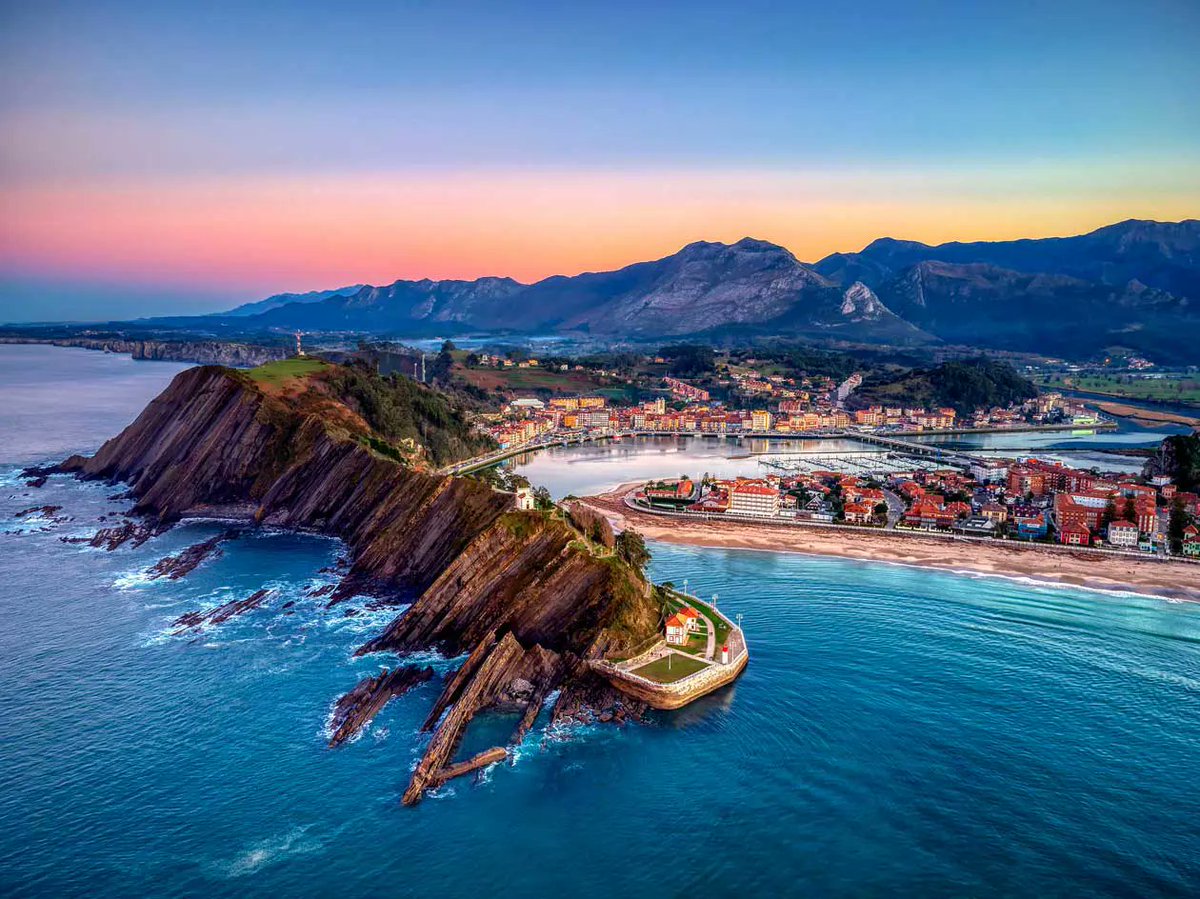
5/ ASTURIAS, NORTHERN SPAIN
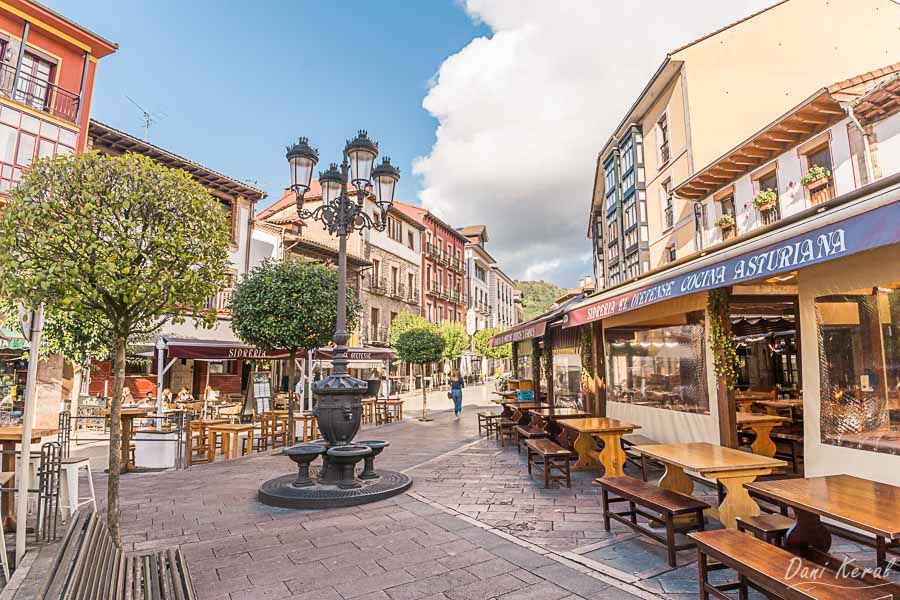
A rural house for €50K. Groceries for €35/week. And you're looking at the Atlantic from the Picos de Europa.
Forget the Mediterranean cliché. Asturias is lush, mountainous, coastal, and absurdly cheap. Think Ireland's landscape with Spain's food culture.
Best for: Outdoor people. Anyone who hates heat. Budget buyers who want Western European quality.
Drawback: Rainy climate (120-150 rain days/year). Less international community. Limited English. Slower pace may bore some.
A rural house for €50K. Groceries for €35/week. And you're looking at the Atlantic from the Picos de Europa.
Forget the Mediterranean cliché. Asturias is lush, mountainous, coastal, and absurdly cheap. Think Ireland's landscape with Spain's food culture.
Best for: Outdoor people. Anyone who hates heat. Budget buyers who want Western European quality.
Drawback: Rainy climate (120-150 rain days/year). Less international community. Limited English. Slower pace may bore some.
17
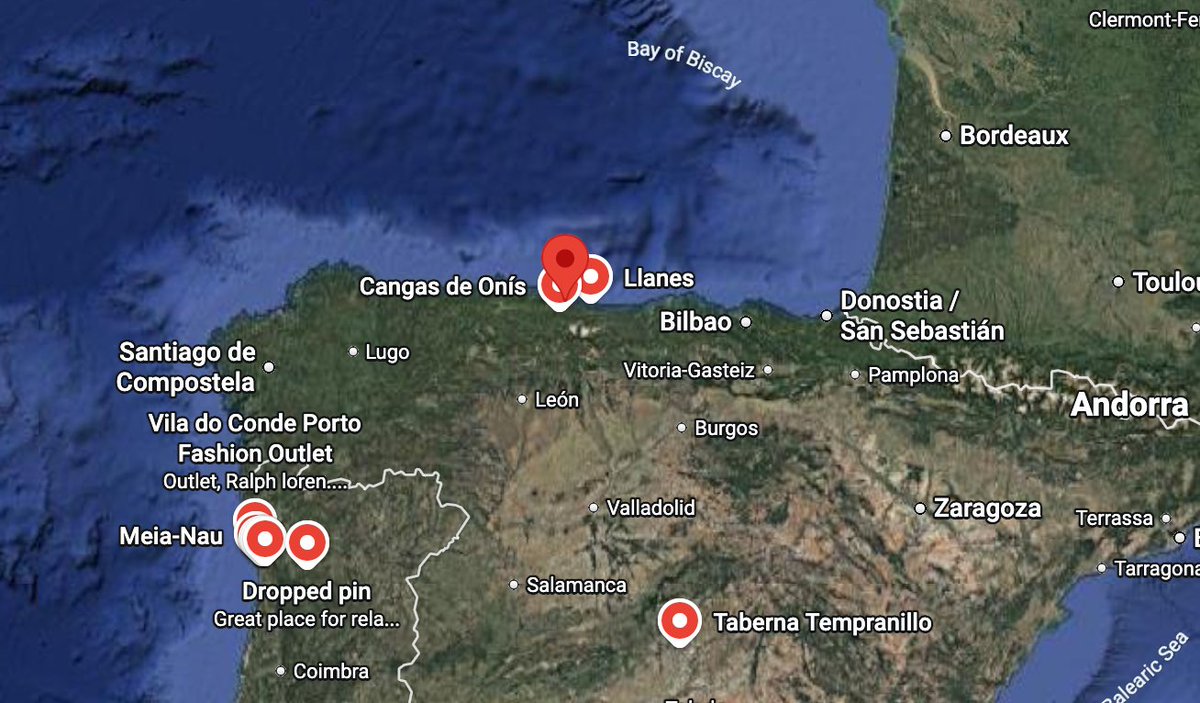
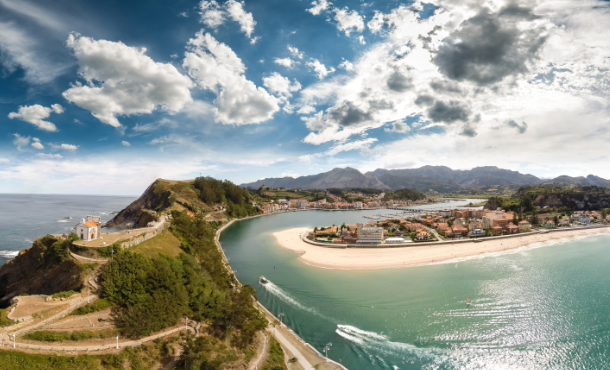
On the map: Cangas de Onís, Llanes, Ribadesella.
Mountains meet the Atlantic. Mild summers (22-25°C), wet winters. Sidra (cider) culture, Picos de Europa national park at your door.
2-hour flight to Madrid/Barcelona/London.
Mountains meet the Atlantic. Mild summers (22-25°C), wet winters. Sidra (cider) culture, Picos de Europa national park at your door.
2-hour flight to Madrid/Barcelona/London.
18
What it costs:
Small rural house: €50K-150K
Property: €800-1,500/sqm rural
Rent: €350-600/month for a village house
Cost of living: €900-1,400/month (single)
The tax setup:
Spain Beckham Law: 24% flat tax on Spanish income up to €600K (first 6 years; 47% above). Consult a local advisor: enforcement occasionally aggressive.
Spain Digital Nomad Visa: ~€2,850/month minimum (2026)
Small rural house: €50K-150K
Property: €800-1,500/sqm rural
Rent: €350-600/month for a village house
Cost of living: €900-1,400/month (single)
The tax setup:
Spain Beckham Law: 24% flat tax on Spanish income up to €600K (first 6 years; 47% above). Consult a local advisor: enforcement occasionally aggressive.
Spain Digital Nomad Visa: ~€2,850/month minimum (2026)

19
6/ DORDOGNE, FRANCE
Dordogne is one of my favorite places in France. The food alone justifies the trip. But as a base? The combination of stone villages, weekly markets with foie gras, truffles, and wine at local prices, that pace of life is hard to beat anywhere in Europe.
Strong existing expat infrastructure (British, Dutch for decades). France's healthcare system ranked World #1.
Best for: Families (healthcare + schools). Francophiles. People who want proven expat infrastructure with deep cultural roots.
Drawback: French tax rates aggressive (progressive up to 45%). Language essential. Hospital 30-60min away. Car mandatory.
Dordogne is one of my favorite places in France. The food alone justifies the trip. But as a base? The combination of stone villages, weekly markets with foie gras, truffles, and wine at local prices, that pace of life is hard to beat anywhere in Europe.
Strong existing expat infrastructure (British, Dutch for decades). France's healthcare system ranked World #1.
Best for: Families (healthcare + schools). Francophiles. People who want proven expat infrastructure with deep cultural roots.
Drawback: French tax rates aggressive (progressive up to 45%). Language essential. Hospital 30-60min away. Car mandatory.


20
On the map: Sarlat-la-Canéda, Bergerac, Périgueux. TGV connections to Paris, Bordeaux.
250+ sunny days/year.
250+ sunny days/year.


21
What it costs:
Stone farmhouse: €150K-350K
Property: €1,200-2,200/sqm rural
Rent: €600-900/month for a village house
Cost of living: €1,300-1,800/month (single)
Starlink from €29/month (France has Europe's cheapest plans)
The tax setup:
French income tax: progressive up to 45%
Rural residency permits: New 2025 program for remote workers
Personal take: If food is your priority, this is the place. The trade-off is French taxes, but for some people that's worth the overall lifestyle.
Stone farmhouse: €150K-350K
Property: €1,200-2,200/sqm rural
Rent: €600-900/month for a village house
Cost of living: €1,300-1,800/month (single)
Starlink from €29/month (France has Europe's cheapest plans)
The tax setup:
French income tax: progressive up to 45%
Rural residency permits: New 2025 program for remote workers
Personal take: If food is your priority, this is the place. The trade-off is French taxes, but for some people that's worth the overall lifestyle.


22
7/ EXTREMADURA, SPAIN
Coffee: €1.20. Three-course lunch with wine: €10. A village house: €30K. Not a typo on any of those.
Extremadura is Spain's least-known secret. Two provinces, Cáceres and Badajoz, with UNESCO World Heritage towns, national parks, and the lowest cost of living in Western Europe. Cáceres old town has stunning medieval architecture. Monfragüe national park: vultures, eagles, dehesa landscape.
Best for: FIRE community. Anyone optimizing for lowest possible burn rate in Western Europe. Retirees.
Drawback: Very limited international community. Spanish essential. Less developed infrastructure. Young people leaving. Hot summers (40°C+).
Coffee: €1.20. Three-course lunch with wine: €10. A village house: €30K. Not a typo on any of those.
Extremadura is Spain's least-known secret. Two provinces, Cáceres and Badajoz, with UNESCO World Heritage towns, national parks, and the lowest cost of living in Western Europe. Cáceres old town has stunning medieval architecture. Monfragüe national park: vultures, eagles, dehesa landscape.
Best for: FIRE community. Anyone optimizing for lowest possible burn rate in Western Europe. Retirees.
Drawback: Very limited international community. Spanish essential. Less developed infrastructure. Young people leaving. Hot summers (40°C+).


23
On the map: Cáceres, Badajoz.
2.5 hours to Madrid, 2 hours to Lisbon.
300 sunny days/year.
2.5 hours to Madrid, 2 hours to Lisbon.
300 sunny days/year.


24
What it costs:
Village house: €30K-100K
Property: €500-1,000/sqm rural
Rent: €300-500/month for a 2BR house
Cost of living: €800-1,200/month (single)
The tax setup:
Spain Beckham Law: 24% flat tax on Spanish income up to €600K (first 6 years; 47% above). Double check with local advisor: enforcement of this regime occasionally aggressive.
Spain Digital Nomad Visa: ~€2,850/month minimum (2026)
Possibly, Extremadura is the sleeper on this list. Not glamorous, not trendy. Just the lowest cost of living in Western Europe with UNESCO towns and nobody competing for them yet...
Village house: €30K-100K
Property: €500-1,000/sqm rural
Rent: €300-500/month for a 2BR house
Cost of living: €800-1,200/month (single)
The tax setup:
Spain Beckham Law: 24% flat tax on Spanish income up to €600K (first 6 years; 47% above). Double check with local advisor: enforcement of this regime occasionally aggressive.
Spain Digital Nomad Visa: ~€2,850/month minimum (2026)
Possibly, Extremadura is the sleeper on this list. Not glamorous, not trendy. Just the lowest cost of living in Western Europe with UNESCO towns and nobody competing for them yet...


25
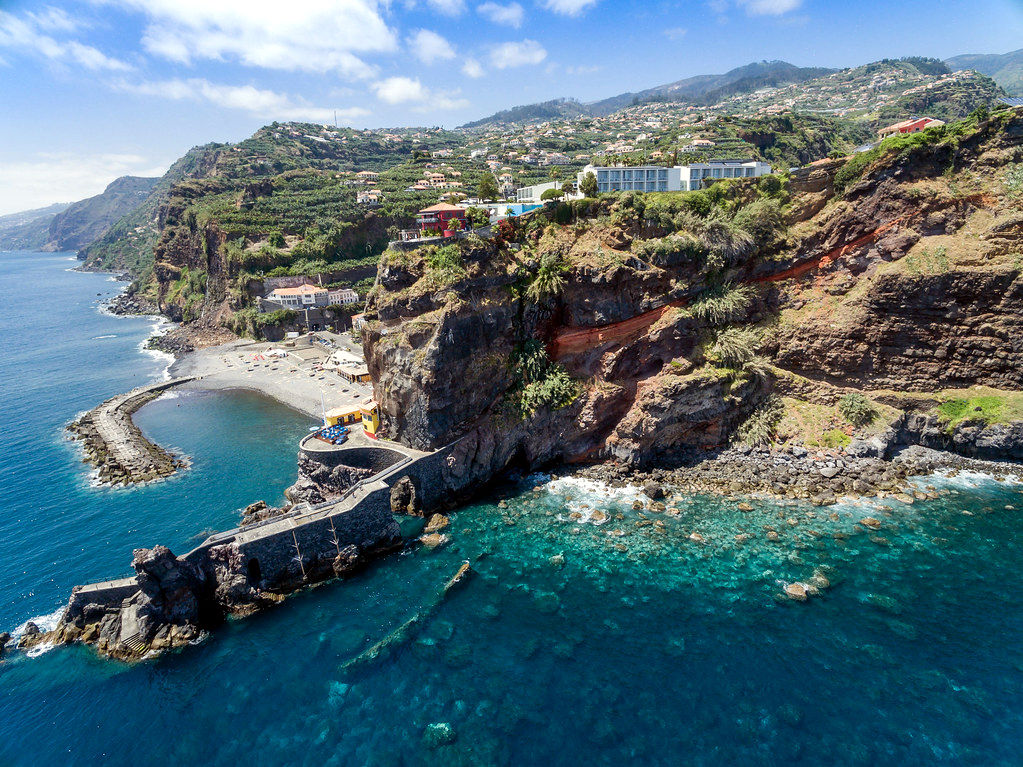
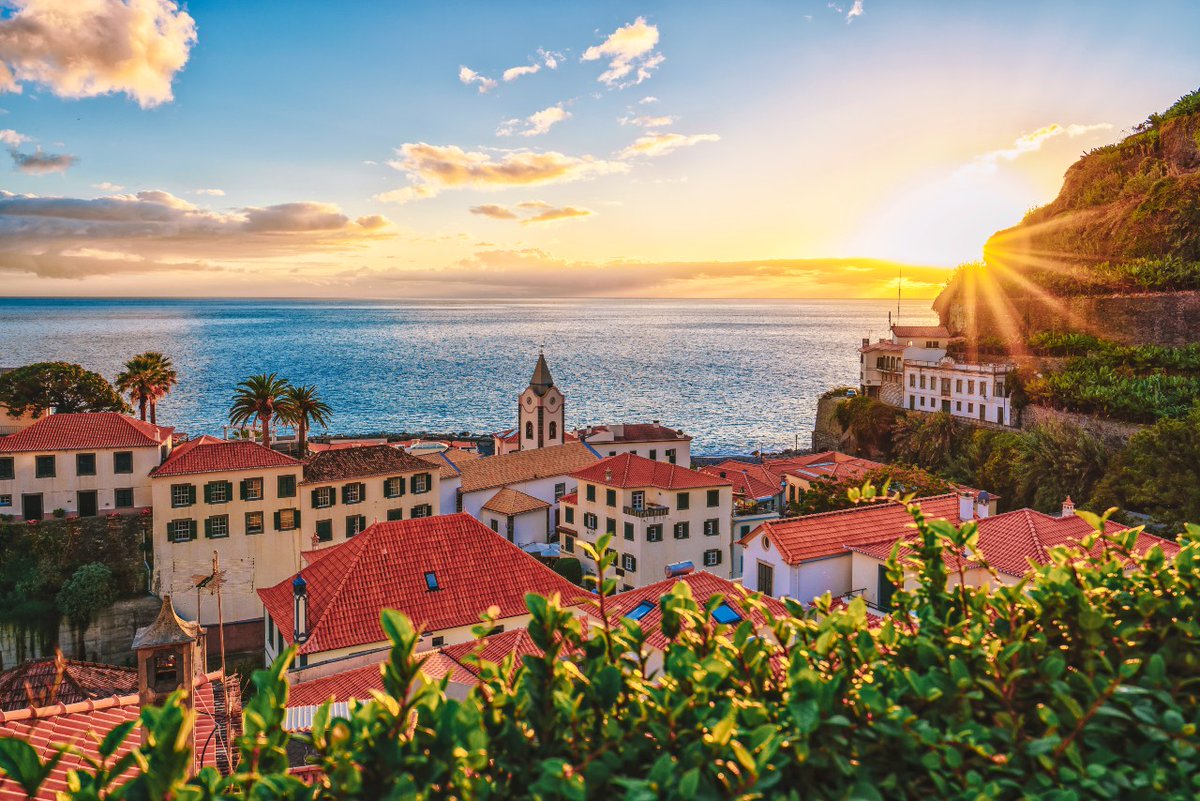
8/ PONTA DO SOL, MADEIRA (PORTUGAL)
The premium pick on this list, and the only one with a built-in community waiting for you. Madeira pioneered the digital nomad village concept.
Ponta do Sol launched in 2021, welcomed 5,000 nomads year one, 11,000 applicants by year two. Coworking village with events, networking, workshops. Levada hiking trails from your doorstep. Fresh fruit grows on your street (bananas, passion fruit, avocados).
Best for: Digital nomads who want instant community. Solo remote workers. Anyone who needs year-round mild weather.
Drawback: Island isolation. Rising prices from nomad demand. Small island = limited variety. Humidity.
Not for me personally, I'd pick the Algarve. But I have many friends who absolutely love Madeira, and I get it. It's a great catch for the right person.
The premium pick on this list, and the only one with a built-in community waiting for you. Madeira pioneered the digital nomad village concept.
Ponta do Sol launched in 2021, welcomed 5,000 nomads year one, 11,000 applicants by year two. Coworking village with events, networking, workshops. Levada hiking trails from your doorstep. Fresh fruit grows on your street (bananas, passion fruit, avocados).
Best for: Digital nomads who want instant community. Solo remote workers. Anyone who needs year-round mild weather.
Drawback: Island isolation. Rising prices from nomad demand. Small island = limited variety. Humidity.
Not for me personally, I'd pick the Algarve. But I have many friends who absolutely love Madeira, and I get it. It's a great catch for the right person.
26
On the map: Ponta do Sol. Subtropical year-round (18-26°C).
Flights: 2-3 hours to Lisbon, London, Frankfurt.
Flights: 2-3 hours to Lisbon, London, Frankfurt.


27
What it costs:
Property: €3,000-4,600/sqm
Rent: €700-1,200/month
Cost of living: €1,400-2,000/month (single)
The tax setup:
Same Portuguese regime as Algarve (D8 visa, IFICI, 0% inheritance tax)
The specific: Madeira International Business Center (MIBC): 5% corporate tax (vs 21% mainland). New licenses until Dec 2026, benefits until 2033
Property: €3,000-4,600/sqm
Rent: €700-1,200/month
Cost of living: €1,400-2,000/month (single)
The tax setup:
Same Portuguese regime as Algarve (D8 visa, IFICI, 0% inheritance tax)
The specific: Madeira International Business Center (MIBC): 5% corporate tax (vs 21% mainland). New licenses until Dec 2026, benefits until 2033


28
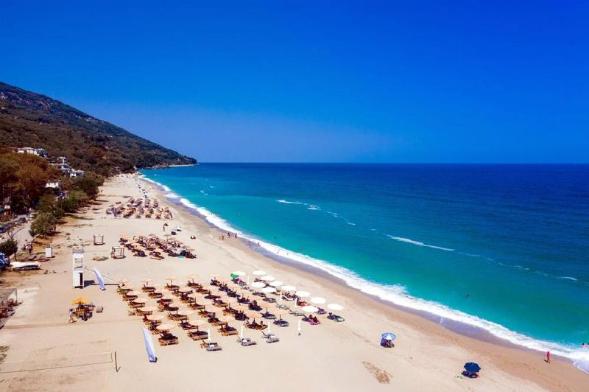
9/ PELION PENINSULA, GREECE
Stone house with sea view: €60K. Monthly rent in a mountain village: €300. Tourists: almost zero.
Pelion is where Greek mythology placed the centaurs. Half the peninsula is thick forest, half is hidden beaches. Absurdly beautiful.
Best for: Nature lovers. Introverts. People who want the most beautiful, least-known corner of Greece.
Drawback: Very limited English. Mountain roads in winter. Fewer expats = more integration needed.
No matter where you are in life, there's always time to retire to Pelion and do some philosophy... :)
Stone house with sea view: €60K. Monthly rent in a mountain village: €300. Tourists: almost zero.
Pelion is where Greek mythology placed the centaurs. Half the peninsula is thick forest, half is hidden beaches. Absurdly beautiful.
Best for: Nature lovers. Introverts. People who want the most beautiful, least-known corner of Greece.
Drawback: Very limited English. Mountain roads in winter. Fewer expats = more integration needed.
No matter where you are in life, there's always time to retire to Pelion and do some philosophy... :)


29
On the map: Makrinitsa, Tsagarada, Vizitsa. Volos city (100K pop) 30 min away for all services. Mild microclimate (green year-round, rare in Greece).
Ski in winter, beach in summer. Ferries to Skiathos, Skopelos.
Ski in winter, beach in summer. Ferries to Skiathos, Skopelos.


30
What it costs:
Traditional stone house: €60K-180K
Property: €800-1,500/sqm
Rent: €300-500/month rural villages
Cost of living: €900-1,300/month (single)
The tax setup:
50% income tax exemption for new residents, 7 years
Non-dom flat tax: €100K/year lump sum on foreign income (requires €500K investment in Greek assets). Up to 15 years
Golden Visa: €400K min investment (less populated areas; €800K Athens/islands)
Crypto capital gains: flat 15%
Traditional stone house: €60K-180K
Property: €800-1,500/sqm
Rent: €300-500/month rural villages
Cost of living: €900-1,300/month (single)
The tax setup:
50% income tax exemption for new residents, 7 years
Non-dom flat tax: €100K/year lump sum on foreign income (requires €500K investment in Greek assets). Up to 15 years
Golden Visa: €400K min investment (less populated areas; €800K Athens/islands)
Crypto capital gains: flat 15%


31
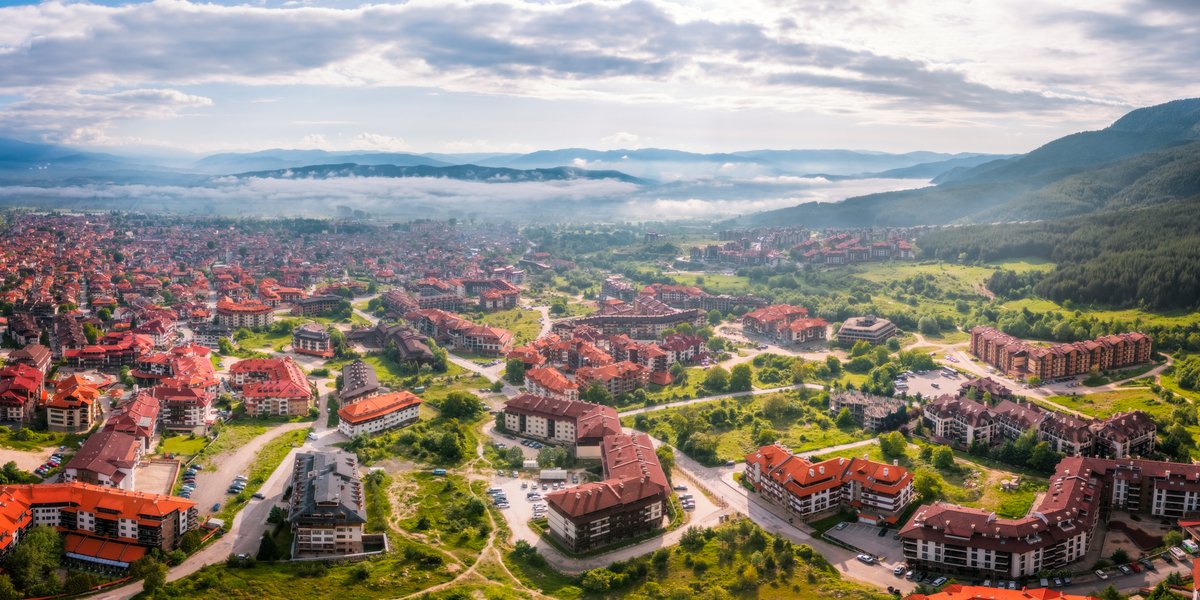
10/ BANSKO REGION, BULGARIA
10% flat tax. 10% corporate tax. Coworking for €100/month. An apartment for €50K. This is the cheapest EU base with a real community.
Bansko built Europe's largest nomad community organically. 300+ remote workers in any given month. 231% growth in 5 years.
Best for: Bootstrapped founders. Anyone who needs the cheapest EU base with community. Ski/outdoor enthusiasts.
Drawback: Infrastructure still developing. Healthcare below Western European standards. Limited flights. Language barrier.
I'm not a winter person or a skier, so Bansko isn't for me. But I have friends for whom this would be the best pick overall. The Bulgarian tax regime is incredibly good, we're living in the Eastern Europe decade, and bonus: Bulgarian people are amazing.
10% flat tax. 10% corporate tax. Coworking for €100/month. An apartment for €50K. This is the cheapest EU base with a real community.
Bansko built Europe's largest nomad community organically. 300+ remote workers in any given month. 231% growth in 5 years.
Best for: Bootstrapped founders. Anyone who needs the cheapest EU base with community. Ski/outdoor enthusiasts.
Drawback: Infrastructure still developing. Healthcare below Western European standards. Limited flights. Language barrier.
I'm not a winter person or a skier, so Bansko isn't for me. But I have friends for whom this would be the best pick overall. The Bulgarian tax regime is incredibly good, we're living in the Eastern Europe decade, and bonus: Bulgarian people are amazing.


32
On the map: Bansko. 2 hours to Sofia, 3 hours to Thessaloniki.


33
What it costs:
House with garden: €80K-180K
Property: €1,100-1,500/sqm
Rent: €250-500/month
Cost of living: €700-1,100/month (single)
Ski pass: €35/day (vs €60-80 in Alps)
The tax setup:
Bulgaria flat tax: 10% on all income (one of EU's lowest)
Corporate tax: 10%
As said... for some people, I’m sure this would be the earthly equivalent of paradise.
House with garden: €80K-180K
Property: €1,100-1,500/sqm
Rent: €250-500/month
Cost of living: €700-1,100/month (single)
Ski pass: €35/day (vs €60-80 in Alps)
The tax setup:
Bulgaria flat tax: 10% on all income (one of EU's lowest)
Corporate tax: 10%
As said... for some people, I’m sure this would be the earthly equivalent of paradise.

34
I get it, that's a lot of information.
Here's the framework to choose:
Want beach + budget? → Interior Algarve or Crete
Want mountain + culture? → Asturias or Pelion
Want food + legacy? → Tuscany or Dordogne
Want cheapest possible? → Extremadura or Bansko
Want nomad community? → Madeira or Bansko
Want EU + low tax? → Bulgaria (10%) or Greece (non-dom flat tax)
Want Tuscany without Tuscany prices? → Istria, Croatia
Here's the framework to choose:
Want beach + budget? → Interior Algarve or Crete
Want mountain + culture? → Asturias or Pelion
Want food + legacy? → Tuscany or Dordogne
Want cheapest possible? → Extremadura or Bansko
Want nomad community? → Madeira or Bansko
Want EU + low tax? → Bulgaria (10%) or Greece (non-dom flat tax)
Want Tuscany without Tuscany prices? → Istria, Croatia



35
To conclude. The city premium was always about internet + access. Starlink killed the internet excuse. Remote work and AI killed the access excuse.
This is going to be a trend. I'm personally on the lookout for a Tuscan property as a plan B, something to improve over the years.
Everyone has their own playbook. The important thing is to start searching.
What's your favorite pick? Anything I've missed?
This is going to be a trend. I'm personally on the lookout for a Tuscan property as a plan B, something to improve over the years.
Everyone has their own playbook. The important thing is to start searching.
What's your favorite pick? Anything I've missed?


36
I write about this every week on Substack.
Deep dives on relocation, tax, and building a life abroad.
Subscribe and you'll also receive The Ultimate Guide to Citizenship & Residency Programs in 2026: palombo.substack.com
Deep dives on relocation, tax, and building a life abroad.
Subscribe and you'll also receive The Ultimate Guide to Citizenship & Residency Programs in 2026: palombo.substack.com

37
Thank you for reading!
For more posts and insights like this, follow @thealepalombo
And repost this to share with your audience:There's something about Croatia and Istria in particular. I wouldn't be surprised if in 3-4 years everyone is talking about it.
For more posts and insights like this, follow @thealepalombo
And repost this to share with your audience:There's something about Croatia and Istria in particular. I wouldn't be surprised if in 3-4 years everyone is talking about it.
View Tweet