@BigBrainPhiloso: This man rewrote how we unders...
@BigBrainPhiloso
10 views
Mar 22, 2026
Advertisement
1
This man rewrote how we understand God, the mind, and freedom.
But after publishing his ideas, you would never believe what the church, the state, and his own family did to him.
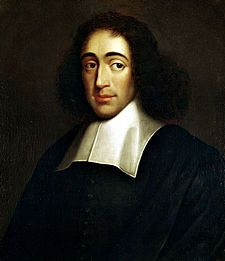
The story of Baruch Spinoza, the philosopher they tried to erase from history:
But after publishing his ideas, you would never believe what the church, the state, and his own family did to him.
The story of Baruch Spinoza, the philosopher they tried to erase from history:

2
July 1656. Amsterdam.
The synagogue issued a decree against a young man named Baruch Spinoza.
"Cursed be he by day and cursed be he by night...
cursed be he when he lies down and when he rises up."
His crime was asking questions no one dared to ask.
The synagogue issued a decree against a young man named Baruch Spinoza.
"Cursed be he by day and cursed be he by night...
cursed be he when he lies down and when he rises up."
His crime was asking questions no one dared to ask.
3
He was 23 years old.
Excommunicated from his family, his community, his inheritance.
All for "abominable heresies."
Most people in his position would collapse.
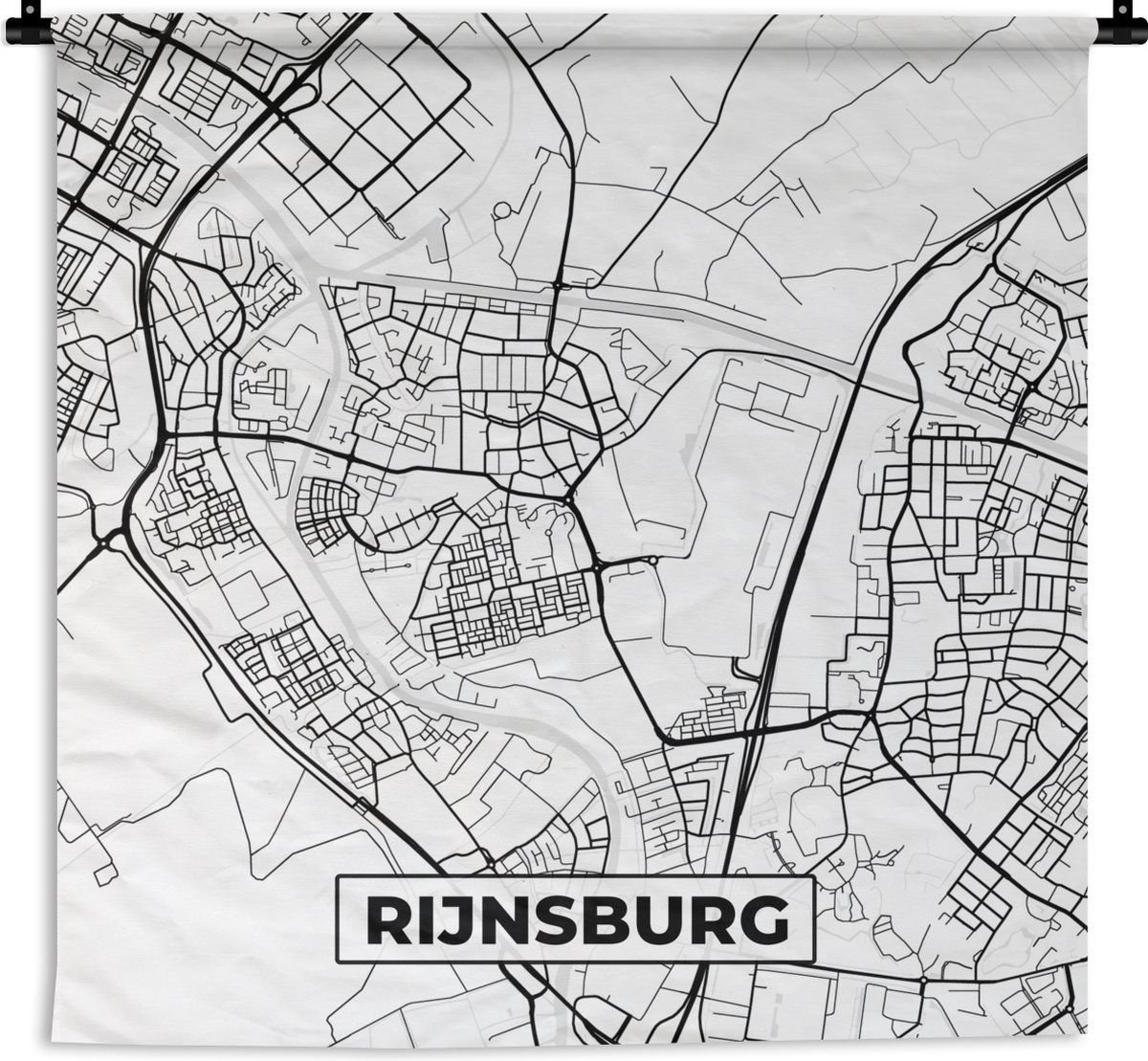
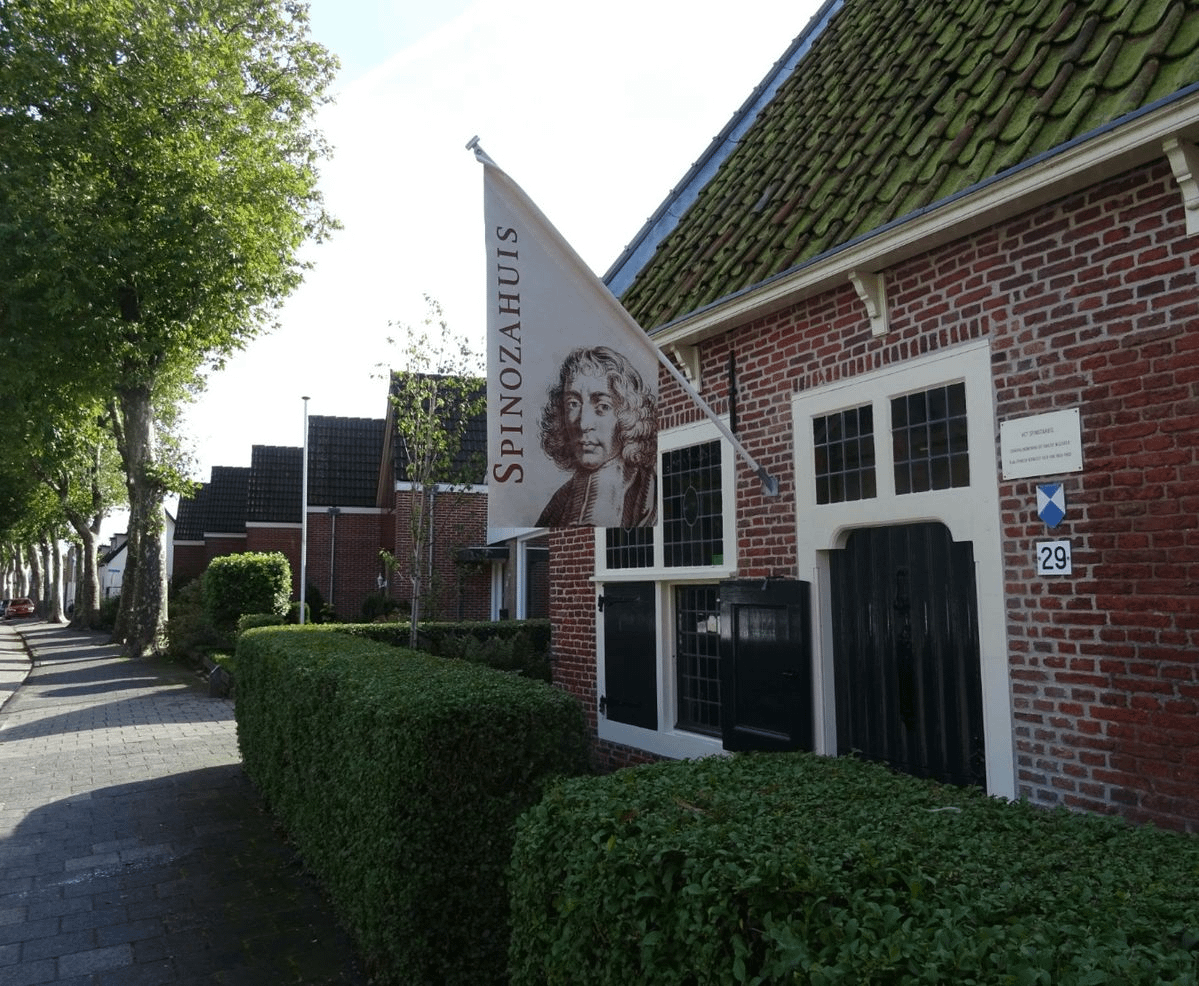
Spinoza moved to a small rented house in Rijnsburg and started writing.
Excommunicated from his family, his community, his inheritance.
All for "abominable heresies."
Most people in his position would collapse.
Spinoza moved to a small rented house in Rijnsburg and started writing.
4
To survive, he ground optical lenses by hand.
€60–100 a month.
The glass dust slowly destroyed his lungs.
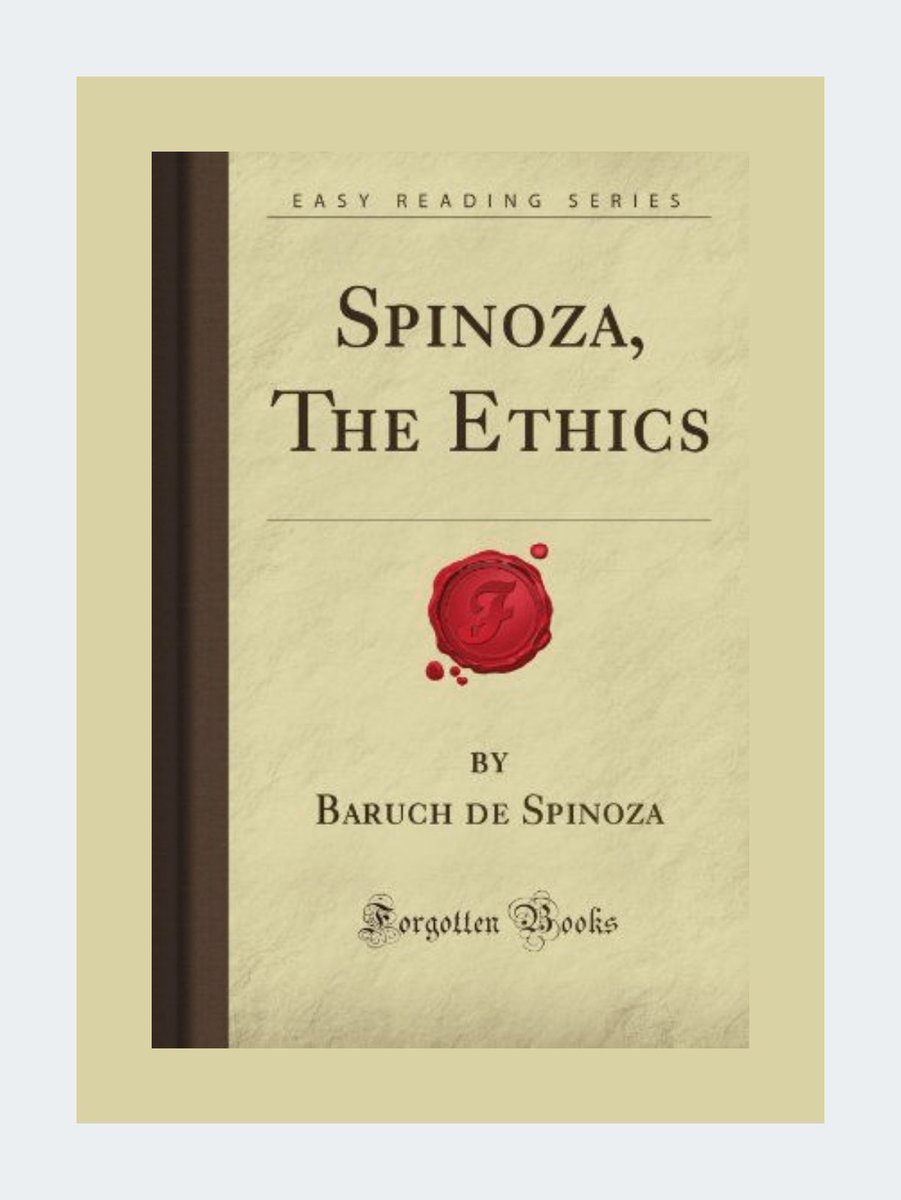
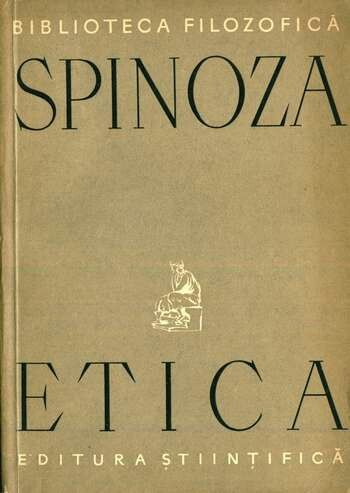
But every spare moment went into his secret masterwork: The Ethics.
A book he knew could get him killed.
€60–100 a month.
The glass dust slowly destroyed his lungs.
But every spare moment went into his secret masterwork: The Ethics.
A book he knew could get him killed.
5
His central idea shattered centuries of religious thought:
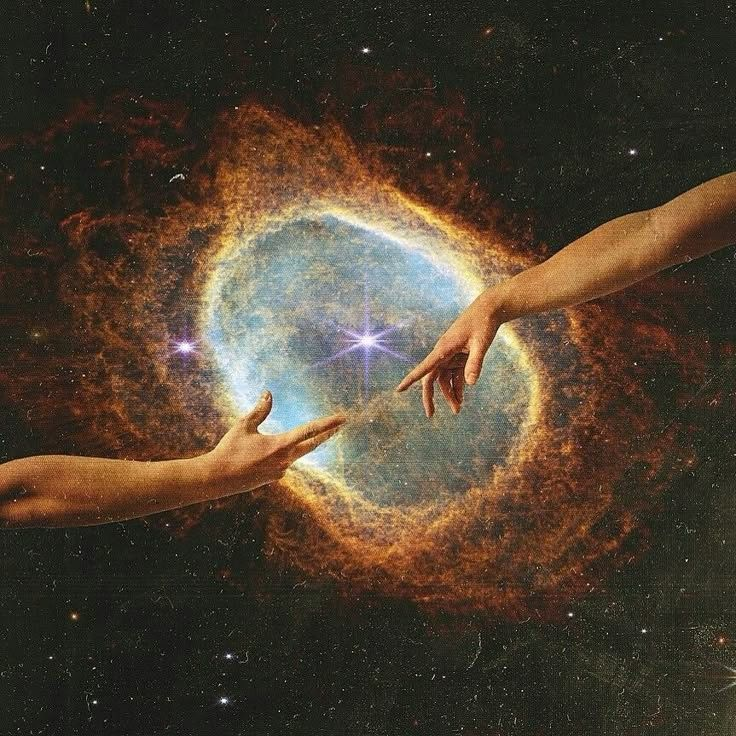
God is not a distant creator watching from above. God IS nature.
Every star, every thought, every human emotion: all expressions of one infinite, eternal substance.
He called it: "Deus sive Natura."
God or Nature.
God is not a distant creator watching from above. God IS nature.
Every star, every thought, every human emotion: all expressions of one infinite, eternal substance.
He called it: "Deus sive Natura."
God or Nature.

6
But this wasn't just theology.
For centuries, philosophers couldn't explain how mind and body interact if they're truly separate.
Spinoza's answer: they're not.
They're two faces of the same reality.
For centuries, philosophers couldn't explain how mind and body interact if they're truly separate.
Spinoza's answer: they're not.
They're two faces of the same reality.
7
But here's where his philosophy becomes truly life-changing.
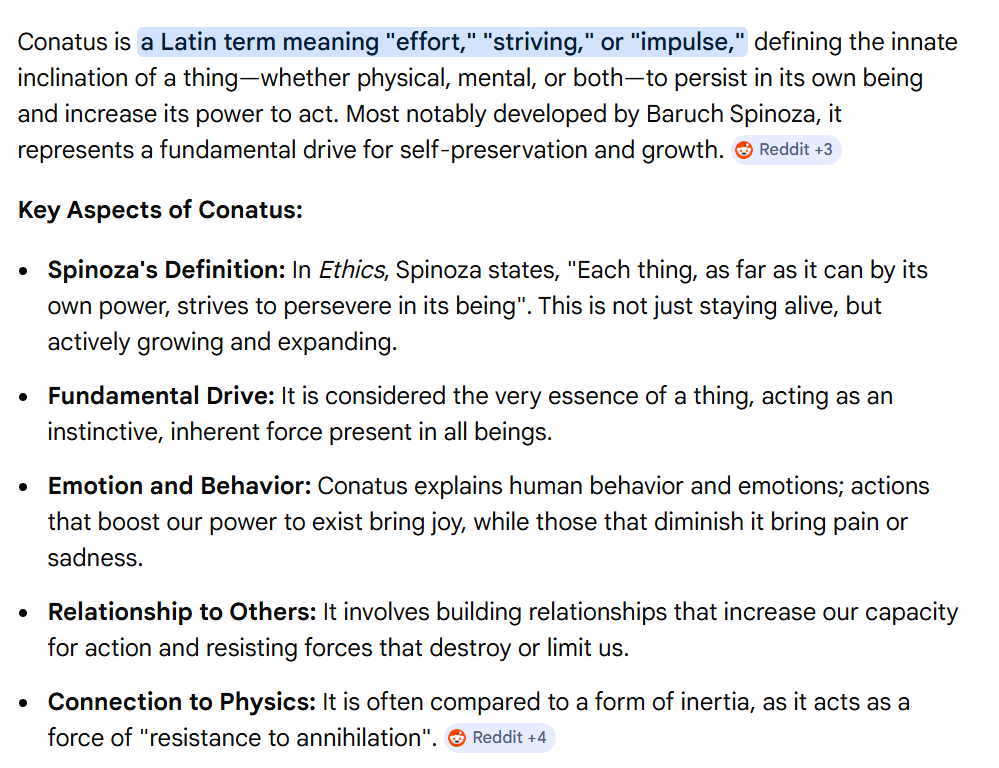
Spinoza believed your core essence, what drives every human being is conatus.
The relentless drive to persist and grow.
You are not broken by nature.
You are, at your core, a force striving to exist.
Spinoza believed your core essence, what drives every human being is conatus.
The relentless drive to persist and grow.
You are not broken by nature.
You are, at your core, a force striving to exist.
8
And from conatus, he built a practical philosophy of joy:
• Joy increases your power. It moves you toward thriving.
• Sadness diminishes it. It moves you toward collapse.
This wasn't sentiment.
It was a map for living.
Ask yourself: does this expand me or deplete me?
• Joy increases your power. It moves you toward thriving.
• Sadness diminishes it. It moves you toward collapse.
This wasn't sentiment.
It was a map for living.
Ask yourself: does this expand me or deplete me?
9
His most counterintuitive insight:
True freedom is not doing whatever you want.
Freedom is understanding why things are the way they are.
"Ignorance breeds superstition. Reason liberates."
The more you understand necessity, the more power you actually have.
True freedom is not doing whatever you want.
Freedom is understanding why things are the way they are.
"Ignorance breeds superstition. Reason liberates."
The more you understand necessity, the more power you actually have.

10
In 1673, King Louis XIV of France offered him a prestigious professorship.
A pension. Security. Royal protection.
Spinoza turned it down.
He chose a cold room and a grinding wheel over comfort with compromise.
"Blessedness is not the reward of virtue, but virtue itself."
A pension. Security. Royal protection.
Spinoza turned it down.
He chose a cold room and a grinding wheel over comfort with compromise.
"Blessedness is not the reward of virtue, but virtue itself."
11
Spinoza died at 44. Tuberculosis.
Decades of grinding glass had finally caught up with him.
He left behind €18.18 and a stack of books.
Within months, his Opera Posthuma was banned as "forged in hell."
Decades of grinding glass had finally caught up with him.
He left behind €18.18 and a stack of books.
Within months, his Opera Posthuma was banned as "forged in hell."

12
Two centuries later, Albert Einstein was asked if he believed in God.
He didn't hesitate.
"I believe in Spinoza's God, who reveals himself in the orderly harmony of what exists."
The cursed 23-year-old had outlasted every empire that tried to silence him.
He didn't hesitate.
"I believe in Spinoza's God, who reveals himself in the orderly harmony of what exists."
The cursed 23-year-old had outlasted every empire that tried to silence him.
13
The lessons of Spinoza's life:
• Your drive to persist is your greatest strength
• Joy expands you. Sadness depletes you. Choose accordingly.
• True freedom is understanding, not escape
• Your drive to persist is your greatest strength
• Joy expands you. Sadness depletes you. Choose accordingly.
• True freedom is understanding, not escape
14
Thanks for reading!
Enjoyed this thread?
Follow @BigBrainPhiloso for more content like this.
Enjoyed this thread?
Follow @BigBrainPhiloso for more content like this.