@felixprehn: Your stocks, your bonds, your ...
@felixprehn
34 views
Mar 21, 2026
Advertisement
1
Your stocks, your bonds, your house, your retirement. All of it sits on top of one agreement that almost nobody talks about.

2

3
A backroom deal made over fifty years ago that forces nearly every country on Earth to use US dollars whether they want to or not. A deal that keeps inflation lower than it should be, lets the US government borrow trillions at rates no other nation could dream of, and gives America the power to cripple entire economies with a single phone call.
4
It's called the petrodollar system.
5
And if you're sitting on a portfolio right now, whether that's a hundred thousand or two million, and you don't understand how this system works, you are building your financial future on a foundation you've never inspected.
6
That's dangerous. Especially right now.
7
Let's get into it.
8
---
10
---
11
## Follow The Energy. Always.
12
One of my old mentors on Wall Street, an energy guy named Nick, drilled one line into my head early on.
13
"Follow the energy. Always."
14
Because oil isn't just gasoline. Oil is everything.
15
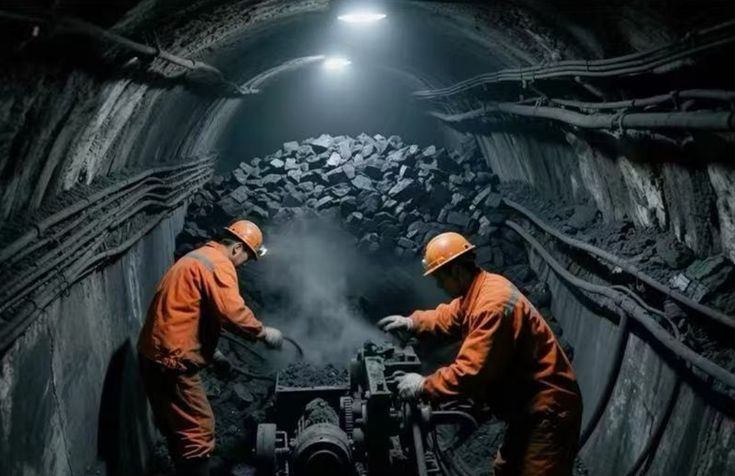
The plastic in your phone. The fertilizer growing your food. The cargo ship bringing cheap furniture and garments from overseas. The jet fuel flying executives to meetings. Every single day, the world burns through roughly 93 million barrels of oil. If you've never stopped to think about how utterly dependent modern civilization is on this one material, now would be the time.
16
17
This is where it gets important for anyone with money in the market.
18

19
Let's say you are Saudi Arabia. You've got oil coming out of your ears. More than you could ever use. So what do you need? You need everything else. Technology, cars, weapons, consumer goods. Now let's say you are Japan. Highly advanced economy, makes incredible stuff, but you've got zero oil. None. Zilch. Nothing.
20
So you've got a natural trade. Japan needs oil. Saudi Arabia needs what Japan makes. Very simple.
21
The catch — and this is what separates people who actually understand global markets from people who just react to headlines — is the currency question.
22
What currency do you use?
23
Think about it. Saudi Arabia doesn't want Japanese yen. Not really. They want something they can spend anywhere. Something stable. Something powerful. And Japan isn't going to accept Saudi riyals for the same reason. They want flexibility. They want purchasing power.
24
So for over fifty years, the answer has been one thing.
25
The US dollar.
26

27
Because of a very specific deal made between the United States and the Kingdom of Saudi Arabia. The dollar hasn't been backed by gold since 1971, thanks to Nixon. It's backed by something far more powerful than gold. And that's what this whole article is about.
28
A deal that changed everything.
29
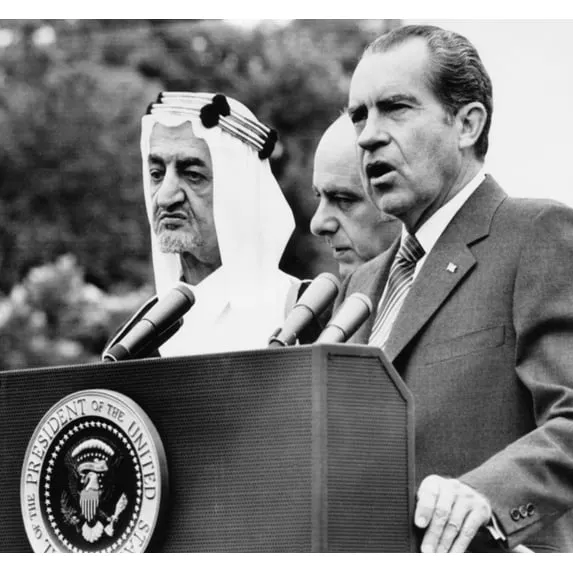
---
30
## How The Dollar Became King
31
The dollar didn't end up on top by accident. There's a story behind it, and most people have either never heard it or stopped listening halfway through. The halfway point is actually where it gets critical, so stay with me.
32
End of World War II. Picture Europe bombed out and devastated. The old powers—Britain, France, Germany—in ruins. Economically, physically, an entire generation practically gone.
33
But America's factories are humming. American soil was never touched by bombs. America had become the world's manufacturer, the world's creditor, and the world's gold vault, all at the same time.
34
So in 1944, forty-four countries gathered at a resort in Bretton Woods, New Hampshire. Their mission was to create a new global financial system from scratch. This is just history.
35

36
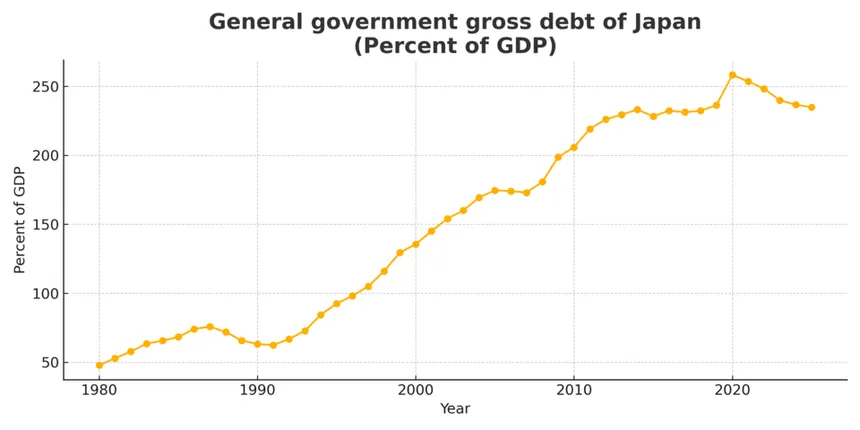
The deal they struck was straightforward. The US dollar becomes the world's reserve currency. Other currencies peg to the dollar at fixed exchange rates. And the dollar itself is convertible to gold at a fixed price of thirty-five dollars per ounce.
37
The dollar was literally as good as gold...
38
You could walk up to a US bank and exchange your paper for actual gold bars at a fixed rate. And that gave everybody confidence. Governments, banks, businesses, all of them trusted the system because there was real metal backing it up.
39
This worked beautifully for about twenty-five years.
40
Then the 1960s happened. Vietnam. Great Society programs. Spending exploded. And countries started noticing something rather uncomfortable. The US was printing far more dollars than it had gold to back them.
41
France, being quite clever about these things, actually started demanding gold in exchange for their dollars. They saw what was happening and they wanted out before the music stopped.
42
So President Nixon went on television and said, "We're not doing that anymore... I have directed secretary Connley to suspend temporarily the convertibility of the dollar into gold or other Reserve assets except in amounts and conditions determined to be in the interest of monetary stability."
43
44
Just like that, the gold standard was dead.
45
Most people stop the story right here. They'll tell you the gold standard ended and move on. But the story actually gets genuinely interesting after this point, especially for anyone watching what's happening in today's world.
46
---
47
## The Dollar's Identity Crisis
48
The dollar now had a very serious problem.
49
It was what we call fiat currency. Money backed by nothing except a government saying it's worth something. "Trust us, it's worth something." That's basically what they were telling the entire world. Which is, to put it diplomatically, not super reassuring.
50
For a couple of years, it was just chaos. The dollar dropped. Other currencies became wildly volatile. Nobody really knew what the new rules were. The whole global financial system was in a kind of existential crisis, and the United States needed a solution fast.
51
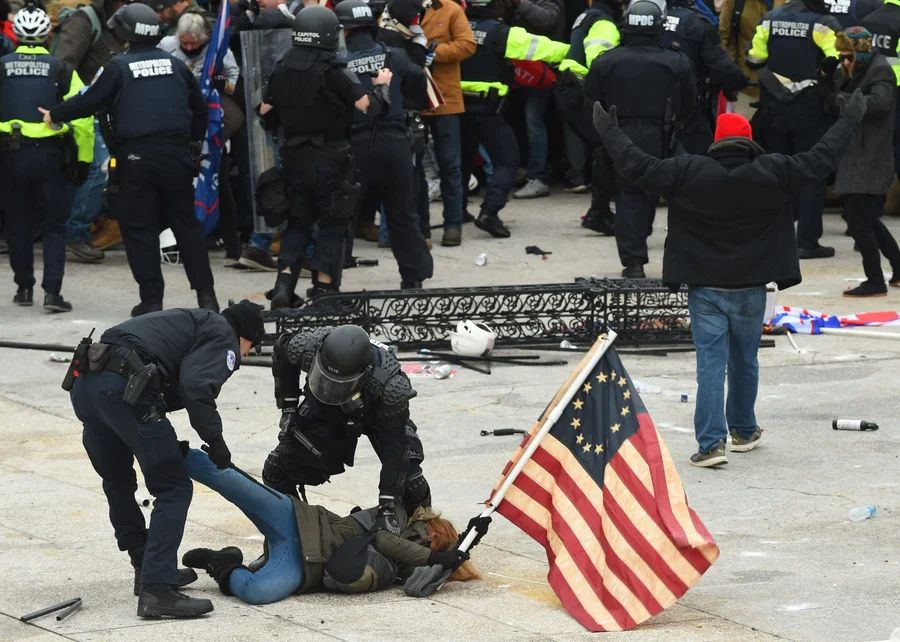
Then in 1973, war broke out in the Middle East. The Yom Kippur War.
52

53
Israel versus Egypt and Syria. The US backed Israel with weapons — exactly how they're doing now. Arab countries were, to put it mildly, furious. And they had one very powerful card to play.
54
OPEC, the cartel of oil-producing countries, announced an embargo. No oil for America or anybody supporting Israel. Oil prices went up four times practically overnight. Gas lines stretched for blocks across America. The economy went into an absolute tailspin.
55
It was a real crisis. And Nixon had to do something about it.
56
He sent Henry Kissinger, his Secretary of State, to Saudi Arabia with a very interesting proposal.
57
The deal was simple. Almost elegant in its ruthlessness.
58
Saudi Arabia agrees to sell oil only in US dollars. The United States agrees to provide military protection and weapons. In other words: you make sure everyone on the planet needs dollars to buy your oil, and we make sure nobody messes with you. Ever.
59
Beautiful deal if you were the US or Saudi Arabia.
60
61
For everybody else? You just became a forced customer of the US dollar. Forever. You didn't get a vote. You woke up one morning in a world where you couldn't buy the most essential commodity on Earth without first getting your hands on American currency.
62
And that's the world we've been living in ever since.
63
---
64
## The Machine Underneath Your Money
65
Once you see how this system actually operates day to day, you can't unsee it.
66

67
Every trade you make, every position you hold, every assumption you have about the US market being the safest and strongest in the world—it all connects back to this machine.
68
Let's walk through it step by step because the details matter.
69
Go back to Japan. They need oil. Millions of barrels, every single month. But they can't buy it in yen. Saudi Arabia won't accept it. The deal says dollars only.
70
So how does Japan get dollars? They sell things to the United States. Cars, PlayStations, semiconductors, you name it. America sends back dollars. But maybe Japan doesn't sell enough cars to cover their oil bill in a given month. So they also buy US debt. Treasury bonds. Either way, they need to accumulate dollars before they can buy a single barrel of oil.
71
72
Most people don't think about this next part. Japan doesn't just need dollars today. They need dollars all the time. Constantly. Oil is a daily need. You burn fuel every single day. So what do they do? They keep a massive pile of US dollars in reserve, just sitting there, ready to go, so they can buy oil whenever they need it.
73
What's the safest way to hold all those dollars? You buy US government bonds. US treasuries. The market likes to make things complicated with different names, but it's all just American debt.
74
So now Japan, and every other oil-importing country on the planet, which is basically everyone, is buying and holding enormous amounts of American debt. Because they literally cannot purchase energy without it.
75
Maybe you're starting to see why this is such a good deal for America.
76
But wait. It gets even better.
77
Saudi Arabia and the other Gulf states are sitting on all these dollars they've collected from selling oil. Mountains of dollars. More than they could ever spend domestically. There are only so many gold-plated Lamborghinis you can buy, after all.
78
So what do they do with all that excess cash? They invest it. And where do they invest it? Right back into the United States.
79
US government bonds, because they're safe. US stocks, because the opportunity is there. US real estate, because it generates income. And of course, US weapons.
80
This is called petrodollar recycling. The money flows out of America to buy oil, then it flows right back in as investment. It's a perfect loop. Almost as if it was designed that way.
81
Because it was.
82
---
83
## Three Advantages That Explain Why Your Portfolio Behaves The Way It Does
84

85
Advantage #1: Permanent dollar demand
86
Every country that imports oil must hold dollars. The dollar stays stronger than it should based purely on fundamentals. If you're an American investor, your purchasing power is artificially boosted. Your portfolio denominated in dollars carries more weight globally than the underlying economics would suggest.
87
Advantage #2: Artificially cheap borrowing
88
All those countries need a safe place to park their dollars, so they buy US government bonds. Massive permanent demand for US debt. The US government borrows at rates that make every other nation jealous. Lower bond rates push money into stocks, into real estate, into riskier assets. That whole "stocks only go up" environment of the last few decades? The petrodollar is the invisible force making it possible.
89
Advantage #3: The ability to weaponize the currency
90
If you control the currency everybody is forced to use, you can cut anyone off from the global economy without firing a bullet. When the US sanctioned Russia in 2022, they didn't invade. They just said: you can't use dollars anymore. Suddenly Russian banks couldn't trade. Russian companies couldn't pay suppliers. US sanctions are devastating because of the petrodollar. Other countries' sanctions barely register.
91
If you're an American investor, you might be thinking: fantastic, we have all this power, what's the problem?
92
Other countries have noticed. And for the first time in fifty years, they're doing something about it.
93
---
94
I go much deeper on how these three advantages directly affect your portfolio decisions in my free live session this Saturday.
96
---
97
## For The First Time In Fifty Years, The Cracks Are Forming
98
China, Russia, India, Brazil, Saudi Arabia, Iran. They've all watched America weaponize the dollar over the last two decades.
99
100
And they've all had the same thought: maybe we should have a backup plan.
101
For the first time since 1974, they're actually doing something about it.
102
China and Russia are trading oil in yuan and rubles. India is paying for Russian oil in rupees. Saudi Arabia—America's original partner in this deal, the very country that made the whole system possible—is openly discussing selling oil in other currencies.
103
This is happening right now and being reported in the Financial Times and the Wall Street Journal.
104
I want to be precise about something, because I don't want anyone to misread what I'm saying. The dollar is not going to collapse tomorrow. Or next year. Or probably even this decade. The system has too much momentum, too much infrastructure built around it, and there is no clean alternative ready to replace it.
105
But the direction of travel has changed.
106
And if you're building a long-term portfolio, if you're managing your own retirement money, if you're trying to grow and protect what you've built over decades of hard work, this is the macro trend you absolutely need to understand.
107
There are three risks I'm watching very closely.
108
The first is long-term dollar weakening. If demand for dollars gradually decreases because countries are settling trades in other currencies, the dollar weakens over time. Your imports get more expensive. Inflation becomes stickier. Your purchasing power erodes. For anyone trying to live off a portfolio in retirement, this isn't theoretical. This hits your grocery bill, your travel, your healthcare. Every year, a little more.
109
The second is rising interest rates. If foreign governments buy less US debt, the United States has to offer higher interest rates to attract other buyers. That means more expensive mortgages. Higher corporate borrowing costs. And declining stock valuations. This is the hidden tax that almost nobody in the retail investing world talks about, and it could be the single biggest headwind for US equities over the next decade.
110
The third is geopolitical instability. If countries can trade without dollars, American sanctions lose their teeth. The leverage that has kept certain conflicts contained and certain regimes in check starts to evaporate. And that creates uncertainty. Markets hate uncertainty more than they hate bad news.
111
If you think about Venezuela and Iran — two countries already selling oil outside the dollar system — you might start connecting some dots about what's happening in the world right now.
112
---
113
## Why The System Hasn't Collapsed Yet
114
This is the question everyone asks. If so many countries want out, why is the dollar still standing?
115
Three reasons. And they're important because they tell you about the timeline we're working with.
116
Reason #1: Sheer Momentum
117
The global financial system is like an oil tanker. It does not turn on a dime. Trillions of dollars in contracts are denominated in US currency. Pricing systems, banking infrastructure, accounting standards, trade agreements, all of it built around the dollar over half a century. Switching is complicated, expensive, and risky. It's like trying to change your phone's operating system. Even if you hate it, the hassle and the switching costs keep you stuck for a lot longer than you'd like.
118
Reason #2: There's No Real Alternative yet
119
What would replace the dollar? The Chinese yuan? China has capital controls. You can't freely move money in and out of the country. That's a non-starter for a global reserve currency. The euro? Europe can't even agree on a fiscal policy. The euro was essentially designed to make the German Deutschmark cheaper by bringing the Italians, the Greeks, the Portuguese, and the Spanish into the same currency. For any economist worth their salt, the euro is a construct of horrors. Bitcoin? Getting closer conceptually, but it's not there yet. Not even close to the stability and infrastructure needed.
120
Reason #3: The Dollar Is Backed By The Country's Military System
121
Eleven aircraft carriers and 750 military bases around the world. Countries think very carefully before they challenge a system that has those kinds of enforcement mechanisms. History has been rather unkind to nations that tried to sell oil in currencies other than the dollar. You can look into that yourself.
122
Big systems don't collapse overnight. They erode gradually. And then suddenly. The dollar's share of global reserves has already dropped from about 70% to 58%. The petrodollar is going through its newspaper moment—remember when everyone said print would die around 1999? It didn't die immediately. It declined for years. Slowly, then faster. And eventually most of them were gone.
123
---
124
## Where The Opportunities Are
125
I always believe there's a silver lining underneath everything. Systemic shifts this large create enormous opportunity—but only for investors who see them coming before the crowd does.
126
If the dollar weakens over time, what goes up? Things that aren't dollars.
127
Gold, silver, commodities, real assets.
128

129
This is one of the primary reasons I track metals positions and institutional flows so closely (you can do the same here by using this). What are the big players doing with gold? Are they accumulating? Are they selling? What do premiums look like in overseas markets? What does physical inventory look like versus paper claims on that inventory? These data points tell a story, and right now that story is pretty loud if you know how to listen to it.
130
Central banks around the world have been buying physical gold at a pace not seen in decades. That is not a coincidence. That is central bankers quietly repositioning for a world where the dollar matters less. When you see the people who actually run the monetary system hedging their own exposure to that system, you should pay attention.
131
Beyond precious metals, if the US gradually loses its reserve currency privilege, other markets become comparatively more attractive.
132
Emerging markets. Commodity-exporting nations.
133

134
Countries that actually benefit from a weaker dollar rather than being hurt by it. For decades, the default advice has been to keep the vast majority of your portfolio in US equities because that's where the structural advantages are. And that advice has been correct. But what happens when those structural advantages start to erode? The investors who adjust ahead of the curve are going to do very well. The investors who keep running the same playbook from 2015 are going to wonder what happened.
135
And then there's a third angle that most people miss entirely.
136
If countries are trying to reduce their dependence on dollars, the logical endpoint of that project is reducing their dependence on oil itself. Think about that for a moment. If you don't need to buy oil, you don't need dollars to buy oil with. The entire chain breaks.
137
So the energy transition isn't just about climate change and polar bears. It's about geopolitical independence. It's about entire nations trying to break free from the petrodollar system so they can actually conduct their economies without being dependent on American currency and American permission.
138
Countries that can generate their own energy domestically—through renewables, nuclear, LNG, whatever works for their geography and politics—those countries don't need to hold massive dollar reserves anymore.
139

140
And the companies building that infrastructure? The battery storage companies, the nuclear plant developers, the LNG terminal builders? They're potentially sitting at the intersection of the biggest macro trend of the next two decades.
141
Most retail investors are looking at energy transition stocks through the lens of climate policy. That's one lens, and it's fine. But the bigger lens, the one that institutional money is actually using to make allocation decisions, is the petrodollar lens. Which countries are trying to achieve energy independence? What infrastructure do they need to get there? Who builds that infrastructure? Follow the money upstream and you'll find the opportunities before they show up on CNBC.
142
This is why I watch these big structural forces. Macro trends tell you where the institutional money is flowing before it shows up in stock prices. And once you learn to read those flows, you stop chasing the market and start positioning ahead of it. Also, it can be pretty fun dinner party conversation if you're at the right dinner party.
143
The guys I learned from on Wall Street didn't make their money by reading the same research reports everyone else was reading. They made it by understanding the macro forces that determined which sectors and which asset classes would outperform over the next three to five years. Then they positioned accordingly and let the trend do the heavy lifting. Everything I do today is built on that same principle.
144
---
145
## What This Means For You
146
The institutional guys I talk to aren't panicking about any of this. They're repositioning. Quietly, methodically, deal by deal, allocation by allocation.
147
The invisible foundation underneath your portfolio — the thing that has made US assets the default safe haven for half a century — has cracks forming in it. Cracks that are likely to widen over the next decade. That doesn't mean you liquidate everything tomorrow and buy gold bars. It means you pay attention.
148
I've talked to thousands of self-directed investors over the years. Smart, hardworking people who've built real wealth through decades of discipline. They're subscribed to four or five newsletter services, paying thousands a year, getting a new list of tickers every month. Some of those picks do well. But the investor has no idea why they went up. They don't understand the macro forces that caused one sector to outperform and another to crater. So when the environment changes — and it always changes — they're caught flat-footed.
149
Understanding the petrodollar won't tell you which stock to buy Monday morning. But it will tell you what kind of market you're operating in. Whether the structural tailwinds that powered US equities for decades are strengthening or fading. And where the big money is likely to flow over the next five, ten, twenty years.
150
That's something far more valuable than a stock pick. It's context. And context is what separates investors who compound wealth across decades from investors who make money in bull markets and give it all back when the music stops.
152
— Felix
153
PS: Most people will read this, find it interesting, and go right back to making the same decisions they were making yesterday.