@matthew_labosco: Andrew Huberman just dropped a...
@matthew_labosco
27 views
Feb 08, 2026
1
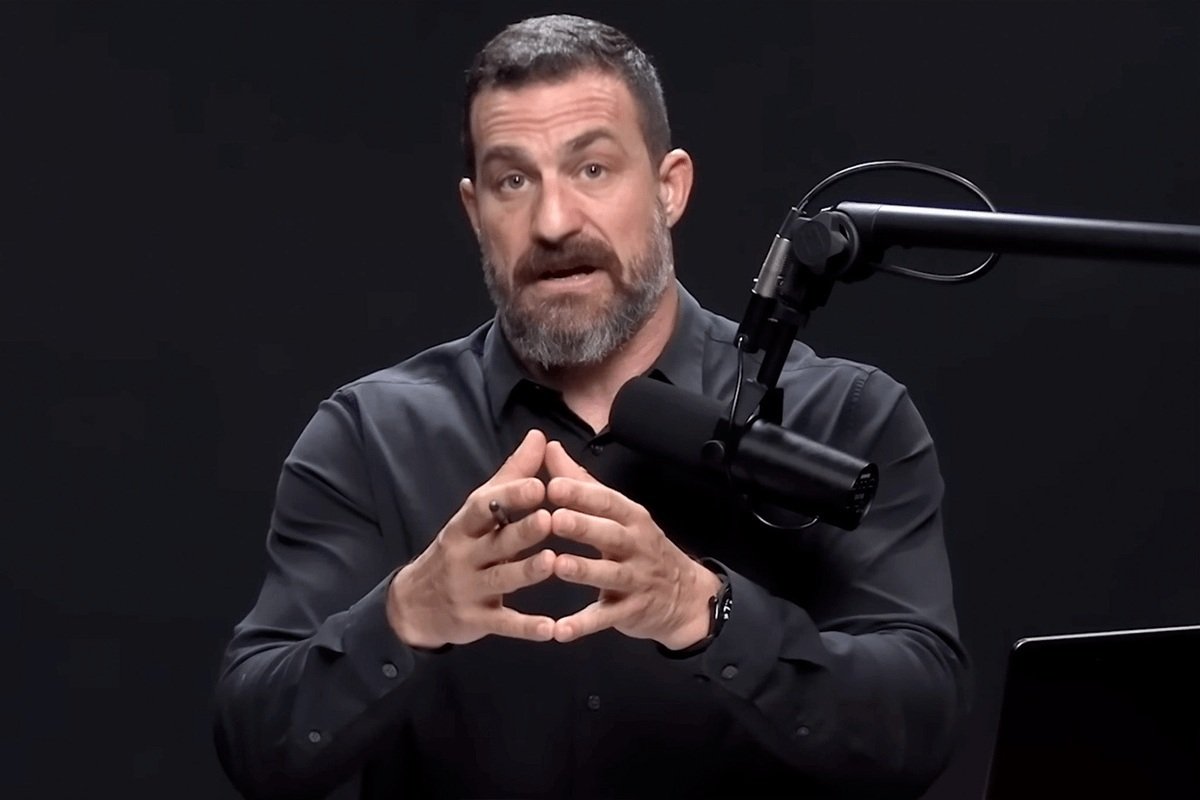
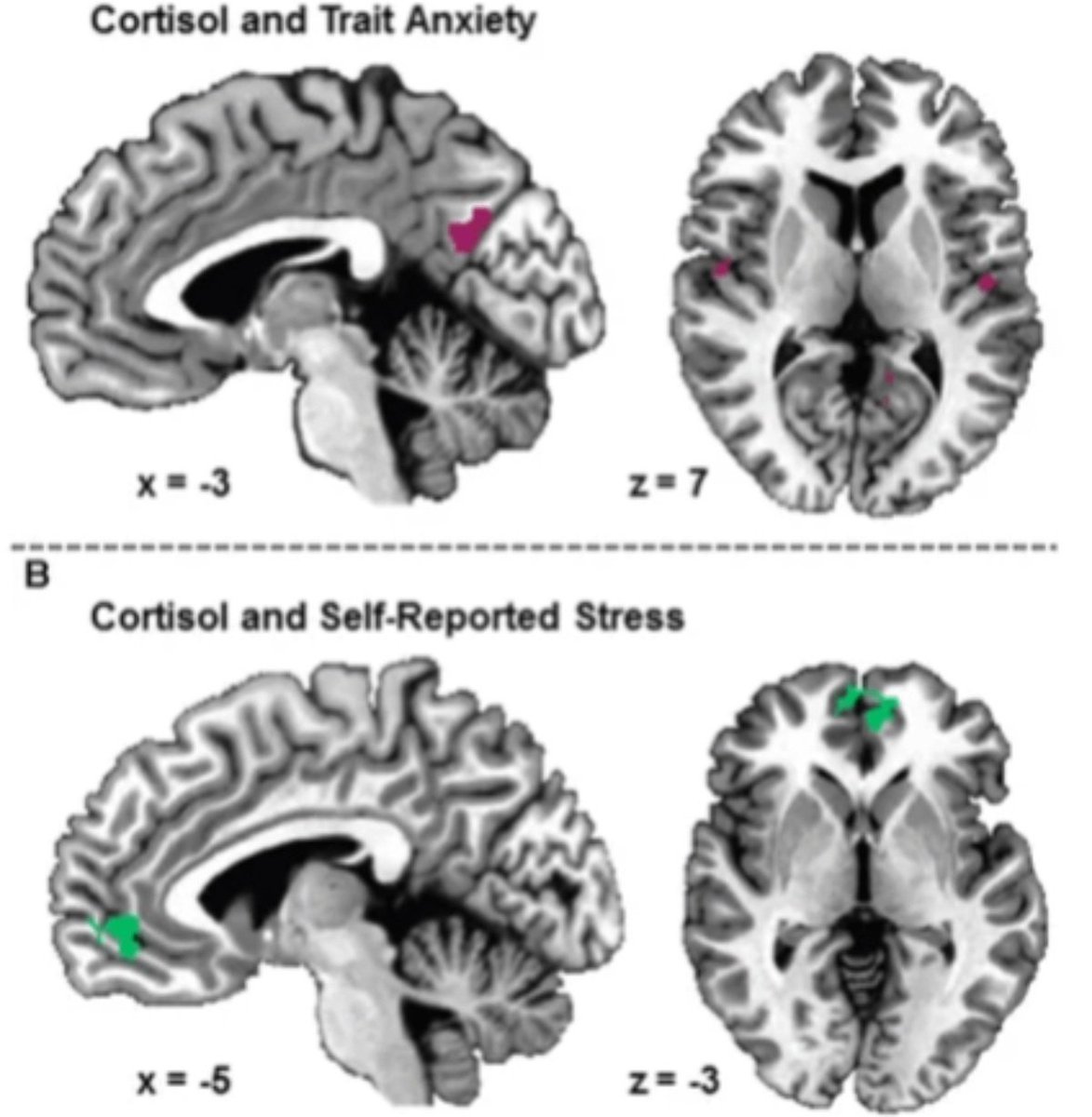
Andrew Huberman just dropped a 2‑hour masterclass on cortisol — your body’s main stress hormone.
High cortisol = burnout, faster aging, weight gain, memory loss, heart disease, Alzheimer’s.
Here’s a 7‑step protocol to fix your cortisol (backed by science):🧵
High cortisol = burnout, faster aging, weight gain, memory loss, heart disease, Alzheimer’s.
Here’s a 7‑step protocol to fix your cortisol (backed by science):🧵
2
Step 1: Understand cortisol
Cortisol isn’t “bad.”
You need it to wake up, think clearly, and respond to challenges.
The problem is:
• Too much
• At the wrong time
• For too long
That’s the chronic stress pattern that quietly wrecks your health.
Cortisol isn’t “bad.”
You need it to wake up, think clearly, and respond to challenges.
The problem is:
• Too much
• At the wrong time
• For too long
That’s the chronic stress pattern that quietly wrecks your health.
3
Step 2: Learn the rhythm
Healthy cortisol has a daily curve:
• High in the morning
• Gradually drops through the day
• Low at night so you can sleep
When your rhythm flips (low in the morning, high at night), you feel wired, exhausted, and can’t switch off.
Healthy cortisol has a daily curve:
• High in the morning
• Gradually drops through the day
• Low at night so you can sleep
When your rhythm flips (low in the morning, high at night), you feel wired, exhausted, and can’t switch off.
4
You've probably tried:
• Morning sunlight exposure
• Cutting caffeine after 2pm
• Blue light blockers at night
• Meditation before bed
• Magnesium, ashwagandha, "cortisol-lowering" supplements
They help temporarily. Then cortisol spikes again.
Why? They manage the symptom. They don't fix what's keeping your nervous system in survival mode.
• Morning sunlight exposure
• Cutting caffeine after 2pm
• Blue light blockers at night
• Meditation before bed
• Magnesium, ashwagandha, "cortisol-lowering" supplements
They help temporarily. Then cortisol spikes again.
Why? They manage the symptom. They don't fix what's keeping your nervous system in survival mode.
5
Step 3: Morning sunlight
View natural light within 30–60 minutes of waking.
This:
• Spikes cortisol when you want energy
• Anchors your circadian clock
• Helps it drop naturally later
10–15 minutes outside (no sunglasses if possible) beats most “biohacks.”
View natural light within 30–60 minutes of waking.
This:
• Spikes cortisol when you want energy
• Anchors your circadian clock
• Helps it drop naturally later
10–15 minutes outside (no sunglasses if possible) beats most “biohacks.”
6
Step 4: Limit late caffeine
Caffeine too late = fake energy, real cortisol.
Afternoon coffee pushes your stress chemistry up when your body is trying to wind down.
Rule of thumb: no caffeine 8–10 hours before bed if you want deep sleep and steady cortisol.
Caffeine too late = fake energy, real cortisol.
Afternoon coffee pushes your stress chemistry up when your body is trying to wind down.
Rule of thumb: no caffeine 8–10 hours before bed if you want deep sleep and steady cortisol.
7
Step 5: Cut late‑night light
Light after sunset tells your brain “it’s still daytime.”
Result:
• Melatonin suppressed
• Cortisol elevated
• You feel “tired but wired” at night
Dim the lights, kill bright overheads, and get screens out of your face 1–2 hours before bed.
Light after sunset tells your brain “it’s still daytime.”
Result:
• Melatonin suppressed
• Cortisol elevated
• You feel “tired but wired” at night
Dim the lights, kill bright overheads, and get screens out of your face 1–2 hours before bed.
8
Step 6: Daily downshift window
Your system can’t live in 6th gear all day and magically relax at night.
Give it one 10–20 minute downshift window:
• Walk without your phone
• Breathwork
• Staring at the horizon
You’re teaching your nervous system it’s allowed to stand down.
Your system can’t live in 6th gear all day and magically relax at night.
Give it one 10–20 minute downshift window:
• Walk without your phone
• Breathwork
• Staring at the horizon
You’re teaching your nervous system it’s allowed to stand down.
9
Step 7: End chronic stress at the root
The biggest driver of high cortisol isn’t coffee or screens.
It’s a nervous system stuck in constant survival mode.
If you don’t change your stress loops (overload, over‑responsibility, never stopping), your biology keeps pumping stress chemistry no matter how many hacks you stack.
The biggest driver of high cortisol isn’t coffee or screens.
It’s a nervous system stuck in constant survival mode.
If you don’t change your stress loops (overload, over‑responsibility, never stopping), your biology keeps pumping stress chemistry no matter how many hacks you stack.
10
Left unchecked, high cortisol leads to:
• Burnout & insomnia
• Memory loss & brain fog
• Energy crashes & weight gain
• Heart disease & early aging
• Weakened immunity & hormone chaos
Until you break the chronic stress cycle, cortisol stays high and your body pays the price.
• Burnout & insomnia
• Memory loss & brain fog
• Energy crashes & weight gain
• Heart disease & early aging
• Weakened immunity & hormone chaos
Until you break the chronic stress cycle, cortisol stays high and your body pays the price.
11
I’ve spent 20+ years helping high performers who were:
• Burned out
• Heading for divorce
• Chronically sleep‑deprived
• In constant pain or anxiety
Their turning point wasn’t one more hack. It was finally retraining their nervous system out of survival mode so cortisol could reset naturally.
• Burned out
• Heading for divorce
• Chronically sleep‑deprived
• In constant pain or anxiety
Their turning point wasn’t one more hack. It was finally retraining their nervous system out of survival mode so cortisol could reset naturally.

12
You won't meditate, supplement or self-care your way out of a nervous system stuck in survival mode.
Join today’s workshop to see which of 5 stress patterns wrecks your sleep and energy + a nervous-system-first approach that finally works.
go.matthewlabosco.com/workshop-l5-xp1
Join today’s workshop to see which of 5 stress patterns wrecks your sleep and energy + a nervous-system-first approach that finally works.
go.matthewlabosco.com/workshop-l5-xp1