@stevemagness: Alex Honnold just climbed the ...
@stevemagness
59 views
Jan 25, 2026
1
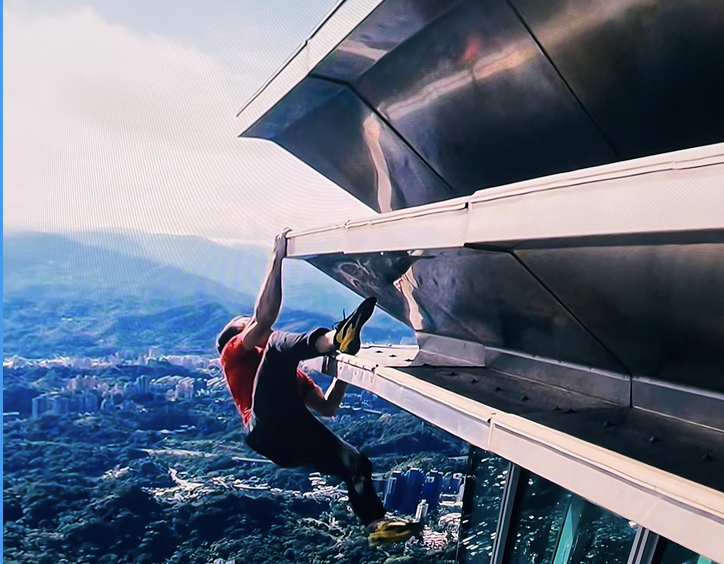
Alex Honnold just climbed the 1,667-foot Taipei 101 building live for the world to see.
No rope. No harness. No safety gear. 101 floors.
His first words at the top? "Sick." Then he took a selfie.
How does someone deal with the fear and pressure of knowing one mistake means death? Neuroscientists peered into Honnold's brain to find out:
No rope. No harness. No safety gear. 101 floors.
His first words at the top? "Sick." Then he took a selfie.
How does someone deal with the fear and pressure of knowing one mistake means death? Neuroscientists peered into Honnold's brain to find out:
2
Neuroscientist Jane Joseph put Honnold in an fMRI machine and showed him disturbing images. Disfigured corpses. Pictures designed to make anyone cringe.
Even if we have no visceral reaction, our brain betrays us.
An almond-shaped region called the amygdala should light up. It detects threats and triggers our stress response.
Joseph expected at least something from the man who free solos 3,000-foot walls.
Even if we have no visceral reaction, our brain betrays us.
An almond-shaped region called the amygdala should light up. It detects threats and triggers our stress response.
Joseph expected at least something from the man who free solos 3,000-foot walls.
3
Honnold asked whether images of children burning counted as stressful, "Because, I can't say for sure, but I was like, whatever."
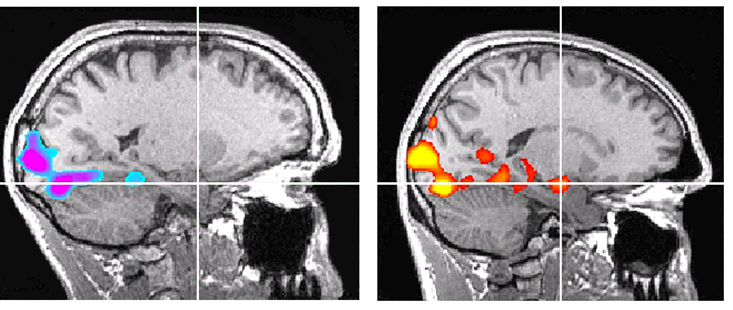
He wasn't putting on an act. His brain echoed his experience. No flashes of color indicating activity in threat-sensing areas. Just grey.
His amygdala didn't react...
He wasn't putting on an act. His brain echoed his experience. No flashes of color indicating activity in threat-sensing areas. Just grey.
His amygdala didn't react...
4
Whenever we face a stressful situation, our brain makes a choice.
Sound the alarm and prepare for threat. Or stay silent.
We all have different breaking points for when something gets judged threatening enough to push the panic button.
Honnold's threshold is astronomically high. His brain treats the stressful as if it were mundane.
When most of us would be smashing the panic button, his mind is enjoying the scenery.
Sound the alarm and prepare for threat. Or stay silent.
We all have different breaking points for when something gets judged threatening enough to push the panic button.
Honnold's threshold is astronomically high. His brain treats the stressful as if it were mundane.
When most of us would be smashing the panic button, his mind is enjoying the scenery.
5
You might think Honnold's amygdala is broken or absent. It's not. It works fine.
The difference is the level of stimulus needed to trigger a response.
Most of us stare down from a third-story balcony and feel fear leaning over the edge. Honnold looks down 1,667 feet of glass and steel and his brain quietly thinks: no threat here.
Same equipment. Different calibration.
The difference is the level of stimulus needed to trigger a response.
Most of us stare down from a third-story balcony and feel fear leaning over the edge. Honnold looks down 1,667 feet of glass and steel and his brain quietly thinks: no threat here.
Same equipment. Different calibration.
6
"This is not scary, because this is what I do." Honnold told a reporter.
What he realized is that he'd been similar situations so many times that the crazy had become normal.
Was Honnold born with this superpower or did he develop it? It's likely both.
But we know stress inoculation turns down that threat sensitivity. And research proves it.
What he realized is that he'd been similar situations so many times that the crazy had become normal.
Was Honnold born with this superpower or did he develop it? It's likely both.
But we know stress inoculation turns down that threat sensitivity. And research proves it.
7
Researchers compared expert meditating monks and novices during a painful task.
Before a scalding hot probe even touched their skin, the novices' amygdalas lit up, signaling threat on the way.
The monks? A low response.
When the pain hit, experts quickly habituated while novices felt it grow.
The monks weren't shutting off their response. They'd developed a different way to respond.
They described the pain as "softer" with "less dwelling." They'd learned to turn an automatic reaction into a thoughtful response.
Before a scalding hot probe even touched their skin, the novices' amygdalas lit up, signaling threat on the way.
The monks? A low response.
When the pain hit, experts quickly habituated while novices felt it grow.
The monks weren't shutting off their response. They'd developed a different way to respond.
They described the pain as "softer" with "less dwelling." They'd learned to turn an automatic reaction into a thoughtful response.
8
Psychologist Hap Davis scanned elite swimmers' brains while showing them videos of their failures.
Their amygdalas lit up, amplifying negative emotions.
After a brief training program to rewire their response, he scanned them again watching the same failures.
This time: smaller amygdala response.
Davis reported, "Watching the failure washed out the negative emotion. Now I can discuss it with you, and it's no big deal."
We can shift what triggers our alarm.
Their amygdalas lit up, amplifying negative emotions.
After a brief training program to rewire their response, he scanned them again watching the same failures.
This time: smaller amygdala response.
Davis reported, "Watching the failure washed out the negative emotion. Now I can discuss it with you, and it's no big deal."
We can shift what triggers our alarm.
9
We're not Alex Honnold.
But we can shift how our alarm works.
Most of it comes down to: perceived capabilities vs. demands.
If we've repeatedly showed that we can handle the task, even if it seems insane to others...our brain gradually turns down the alarm.
And frees us up to do what we know how to do.
But we can shift how our alarm works.
Most of it comes down to: perceived capabilities vs. demands.
If we've repeatedly showed that we can handle the task, even if it seems insane to others...our brain gradually turns down the alarm.
And frees us up to do what we know how to do.
10
This post is excerpted from my book Do Hard Things. If you'd like to dive deeper into the fascinating science of resilience, it's currently 55% off:
amzn.to/4a9mWal
amzn.to/4a9mWal