Of these four pairs of shoes, which do you think is the lowest...

derek guy@dieworkwear
80 views
Oct 20, 2025
~3 min read
1
Of these four pairs of shoes, which do you think is the lowest quality?
Make a choice before opening this thread. Then I'll tell you something about shoe quality. 🧵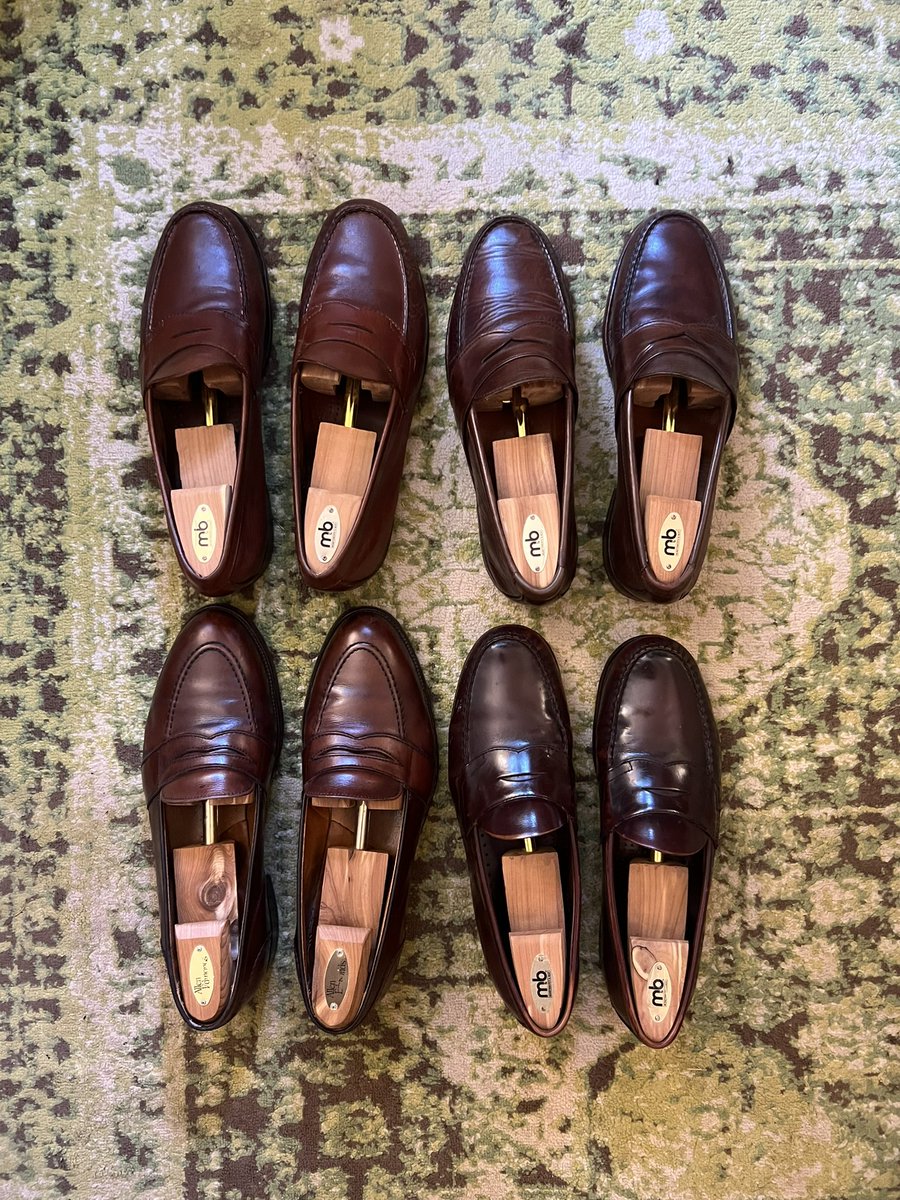
Make a choice before opening this thread. Then I'll tell you something about shoe quality. 🧵
2
When it comes to leather shoes, there are broadly two dimensions of quality.
The first and most important is the type of leather. Quality leather shoes will be made from full-grain leather, which shows the natural grain of the hide.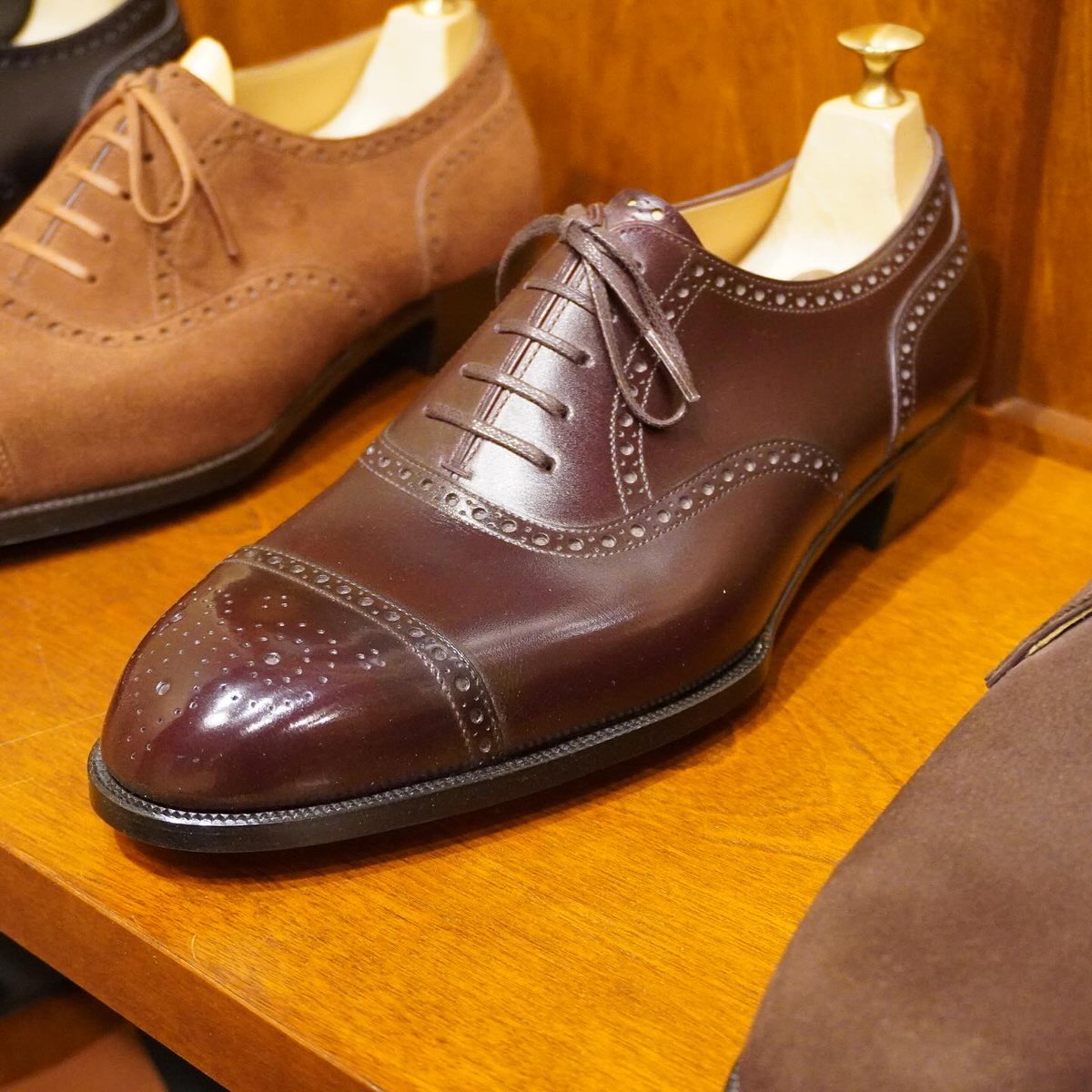
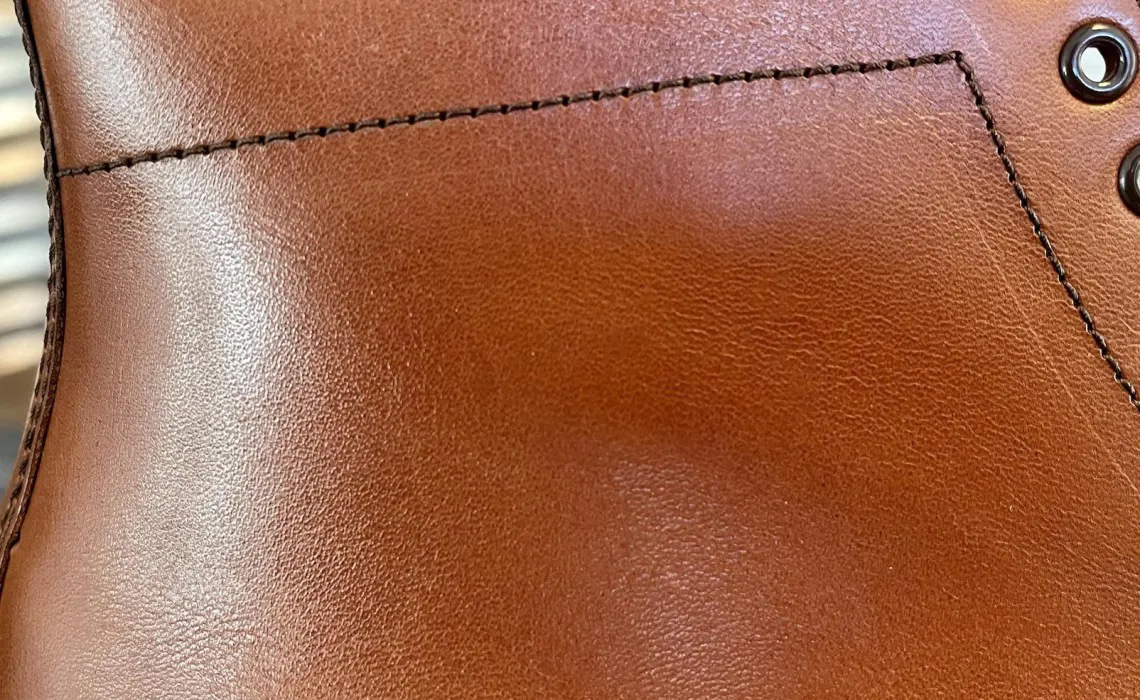
The first and most important is the type of leather. Quality leather shoes will be made from full-grain leather, which shows the natural grain of the hide.
3
However, not every hide is suited for full grain leather. The animal may have picked up a lot of scars along the course of its life. In such case, the tannery will sand down the surface and apply a chemical coating to produce a consistent finish. This is called corrected grain.
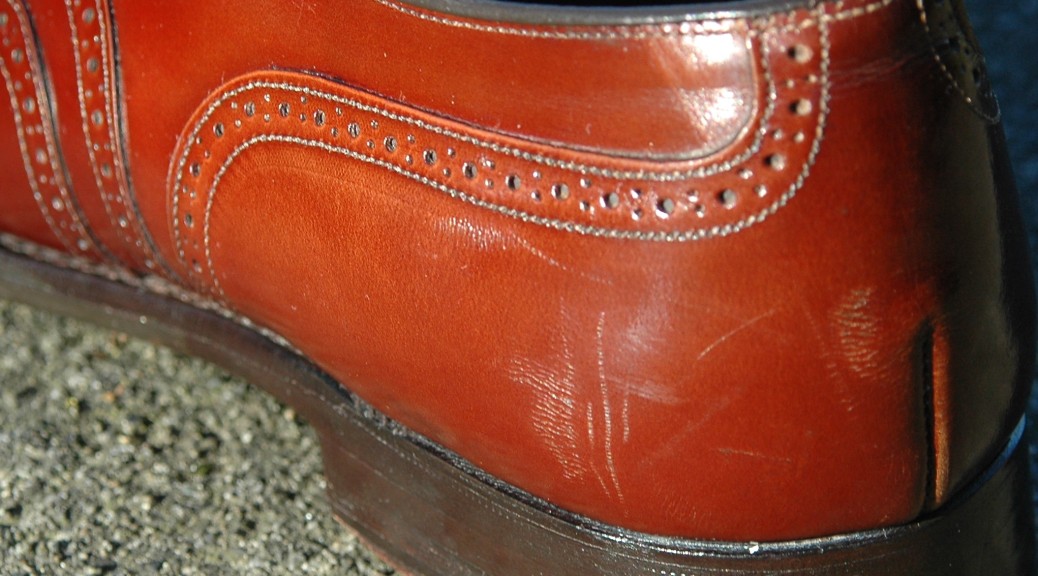
4
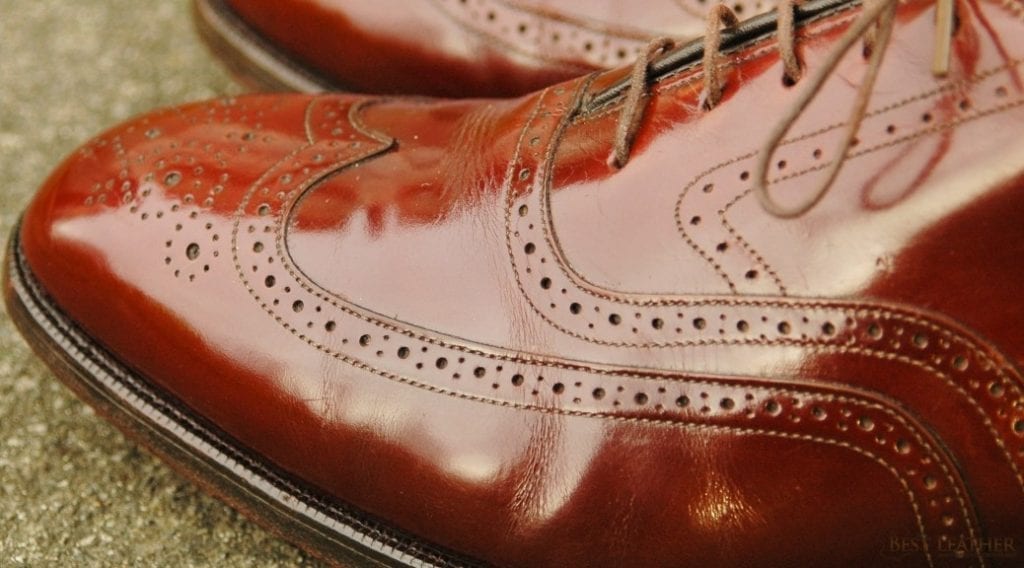
Corrected grain doesn't breathe as well as full-grain leather. It also doesn't patina. Whereas full grain leather looks better with age, corrected grain only gets worse with wear. In the worst cases, it can crack and flake.
Left: full grain
Right: corrected grain

Left: full grain
Right: corrected grain
5
These shoe are all made from full grain leather, so it's not that dimension that distinguishes them.
And therein lies the trick: even with full grain leather, companies can cut corners.
And therein lies the trick: even with full grain leather, companies can cut corners.
6
At the factory, there’s someone known as a clicker, whose job is to cut pattern pieces from a hide. At a bespoke workshop, this is done by hand with a knife. But at a factory, it's done with metal dies, much like the ones your mom might have used to make gingerbread man cookies.
7
However, *how you cut* matters a lot.
When you lay out a hide, it can look very uniform, but hidden beneath the surface is the fiber structure. The parts closer to the animal's spine with be very compact; the parts further from the spine — shoulders, belly — will be spongey.
When you lay out a hide, it can look very uniform, but hidden beneath the surface is the fiber structure. The parts closer to the animal's spine with be very compact; the parts further from the spine — shoulders, belly — will be spongey.
8
For this reason, a quality manufacturer should only cut from the best parts of the hide when making the shoe's uppers.
But to save costs, many will try to squeeze as many shoes as they can out of a hide, which means using parts closer to the shoulder and belly.
But to save costs, many will try to squeeze as many shoes as they can out of a hide, which means using parts closer to the shoulder and belly.
9
Depending on the tannage and cutting, this can result in something called "loose grain," where the wrinkles are very pronounced. Not a big deal on work boots —perhaps even more authentic, as that's how work boots were made in the past.

10
But the clicker should still take time to consider how they're laying out those shaped dies onto the leather.
When the boots are being worn, they will flex and thus wrinkle. If the dies haven't been laid out properly, they will not wrinkle evenly.
When the boots are being worn, they will flex and thus wrinkle. If the dies haven't been laid out properly, they will not wrinkle evenly.
11
Notice how the boots on the left look pretty even in terms of wrinkling. Both shoes have wrinkles (as you'd expect) and they cross the foot horizontally. This creates symmetry.
But on the right, we see one shoe was cut from a looser part of the hide, while the other was not.

But on the right, we see one shoe was cut from a looser part of the hide, while the other was not.
12
Thus, the shoes in the upper right corner is the lowest quality of the four. The unevenness is a result of a faster manufacturing process — the workers weren't allowed time to consider how these pieces would come together.

13
Unfortunately, while a trained eye can spot the difference between full and corrected grain leather in a store, they are very unlikely to be able to tell from which part of the hide the leather was cut (although a bespoke shoemaker once told me they could tell).
14
In this way, quality will reveal itself over time. When shopping, you will have to go by the company's reputation.
If you want to play it safe, buy suede shoes. There are differences in suede quality, but they're smaller than the issues described above.

If you want to play it safe, buy suede shoes. There are differences in suede quality, but they're smaller than the issues described above.