@Tharizdun03: Adolescence is a technical and...
@Tharizdun03
7 views
Apr 27, 2025
1
Adolescence is a technical and acting marvel, but I think it's a failure in its politics, which severely limits the thematic ground it can actually cover. And it ends up being surprisingly shallow.
🧵
🧵

2
One of its glaring flaws is its overwhelming focus on the male perspective. The show zeroes in on Jamie, a violent teenage boy, and those around him, while sidelining the voices of the women harmed by male violence.
3
The show does acknowledge this in episode 2, but because the very next episode is a psychological study of Jamie's issues, it basically doesn't mean shit. Point it out all you want, but if you then go ahead and do it anyway, it's just talk.


4
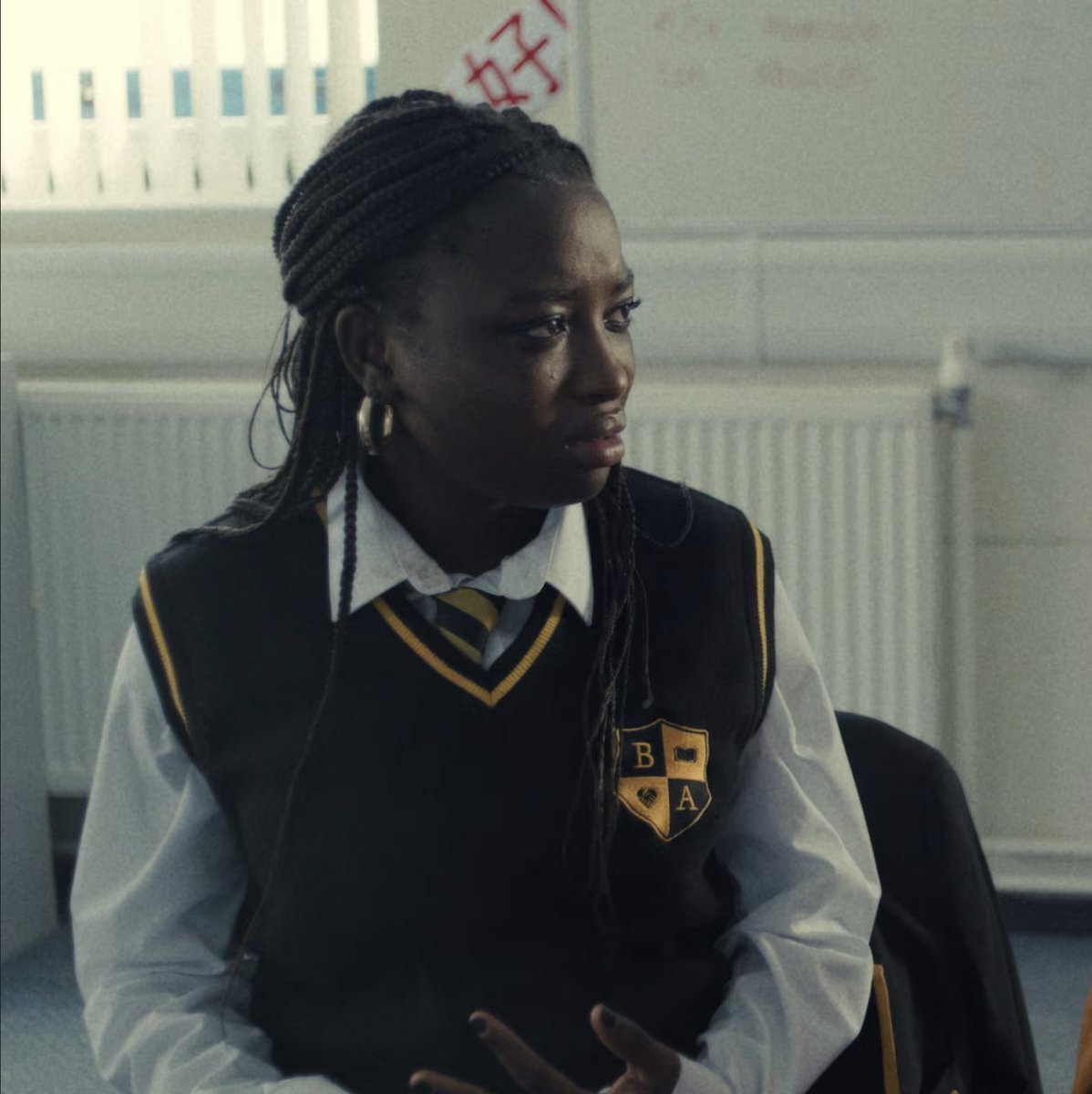
We could have taken a closer look at Jade. Her anger at adults who misunderstand her, her struggles with her family and socioeconomic status, the racism and misogyny she faces. We very briefly touch on it, but it's nothing we stay on to explore in any depth.
5
And the fact that the last episode is almost entirely about the Dad's pain just caps it all off. Why didn't we spend more time with Jamie's sister, for one? How does she view all this? She's the one more directly hurt by misogyny in her life.
6
We know barely anything about Katie herself. Focusing almost exclusively on the humanity of the perpetrator while stripping it from the victim reinforces the very patterns of dehumanization that lead to gendered violence in the first place.
7
Boys are radicalized into misogyny through the dehumanization of women. You can argue that "well this story was about something else, it wouldn’t have fit," but if you're trying to examine this process seriously, you can't erase women from the narrative.
8
I also think the show tries so hard to avoid being didactic that it ends up not saying anything particularly meaningful. It’s so cautious about holding parents accountable or proposing real solutions beyond the simplistic "social media bad" narrative.
9
Almost the entire last episode is spent hammering home that this murderer came from an entirely normal family (true) and that the parents couldn’t have done anything to prevent it (false).
10
Naturally, the parents are victims too, but the message the series pushes can't be that parents are blameless or powerless to change their relationship with their sons. Talk to your boys.
11
The show doesn't seem interested in showing that parents can and should be proactive: actively talking to boys about masculinity and about how they see women. Anti-misogyny is an ongoing process you have to actively work at.
12
Instead, it frames the situation as a "crisis in masculinity" caused almost entirely by social media, and the creators' support for a phone ban kind of validates this. But the real root of the problem is patriarchy, even if the show seems unwilling or unable to say it out loud.

13
The show actually barely engages with the manosphere at all. There are some brief nods here and there, but for a story about male violence against women, it really needed to be a story about misogyny first and foremost. It isn’t.
14
It’s frustrating because Adolescence could have been something much stronger with a few key changes: a sharper political lens, a deeper understanding of systemic issues, and a couple more episodes centered around Katie and Jade.
15
Instead, what we got was another story that humanizes the male perpetrator and male pain without properly acknowledging misogyny as the real source of male violence — such narratives being a direct symptom of patriarchal society. We can do better.