@bryan_johnson: The LA fires filled my body wi...
@bryan_johnson
39 views
Feb 28, 2025
1
The LA fires filled my body with harmful toxins.
One toxic chemical, NAPR, an organic solvent used in metal cleaning, foam gluing, and dry cleaning, increased by 728%.
If you were exposed too, here is what you can do. 🧵
One toxic chemical, NAPR, an organic solvent used in metal cleaning, foam gluing, and dry cleaning, increased by 728%.
If you were exposed too, here is what you can do. 🧵

2
0/ I suppose if there was one person in LA who was routinely measuring their toxin levels when the fires broke out, it would be me.
My urinary toxins panel taken at the height of the LA wildfires on January 28th, 2025 showed 9 acutely increased metabolite toxins (4 of which above the 95th percentile and the other 5 between the 75th and 95th percentile).
A similar previous panel taken in October 2024 had all these toxin metabolites within normal or undetectable range.
Note, in-between the baseline test of Oct 2024 and the most recent test of Jan 28th, I spent a week in India which may have also contributed to an increased toxin load. More on that below.
Let us take a closer look at these metabolites, what toxic exposures and health hazards they indicate, and how these tie to wildfire and burning homes, as well as air pollution in general.
Let us also examine efficient approaches to the detoxification of wildfire fumes inhalation.
My urinary toxins panel taken at the height of the LA wildfires on January 28th, 2025 showed 9 acutely increased metabolite toxins (4 of which above the 95th percentile and the other 5 between the 75th and 95th percentile).
A similar previous panel taken in October 2024 had all these toxin metabolites within normal or undetectable range.
Note, in-between the baseline test of Oct 2024 and the most recent test of Jan 28th, I spent a week in India which may have also contributed to an increased toxin load. More on that below.
Let us take a closer look at these metabolites, what toxic exposures and health hazards they indicate, and how these tie to wildfire and burning homes, as well as air pollution in general.
Let us also examine efficient approaches to the detoxification of wildfire fumes inhalation.
3
1/ Almost all the elevated toxic metabolites come from exposure to the fumes of burning plastics and synthetics from homes, rather than burning trees in the wildfire itself.
The acutely elevated toxic metabolites in my urine sample from January 28th, 2025 can be categorized in three groups based on the source.
1) Phthalate metabolites
2) Metabolites of Volatile Organic Compounds (VOCs)
3) Other metabolites including; herbicides, styrenes (insulation materials), and perchlorate (flammable agent)
Let us explore each metabolite, its origin, how it relates to wild and urban fires, and what risk and hazards it poses.
The acutely elevated toxic metabolites in my urine sample from January 28th, 2025 can be categorized in three groups based on the source.
1) Phthalate metabolites
2) Metabolites of Volatile Organic Compounds (VOCs)
3) Other metabolites including; herbicides, styrenes (insulation materials), and perchlorate (flammable agent)
Let us explore each metabolite, its origin, how it relates to wild and urban fires, and what risk and hazards it poses.
4
2/ Phthalate metabolites
Phthalates are commonly used plasticizers (additives to make plastic more flexible), markedly increased due to homes burning in wildfires.
Phthalates and their metabolites are endocrine disruptors, which are linked to reproductive, developmental, neurological, and respiratory disorders.
All phthalate metabolites were low in my baseline panel from October 2024, while the post-wildfires panel showed the following elevated phthalate metabolites:
Mono-2-ethylhexyl phthalate (MEHP)
+ Undetectable in baseline to above 95th percentile post-fire (7.22µg/g)
+ A metabolite of DHEP, possibly resulting from the fumes of burning plastic materials in homes.
Mono-(2-ethyl-5-oxohexyl) phthalate (MEOHP)
+ Undetectable in baseline to almost 95th percentile post-fire (14.19µg/g)
+ A metabolite of DHEP, possibly resulting from the fumes of burning plastic materials in homes.
Monobutyl phthalate (MBP)
+ Detectable within normal range (9.16 µg/g) at baseline to over 75th percentile (17.0 µg/g) post-fire.
+ A metabolite of DBP, possibly resulting from the fumes of burning plastic materials in homes.
These compounds are not direct results of wildfires, rather from the catastrophic burning of adjacent homes, where phthalates (termed as “everywhere chemicals”) are released from the burning of many plastic components including floors (PVC), cable insulations, furniture, and many consumer products like toys and food packaging.
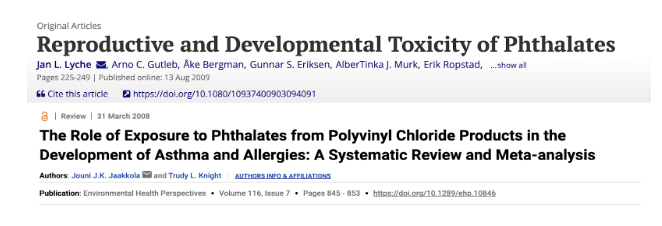
Associated health hazards: phthalates in general, including DHEP and DBP, are linked to reproductive and developmental .The inhalation of phthalate fumes has been shown to increase the risk of developing asthma and allergies both in children and adults.
Phthalates are commonly used plasticizers (additives to make plastic more flexible), markedly increased due to homes burning in wildfires.
Phthalates and their metabolites are endocrine disruptors, which are linked to reproductive, developmental, neurological, and respiratory disorders.
All phthalate metabolites were low in my baseline panel from October 2024, while the post-wildfires panel showed the following elevated phthalate metabolites:
Mono-2-ethylhexyl phthalate (MEHP)
+ Undetectable in baseline to above 95th percentile post-fire (7.22µg/g)
+ A metabolite of DHEP, possibly resulting from the fumes of burning plastic materials in homes.
Mono-(2-ethyl-5-oxohexyl) phthalate (MEOHP)
+ Undetectable in baseline to almost 95th percentile post-fire (14.19µg/g)
+ A metabolite of DHEP, possibly resulting from the fumes of burning plastic materials in homes.
Monobutyl phthalate (MBP)
+ Detectable within normal range (9.16 µg/g) at baseline to over 75th percentile (17.0 µg/g) post-fire.
+ A metabolite of DBP, possibly resulting from the fumes of burning plastic materials in homes.
These compounds are not direct results of wildfires, rather from the catastrophic burning of adjacent homes, where phthalates (termed as “everywhere chemicals”) are released from the burning of many plastic components including floors (PVC), cable insulations, furniture, and many consumer products like toys and food packaging.
Associated health hazards: phthalates in general, including DHEP and DBP, are linked to reproductive and developmental .The inhalation of phthalate fumes has been shown to increase the risk of developing asthma and allergies both in children and adults.
5
3/ Volatile organic compounds (VOCs) metabolites
As the name implies, these are common toxins in the fumes of burning organic materials, including wildfires. Dioxins, polycyclic aromatic carbons PACs, benzene, and xylene are common examples. Most of these compounds cause respiratory issues and are highly toxic to the liver as they pose a big burden to detoxify.
These secondary metabolites are carcinogenic due to their DNA reactivity and cause liver cancer and toxic to the kidney during excretion.
In the baseline measurement, I had 1 VOC metabolite which was moderately heightened (just above 75th percentile).
NACE is an Acrylonetrile metabolite, a common “leachable” which is released from synthetic acrylic fiber clothing, carpets, plastic food packaging, as well as inhaled in second-hand cigarette smoke.
Good news, it went down to undetectable in my post-fire panel, ruling out any chronic exposure in my daily routine.
Post wildfire, my urine panel showed 3 acutely increased VOC metabolites; 2 higher than 95th percentile and 1 almost at 95th percentile.
N-Acetyl (Propyl) Cysteine (NAPR)
+ Jumped from normal at baseline (4.75 µg/g) to far exceeding the 95th percentile (91.98 µg/g) post-fire.
+ A metabolite of 1-bromopropane, resulting from burning solvents including many household products like cleaners, foams, and sprays.
1-bromoprobane poses significant health risks, affecting the nervous and reproductive systems, and can cause respiratory issues when inhaled.
2-Hydroxyethyl Mercapturic Acid (HEMA)
+ Spiked from undetectable at baseline, to over 5-fold (95th percentile (23.56 µg/g)) post-wildfire, by far the most acute increase in this panel, directly connected to urban wildfires.
+ HEMA is a derivative of vinyl chloride, coming mostly from the fumes of burning synthetic floors, pipes and wirings (PVC), with another potential source being ethylene chloride exposure from the burning of organic materials in the wildfire.
+ Both vinyl chloride and ethylene oxide are known carcinogens, as well as long term neurotoxins, with acute effects including headache and dizziness.
Phenylglyoxylic Acid (PGO)
+ Surged from the low-detectable level to approach 95th percentile following the wildfire.
+ This is a metabolite of styrene and ethylbenzene, both found in abundance in homes including insulation and synthetic rubber. In the context of the LA fires, the exposure originated from burning insulation and plastics at homes.
+ Styrene is an acute chronic neurotoxin and potential carcinogen.
As the name implies, these are common toxins in the fumes of burning organic materials, including wildfires. Dioxins, polycyclic aromatic carbons PACs, benzene, and xylene are common examples. Most of these compounds cause respiratory issues and are highly toxic to the liver as they pose a big burden to detoxify.
These secondary metabolites are carcinogenic due to their DNA reactivity and cause liver cancer and toxic to the kidney during excretion.
In the baseline measurement, I had 1 VOC metabolite which was moderately heightened (just above 75th percentile).
NACE is an Acrylonetrile metabolite, a common “leachable” which is released from synthetic acrylic fiber clothing, carpets, plastic food packaging, as well as inhaled in second-hand cigarette smoke.
Good news, it went down to undetectable in my post-fire panel, ruling out any chronic exposure in my daily routine.
Post wildfire, my urine panel showed 3 acutely increased VOC metabolites; 2 higher than 95th percentile and 1 almost at 95th percentile.
N-Acetyl (Propyl) Cysteine (NAPR)
+ Jumped from normal at baseline (4.75 µg/g) to far exceeding the 95th percentile (91.98 µg/g) post-fire.
+ A metabolite of 1-bromopropane, resulting from burning solvents including many household products like cleaners, foams, and sprays.
1-bromoprobane poses significant health risks, affecting the nervous and reproductive systems, and can cause respiratory issues when inhaled.
2-Hydroxyethyl Mercapturic Acid (HEMA)
+ Spiked from undetectable at baseline, to over 5-fold (95th percentile (23.56 µg/g)) post-wildfire, by far the most acute increase in this panel, directly connected to urban wildfires.
+ HEMA is a derivative of vinyl chloride, coming mostly from the fumes of burning synthetic floors, pipes and wirings (PVC), with another potential source being ethylene chloride exposure from the burning of organic materials in the wildfire.
+ Both vinyl chloride and ethylene oxide are known carcinogens, as well as long term neurotoxins, with acute effects including headache and dizziness.
Phenylglyoxylic Acid (PGO)
+ Surged from the low-detectable level to approach 95th percentile following the wildfire.
+ This is a metabolite of styrene and ethylbenzene, both found in abundance in homes including insulation and synthetic rubber. In the context of the LA fires, the exposure originated from burning insulation and plastics at homes.
+ Styrene is an acute chronic neurotoxin and potential carcinogen.

6
4/ Metabolites from other sources
2,4-Dichlorophenoxyacetic Acid (2,4-D), which surged from undetectable at baseline to beyond 95th percentile following the fires. While this is a herbicide metabolite is unlikely to be produced by the burning of trees or houses, it is likely to have originated from the use of herbicides in later fire isolation or control efforts. Chronic exposure can lead to endocrine disruption and lymphoma. I will keep an eye on this herbicide in the next panel, to rule out chronic food or environmental exposure.
Diphenyl Phosphate DPP, surged from undetectable to moderately elevated between 75th and 95th percentile. This is a metabolite of Triphenyl Phosphate (TPP), a common fire repellant with its fumes originating from burning furniture and electronic devices.
Perchlorate, a relative increase from normal detectable range to medium elevated. While not a direct effect of the fire, this could have originated from the response as it is used in flairguns. Perchlorate is a known thyroid disruptor, I will be monitoring my exposure closely in the next panels, as I have long been treated for hypothyroidism.
2,4-Dichlorophenoxyacetic Acid (2,4-D), which surged from undetectable at baseline to beyond 95th percentile following the fires. While this is a herbicide metabolite is unlikely to be produced by the burning of trees or houses, it is likely to have originated from the use of herbicides in later fire isolation or control efforts. Chronic exposure can lead to endocrine disruption and lymphoma. I will keep an eye on this herbicide in the next panel, to rule out chronic food or environmental exposure.
Diphenyl Phosphate DPP, surged from undetectable to moderately elevated between 75th and 95th percentile. This is a metabolite of Triphenyl Phosphate (TPP), a common fire repellant with its fumes originating from burning furniture and electronic devices.
Perchlorate, a relative increase from normal detectable range to medium elevated. While not a direct effect of the fire, this could have originated from the response as it is used in flairguns. Perchlorate is a known thyroid disruptor, I will be monitoring my exposure closely in the next panels, as I have long been treated for hypothyroidism.
7
5/ Potential links to my exposure to air pollution in India
While both the timing and composition of the toxic metabolites in my panel indicate a very likely acute spike linked to the urban wildfire (especially fumes and ash from burning homes) in LA, a contribution of my exposure to polluted air in India cannot be ruled out.
Many toxic metabolites detected in my panel (including MEHP, PGO, NAPR, NACE, and HEMA) derive from exposure to common air pollutants in India including VOCs (polyaromatic hydrocarbons), acrylonitrile, a-bromoprobane, and vinyl-chloride. These are all highly common air pollutants in India due to industrial activity including the open and uncontrolled burning of coal, fossil fuels, and plastic waste without proper fume detoxification measures.
While both the timing and composition of the toxic metabolites in my panel indicate a very likely acute spike linked to the urban wildfire (especially fumes and ash from burning homes) in LA, a contribution of my exposure to polluted air in India cannot be ruled out.
Many toxic metabolites detected in my panel (including MEHP, PGO, NAPR, NACE, and HEMA) derive from exposure to common air pollutants in India including VOCs (polyaromatic hydrocarbons), acrylonitrile, a-bromoprobane, and vinyl-chloride. These are all highly common air pollutants in India due to industrial activity including the open and uncontrolled burning of coal, fossil fuels, and plastic waste without proper fume detoxification measures.

8
6/ If you have been in LA during the fires, or near any major wildfire or urban fires, this is how you can help your body get rid of the toxins.
Here are some interventions that can help you reduce the toxic load on your bodies and accelerate the release of toxins and their metabolites.
Here are some interventions that can help you reduce the toxic load on your bodies and accelerate the release of toxins and their metabolites.

9
7/ Antioxidants
Antioxidants are vital in combating inflammation and oxidative stress in the lungs, liver, nervous system, and other potentially affected organs during and after inhalation exposure, by supporting detoxification processes and overall health protection.
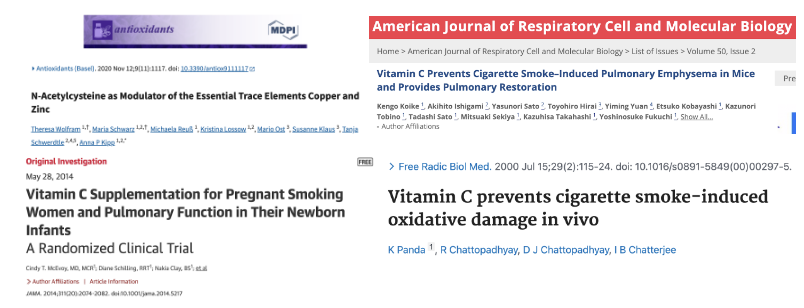
Vitamin C has shown efficacy in preventing cigarette-smoke induced lung damage both in animal experiments and human smokers. 500mg/daily of vitamin C showed a protective effect from toxic metabolites of cigarette smoke in newborns of smoking pregnant mothers. Vitamin C is tolerable in higher doses up to 10 grams, provided proper attention is given to protecting the teeth and stomach from its acidity (e.g. consumed in slow-release tables).
Cigarette smoke has many commonalities with urban wildfires including containing high levels of VOCs, such as acrylamide and styrene.
NAC plays a dual role as an antioxidant that increases glutathione production and an antidote to heavy metal poisoning. Heavy metals including copper, lead, and zinc are also common in wild and urban fires, smoke fumes, and ashes.
These are in the Blueprint stack which I take daily.
Antioxidants are vital in combating inflammation and oxidative stress in the lungs, liver, nervous system, and other potentially affected organs during and after inhalation exposure, by supporting detoxification processes and overall health protection.
Vitamin C has shown efficacy in preventing cigarette-smoke induced lung damage both in animal experiments and human smokers. 500mg/daily of vitamin C showed a protective effect from toxic metabolites of cigarette smoke in newborns of smoking pregnant mothers. Vitamin C is tolerable in higher doses up to 10 grams, provided proper attention is given to protecting the teeth and stomach from its acidity (e.g. consumed in slow-release tables).
Cigarette smoke has many commonalities with urban wildfires including containing high levels of VOCs, such as acrylamide and styrene.
NAC plays a dual role as an antioxidant that increases glutathione production and an antidote to heavy metal poisoning. Heavy metals including copper, lead, and zinc are also common in wild and urban fires, smoke fumes, and ashes.
These are in the Blueprint stack which I take daily.
10
8/ Nutritional Interventions
Cruciferous vegetables
Including broccoli and brussel-sprouts; these contain sulphoraphane, a substance that induces phase II detoxification enzymes both in the liver and lungs. Phase II detoxification is essential to get rid of the carcinogenic metabolites of fat soluble toxins inhaled with fumes, including polycyclic aromatic compounds (a subset of VOCs). Broccoli sprout beverages were shown to accelerate the metabolism and excretion of many inhaled VOCs in participants in a smog contaminated region of China, both benzene and acrolein were excreted 61% and 23% faster, respectively, suggesting general efficacy in detoxifying VOCs inhaled from air pollution and fire fumes.
Other sulfur containing foods (Garlic)
Foods rich in sulfur amino acids especially cysteine (like eggs) promote glutathione production as well as the antioxidant capacity and heavy metal removal in the liver. Furthermore, a daily dose of garlic extract (1.2 g Acillin) has been proven to be effective in the treatment of chronic lead poisoning in exposed workers, suggesting general efficacy against heavy metal exposure through fire fumes and air pollution.
These are in the Blueprint protocol and Blueprint stack.
Cruciferous vegetables
Including broccoli and brussel-sprouts; these contain sulphoraphane, a substance that induces phase II detoxification enzymes both in the liver and lungs. Phase II detoxification is essential to get rid of the carcinogenic metabolites of fat soluble toxins inhaled with fumes, including polycyclic aromatic compounds (a subset of VOCs). Broccoli sprout beverages were shown to accelerate the metabolism and excretion of many inhaled VOCs in participants in a smog contaminated region of China, both benzene and acrolein were excreted 61% and 23% faster, respectively, suggesting general efficacy in detoxifying VOCs inhaled from air pollution and fire fumes.
Other sulfur containing foods (Garlic)
Foods rich in sulfur amino acids especially cysteine (like eggs) promote glutathione production as well as the antioxidant capacity and heavy metal removal in the liver. Furthermore, a daily dose of garlic extract (1.2 g Acillin) has been proven to be effective in the treatment of chronic lead poisoning in exposed workers, suggesting general efficacy against heavy metal exposure through fire fumes and air pollution.
These are in the Blueprint protocol and Blueprint stack.

11
9/ Interventional therapies
HBOT
Hyperbaric oxygen therapy entails breathing 100% oxygen under increased air pressure (1.5-2 ATAs), it is an established antidote to acute fire smoke inhalation including carbon monoxide poisoning following acute exposure to fire fumes (often in home and indoors fires victims…)
Moreover, HBOT bolsters the body’s anti-oxidant and anti-inflammatory defenses, both crucial for withstanding, metabolizing and eliminating toxins related to wildfires and air pollution.
Other benefits of HBOT include improved vascularization and blood flow, both can help accelerate the removal of toxins and their metabolites from the body.
Sauna
The skin is a major excretory organ that can help rid the body of toxins via sweating, these include heavy metals and some water soluble organic compounds. A systemic review of the clinical literature found that sweating induction used sauna improved the excretion of arsenic, cadmium, lean and mercury, all heavy metal toxins also possibly present in fire fumes.
Moreover, sauna interventions are also used in detoxifying fat soluble/stored toxins, for these longer sessions are needed than the typical 15-20 minutes.
Sauna has also been shown effective in the treatment and elimination of chronic and occupational exposure to toxic abuse substances including methamphetamines.
This indicates general efficiency in removing organic toxins and their metabolites, suggesting potential efficiency in removing organic and heavy metal pollutants from fire fumes and air pollution in general.
HBOT
Hyperbaric oxygen therapy entails breathing 100% oxygen under increased air pressure (1.5-2 ATAs), it is an established antidote to acute fire smoke inhalation including carbon monoxide poisoning following acute exposure to fire fumes (often in home and indoors fires victims…)
Moreover, HBOT bolsters the body’s anti-oxidant and anti-inflammatory defenses, both crucial for withstanding, metabolizing and eliminating toxins related to wildfires and air pollution.
Other benefits of HBOT include improved vascularization and blood flow, both can help accelerate the removal of toxins and their metabolites from the body.
Sauna
The skin is a major excretory organ that can help rid the body of toxins via sweating, these include heavy metals and some water soluble organic compounds. A systemic review of the clinical literature found that sweating induction used sauna improved the excretion of arsenic, cadmium, lean and mercury, all heavy metal toxins also possibly present in fire fumes.
Moreover, sauna interventions are also used in detoxifying fat soluble/stored toxins, for these longer sessions are needed than the typical 15-20 minutes.
Sauna has also been shown effective in the treatment and elimination of chronic and occupational exposure to toxic abuse substances including methamphetamines.
This indicates general efficiency in removing organic toxins and their metabolites, suggesting potential efficiency in removing organic and heavy metal pollutants from fire fumes and air pollution in general.
