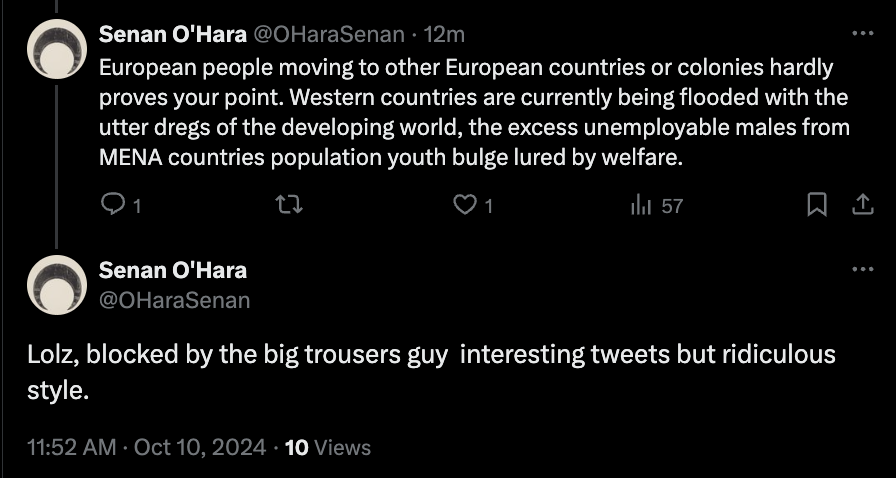
There's a popular narrative here that says immigrants are...

derek guy@dieworkwear
72 views
Oct 13, 2024
~5 min read
1
There's a popular narrative here that says immigrants are destroying Western culture.
I'd like to assert the opposite: immigrants are not only contributing to Western culture, they are often saving parts of it. Let's explore. 🧵
I'd like to assert the opposite: immigrants are not only contributing to Western culture, they are often saving parts of it. Let's explore. 🧵
2
First, I need to establish three things.
Although clothes are often trivialized, I think they're important to culture. They're a way for us to signal our belonging to groups and our individuality within them. Modes of dress are often tied to cultural identity and practice.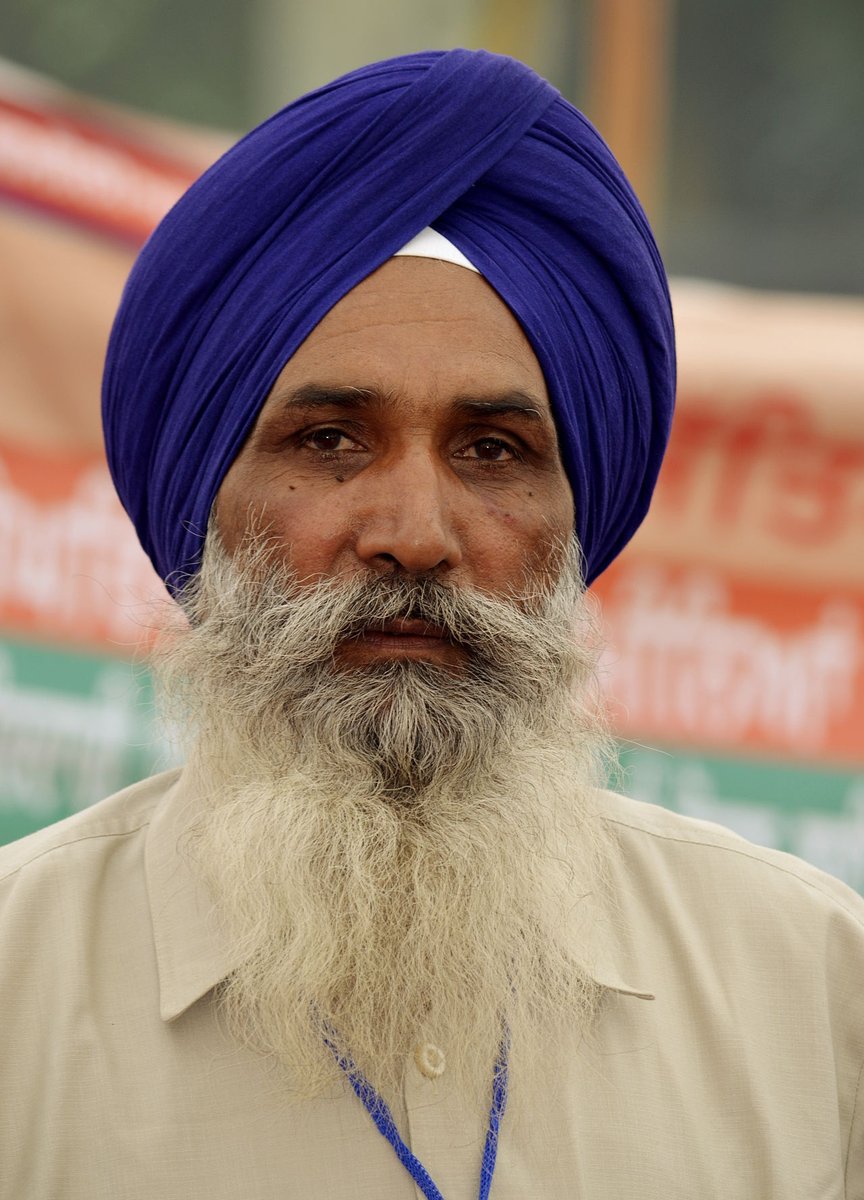
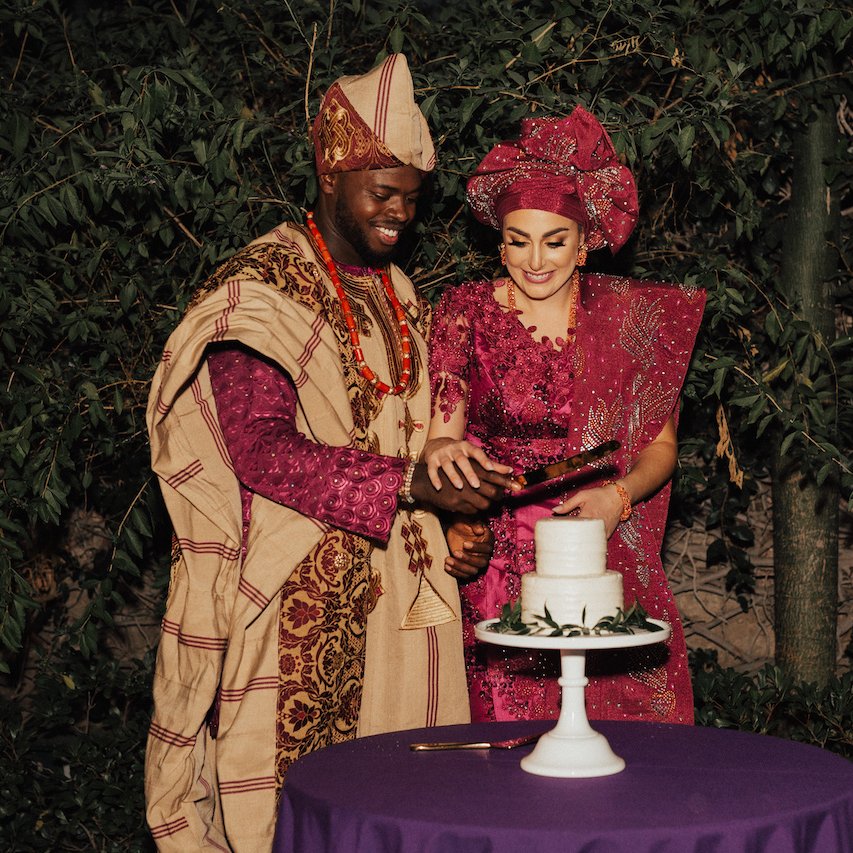
Although clothes are often trivialized, I think they're important to culture. They're a way for us to signal our belonging to groups and our individuality within them. Modes of dress are often tied to cultural identity and practice.
3
Second, while history has themes, the specificities of our fights today are not identical our fights in the past. Ironically, images hailed as "traditional" often hold within them stories about social cleavages and prejudices long forgotten (e.g., Catholic churches).
4
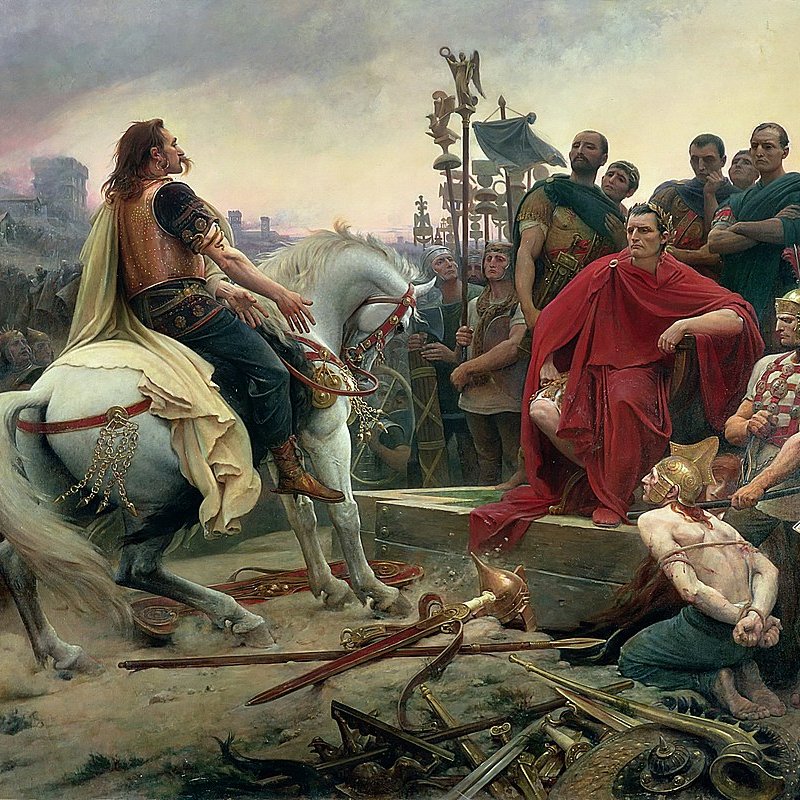
Fights in the past can sound downright bizarre to the modern ear. In the 19th century, Arthur de Gobineau believed the Aryan race would one day be tragically “contaminated” through its contact with the Latins, the Gauls, and other "lower orders." No one believes that now.

5
Third, what we view as "traditional Western culture" today is not purely native. It's the product of hundreds of years of globalization, international trade, and migration.
Images below: Scottish Highland family migrating to New Zealand (1844); Mulberry Street, NYC (1900)
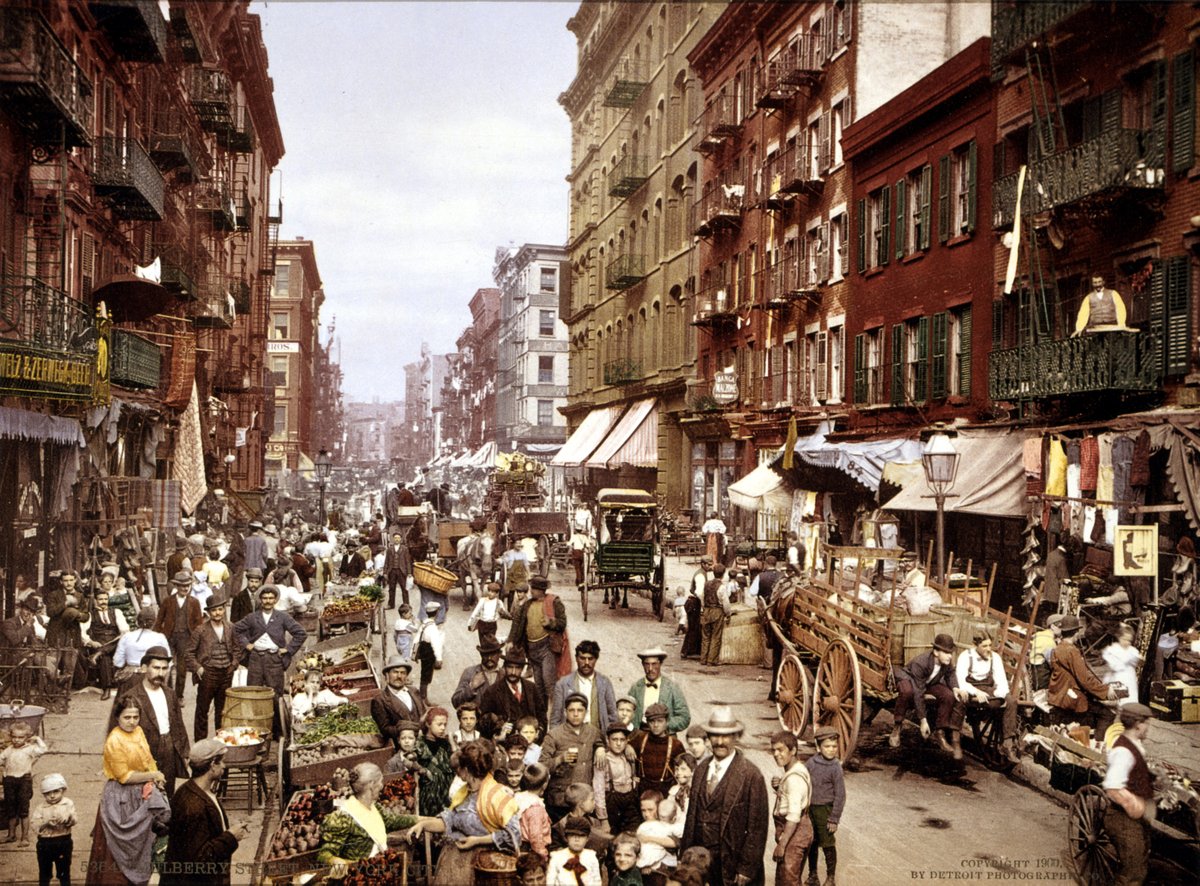
Images below: Scottish Highland family migrating to New Zealand (1844); Mulberry Street, NYC (1900)
6
There's no better example of this than 17th century England, when French Protestants escaping religious persecution started arriving in England in large numbers after King Charles II offered them sanctuary. Many of these immigrants, known as Huguenots, were silk weavers.

7
Initially, many native-born Londoners protested, as they worried Huguenots would spell the end of their textile jobs. But Huguenots ended up contributing to the industrial revolution and turned London's Spitalfields district into a major textile hub.


8
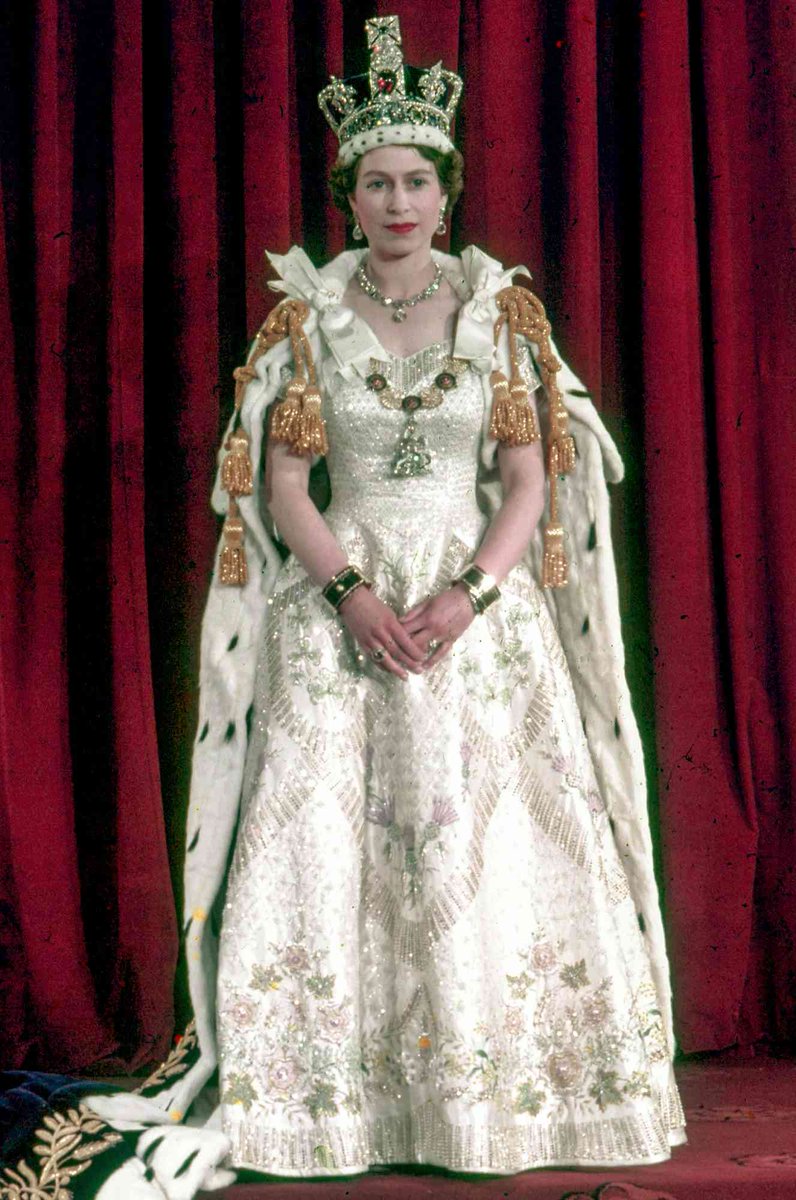
Much of what we consider as "traditional" English aesthetics and industry today, such as Macclesfield foulard ties worn by King Charles and the Sudbury silks that Queen Elizabeth II wore at her coronation, are only possible because King Charles II gave Huguenot immigrants refuge.

9
These contributions are not trivial. In the US, Brooks Brothers stands as the country's most important menswear clothier. They introduced men to sack suits, tweed sport coats, rep ties, Shetland knits, tassel loafers, madras, polo coats, and countless other things.

10
Any time an online "trad" posts a photo like the ones below and says "RETVRN," they're basically saying "return to an aesthetic that Brooks Brothers started." But when Henry Sands opened his store in 1818, he wasn't the one making the clothes. No, he employed German immigrants.


11
This is what many online trads miss. They only see traditional tailored clothing in the context of old marketing materials, like ancient insects preserved in amber. In this context, yes, the clothes can seem like strictly the purview of White Anglo Saxon Protestants (WASPs).

12
But the people who made the clothes were not WASPs. They were members of earlier waves of immigration—first German, then Jewish, then Italian, and in more recent decades, people of Latino, Asian, and Afro-Caribbean descent.

13
J. Press, one of the most important Ivy clothiers, was founded by a Latvian immigrant who eschewed rabbinical studies to work for Goldbaum Tailors. And JFK's tailor? A Jewish man who got his start at J. Press. What you think of as strictly WASP style is actually multicultural.


14
Years ago, I interviewed the manager of Southwick, one of the few remaining US suit factories before its closure. He said the factory sometimes felt like the United Nations because you could hear so many languages being spoken on the factory floor.


15
The same is true abroad. Most Aran sweaters are produced in a low-cost country, imported into Ireland, and slapped with a "made in Ireland" label. If you want a "true" Aran knit, you have to turn to a company such as Inis Meain, who produces Aran knits on one of the Aran Islands.


16
However, if you go to their factory, it's not like you only see white Irish workers. Included are Filipino women—long-time residents of Inishmaan married to islander brothers. These skilled workers are helping to preserve an important craft for people who love traditional style.


17
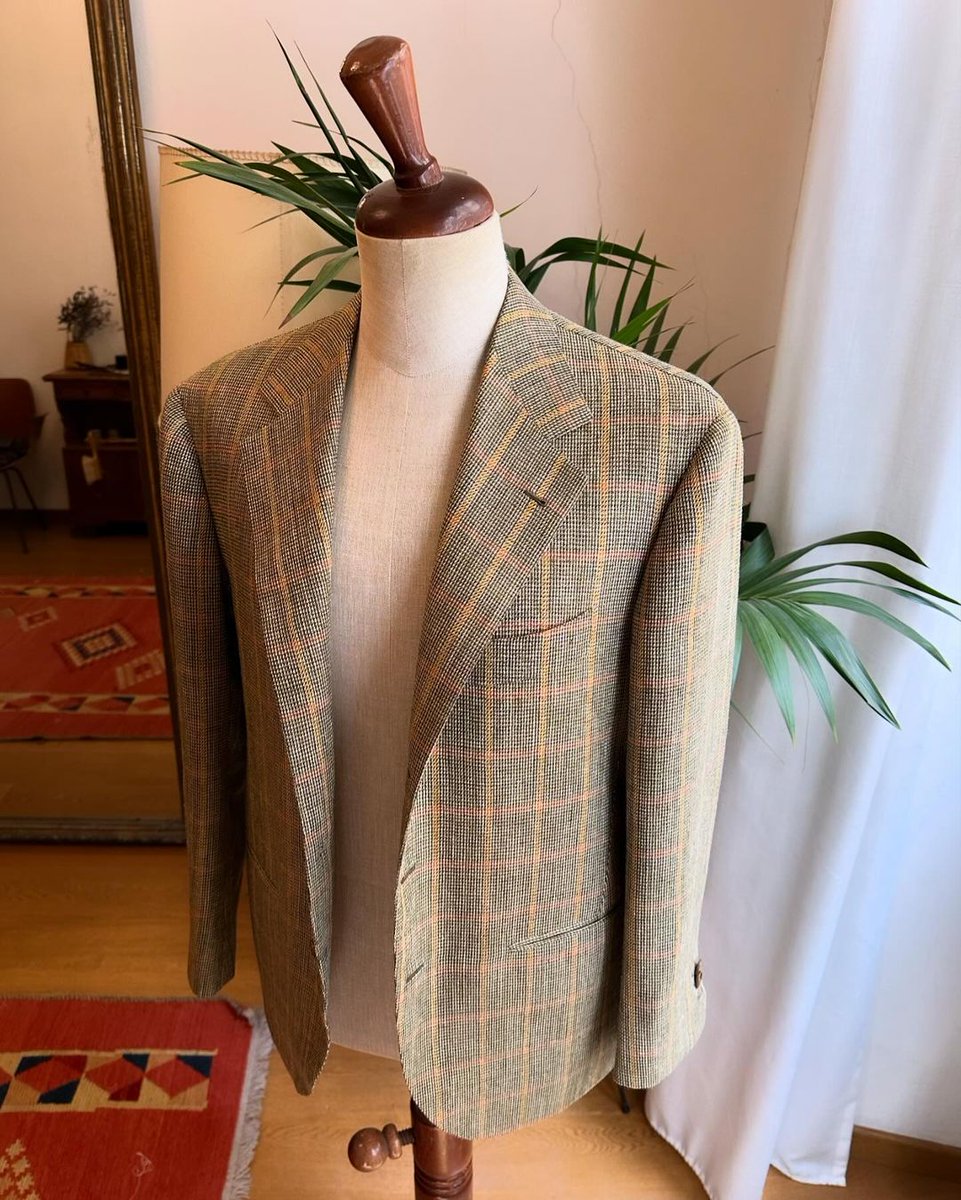
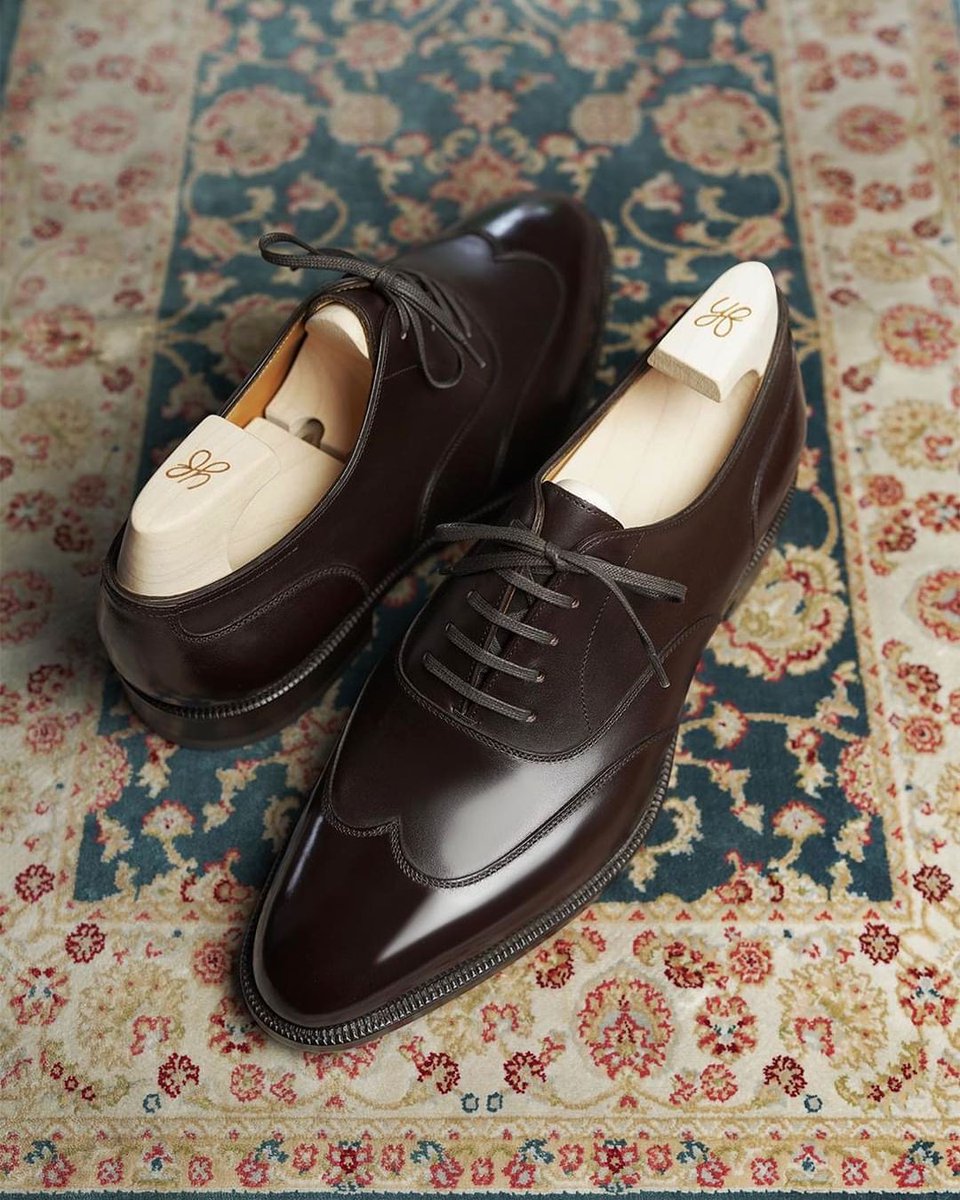
On the highest tier of craft, there are countless bespoke tailors and shoemakers of Asian heritage who immigrated to England and Italy to apprentice under master tailors and shoemakers. Some stayed in those countries to work; others went back to Asia and started new businesses.


18
Such artisans include Yohei Fukuda (of his eponymous company), Kotaro Miyahira (Corcos), Noriyuki Ueki (Ciccio), Yusuche Ono (Anglofilo), Noriyuki Higashi (Raffaniello), Hojun Choi (Sartoria Salabianca), and Zhang Xiao (also operating under her own name).
19
The reason why this is important is bc master tailors and shoemakers in England and Italy are not getting enough apprentices from people in their own countries. Without foreign apprentices, these traditional crafts are at risk of disappearing. From the film "Men of the Cloth"
20
It's a bitter irony that the people who most loudly blame immigrants for the death of Western traditions and culture are themselves not terribly faithful observers of said traditions and culture. Most are ignorant of the very history they wish to preserve.


21
How do we benefit from immigrants, whether from Africa or elsewhere? The answer is that they contribute to the preservation of traditional culture, industry, and craft, as well as contribute things that may be considered traditional 100 years later.

22
As an Asian immigrant, I'd like to think that I'm also helping preserve a section of traditional Western culture that I love (namely Western men's tailoring) by spreading awareness of meaningless, arcane mid-century rules that no one follows or cares about.

23
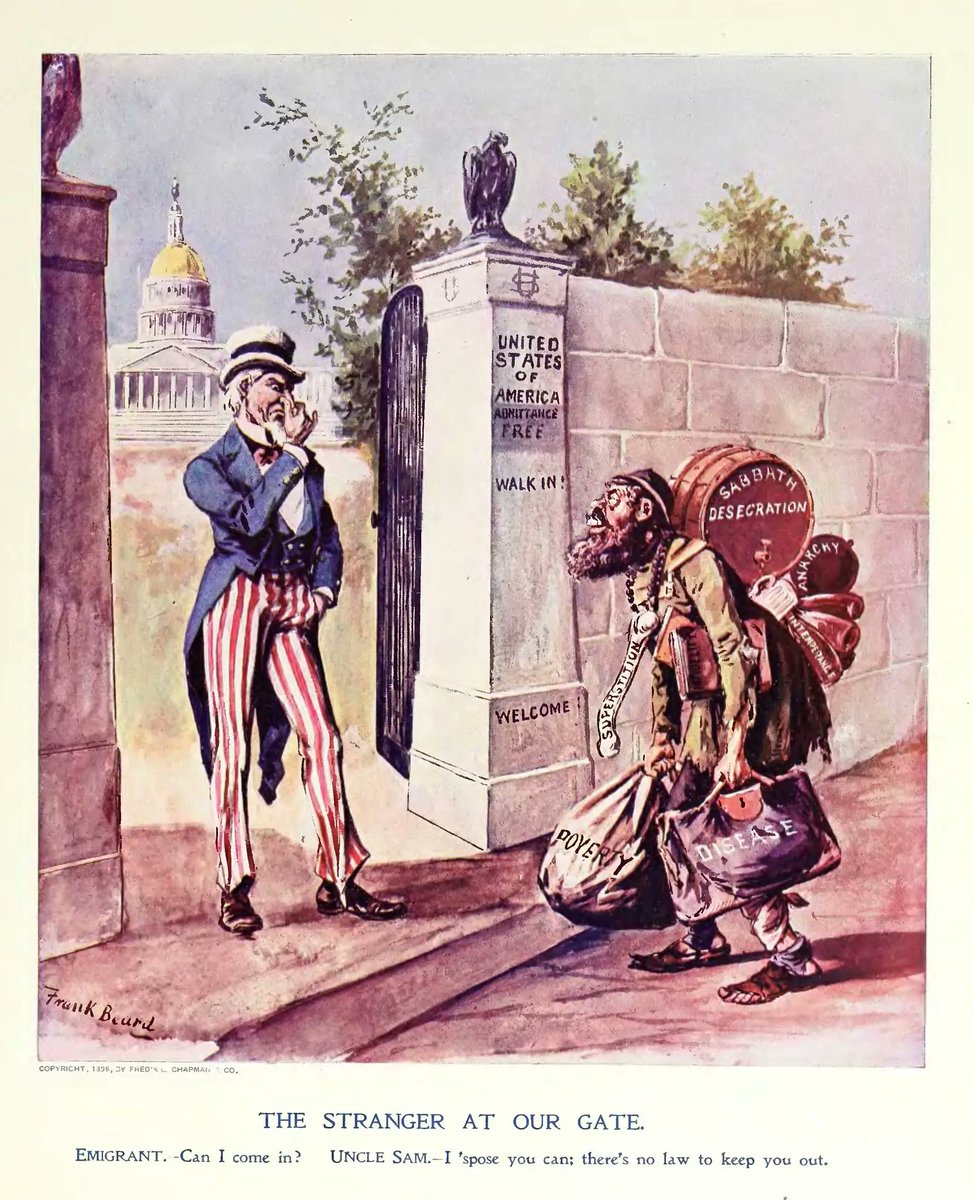
Today's anti-immigration rhetoric is neither new nor proportional to immigration numbers. They've been hurled at Catholics, Jews, and Muslims; Germans, Irish, and Italians; Asians, Africans, and Latinos. Self-serving politicians often exploit social cleavages for their own gain.
24
The idea that immigrants destroy Western culture ignores how such culture emerged in the first place, and the ways in which many non-white people (immigrant and native born alike) work to preserve such culture even if their contributions are hidden and not widely recognized.

25
you wanted to deport third world immigrants so i deported one from your feed 🤷♂️