@culturaltutor: Why does our world look the wa...
@culturaltutor
55 views
Jan 23, 2024
1
Why does our world look the way it does?
Because of the most influential design school in history: the Bauhaus.
From fonts to furniture, this is how Bauhaus created the aesthetic of the modern world...
Because of the most influential design school in history: the Bauhaus.
From fonts to furniture, this is how Bauhaus created the aesthetic of the modern world...
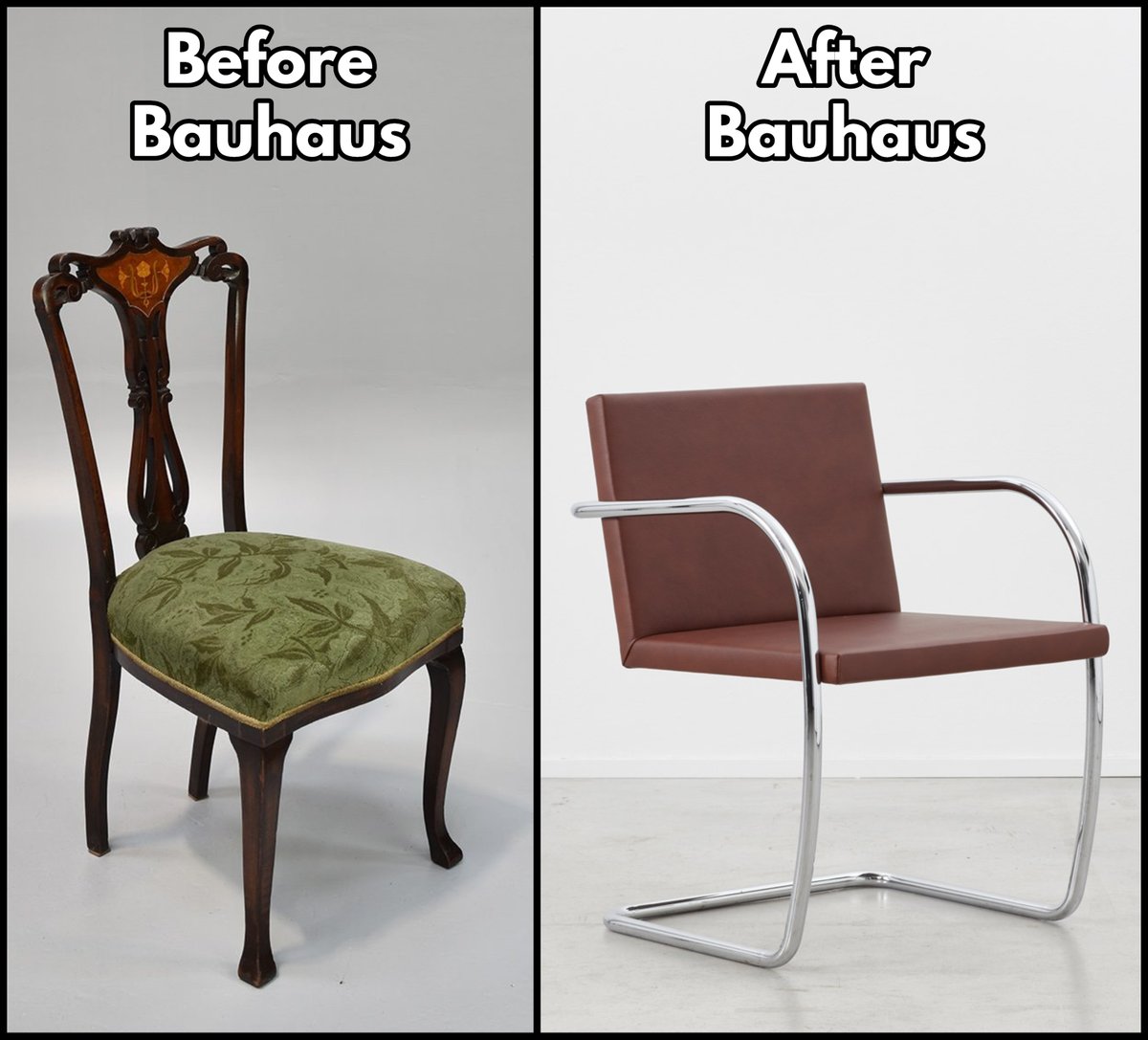
2
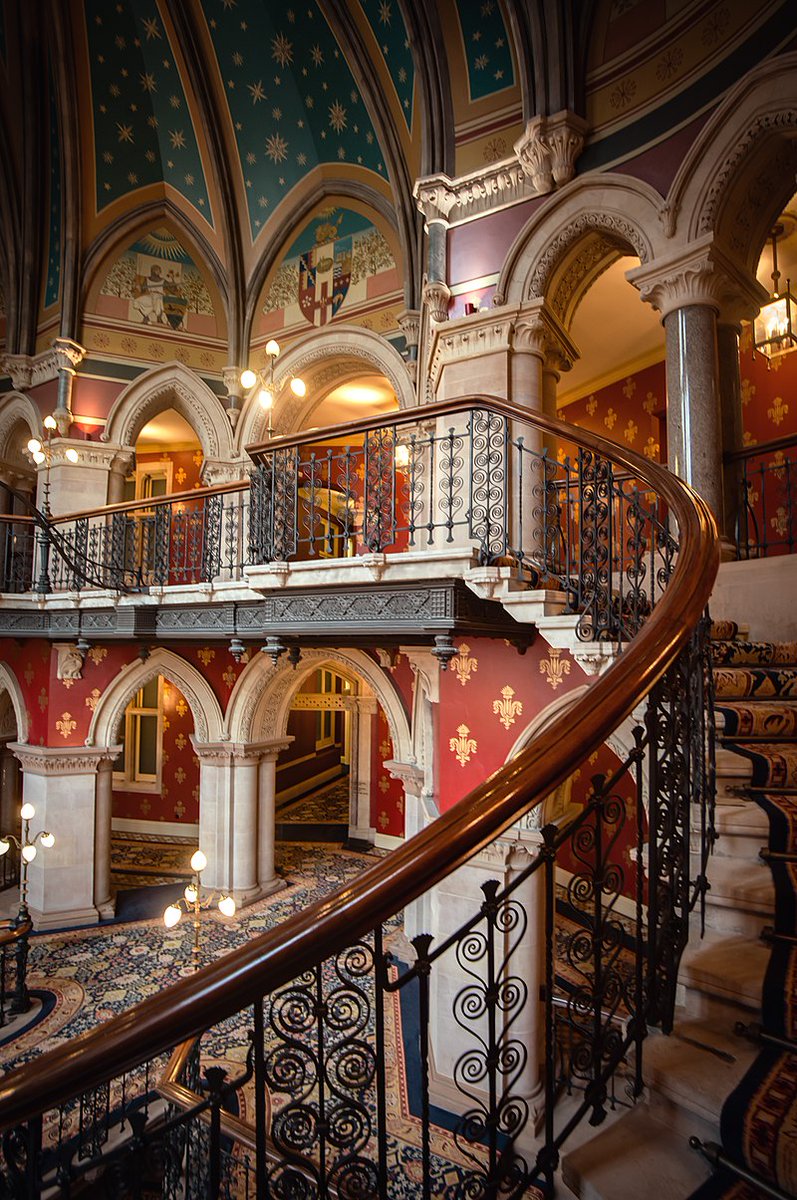
In the 19th century architecture, art, and design were all about the past.
This was the age of "Revivalism", where everything was built or designed in historical styles.
And it was also a maximalist age: decoration, detail, colour, and ornamentation were in fashion.
This was the age of "Revivalism", where everything was built or designed in historical styles.
And it was also a maximalist age: decoration, detail, colour, and ornamentation were in fashion.
3
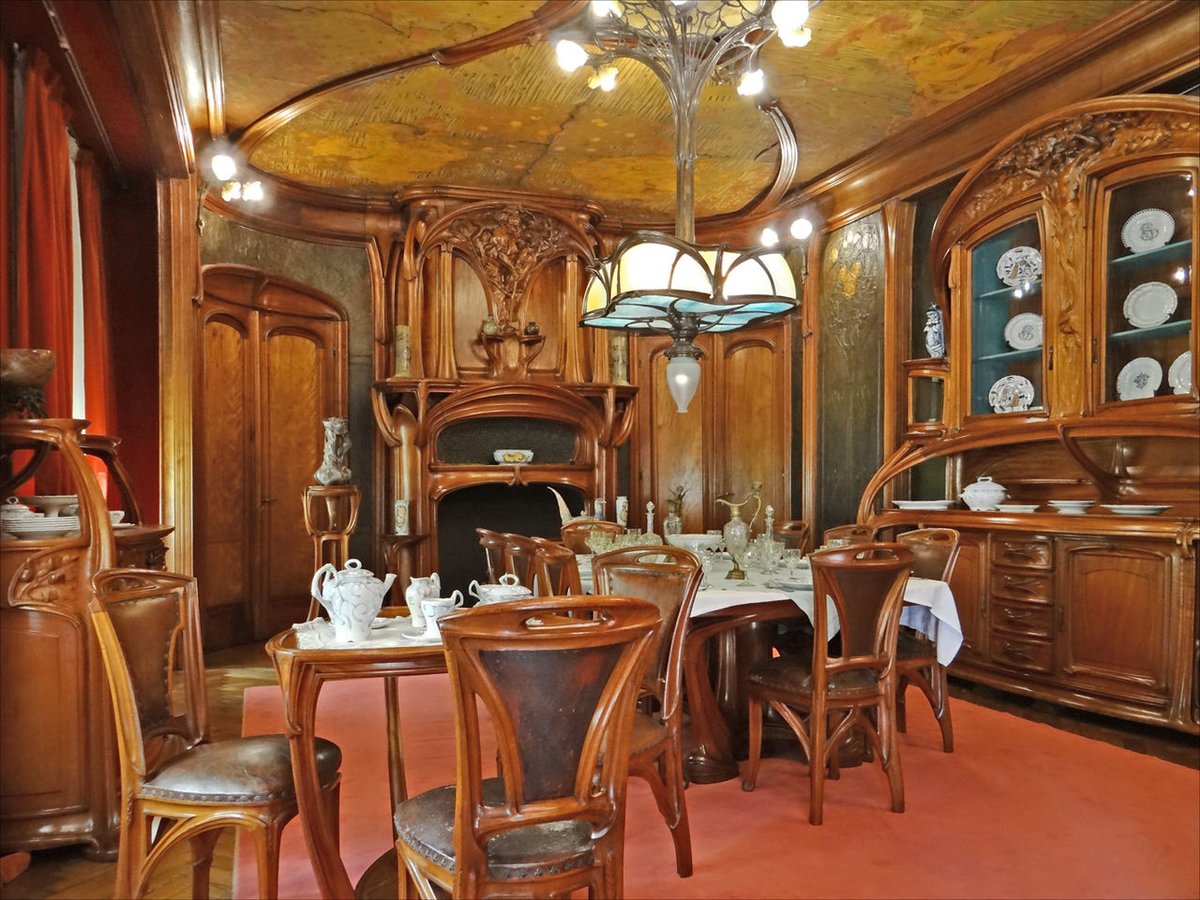
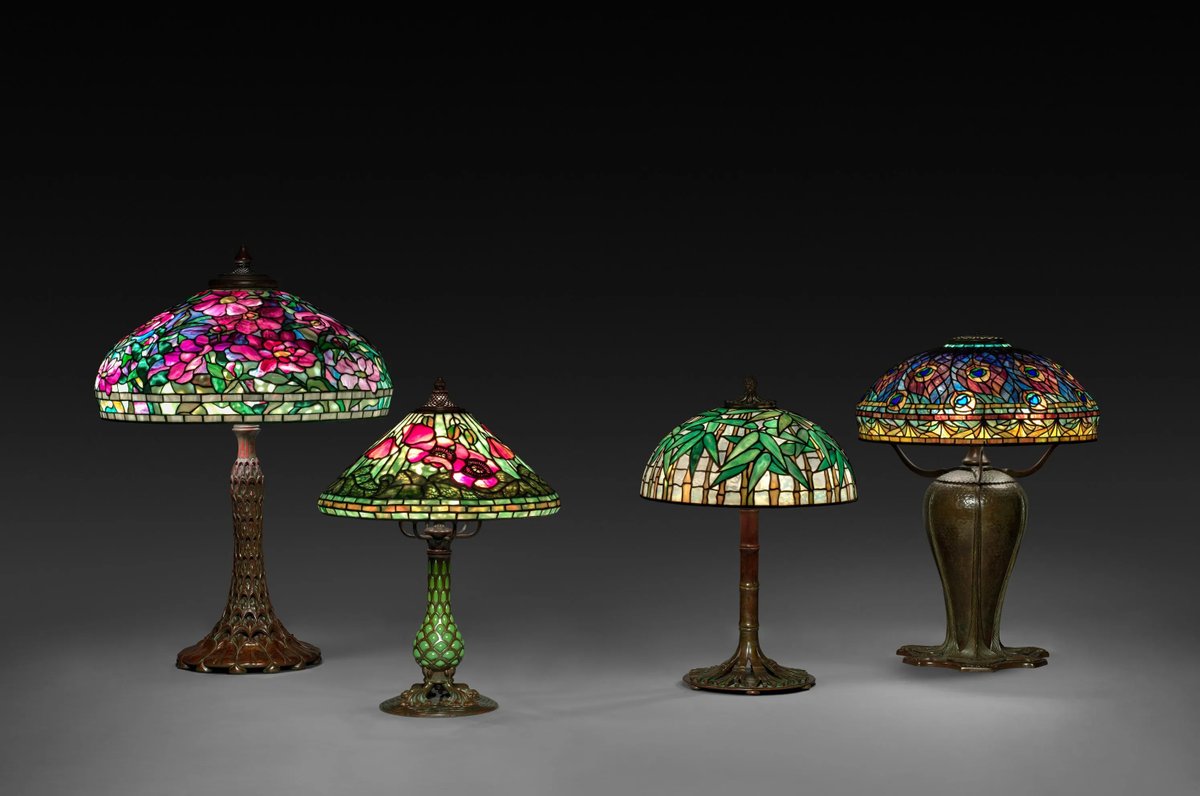
The first revolt against Revivalism was Art Nouveau — literally "New Art" in French.
It emerged in Belgium in the 1890s and quickly took over the world.
This was a new style not chained to the past, a luxurious aesthetic of flowing lines and natural forms.
It emerged in Belgium in the 1890s and quickly took over the world.
This was a new style not chained to the past, a luxurious aesthetic of flowing lines and natural forms.

4
But by the end of the First World War Art Nouveau was exhausted.
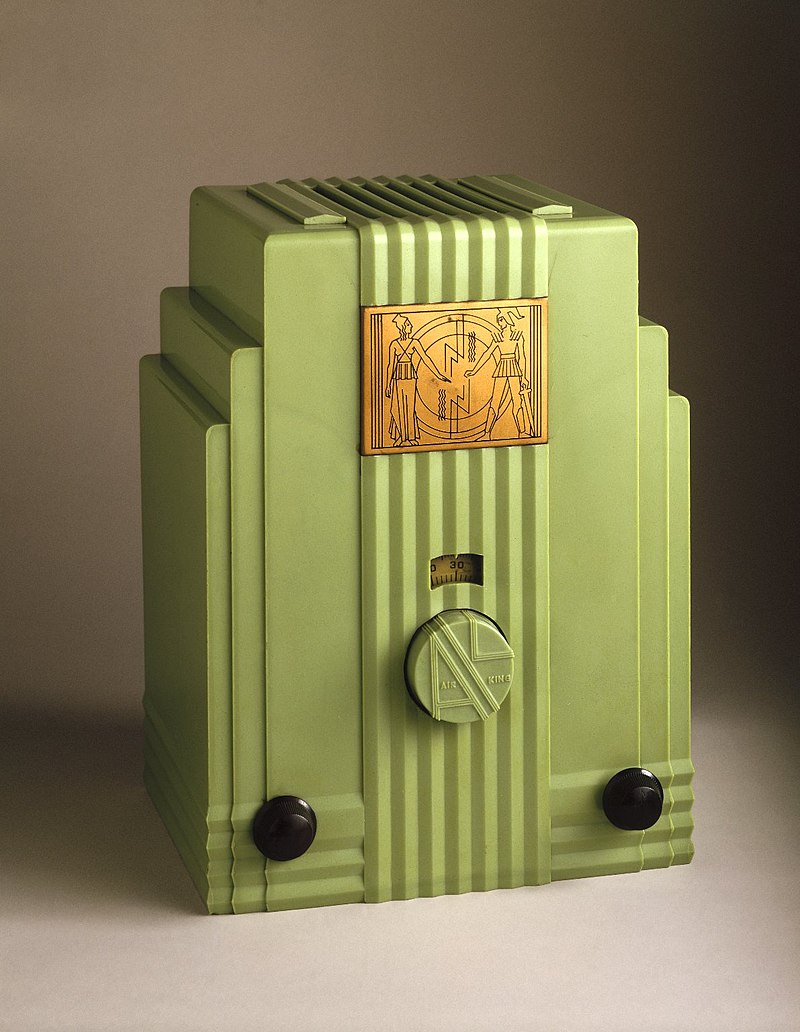
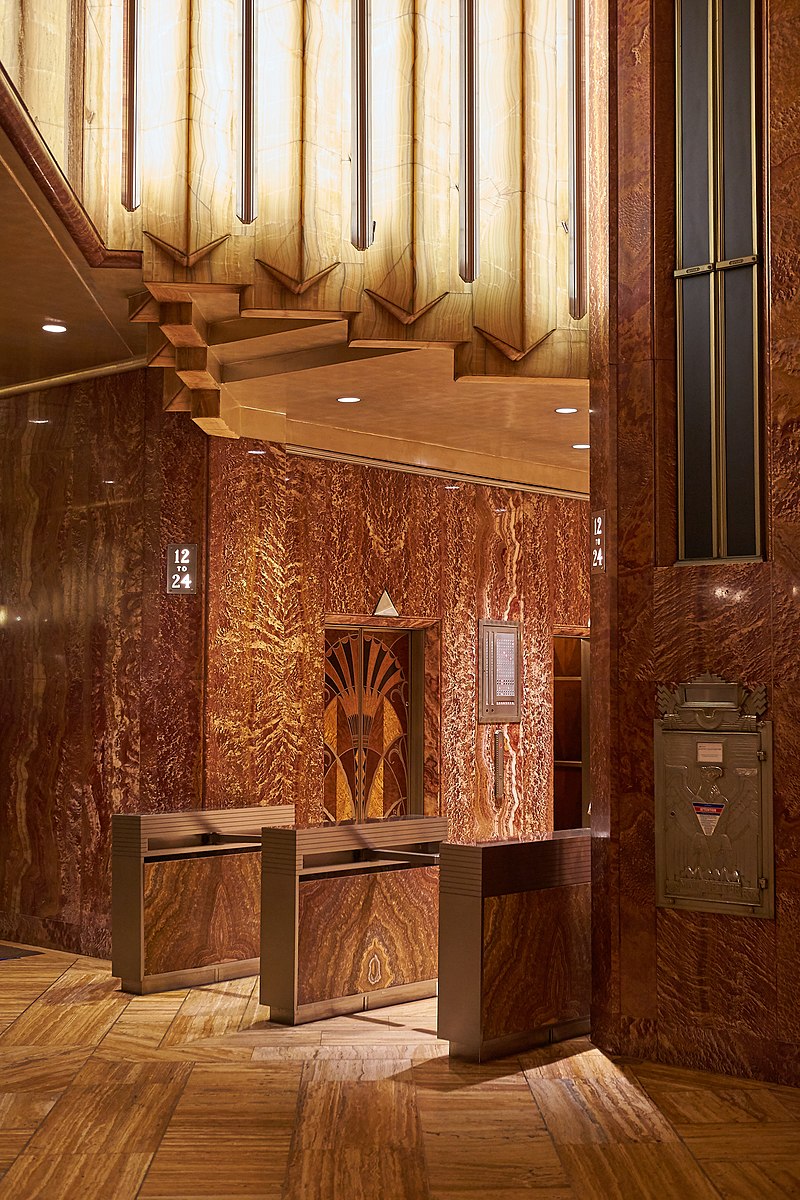
And a new movement rose up to take its place: Art Deco.
Gone were the flowing curves. This was an aesthetic of straight lines, bold angles, and machine-like geometry — futuristic, decadent, dramatic, exciting.
And a new movement rose up to take its place: Art Deco.
Gone were the flowing curves. This was an aesthetic of straight lines, bold angles, and machine-like geometry — futuristic, decadent, dramatic, exciting.
5
But the days of Art Deco were numbered.
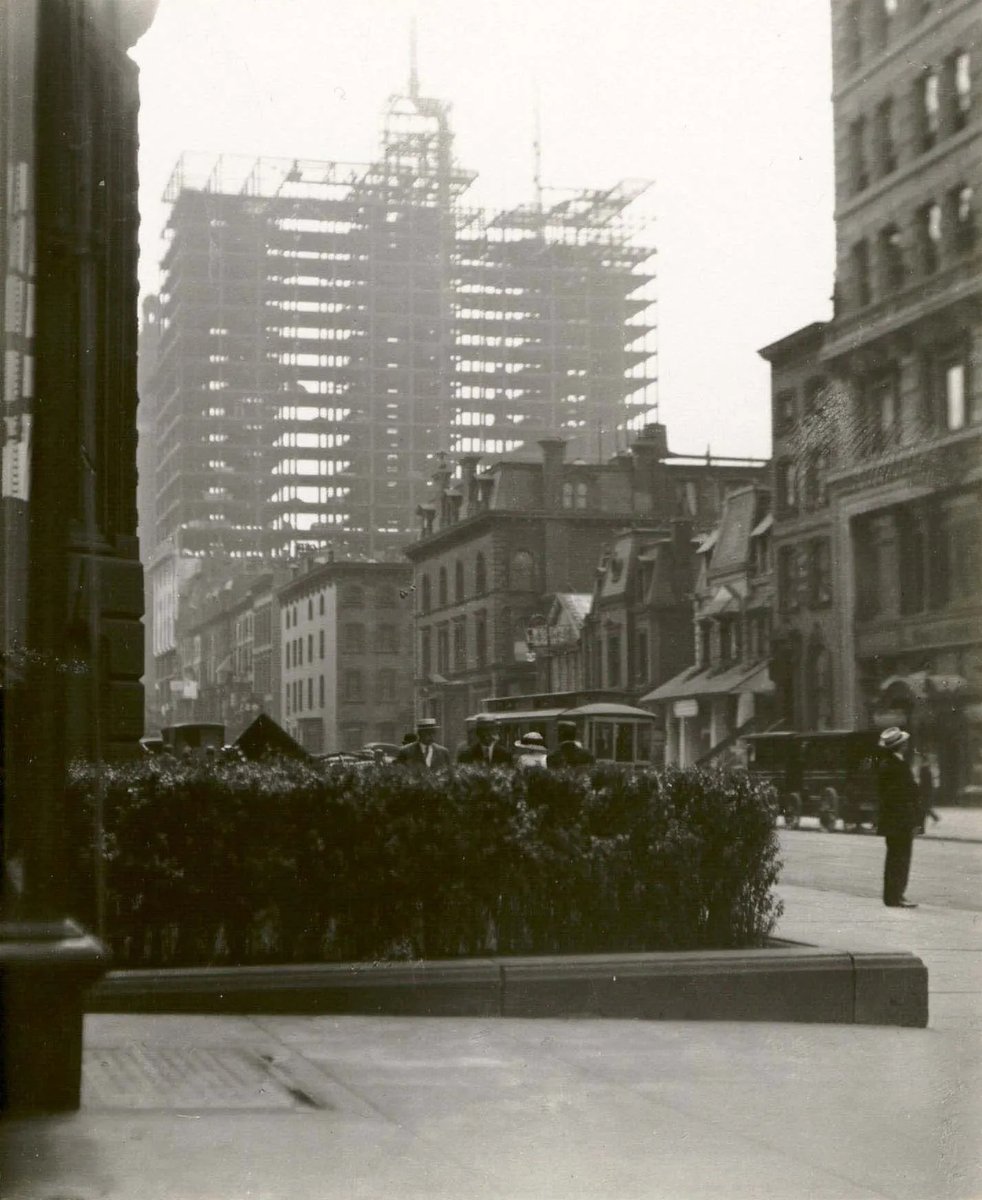
The world was changing: industrialisation, globalisation, rising population, and constant new inventions... electricity, cars, radio, cinema, reinforced conrete, and much more.
Could the old ways of design adapt to this new world?
The world was changing: industrialisation, globalisation, rising population, and constant new inventions... electricity, cars, radio, cinema, reinforced conrete, and much more.
Could the old ways of design adapt to this new world?
6
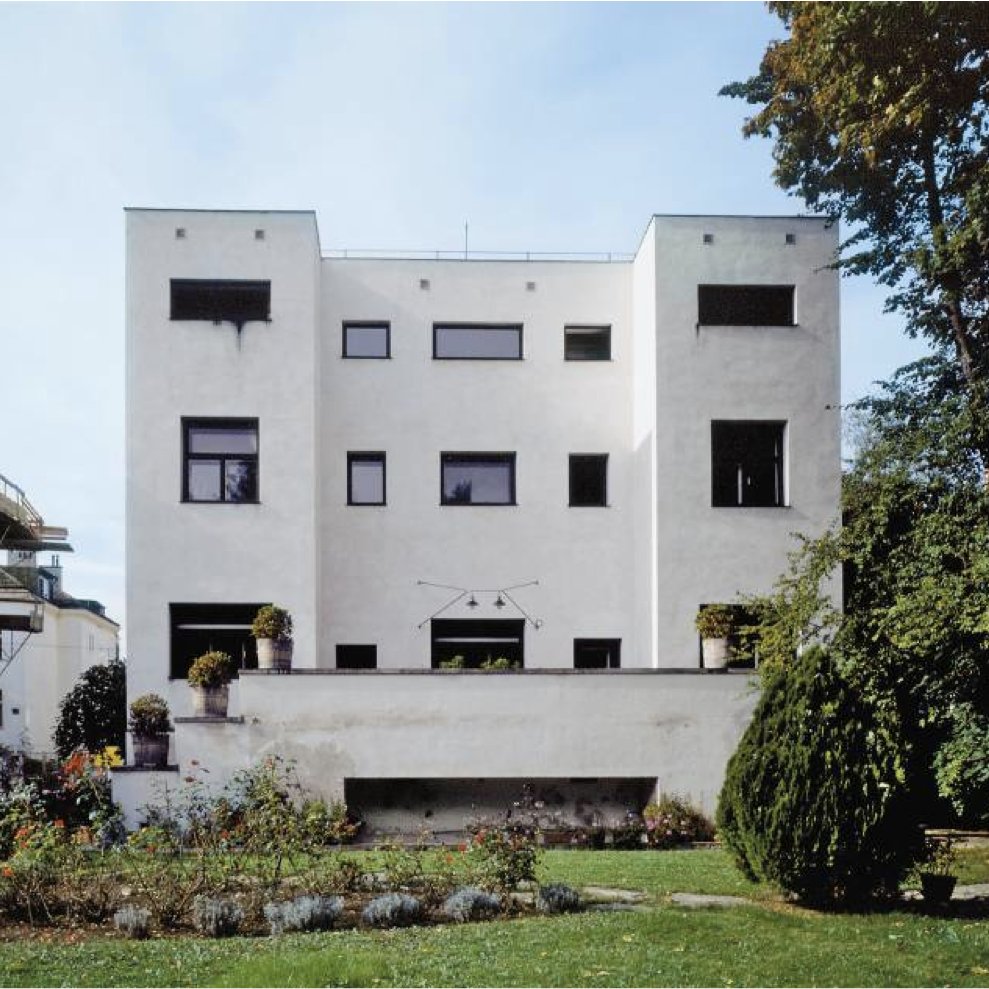
We go back to the early 1900s. A radical architect called Adolf Loos is ruffling feathers in Vienna.
Because he is designing buildings without any ornamentation whatsoever: absolutely clean and stripped back.
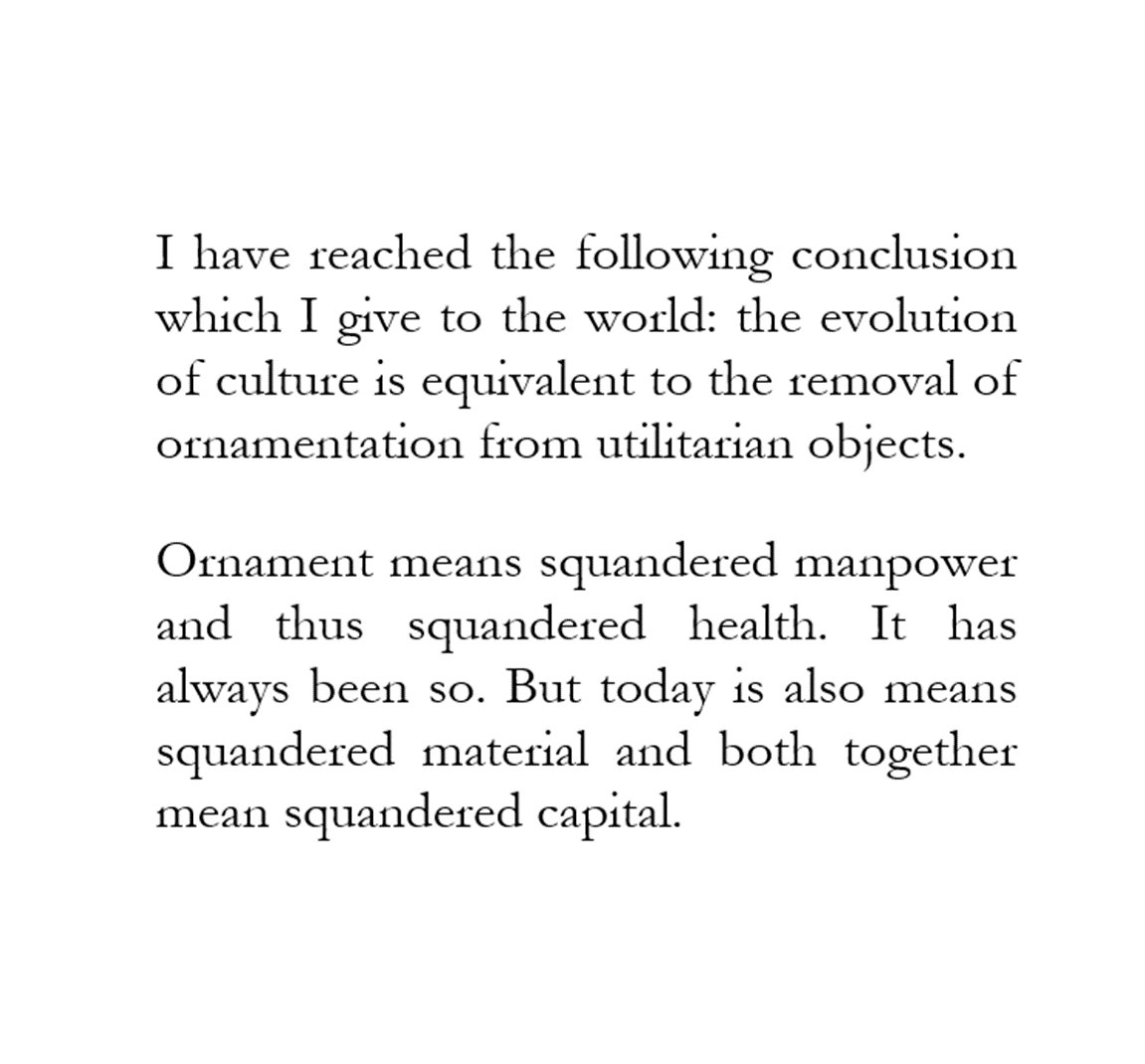
He delivers a lecture called "Ornament and Crime", and says this:
Because he is designing buildings without any ornamentation whatsoever: absolutely clean and stripped back.
He delivers a lecture called "Ornament and Crime", and says this:
7
Loos realised that new technology was dragging the world into an era of standardisation.
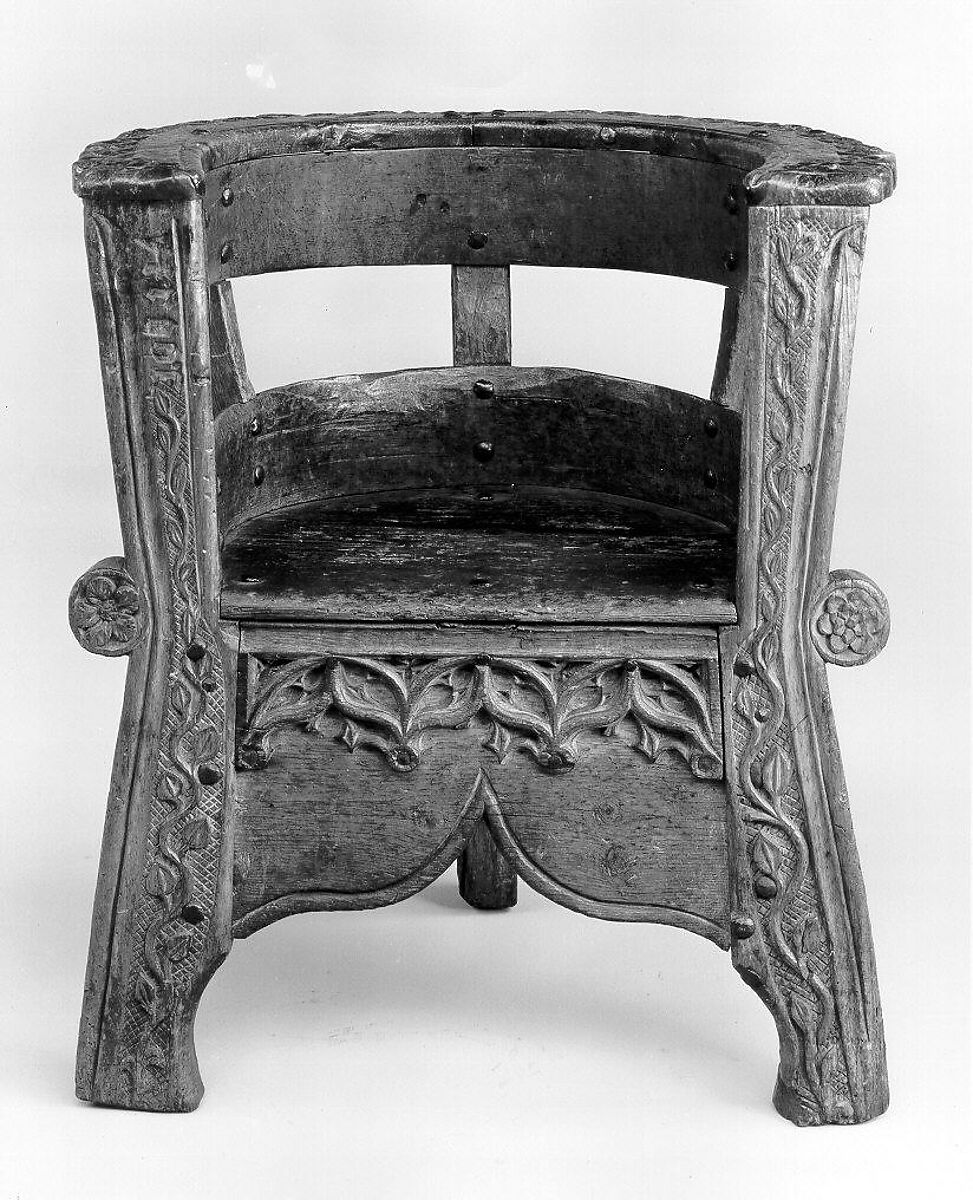
When people make things by hand they instinctively decorate them — and we had been making literally everything by hand since the dawn of civilisation.
The opposite of standardised.
When people make things by hand they instinctively decorate them — and we had been making literally everything by hand since the dawn of civilisation.
The opposite of standardised.
8
But this tradition was suited to a world of artisans and craftsmen, not one of machines.
In other words: Art Nouveau and Art Deco design were not suitable for mass-production.
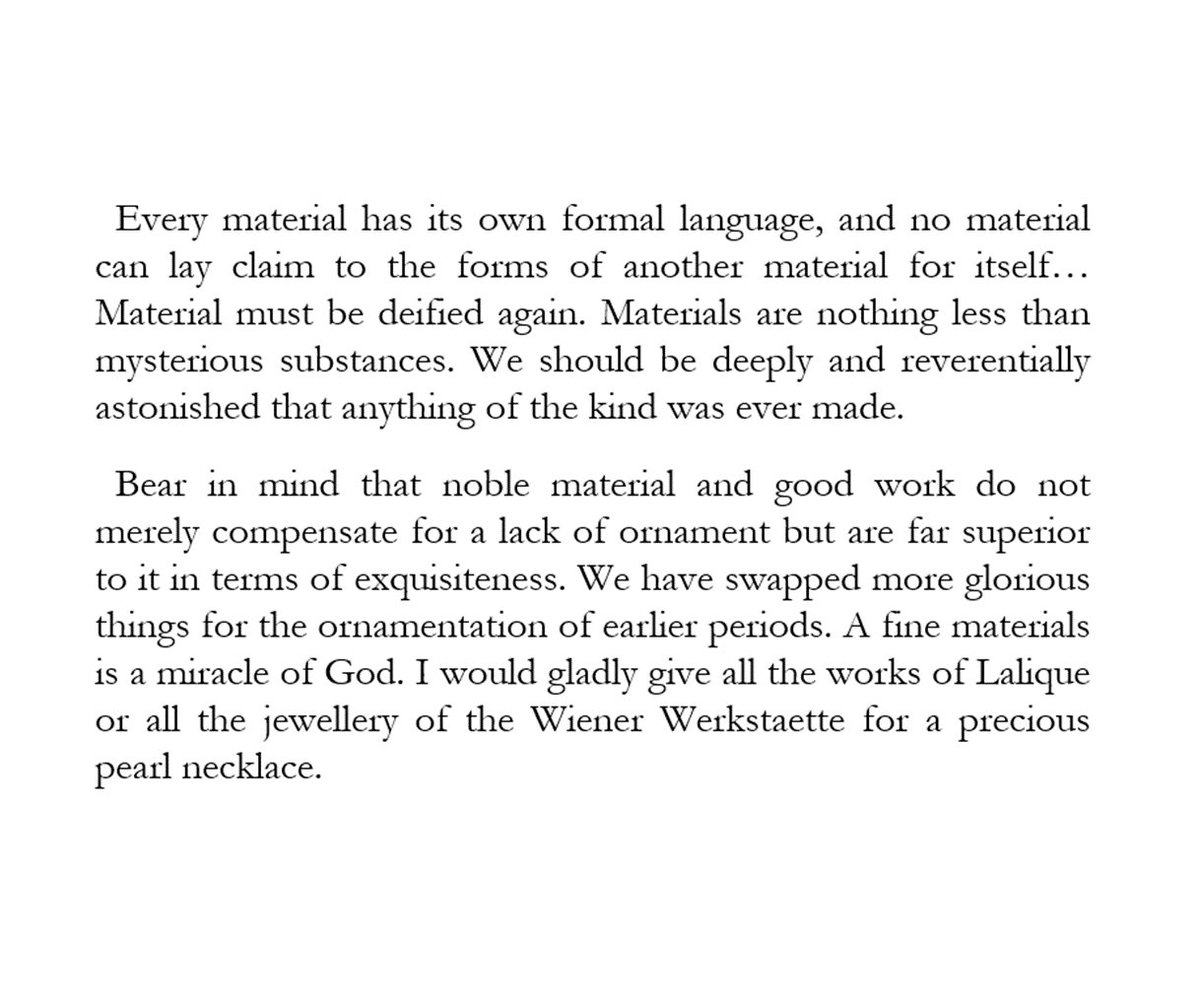
So Loos argued for the use of pure and unornamented materials instead.
In other words: Art Nouveau and Art Deco design were not suitable for mass-production.
So Loos argued for the use of pure and unornamented materials instead.
9
Loos influenced a generation of others who were, like him, anxious to find an aesthetic for the Industrial World.
One of them was Le Corbusier, who would go on to become the most influential architect of the 20th century.
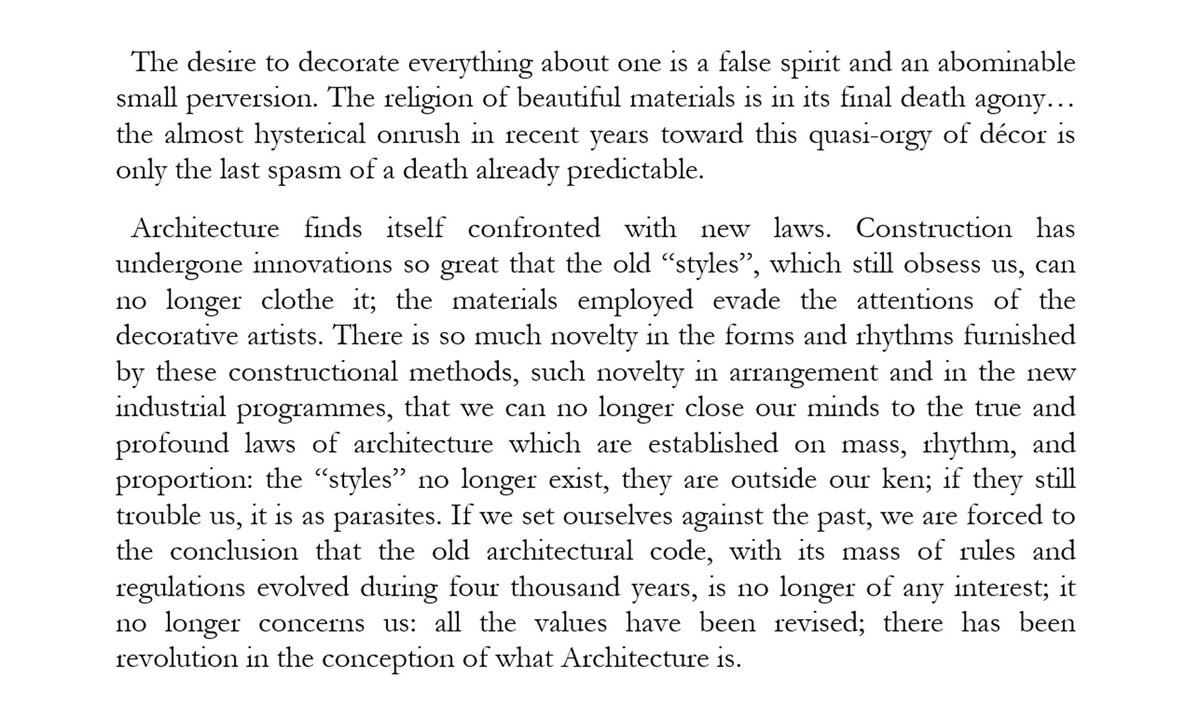
He had this to say about Art Deco...
One of them was Le Corbusier, who would go on to become the most influential architect of the 20th century.
He had this to say about Art Deco...
10
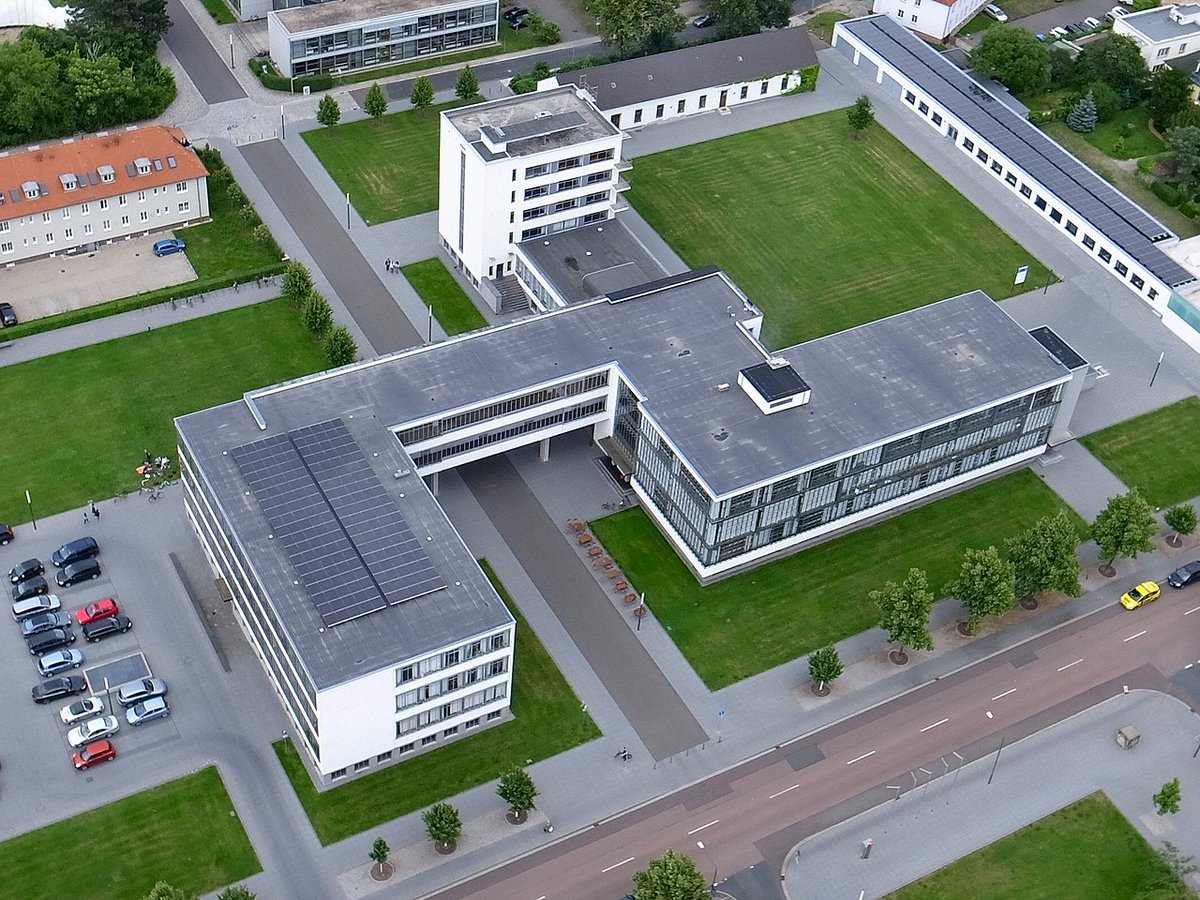
And there was also the Bauhaus, a school of design set up in Germany in 1919.
Walter Gropius was its leader and other members included the likes of Ludwig Mies van der Rohe and Marcel Breuer.
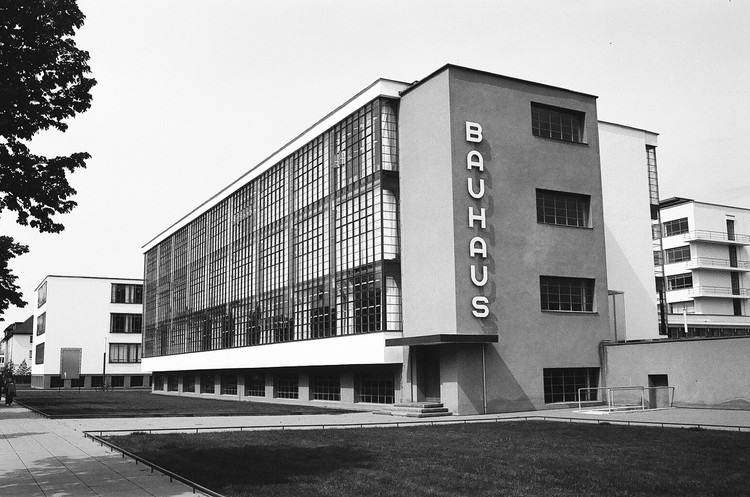
Their campus in Dessau, designed by Gropius and opened in 1926, tells you everything.
Walter Gropius was its leader and other members included the likes of Ludwig Mies van der Rohe and Marcel Breuer.
Their campus in Dessau, designed by Gropius and opened in 1926, tells you everything.
11
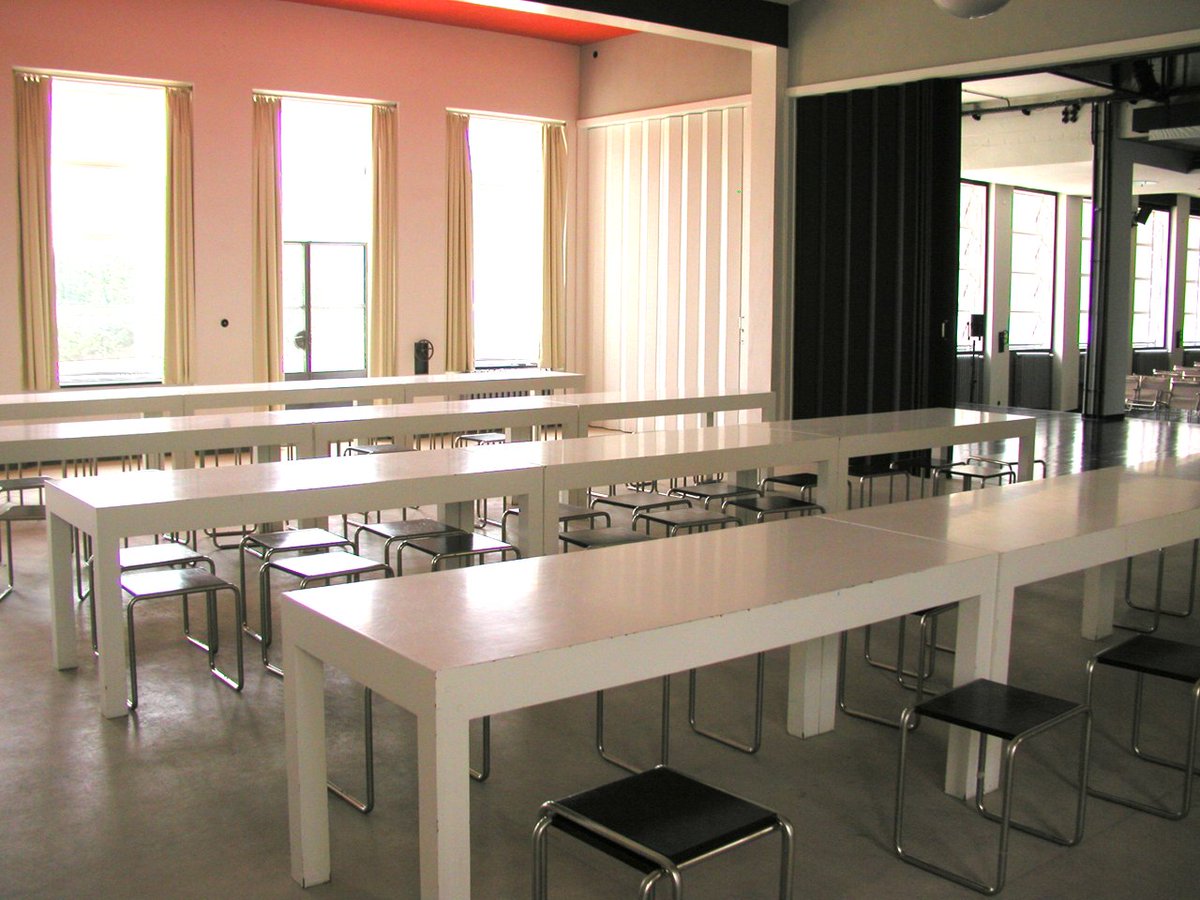
Their goal was to find an aesthetic suited to mass-production and standardisation, not only in architecture but across all elements of design, from furniture to fonts.
Thus they used steel, plastic, and board instead of the stained glass, bronze, and hardwood of Nouveau or Deco.
Thus they used steel, plastic, and board instead of the stained glass, bronze, and hardwood of Nouveau or Deco.
12
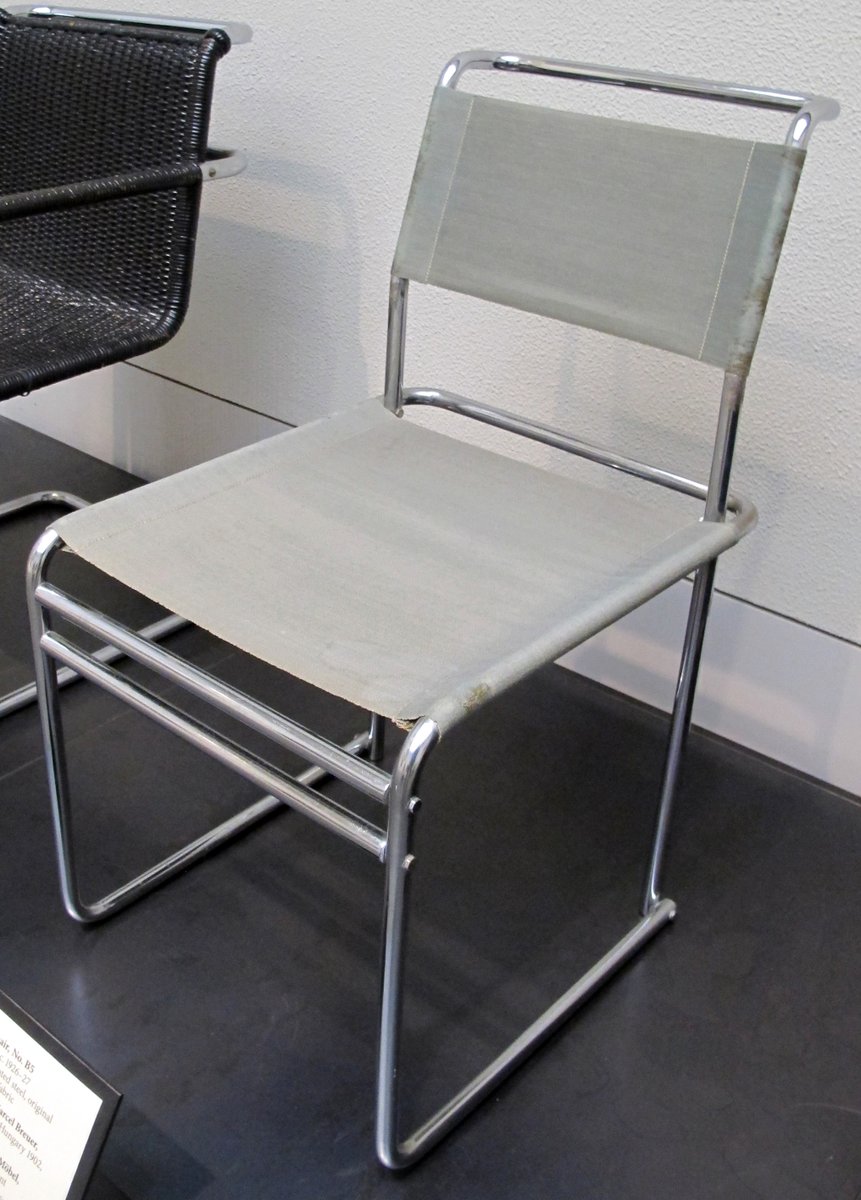
There was beauty in clean surfaces and unornamented materials, as Loos had said, and the Bauhaus proved it.
They created simple and functional objects with tubular steel, board, and plastic, whether chairs or lamps or chess sets.
They created simple and functional objects with tubular steel, board, and plastic, whether chairs or lamps or chess sets.

13
The world is now filled with minimalism, plastic, and chrome... but once upon a time it wasn't.
Something like this doorhandle, designed by Walter Gropius, looks like our standard modern aesthetic, but at the time this sort of thing was, strange as it sounds, revolutionary.
Something like this doorhandle, designed by Walter Gropius, looks like our standard modern aesthetic, but at the time this sort of thing was, strange as it sounds, revolutionary.

14
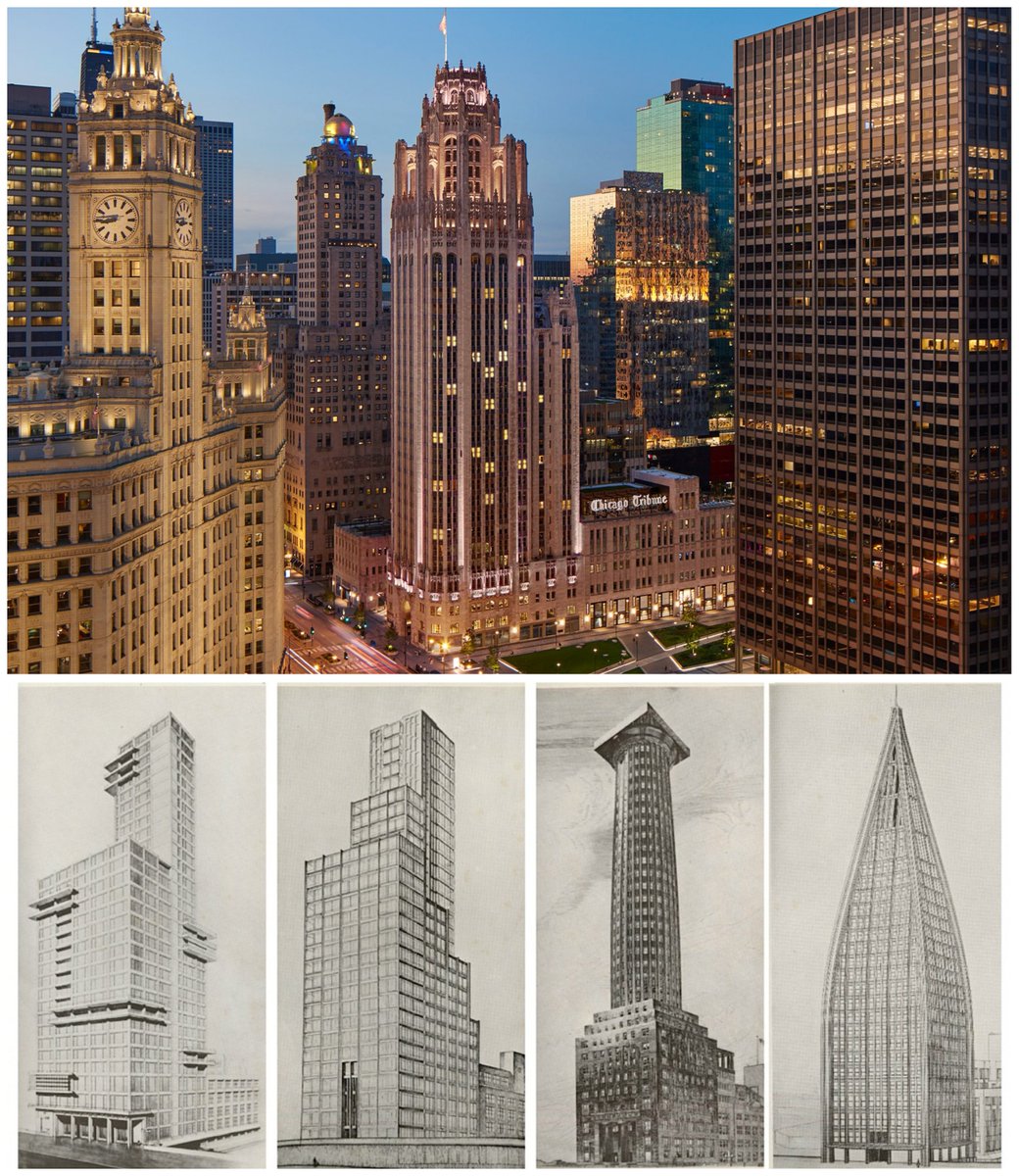
In 1922 an international competition was held to design the Tribune Tower in Chicago.
A Neo-Gothic design by Raymond Hood won; a sign of the times.
But you need only look at designs submitted by Loos, Gropius, and several other aspiring modernists, for a sign of things to come.
A Neo-Gothic design by Raymond Hood won; a sign of the times.
But you need only look at designs submitted by Loos, Gropius, and several other aspiring modernists, for a sign of things to come.
15
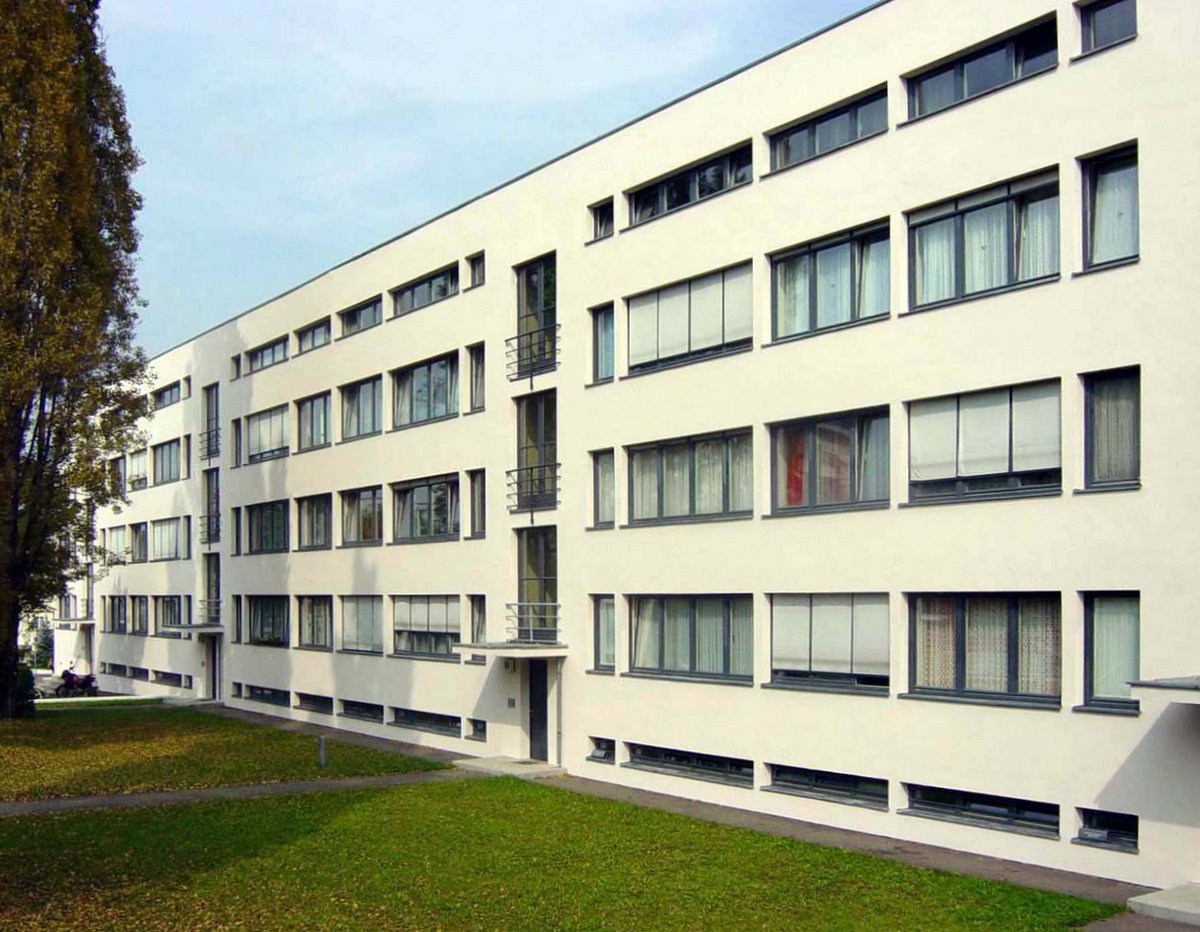
The first architectural test of this movement was an exhibition in Stuttgart in 1927.
Its goal was to show that modern architecture could provide cheap, healthy, and high quality housing for workers.
Gropius and Breuer, along with Le Corbusier, designed houses for it.
Its goal was to show that modern architecture could provide cheap, healthy, and high quality housing for workers.
Gropius and Breuer, along with Le Corbusier, designed houses for it.
16
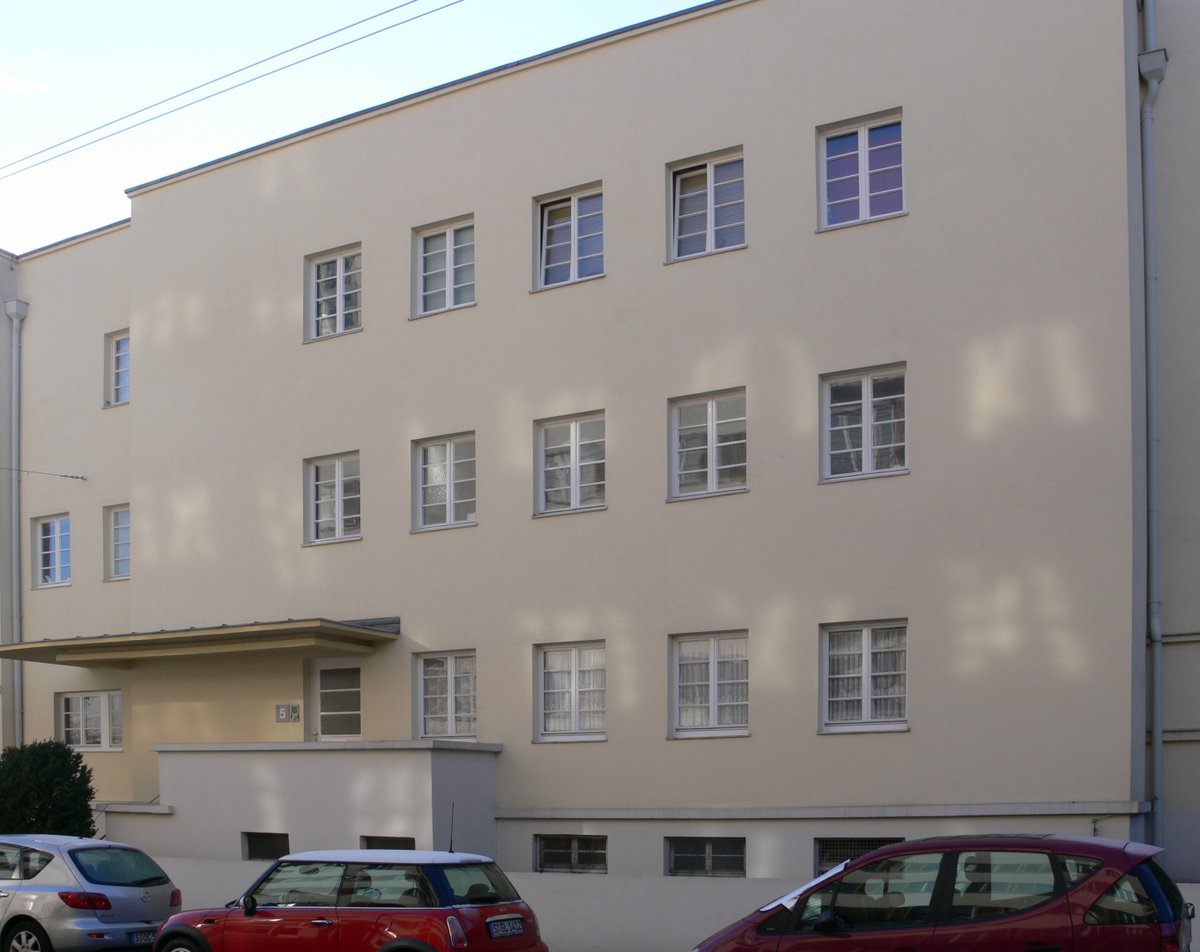
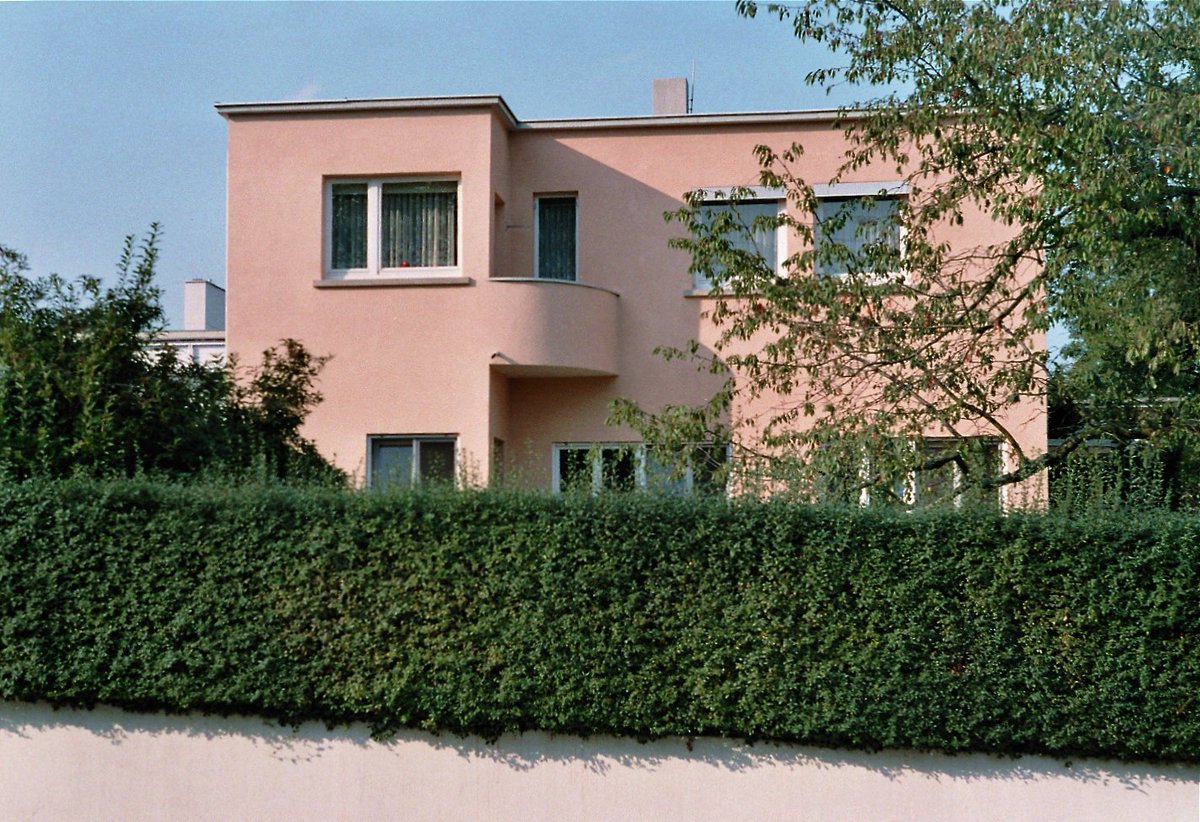
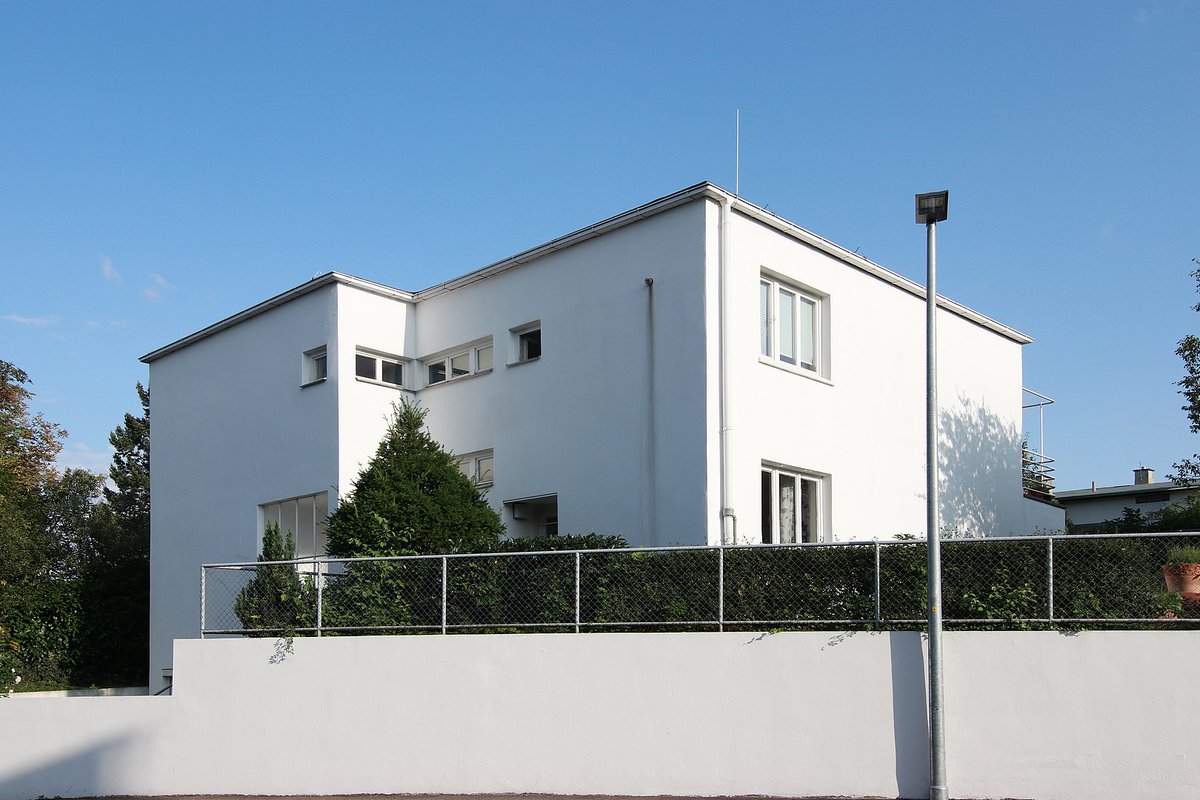
To us, in 2024, the Weissenhof Estate looks utterly ordinary — and that is precisely because Bauhaus was so influential.
But if they were outsiders and radicals in the 1920s, an age dominated by Art Deco and the final echoes of Revivalism, how did they change the world?
But if they were outsiders and radicals in the 1920s, an age dominated by Art Deco and the final echoes of Revivalism, how did they change the world?
17
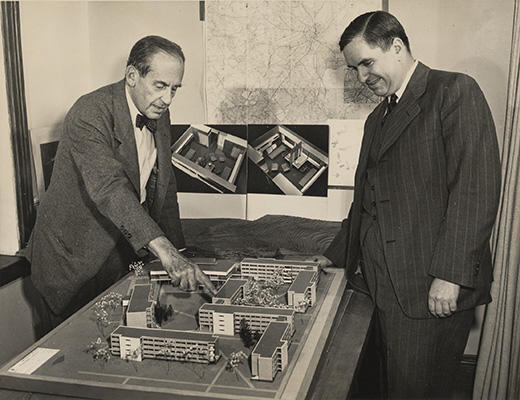
The flashpoint was WWII — and the rise of Nazism.
In 1933 the new Nazi regime shut down the Bauhaus, accusing them of degeneracy and communist leanings.
So they fled, taking their ideas with them, eventually arriving in the USA, where Gropius, Mies, and Breuer all settled.
In 1933 the new Nazi regime shut down the Bauhaus, accusing them of degeneracy and communist leanings.
So they fled, taking their ideas with them, eventually arriving in the USA, where Gropius, Mies, and Breuer all settled.
18
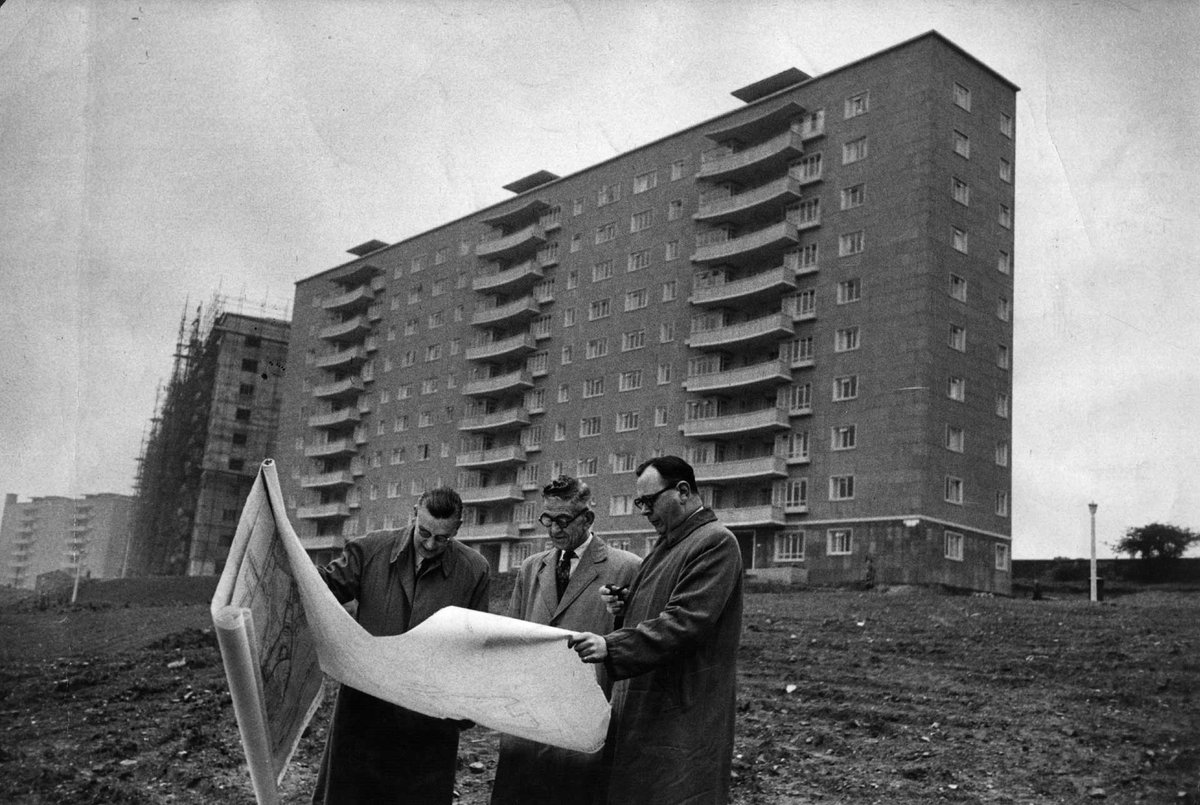
After the war the world needed both to rebuild and to accomodate the growing global population... but how?
Well, Bauhaus had already found a solution.
Using concrete and steel and glass, absolutely functional and unornamented, we could build quickly and cheaply and at scale.
Well, Bauhaus had already found a solution.
Using concrete and steel and glass, absolutely functional and unornamented, we could build quickly and cheaply and at scale.
19
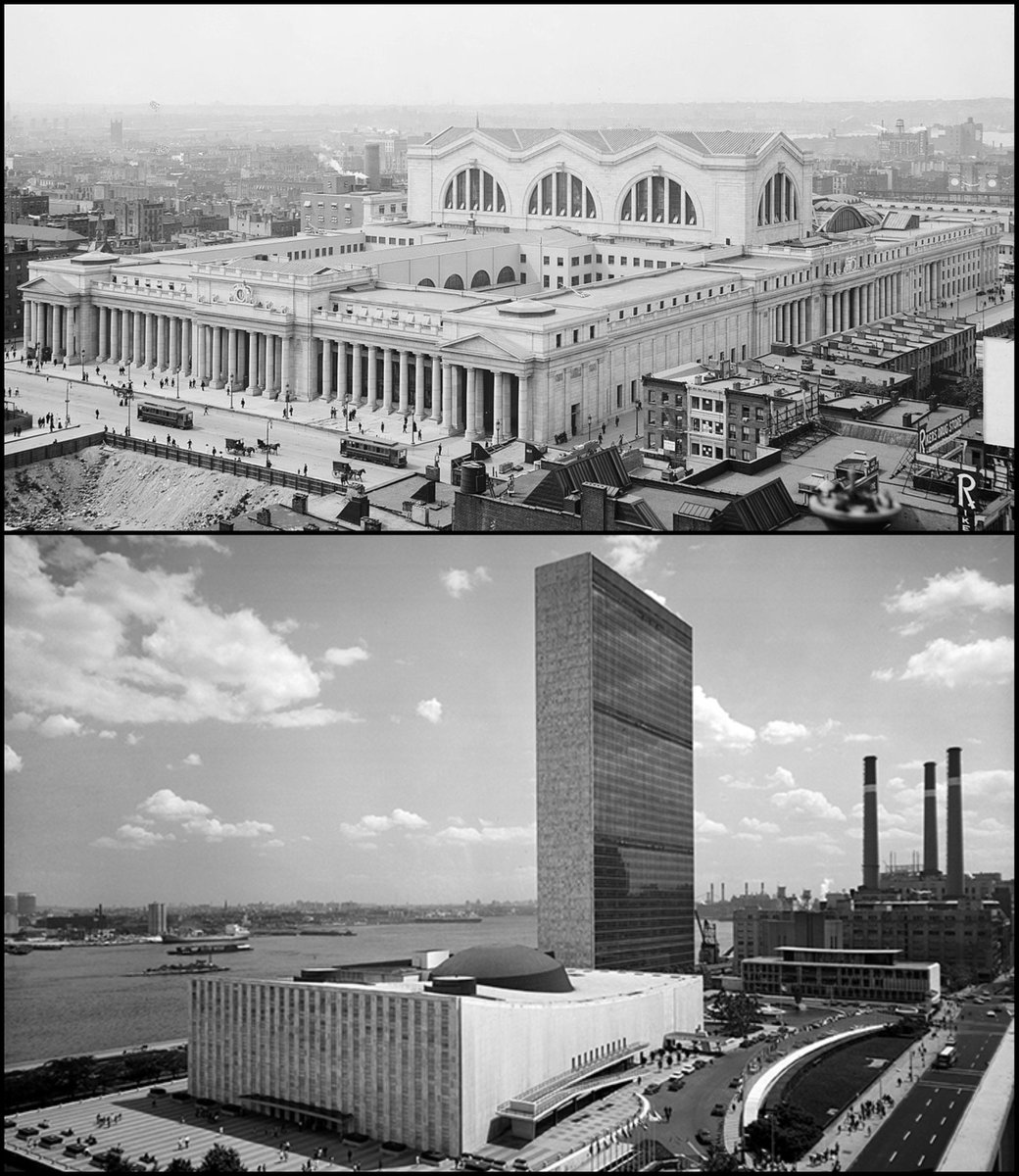
And by the 1950s Bauhaus architecture (known as "International Style") had conquered the world.
It's hard to imagine how exciting and futuristic this style must have seemed at first, standing out among cities filled with the creaking and cluttered stone buildings of old.
It's hard to imagine how exciting and futuristic this style must have seemed at first, standing out among cities filled with the creaking and cluttered stone buildings of old.
20
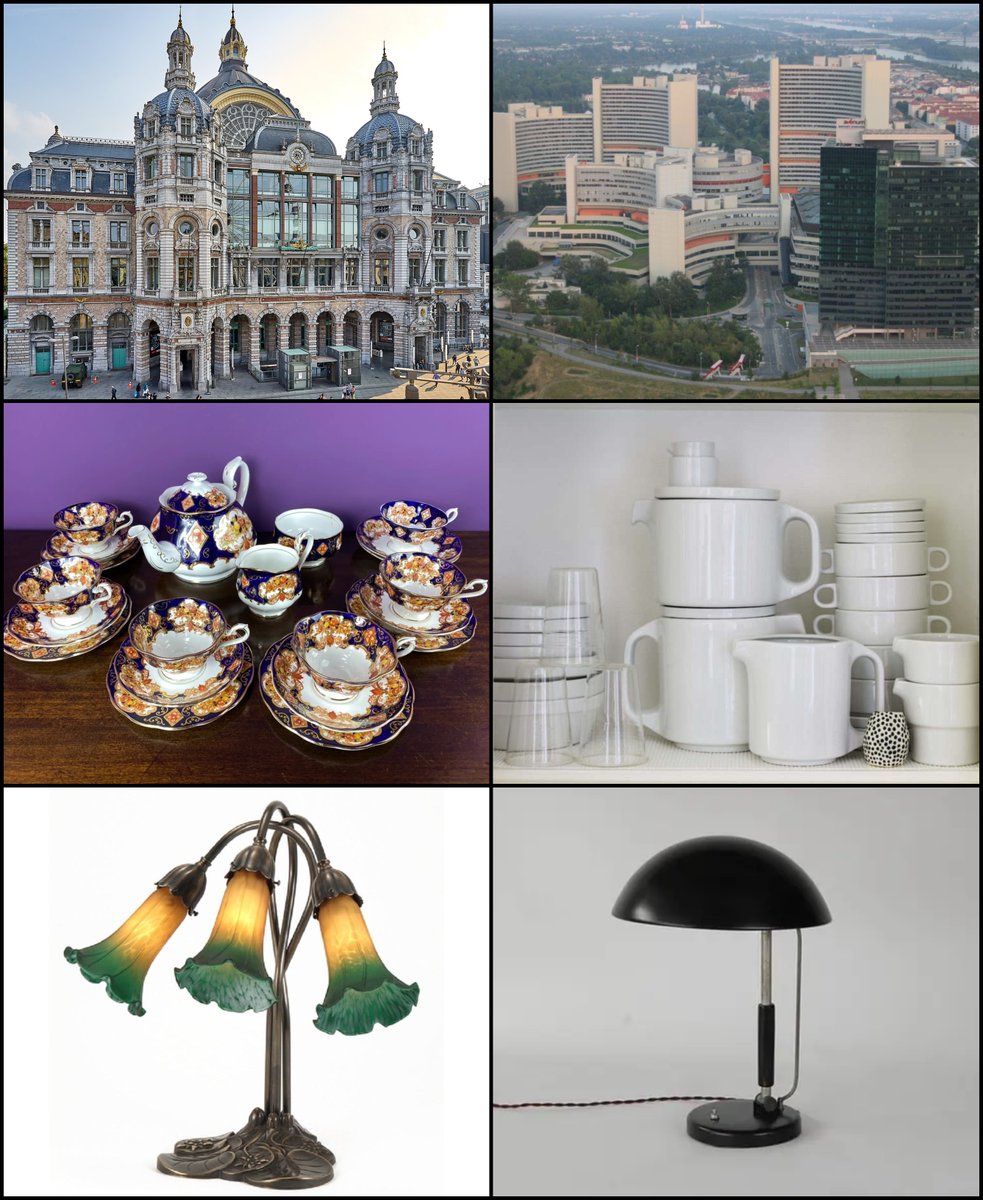
So the Bauhaus triumph was several decades in the making, but it came eventually.
They sensed the future and created a minimalist, functionalist, industrial aesthetic for it — the aesthetic of our modern world, whether of crockery or skyscrapers.
They sensed the future and created a minimalist, functionalist, industrial aesthetic for it — the aesthetic of our modern world, whether of crockery or skyscrapers.
21
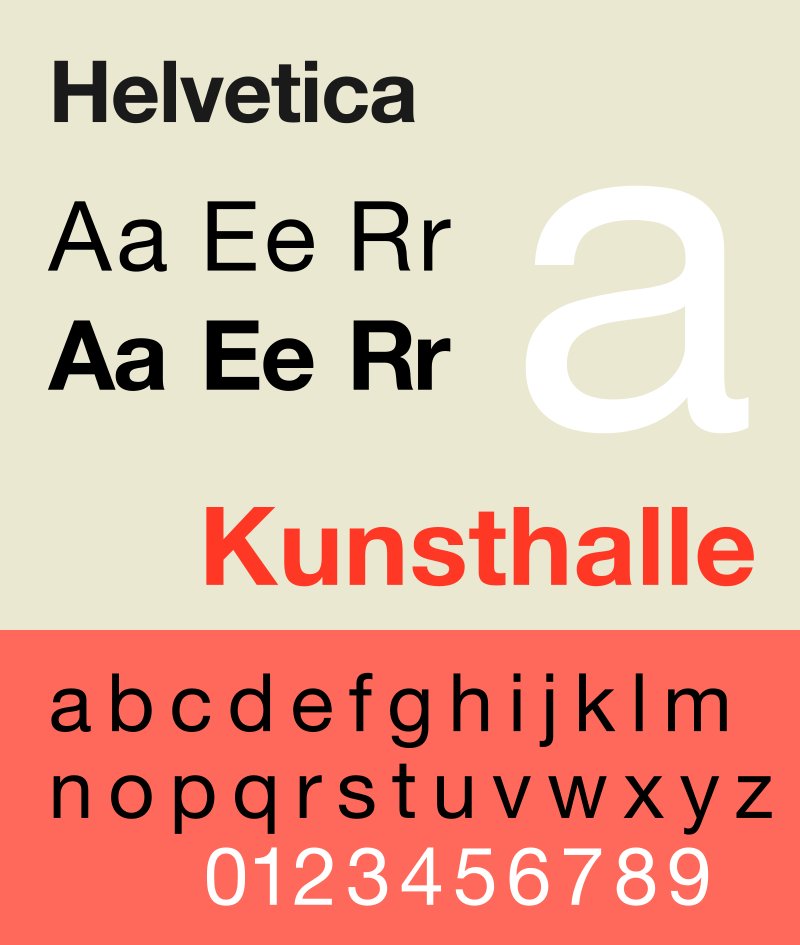
Even typefaces and fonts have been reshaped by the Bauhaus and their ideas about minimalism and functionalism.
Although Sans Serif typefaces go back to the 19th century, it was only after Bauhaus they became truly popular.
This font itself is Sans Serif.
Although Sans Serif typefaces go back to the 19th century, it was only after Bauhaus they became truly popular.
This font itself is Sans Serif.
22
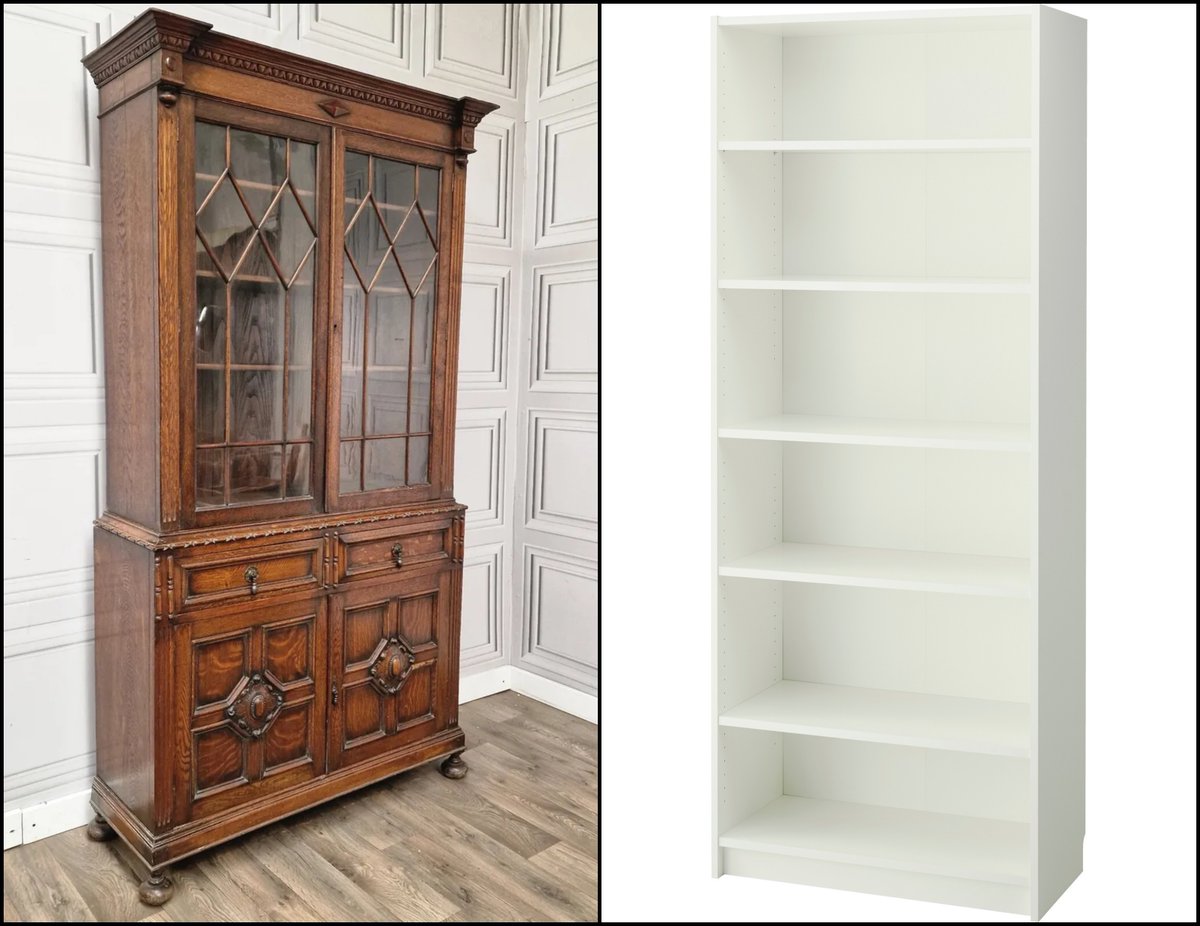
The minimalist design of Apple, the plethora of flat-pack furniture, IKEA... these are all the children of the Bauhaus.
Adolf Loos once said, "I have emerged the victor: I have liberated humanity from superfluous ornamentation."
Little could he have known how right he was.
Adolf Loos once said, "I have emerged the victor: I have liberated humanity from superfluous ornamentation."
Little could he have known how right he was.
23
But not all minimalism is equal.
Those Bauhaus designers were aesthetic masters, and much that has since been created is... not so elegantly designed.
The world has been filled with thoughtless, knock-off minimalism — it feels cheap rather than stylish, boring instead of sleek.
Those Bauhaus designers were aesthetic masters, and much that has since been created is... not so elegantly designed.
The world has been filled with thoughtless, knock-off minimalism — it feels cheap rather than stylish, boring instead of sleek.

24
Bauhaus emerged from a maximalist world and it has ushered in an Age of Minimalism; they successfully found an aesthetic suited to mass-production.
But now we are saturated with it, the excitement has worn off, and its quality is degrading... has minimalism run its course?
But now we are saturated with it, the excitement has worn off, and its quality is degrading... has minimalism run its course?
25
Do we now long for detail, as people a century ago longed for simplicity? Could Maximalism make a comeback? Is it even possible?
Well, the pendulum of fashion always swings one way, then another, and each generation reacts to what came before... what is the future of design?
Well, the pendulum of fashion always swings one way, then another, and each generation reacts to what came before... what is the future of design?