@culturaltutor: A Brief Introduction to Gothic...
@culturaltutor
52 views
Mar 31, 2024
1
A Brief Introduction to Gothic Architecture:

2
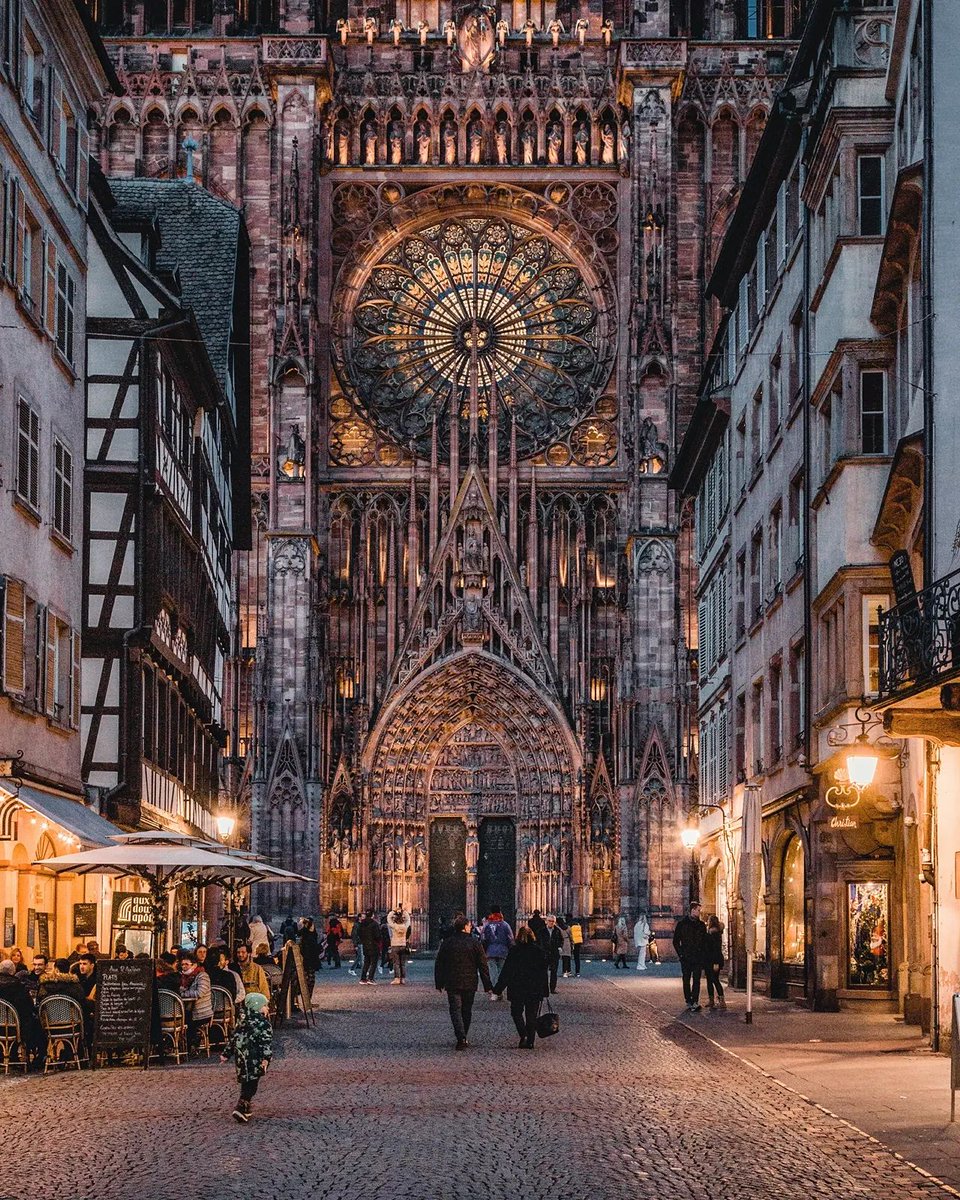
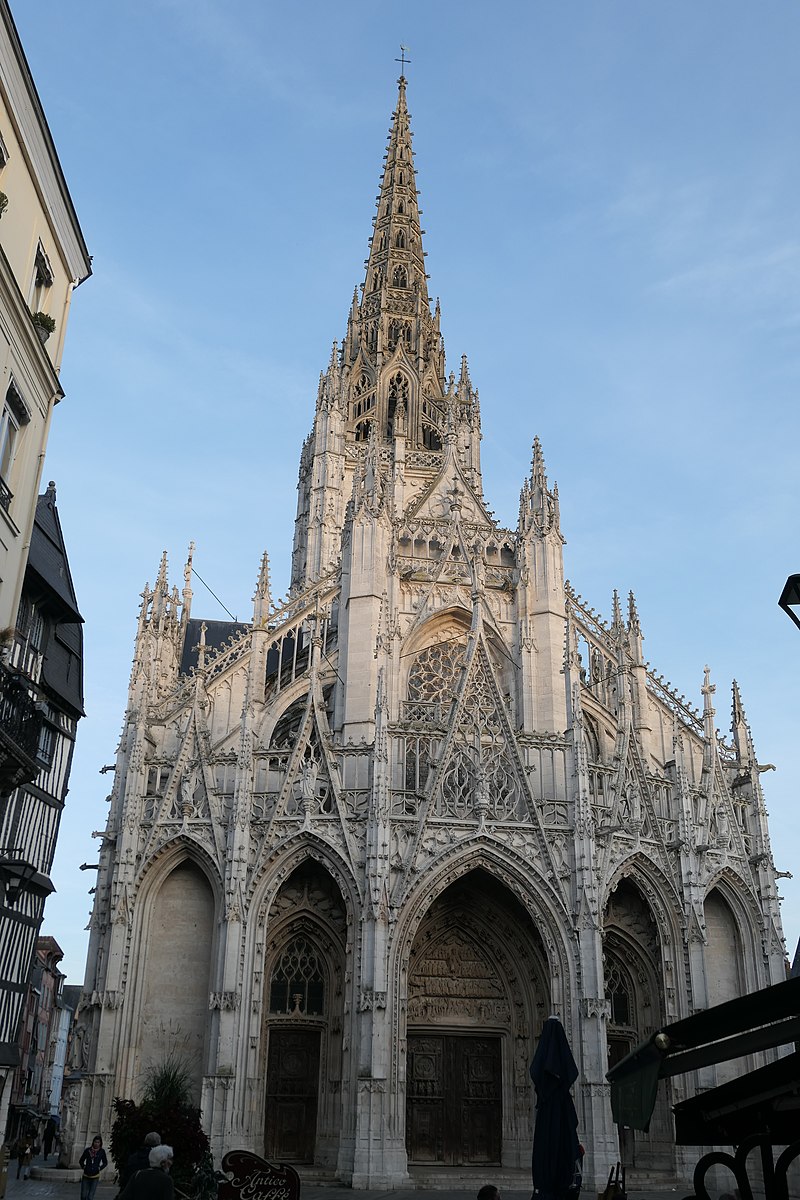
When talking about Gothic Architecture — the architecture of Medieval Europe between the 12th and 16th centuries — people tend to focus on the outward form of buildings.
We say that Gothic Architecture is about pointed arches, flying buttresses, vaults, and pinnacles.
We say that Gothic Architecture is about pointed arches, flying buttresses, vaults, and pinnacles.

3
But there is much more to Gothic architecture than that.
Because people didn't just decide to create "Gothic" cathedrals; these buildings, and every part of them, were the logical conclusion of a worldview and a mindset.
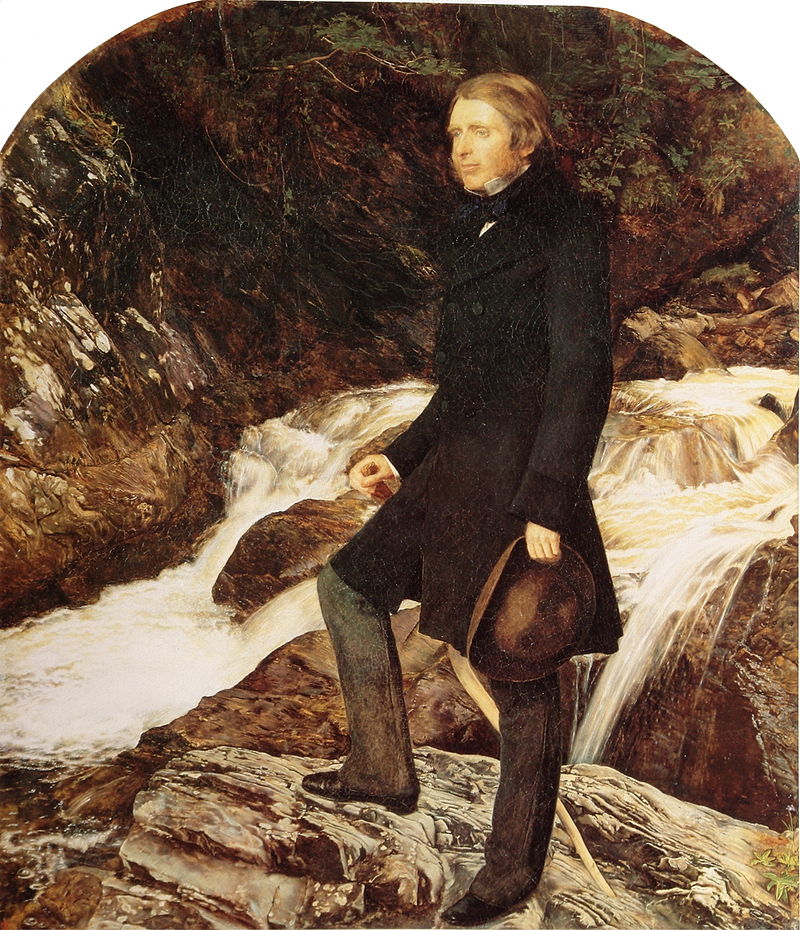
Such was the argument made by John Ruskin in 1853.
Because people didn't just decide to create "Gothic" cathedrals; these buildings, and every part of them, were the logical conclusion of a worldview and a mindset.
Such was the argument made by John Ruskin in 1853.
4
His essay On the Nature of Gothic was wildly popular and influential; it's probably the best explanation of Gothic Architecture ever written.
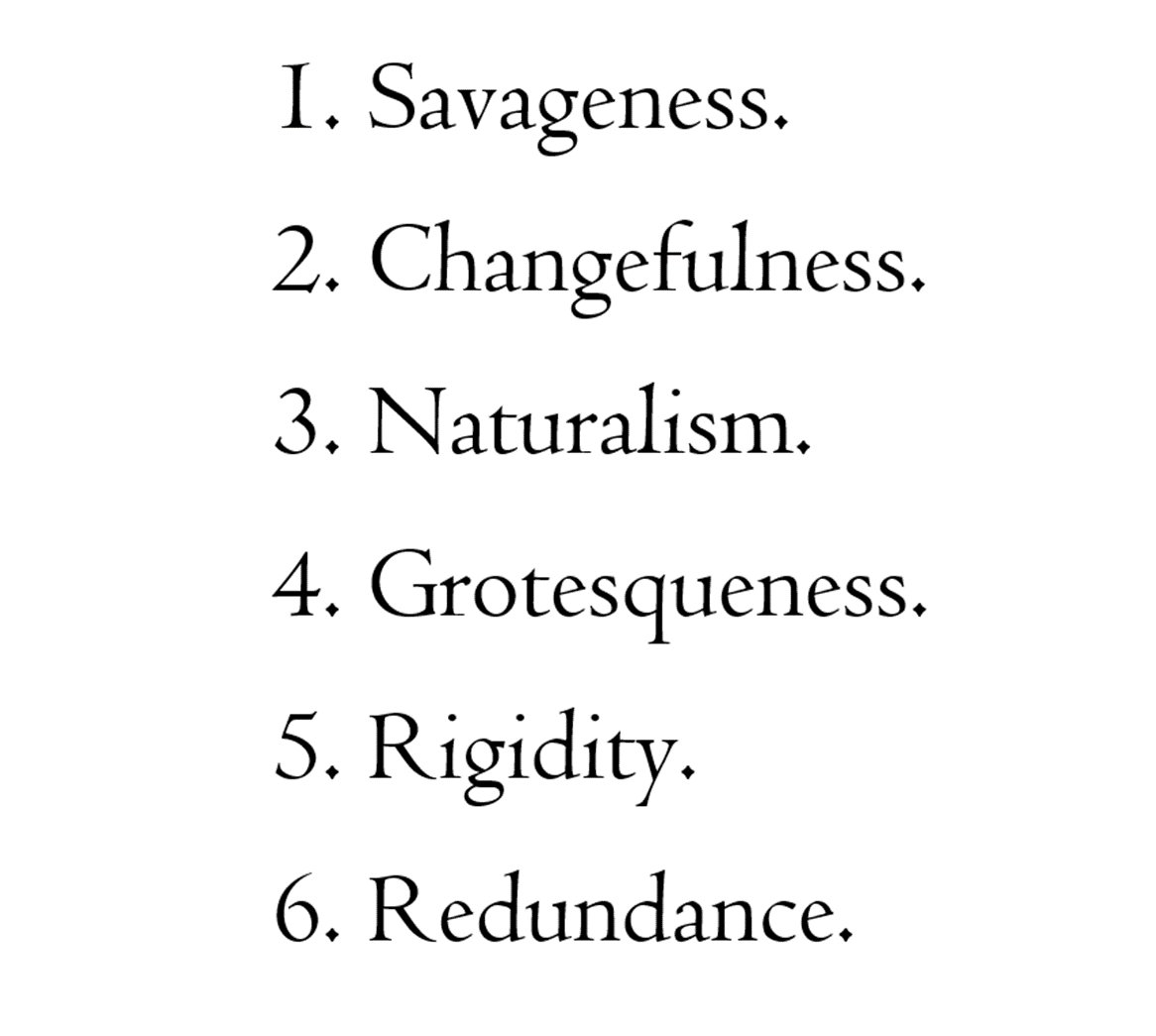
He argued it had six key elements which, though not individually unique, are all only fully united in true Gothic Architecture.
He argued it had six key elements which, though not individually unique, are all only fully united in true Gothic Architecture.
5
1. Savageness
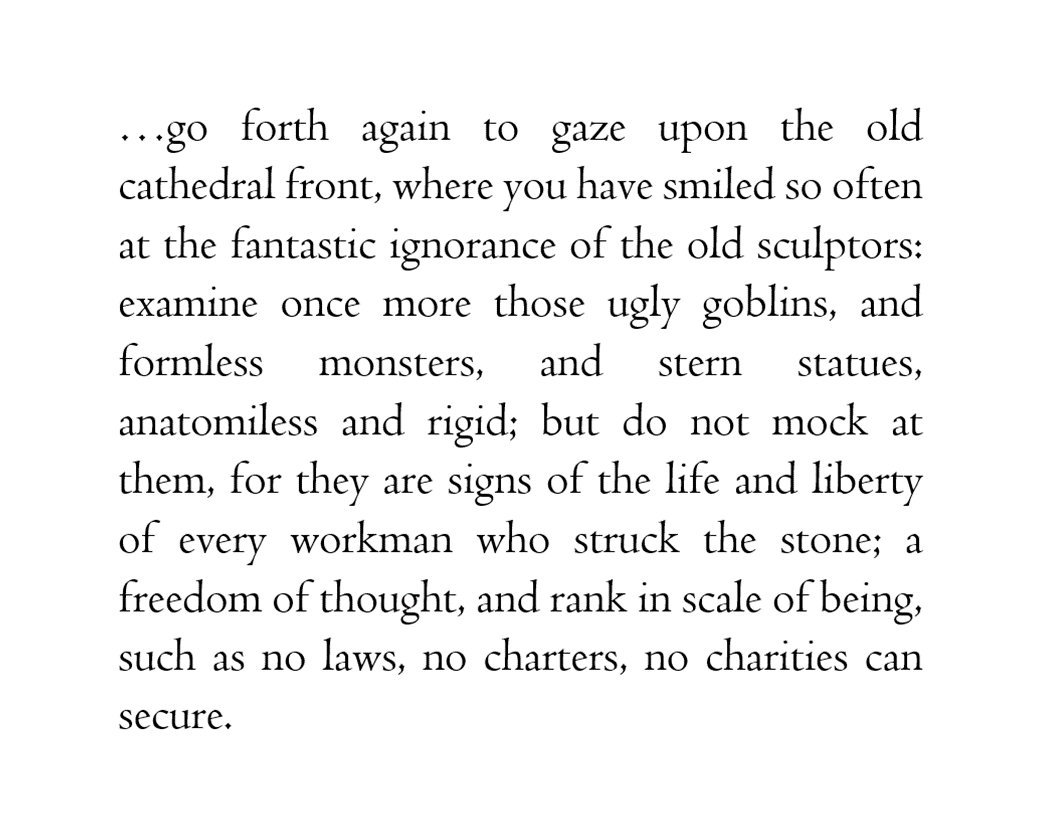
By Savageness Ruskin meant that, in the Middle Ages, craftsmen and sculptors were not expected to make "perfect" work.
When building and decorating a cathedral they were free to create what they liked, to the best of their ability.
Truthful rather than perfect.
By Savageness Ruskin meant that, in the Middle Ages, craftsmen and sculptors were not expected to make "perfect" work.
When building and decorating a cathedral they were free to create what they liked, to the best of their ability.
Truthful rather than perfect.


6
And as a result lots of Gothic sculpture is "imperfect", especially when compared to Classical or Renaissance sculpture.
But, Ruskin argued, that was part of its beauty. Imperfection is itself a law of nature, and a law of humanity.
Gothic sculpture, therefore, is more human.
But, Ruskin argued, that was part of its beauty. Imperfection is itself a law of nature, and a law of humanity.
Gothic sculpture, therefore, is more human.

7
And, even more importantly, Ruskin argued that the very imperfection of Gothic Architecture represented the creative freedom of the people who had made it — a freedom which workers in the 19th century did not have.
Gothic imperfection is a symbol of liberty.
Gothic imperfection is a symbol of liberty.
8
2. Changefulness
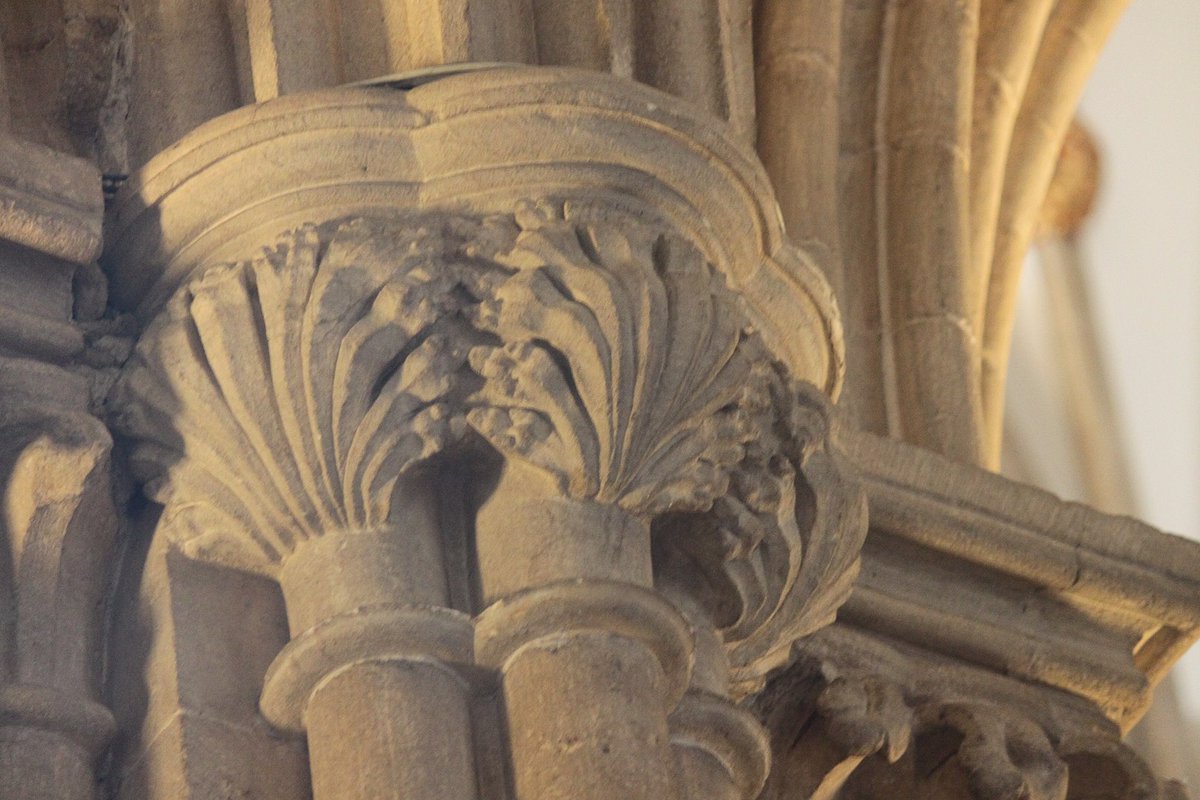
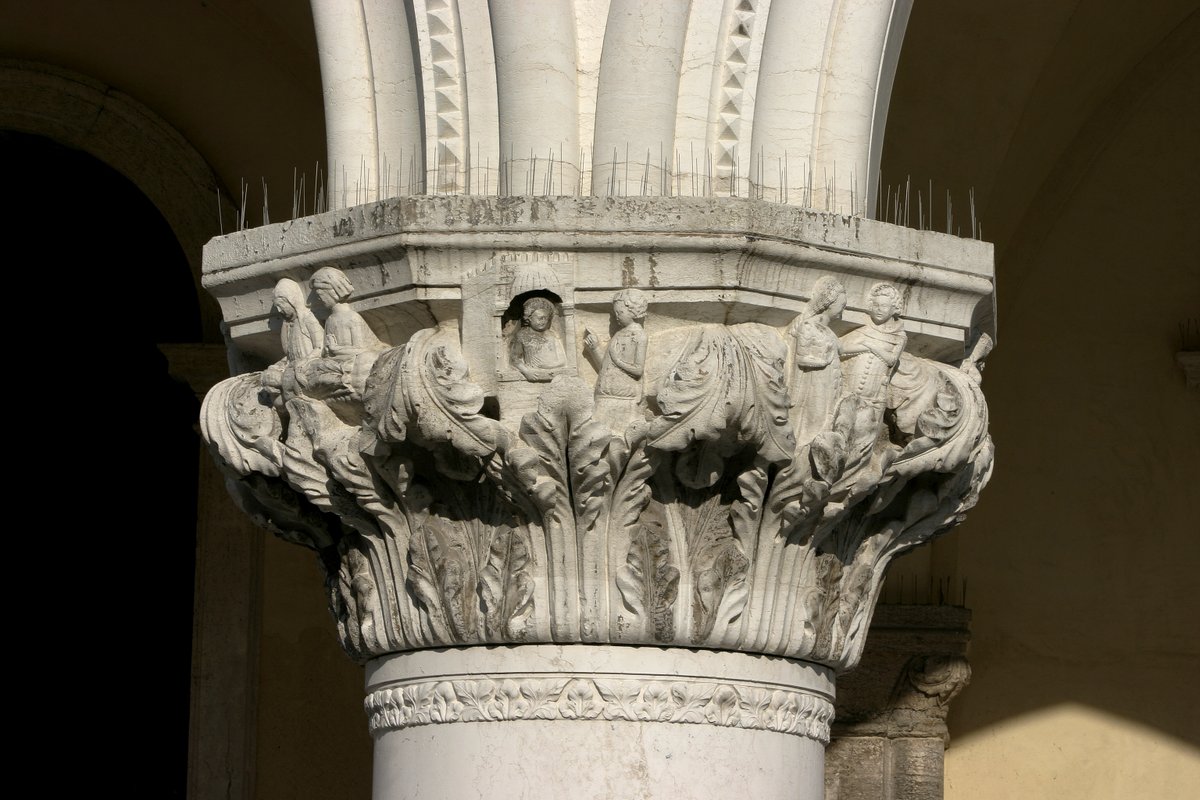
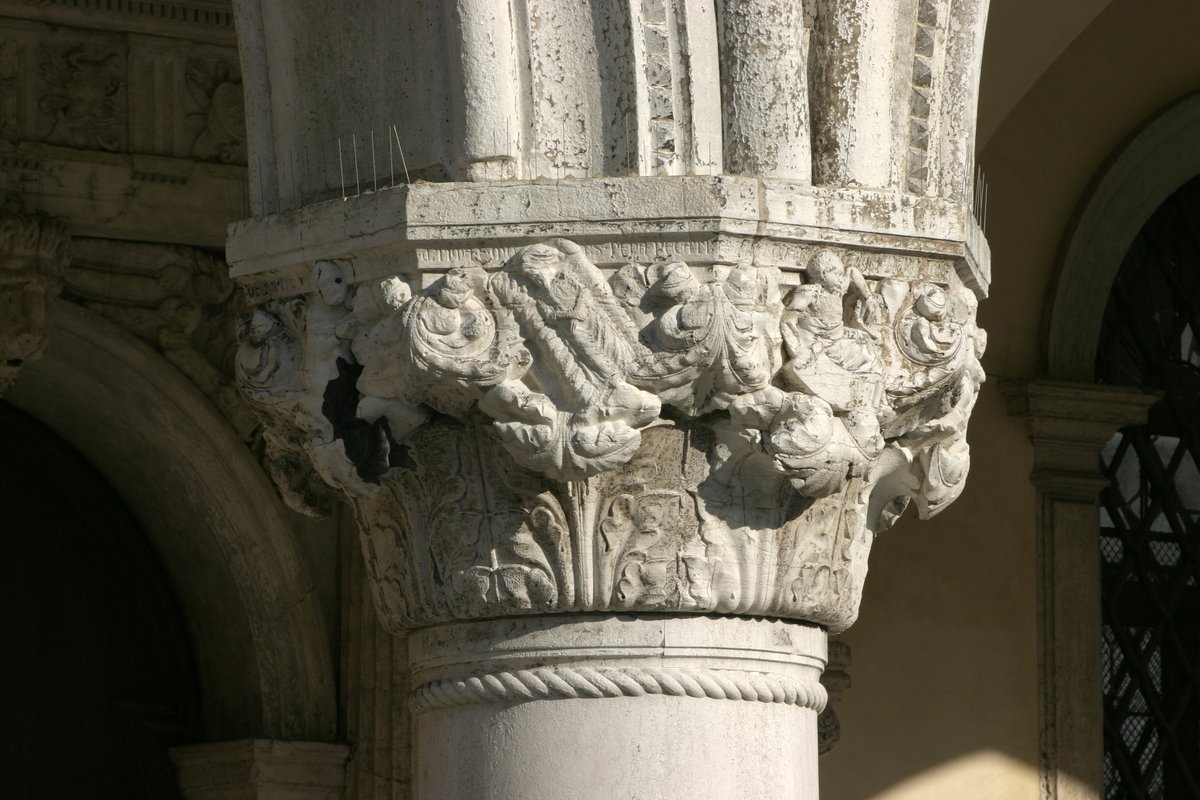
Because Medieval masons were given the freedom to create their own work, Gothic architecture is inevitably filled with variety.
Go into any Gothic cathedral and look at the details — they are always different, either minutely or massively.
Because Medieval masons were given the freedom to create their own work, Gothic architecture is inevitably filled with variety.
Go into any Gothic cathedral and look at the details — they are always different, either minutely or massively.

9
And this Changefulness did not only apply to sculptures and decorations — it also applied to the overall form of a building.
Most Gothic cathedrals are assymetrical and, more incredibly, every single Gothic cathedral is totally unique in shape, design, and decoration.
Most Gothic cathedrals are assymetrical and, more incredibly, every single Gothic cathedral is totally unique in shape, design, and decoration.


10
3. Naturalism
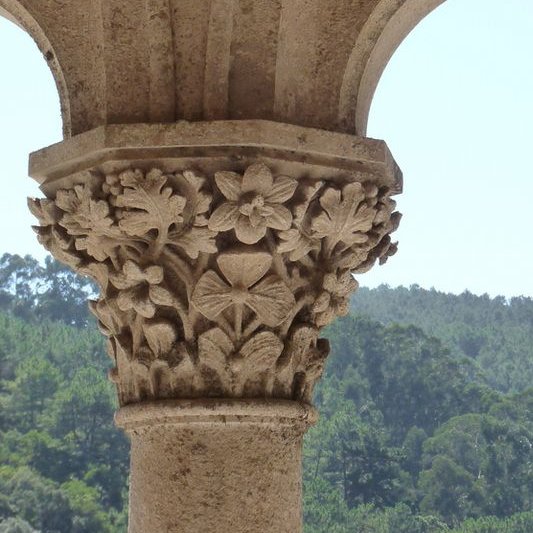
This one is simple enough. Medieval people found great delight in nature — in flowers, foliage, trees, and all manner of vegetation.
Hence, because the masons were free to pursue their own inclinations, Gothic architecture is always filled with floral decoration.
This one is simple enough. Medieval people found great delight in nature — in flowers, foliage, trees, and all manner of vegetation.
Hence, because the masons were free to pursue their own inclinations, Gothic architecture is always filled with floral decoration.
11
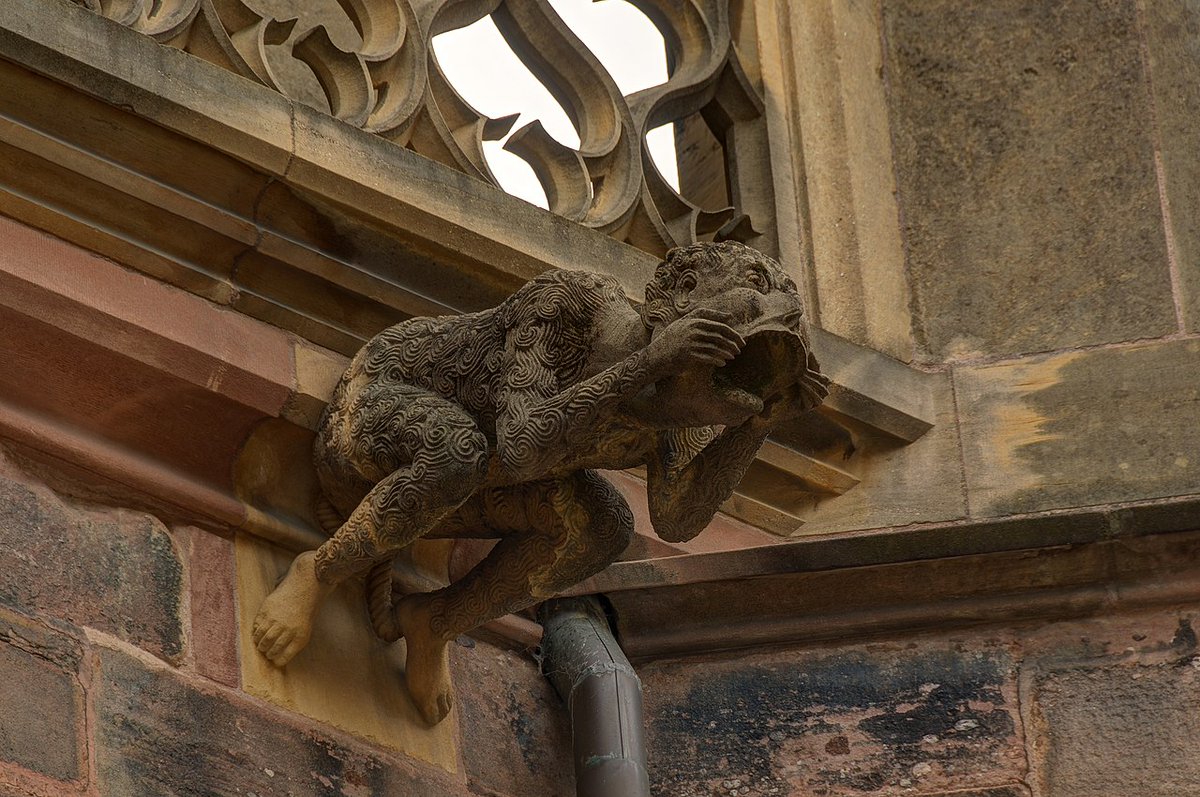
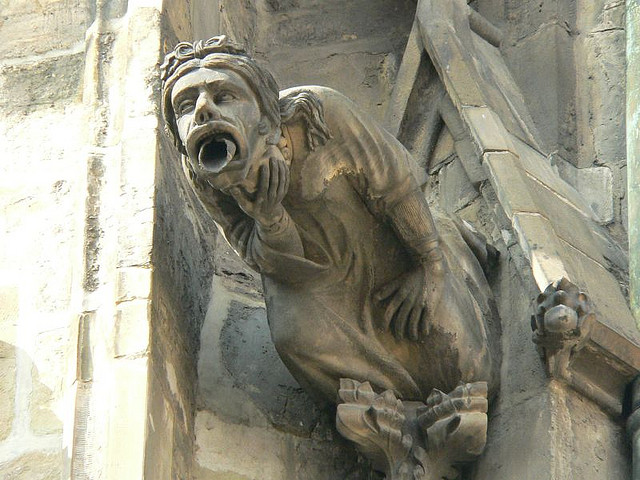
4. Grotesqueness
The most obvious quality of Gothic architecture. People in the Middle Ages were peculiarly fascinated by the fantastical and macabre, somehow uniting things that were both hilarious and terrifying at once.
Think of Hieronymus Bosch's Garden of Earthly Delights:
The most obvious quality of Gothic architecture. People in the Middle Ages were peculiarly fascinated by the fantastical and macabre, somehow uniting things that were both hilarious and terrifying at once.
Think of Hieronymus Bosch's Garden of Earthly Delights:

12
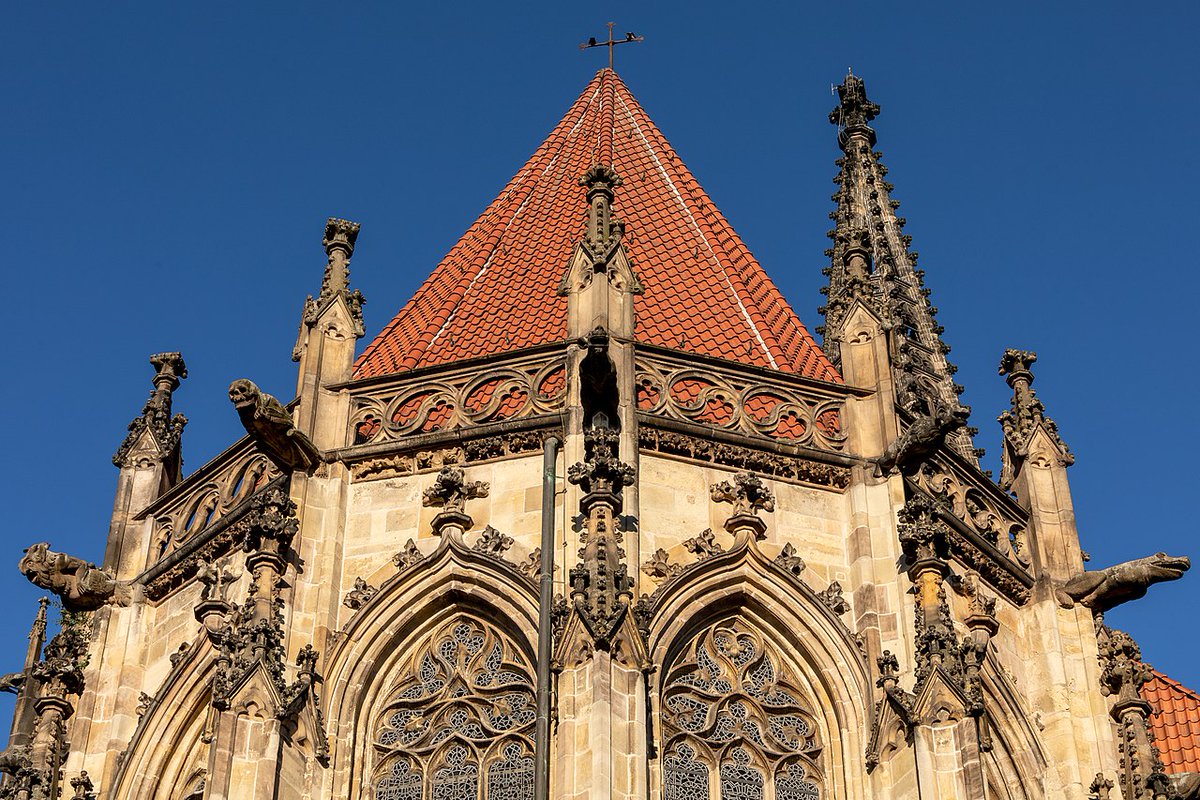
The equivalent of Bosch's wild art is the gargoyles and grotesques and misericords of Gothic Architecture — the inexplicable beasts crowding round the towers and the strange faces peering up at you.
Nightmarish, darkly funny, delightful, vulgar, and captivating all at once.
Nightmarish, darkly funny, delightful, vulgar, and captivating all at once.


13
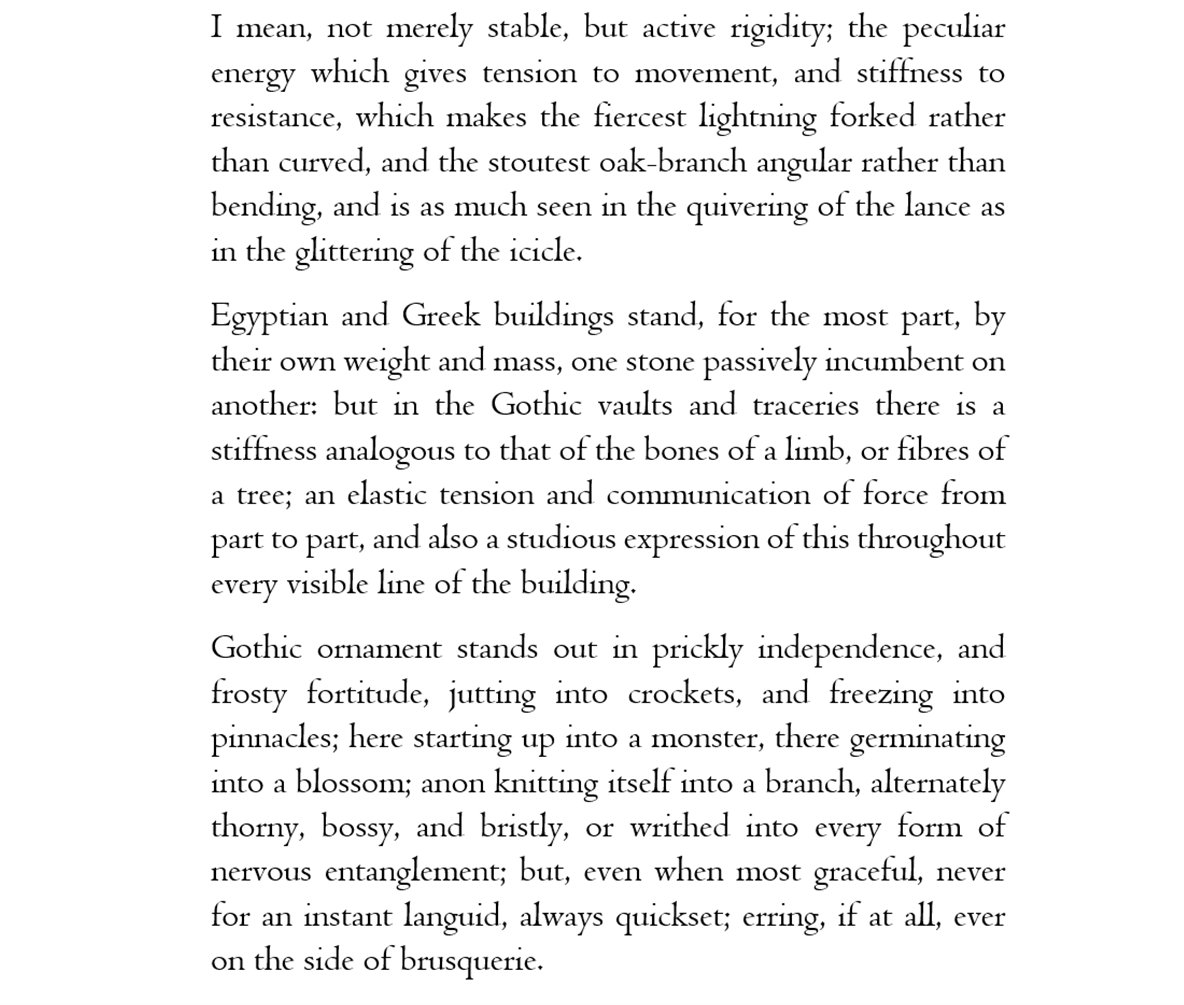
5. Rigidity
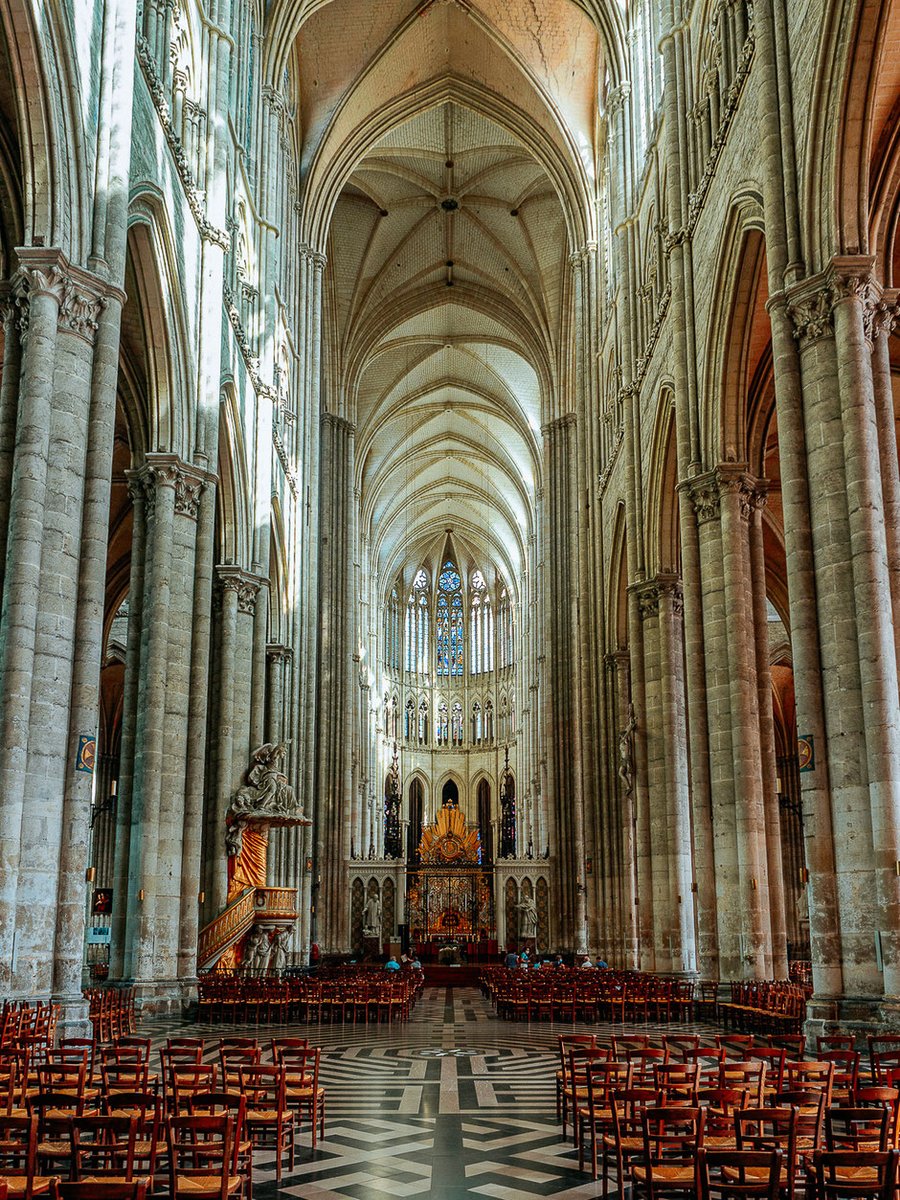
Whereas Egyptian, Greek, or Roman architecture was fundamentally horizontal, Gothic architecture was fundamentally vertical.
Whereas Egyptian, Greek, or Roman architecture was fundamentally horizontal, Gothic architecture was fundamentally vertical.
14
And so Gothic Architecture, almost like a tree, inevitably soars *upwards*.
Ruskin argued that the pointed arches and vaults, which lead to this peculiarly *living* quality of the Gothic, was a result of both religion and temperament, of a certain hurriedness and joy united.
Ruskin argued that the pointed arches and vaults, which lead to this peculiarly *living* quality of the Gothic, was a result of both religion and temperament, of a certain hurriedness and joy united.

15
6. Redundance
Ruskin also called this "generosity". What he meant by it was the overwhelming profusion of sculpture and detail and decoration in Gothic Architecture.
Nothing was left untouched. Every surface was an opportunity for some delightful design or hidden message.
Ruskin also called this "generosity". What he meant by it was the overwhelming profusion of sculpture and detail and decoration in Gothic Architecture.
Nothing was left untouched. Every surface was an opportunity for some delightful design or hidden message.

16
To take joy in creating abundant designs, and to know that others will delight in them, and not to think of oneself as better than giving the people what they love, can only result from real humility.
Gothic sculptors were generous in design because they were humble.
Gothic sculptors were generous in design because they were humble.

17
And so the sheer variety of Gothic architecture, and the richness of its decoration, from the mightiest of its towers to the lowliest of its benches, is another result of the creative freedom of Medieval craftsmen.
Gothic architecture is, fundamentally, a worldview.
Gothic architecture is, fundamentally, a worldview.

18
And they are Ruskin's six elements of Gothic — his essay demands to be read in full.
But the broader point here is that all architecture, Gothic or modern, is not about outward form so much as mindset; the former is, always and everywhere, the inevitable result of the latter.
But the broader point here is that all architecture, Gothic or modern, is not about outward form so much as mindset; the former is, always and everywhere, the inevitable result of the latter.