@culturaltutor: Why did street lights become s...
@culturaltutor
47 views
Feb 26, 2024
1
Why did street lights become so boring?

2
The story begins in about 9,000 BC.
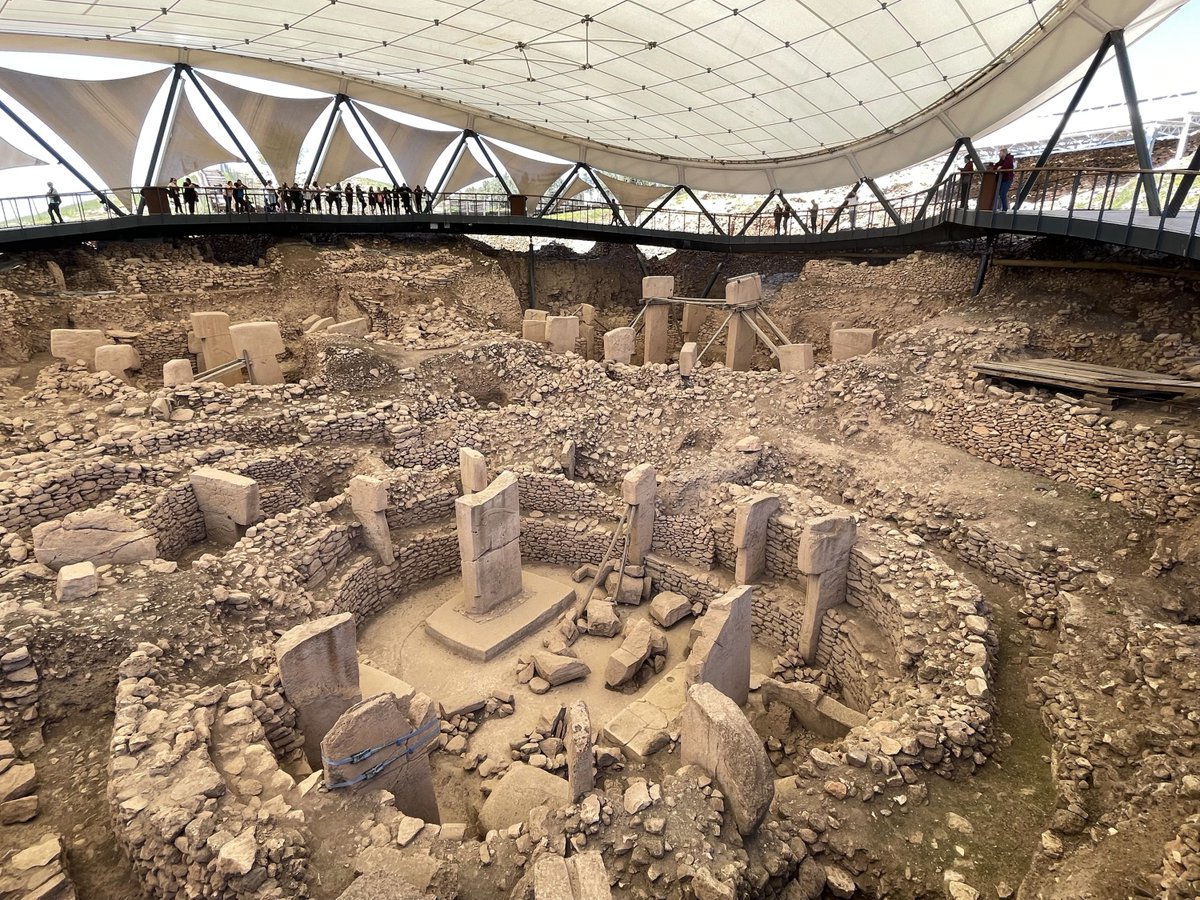
This is Göbekli Tepe in Turkey, the oldest megalithic site in the world. What do we know about the people who built it, or what they built it for? Very little.
But what we do know we can glean from the decorative carvings they left behind.
This is Göbekli Tepe in Turkey, the oldest megalithic site in the world. What do we know about the people who built it, or what they built it for? Very little.
But what we do know we can glean from the decorative carvings they left behind.

3
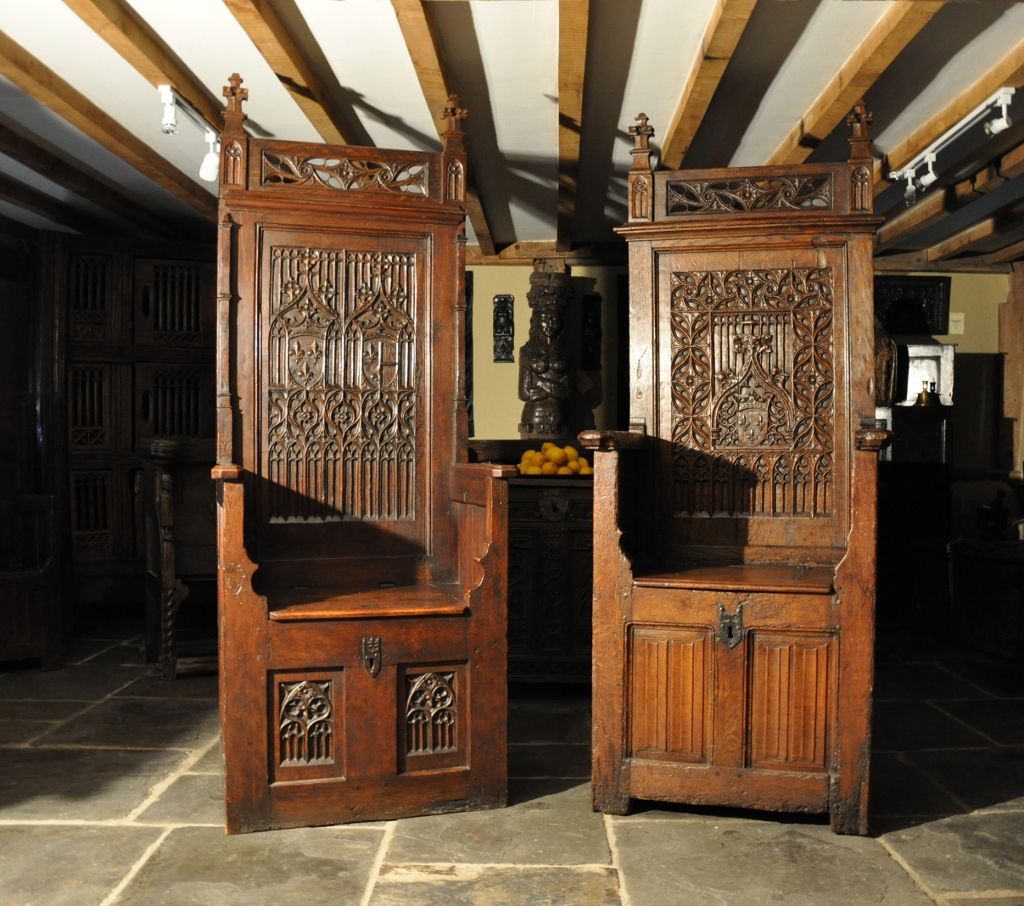
Across all human history things were handmade, from the first arrowheads thousands of years ago to Sumerian musical intruments to Medieval furniture.
Clothes, cathedrals, toothpicks, and everything else were made by weavers, masons, blacksmiths, carpenters... the list goes on.
Clothes, cathedrals, toothpicks, and everything else were made by weavers, masons, blacksmiths, carpenters... the list goes on.

4
And when things are handmade they have particular qualities. One of them, of course, is a lack of standardisation.
Another is ornament; we have a natural tendency to decorate what we make with our hands, whether with personal touches or in reference to broader social beliefs.
Another is ornament; we have a natural tendency to decorate what we make with our hands, whether with personal touches or in reference to broader social beliefs.


5
And so ornamentation, even of objects otherwise purely functional, has been a constant feature of "design" for millennia — that which was useful was also necessarily interesting, and even beautiful.
Such ornamentation permeates the past: books, doors, and everything else.
Such ornamentation permeates the past: books, doors, and everything else.


6
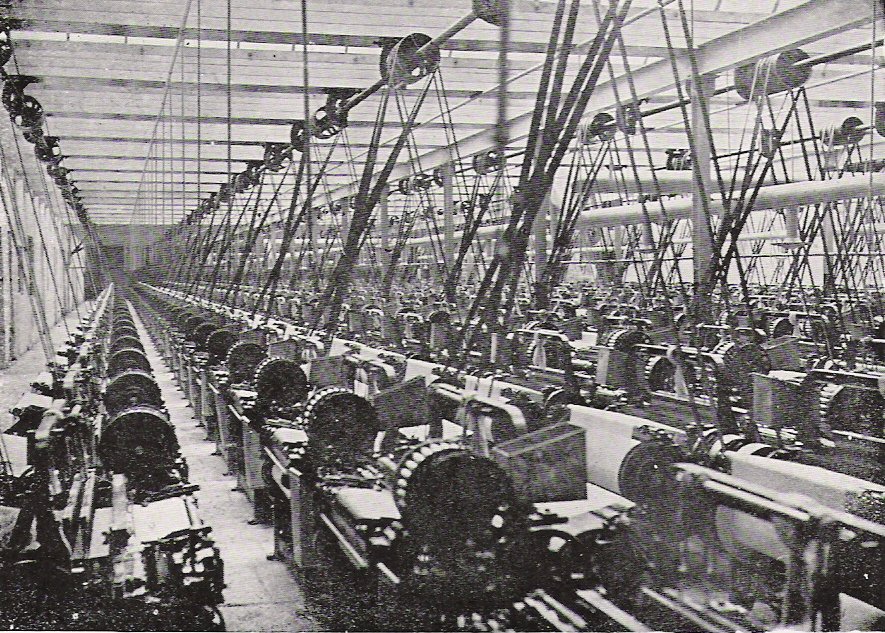
Few things now are handmade. What changed? The Industrial Revolution.
In the 19th century came factories and machines. What had been handmade since time immemorial, from clothes to jewelry, was suddenly being standardised and mass-produced on a huge scale.
In the 19th century came factories and machines. What had been handmade since time immemorial, from clothes to jewelry, was suddenly being standardised and mass-produced on a huge scale.
7
But even after the dawn of industrial mass-production there was no end to ornamentation.
It had been the norm forever; people were accustomed to it and they expected it.
The only difference is that traditional craft had been replaced by machine technicians.
It had been the norm forever; people were accustomed to it and they expected it.
The only difference is that traditional craft had been replaced by machine technicians.


8
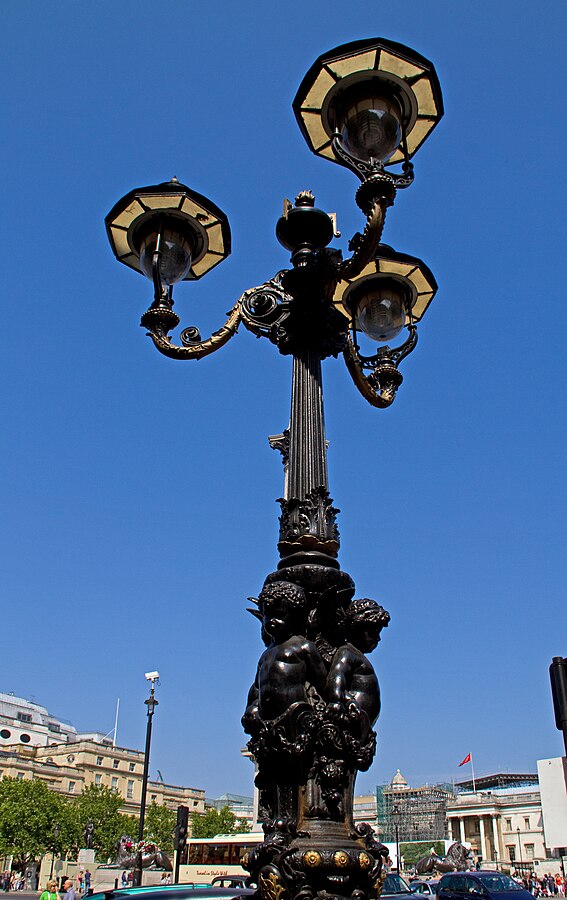
And this is where the modern street light story truly begins, even though street lighting does have a long and even ancient history.
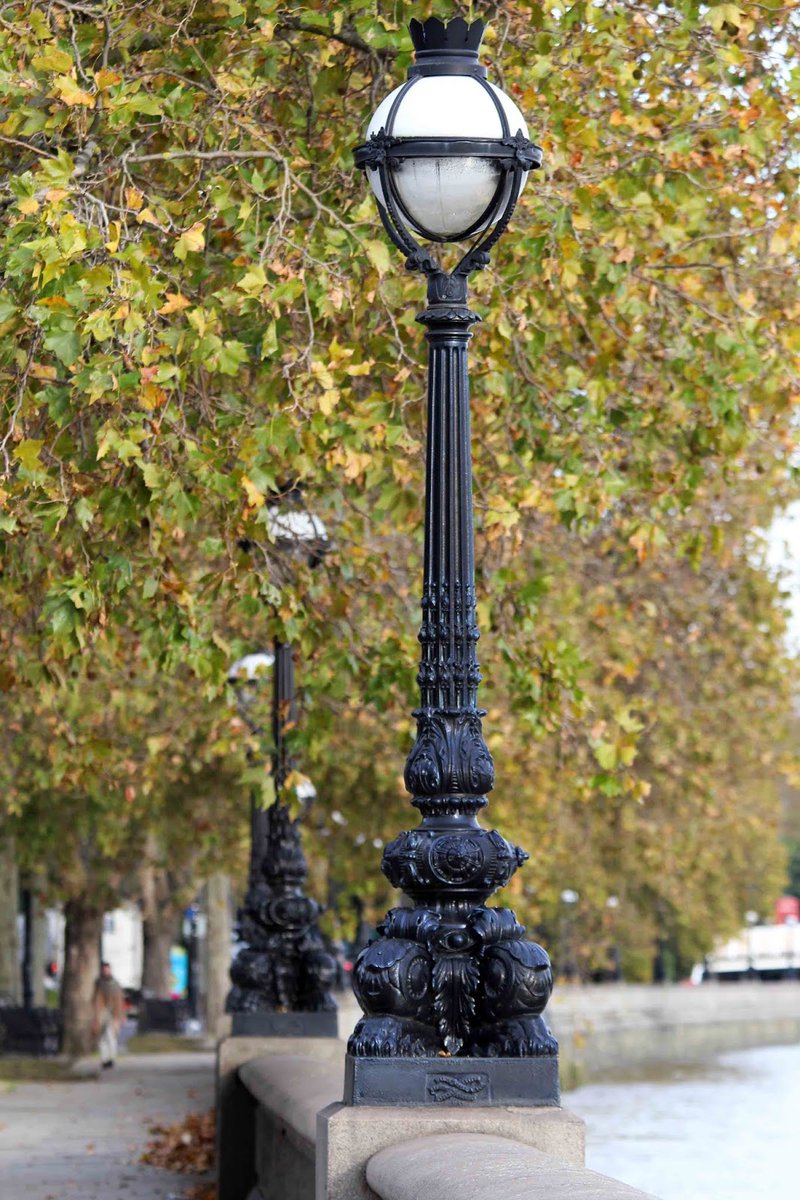
For it was during the 19th century that these rather eye-catching things started to appear, first as gas lamps and then as electric lights.
For it was during the 19th century that these rather eye-catching things started to appear, first as gas lamps and then as electric lights.
9
And so the great age of extravagant street light design coincides with the age of mass production, just as the industrial use of iron is inseparable from the birth of standardisation.
Where were most of them made? In iron foundries and factories, by the thousands.
Where were most of them made? In iron foundries and factories, by the thousands.

10
Hence all these moulds, whether for gates, drain pipes, street lights or any other fitting or fixture.
Whereas ironwork had once been the reserve of the wealthy and the powerful, the Industrial Revolution had created affordable ironwork even for things like garden furniture.
Whereas ironwork had once been the reserve of the wealthy and the powerful, the Industrial Revolution had created affordable ironwork even for things like garden furniture.



11
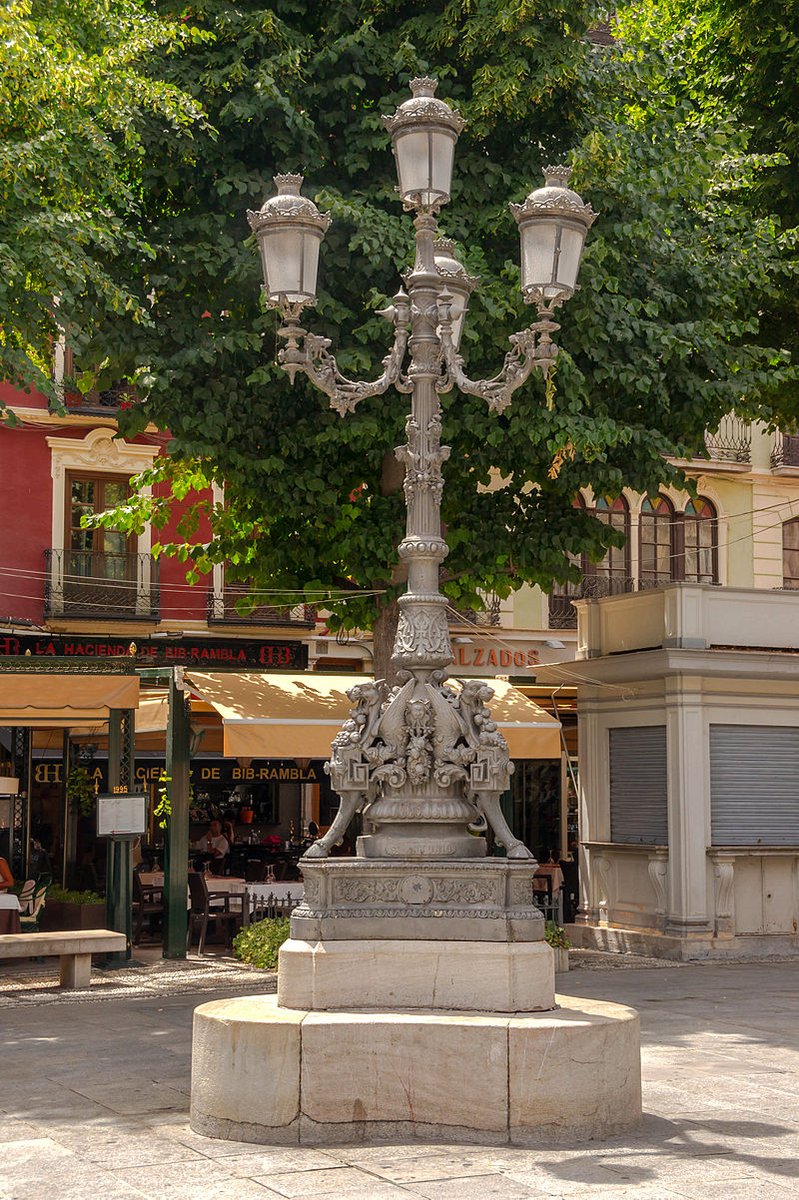
And so the streets of cities all around the world were soon lined with ornate street lights — not always, of course, but certainly more often than is the case now.
From the wildly decorative and and almost overwhelmingly exuberant...
From the wildly decorative and and almost overwhelmingly exuberant...

12
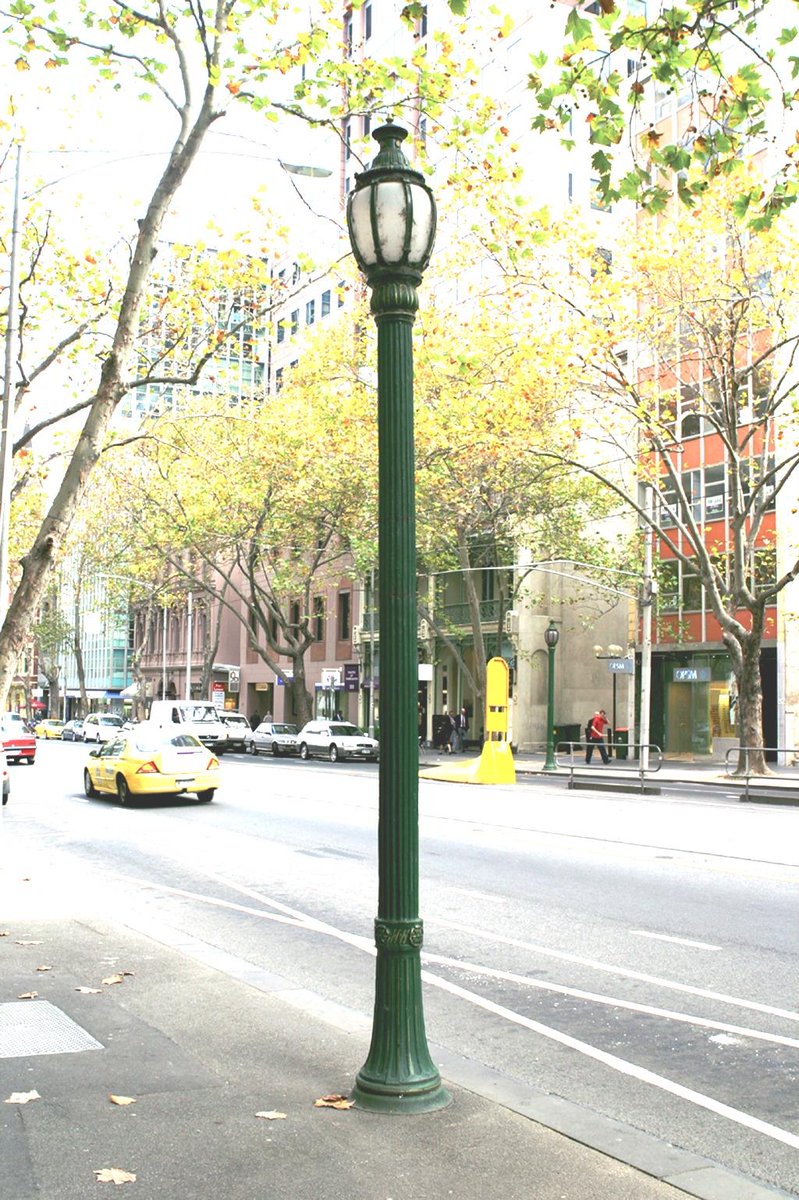
...to the rather simpler and more elegant.
13
And many featured decorative details related to the city or region in which they were built, whether coats of arms or local symbols.
The ordinary was elevated into something meaningful, interesting, and even beautiful — a tradition stretching right back to Göbekli Tepe.
The ordinary was elevated into something meaningful, interesting, and even beautiful — a tradition stretching right back to Göbekli Tepe.


14
And yet these are extremely modern creations, made possible only by the materials and methods of industrial mass production; it's just that they serve an older aesthetic principle.
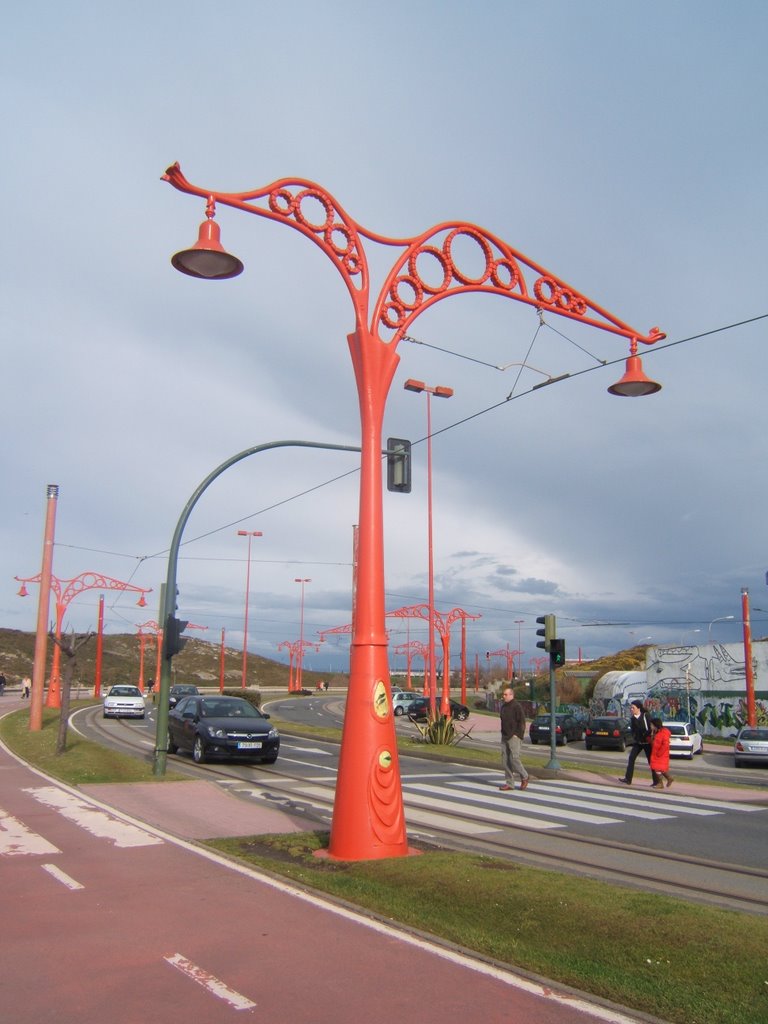
So ornamentation was not made impossible in our Industrial Age — rather, it was rejected. But why?
So ornamentation was not made impossible in our Industrial Age — rather, it was rejected. But why?

15
Well, what caused this shift isn't only a result of economic factors, as some conclude.
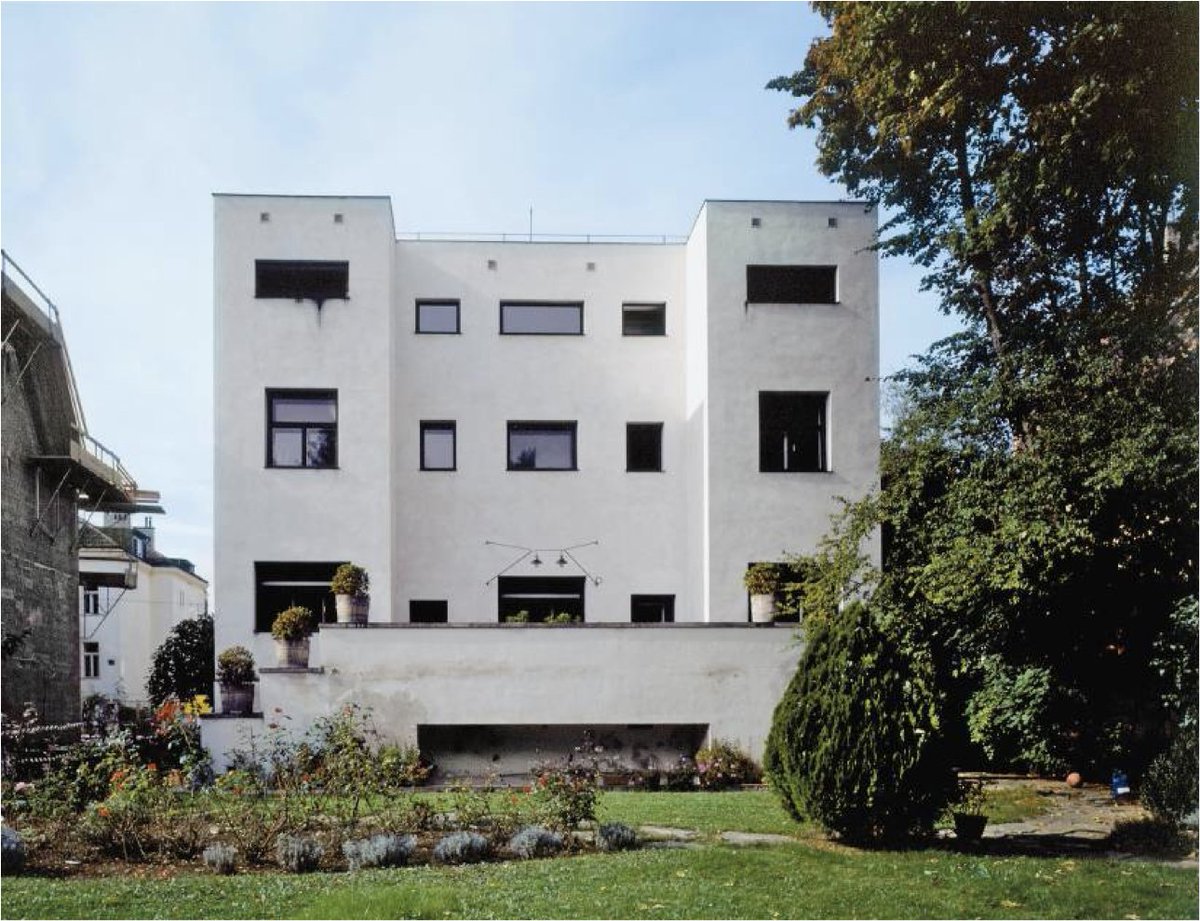
Critics like Adolf Loos in the early 1900s thought ornamentation was the relic of a less civilised & less rational age.
Hence his unadorned (and highly influential) architecture.
Critics like Adolf Loos in the early 1900s thought ornamentation was the relic of a less civilised & less rational age.
Hence his unadorned (and highly influential) architecture.

16
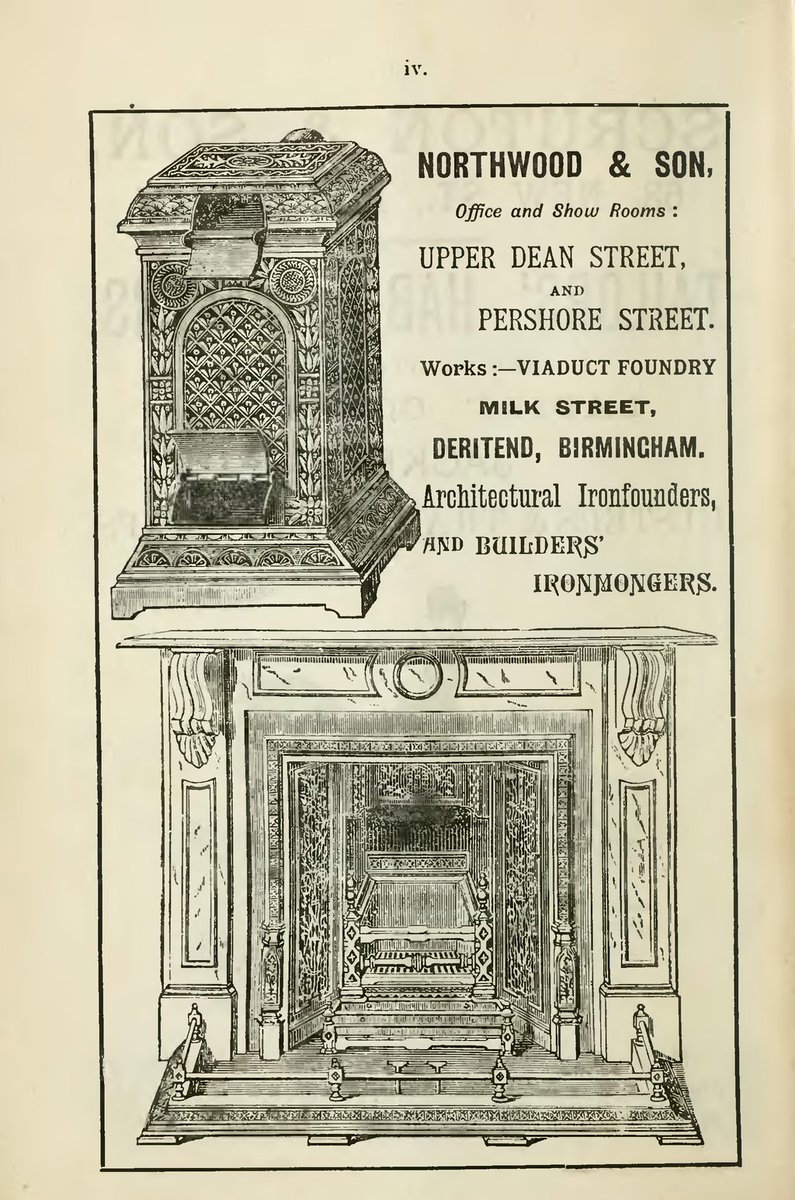
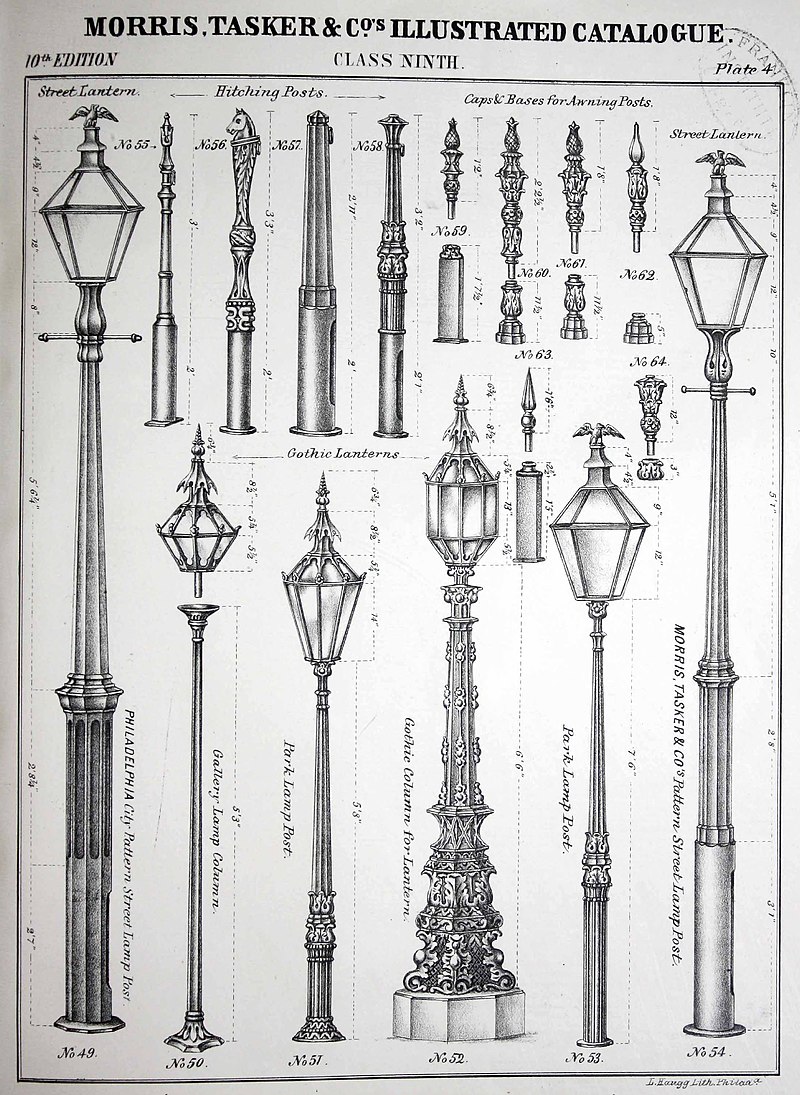
And even in the 19th century there was no shortage of critics, like the famed designer William Morris, who lamented mass-production.
It was, for him and many others, a pale imitation of formerly beautiful handmade goods — these "catalogues" were an inauthentic mockery.
It was, for him and many others, a pale imitation of formerly beautiful handmade goods — these "catalogues" were an inauthentic mockery.
17
And so, despite the late flourishes of Art Nouveau and Art Deco, the tide of Modernism swept in — as much an aesthetic movement as one reconciled to population growth and globalisation.
Modernism is often misunderstood and maligned, but it was, clearly, a break with the past.
Modernism is often misunderstood and maligned, but it was, clearly, a break with the past.

18
It's tempting to label this an inevitable result of replacing human craft with machines — a change on which the prosperity of the modern world is built, of course.
But really it represents a shift in mindset and in priority; about what is important and how things should look.
But really it represents a shift in mindset and in priority; about what is important and how things should look.
19
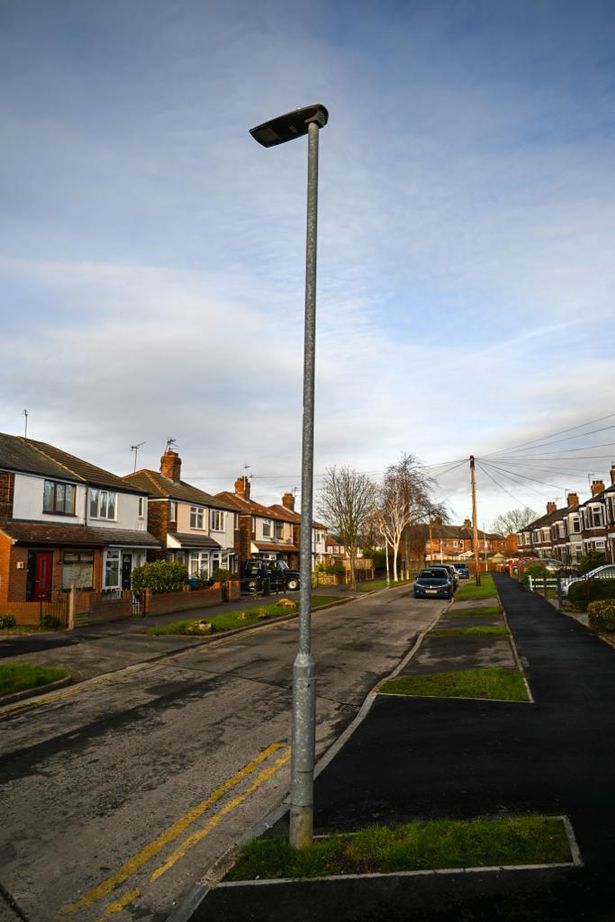
We've seen that ornamented street lights — from the ridiculous to the sublime to the simple — were once mass-produced.
That they are now rather boring reflects a broader attitude to the urban environment, one in which decoration no longer has a place, for better or worse.
That they are now rather boring reflects a broader attitude to the urban environment, one in which decoration no longer has a place, for better or worse.

20
A street light must, first of all, provide useful lighting.
But is that all they can do? No.
As we have seen, function and aesthetics are not mutually exclusive. Street lights can also be charming, surprising, interesting, funny, and (quite simply) visually appealing.
But is that all they can do? No.
As we have seen, function and aesthetics are not mutually exclusive. Street lights can also be charming, surprising, interesting, funny, and (quite simply) visually appealing.

21
This change of mindset and priorities (and of broader socio-economic context) is best exemplified by comparing how modern street lights are made with those that line the River Thames in London.
A public competition was held to design electric lights for the new embankment.
A public competition was held to design electric lights for the new embankment.

22
The resulting "dolphins" are either charming or bizarre depending on your taste, but they are certainly not boring.
That street lights were even something which could be "designed" says enough about the change in how we conceptualise street furniture and the built environment.
That street lights were even something which could be "designed" says enough about the change in how we conceptualise street furniture and the built environment.

23
There are more important things than street lights, but it isn't quite right to say their appearance is inevitable. Like everything — it is a choice.
Hardly different from the choice made by the mysterious builders of Göbekli Tepe to decorate their megaliths 11,000 years ago...
Hardly different from the choice made by the mysterious builders of Göbekli Tepe to decorate their megaliths 11,000 years ago...


24
If you found this interesting you'll probably like my newsletter.
It's called the Areopagus and it includes seven short lessons every Friday, from art to architecture and music to rhetoric. And it's all free.
Consider subscribing here:
culturaltutor.com/areopagus
It's called the Areopagus and it includes seven short lessons every Friday, from art to architecture and music to rhetoric. And it's all free.
Consider subscribing here:
culturaltutor.com/areopagus