@dickiebush: The highest-paid copywriter in...
@dickiebush
43 views
Jul 30, 2025
1
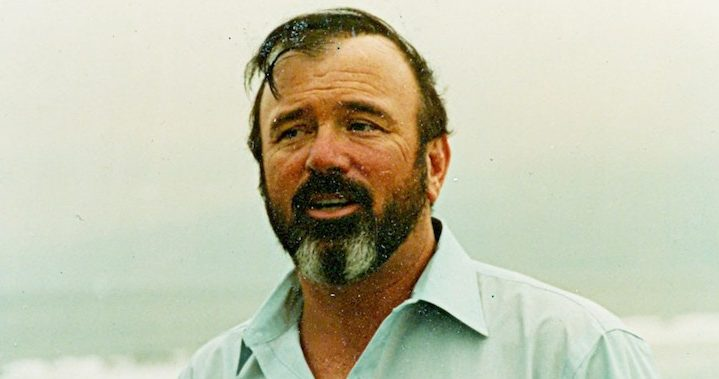
The highest-paid copywriter in history: Gary Halbert.
His legendary sales letters generated over $1,000,000,000 in revenue.
And in one of his very last letters, he shared 12 time-tested strategies for writing better copy, faster.
Here's a breakdown of each one:
His legendary sales letters generated over $1,000,000,000 in revenue.
And in one of his very last letters, he shared 12 time-tested strategies for writing better copy, faster.
Here's a breakdown of each one:
2
1. Set up a proper writing space
Gary was a big fan of writing anywhere.
• His desk
• Local bar
• Bookstore
• Coffee shop
The location didn't matter.
But he made sure to stick with the same one for long stretches.
The goal was to signal to his brain "it's time to write."
Gary was a big fan of writing anywhere.
• His desk
• Local bar
• Bookstore
• Coffee shop
The location didn't matter.
But he made sure to stick with the same one for long stretches.
The goal was to signal to his brain "it's time to write."
3
2. Set up a writing routine
“I write when I’m inspired, so I see to it I’m inspired every morning at nine o’clock.” ~ Peter De Vries
Time: the first thing you need to write well.
But the best writers don't find time to write. They make time to write.
“I write when I’m inspired, so I see to it I’m inspired every morning at nine o’clock.” ~ Peter De Vries
Time: the first thing you need to write well.
But the best writers don't find time to write. They make time to write.
View Tweet
4
Gary was big on writing first thing in the morning.
So before bed, he would scribble down notes on four questions:
• What's the big idea here?
• What's my product's biggest benefit?
• What's most exciting about this product?
• What emotion am I trying to create.
So before bed, he would scribble down notes on four questions:
• What's the big idea here?
• What's my product's biggest benefit?
• What's most exciting about this product?
• What emotion am I trying to create.
5
Then, he went to bed and let his subconscious do the work for him.
Like clockwork, he would wake up with a clear answer to each question.
And then, time and time again, he would write a legendary sales letter that would generate millions in revenue.
Like clockwork, he would wake up with a clear answer to each question.
And then, time and time again, he would write a legendary sales letter that would generate millions in revenue.
6
3. Write. A LOT.
Gary says there's no shortcut. And he's right.
The more you write, and the more often you right, the better you will become.
Because no one has 100 bad pieces of writing.
They either have 10 and quit, or do it long enough to figure it out.
Gary says there's no shortcut. And he's right.
The more you write, and the more often you right, the better you will become.
Because no one has 100 bad pieces of writing.
They either have 10 and quit, or do it long enough to figure it out.
7
4. Write for set time periods.
Gary was big on the Pomodoro technique.
He set a timer for 33:33.
And his rule was simple: he could do anything he wanted during that 33:33.
Except get out of his chair.
Gary was big on the Pomodoro technique.
He set a timer for 33:33.
And his rule was simple: he could do anything he wanted during that 33:33.
Except get out of his chair.
8
And this took the pressure off writing.
Most times he'd stare at the wall for the first few minutes. Sip his coffee. Think about how many other things he'd rather be doing.
But then, someway or another, he'd start writing.
And the timer let him know the torture would end soon.
Most times he'd stare at the wall for the first few minutes. Sip his coffee. Think about how many other things he'd rather be doing.
But then, someway or another, he'd start writing.
And the timer let him know the torture would end soon.
9
During his breaks, he would walk around, have a quick snack, and do anything else but write. And during this time, inspiration always struck.
Then, at the end of the day, he wouldn't say to himself "I wrote until I got tired."
He would say "I wrote for six sessions today."
Then, at the end of the day, he wouldn't say to himself "I wrote until I got tired."
He would say "I wrote for six sessions today."
10
5. Write something easy, first.
When Gary wasn't feeling it, he would practice copywork.
He had a go-to list of great sales letters he would copy word for word to get warmed up.
I didn't believe this would work at first.
But it's now my go-to way to get the juices flowing.
When Gary wasn't feeling it, he would practice copywork.
He had a go-to list of great sales letters he would copy word for word to get warmed up.
I didn't believe this would work at first.
But it's now my go-to way to get the juices flowing.
11
6. Allow yourself to create junk.
For every great sales letter, Gary wrote 20 crappy sales letters.
His reminder: "In this history of written communication, nothing has ever been published that is 100% perfect."
And @JamesClear has a similar rule:
For every great sales letter, Gary wrote 20 crappy sales letters.
His reminder: "In this history of written communication, nothing has ever been published that is 100% perfect."
And @JamesClear has a similar rule:
View Tweet
12
7. Write your first draft fast and furious with no editing.
When writing, rip out your backspace button.
When editing, but it back and rip out everything else.
Every piece of great writing started as a crappy piece of writing.
So just get started.
When writing, rip out your backspace button.
When editing, but it back and rip out everything else.
Every piece of great writing started as a crappy piece of writing.
So just get started.
13
9. Create an idea capture system
Gary's system was epic: back in the day, if you wanted to capture an idea on the go, you an 866 number.
That number would record his call for 60 seconds, then email him a transcription.
Now, we have better tools:
Gary's system was epic: back in the day, if you wanted to capture an idea on the go, you an 866 number.
That number would record his call for 60 seconds, then email him a transcription.
Now, we have better tools:
View Tweet
14
10. Specialize in something
Writers that go nowhere:
They try to be everything for everyone on every platform, all the time.
You need constraints.
• Time
• Topic
• Length
• Medium
• Platform
• Cadence
Here's how to leverage them:
Writers that go nowhere:
They try to be everything for everyone on every platform, all the time.
You need constraints.
• Time
• Topic
• Length
• Medium
• Platform
• Cadence
Here's how to leverage them:
View Tweet
15
11. Reward yourself
Humans are simple dopamine chasers.
But amateur writers get dopamine from notifications.
Professional writers get it from hitting publish.
The easiest way to do this?
Print out a giant calendar.
And make a big red X every day you write and publish.
Humans are simple dopamine chasers.
But amateur writers get dopamine from notifications.
Professional writers get it from hitting publish.
The easiest way to do this?
Print out a giant calendar.
And make a big red X every day you write and publish.

16
And that's it!
These are the 12 steps Gary used to build his writing practice.
As for his actual copywriting techniques?
Stay tuned for the next thread.
These are the 12 steps Gary used to build his writing practice.
As for his actual copywriting techniques?
Stay tuned for the next thread.
17
If you enjoyed these:
1. Follow me @dickiebush for more threads like this on building a writing habit.
2. Hop back up to the top of the thread and share it with others 🙏🏼
1. Follow me @dickiebush for more threads like this on building a writing habit.
2. Hop back up to the top of the thread and share it with others 🙏🏼
View Tweet
18
Gary Halbert's writing system:
• Write, A LOT
• Reward yourself
• Capture your ideas
• Build a writing routine
• Set up a writing space
• Specialize in something
• Write for set time periods
• Write something easy, first
• Allow yourself to create junk
• Write, A LOT
• Reward yourself
• Capture your ideas
• Build a writing routine
• Set up a writing space
• Specialize in something
• Write for set time periods
• Write something easy, first
• Allow yourself to create junk
19
And if you're looking for a crash course in building a writing habit, here's a free 10-day email course that will get you there, fast.
ship30for30.com/sneak-peek
ship30for30.com/sneak-peek
20
I also highly recommend picking up a copy of The Boron Letters.
It's the only book I've ever read on copywriting, and it taught me everything I needed to know.
amzn.to/3l38G9Y
It's the only book I've ever read on copywriting, and it taught me everything I needed to know.
amzn.to/3l38G9Y
21
And if you want to go all the way down the rabbit hole, here's every thread I've ever written about building a writing habit and writing effectively:
View Tweet
22
Want to start writing online but don't know what you'll write about?
This webinar is for you.
Happening today at 5:00 PM EST.
lu.ma/idea-machine-j…
This webinar is for you.
Happening today at 5:00 PM EST.
lu.ma/idea-machine-j…